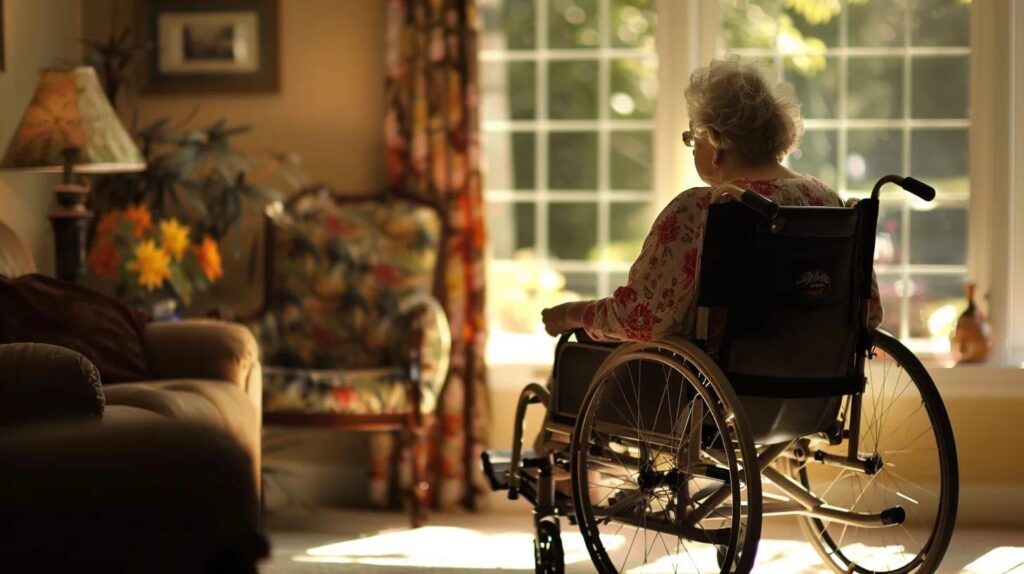

Local Dementia Respite Care Services — Practical Guidance for Families
Respite care gives family caregivers a planned, supervised break while keeping people living with Alzheimer’s or other dementias safe, engaged, and on a steady routine. This guide walks through what respite looks like, why regular breaks benefit both caregivers and loved ones, and how local options — in-home visits, adult day programs, and short residential stays — meet different needs. Many families search for “dementia respite care services near me” when caregiver fatigue, safety concerns, or appointments make continuous caregiving unsustainable. Below you’ll find clear steps to locate, compare, and afford local services; typical cost ranges and funding paths; practical vetting tips for North Carolina and Ohio; and evidence-based benefits for caregivers and people living with dementia. We include checklists, comparison points, and sample questions to help you decide — and explain how a local partner like BlueDot Cares, Inc. can support in-home respite services and senior living placement. Read on for straightforward next steps and the key questions to ask when arranging respite.
“For more than twenty years, we’ve seen how planned respite improves outcomes for families facing dementia. It’s not just about giving caregivers time to rest; it’s about keeping the person with dementia safe, comfortable, and connected to routines so families can recharge and continue providing loving care over the long term.” — Jimmy Clonaris, Managing Partner, BlueDot Cares
What Dementia Respite Care Services Are — And Why They Matter
Respite services provide short-term, supervised support that covers personal care, supervision, and activity-based engagement so family caregivers can rest, run errands, or handle emergencies. Trained caregivers or clinicians step in for set hours or brief stays, maintain familiar routines, and monitor safety risks — easing the ongoing pressure on family members. The immediate effect is relief for caregivers and consistent care for the person with dementia; over time, regular respite is linked with lower caregiver depression and improved physical health, which helps families sustain safer, longer-term care at home. Knowing what respite includes makes it easier to choose the services and tasks that match your household.
What Dementia Respite Care Services Usually Include
Respite services often combine personal care, companionship, medication reminders, and activities adapted to a person’s abilities and interests. Typical tasks include help with activities of daily living (ADLs) — bathing, dressing, meal prep, safe transfers — plus observation for changes in condition. Activities range from music and gentle movement to memory-friendly games and sensory work designed to reduce agitation and keep someone engaged. Providers offer varying levels of support: short hourly visits, full-day adult day programs, overnight coverage, or short residential stays — chosen to match safety needs and the family’s schedule.
How Respite Care Helps Family Caregivers
Good respite care breaks cycles of constant stress and creates a predictable time to rest, manage health or financial tasks, and avoid mistakes caused by fatigue. These breaks improve sleep and energy, reduce avoidable ER visits, and support clearer decision-making. Caregivers commonly report better mood, lower risk of depression, and a greater ability to continue home-based care when they use respite regularly. Scheduling respite helps protect family well-being and makes caregiving more sustainable over time.
Caregiver Support: What the Research Shows
Reviews of caregiver interventions find that training, education, and counseling strengthen caregiver skills and reduce strain for families supporting someone with dementia at home.
Main Types of Dementia Respite Care Services
Respite services generally fall into three settings — in-home visits, adult day centers, and short-term residential or memory care stays — each suited to different goals and levels of support. In-home respite brings trained caregivers into the home for ADL help and companionship so the person can remain in familiar surroundings. Adult day programs offer structured group activities, therapeutic engagement, and supervision during the day, providing predictable relief. Short-term residential stays place someone in a memory care or assisted living setting for closer oversight — useful after hospitalization, during extended caregiver travel, or when higher supervision is needed. Comparing these options helps families align safety needs, social goals, and budget.
This table summarizes features, best uses, and example services across the main respite types.
How In-Home Respite Care Works
In-home respite usually means scheduled visits from trained caregivers who provide personal care, companionship, and supervision in the person’s usual environment to preserve routine and reduce confusion. Visits can be a few hours for errands, overnight to restore sleep, or short live-in support for a longer break; flexibility helps match caregiver availability and the person’s tolerance. Signs of quality include dementia-specific training, background checks, individualized care plans, and clear processes for communicating changes in condition. Ask about staff skills in de-escalation and redirection so visits support safety and positive engagement at home.
What Adult Day Programs Offer
Adult day programs run during daytime hours and provide structured activities, socialization, and supervised care to promote stimulation and routine. Programs often combine music, reminiscence, gentle exercise, and cognitive games with personal care and meals so participants stay engaged while caregivers work or attend appointments. Staff-to-client ratios and dementia-specific training influence safety and therapeutic value, so ask about schedules, staff credentials, and transportation options. Touring centers helps you judge how a program would fit your loved one’s needs.
Understanding Adult Day Program Effects
Adult day programs aim to support people with dementia and give caregivers respite, though research shows mixed results and underlines the importance of matching program features to each family’s situation.
These programs also raise community awareness about dementia care and the supports available locally.
Community Role of Adult Day Services
Adult day services help people with dementia stay connected to community life while giving caregivers practical daytime support; clearer outreach can increase awareness and use of these programs.
What Short-Term Residential Respite Provides
Short-term residential options place someone in a memory care or assisted living unit for a limited stay with 24-hour supervision, medication management, and a structured routine. Families use these stays after hospital discharge, during caregiver procedures or longer trips, or when the person needs more oversight than can be managed at home. Placement advisors and senior living specialists match clinical needs — behavior, mobility limits, and medical complexity — to appropriate short-term units and help schedule tours. Review admission rules, staffing levels, and transition plans to ensure the stay supports continuity of care and a smooth return home.
How Much Dementia Respite Care Services Cost

Costs vary by service type, local market, and intensity of care; national medians are a starting point, but North Carolina and Ohio rates can differ. Typically, in-home care is billed hourly, adult day programs are billed by the day, and short-term residential stays are billed by the day or per-stay contract. Dementia-specific training, overnight coverage, and clinical oversight increase costs. Knowing typical ranges helps you budget and choose a mix of services that balances affordability with safety. Below is a concise cost comparison showing likely price bands and billing methods.
Average Costs by Service Type
Average costs reflect regional differences and the level of help required: in-home care can be lower for companionship-only visits and higher for dementia-trained staff or overnight coverage. Adult day programs are often the most cost-effective for regular daytime relief and typically include meals and activities in the daily fee. Short-term residential stays cost more because they provide 24-hour staffing, medication management, and facility overhead. Cost drivers include caregiver qualifications, supervision level, specialized dementia programming, and local availability — so request itemized estimates to compare true costs.
Financial Help and Grants for Respite Care
Several funding routes can reduce out-of-pocket costs: veterans’ benefits, state Medicaid waivers (where available), local Area Agency on Aging programs, charitable grants, and long-term care insurance when applicable. Each source has its own eligibility rules: VA benefits may cover qualifying veterans and spouses; Medicaid waivers differ by state and can include home- and community-based services; and local nonprofits sometimes offer short-term respite grants. Practical next steps: contact your Area Agency on Aging, review your state’s Medicaid waiver options, and explore veteran resources. A placement advisor or social worker can often speed the identification of eligible programs and simplify applications.
- Common funding sources include:
- Veterans’ Benefits: Possible respite support for eligible veterans and dependents.
- Medicaid Waivers and State Programs: May cover in-home or community services depending on eligibility.
- Local Grants and Nonprofit Funds: Short-term financial help for families in need.
Finding Local Dementia Respite Care Services Near You
Start your search with keywords plus your city or county, contact the Area Agency on Aging for referrals, and review nearby adult day centers and in-home agencies that list dementia-specific services. Vet candidates using a checklist focused on dementia training, background checks, licensing, insurance, and references to separate reputable providers from ad-hoc options. Turn resources into action — phone calls, tours, and trial visits — to assess fit and plan for assessments, emergency backup, and placement services.
This table links provider types to the local resources that typically support them.
Why Families Choose BlueDot Cares for Dementia Respite Care Services in North Carolina and Ohio
BlueDot Cares, Inc. is a locally owned in-home care and senior placement service serving communities across North Carolina and Ohio. We provide comprehensive respite care, including in-home respite and Alzheimer’s & dementia care, plus a free senior placement service. BlueDot’s approach centers on individualized care, caregiver-focused respite planning, and local knowledge to help families weigh in-home respite against memory care options. As a placement partner, BlueDot Cares assesses needs, shortlists suitable memory care units, and coordinates tours — a free, practical service when families face short-term residential decisions. Including BlueDot alongside other vetted providers gives families a local, non-franchise option focused on matched care plans.
Dana R. reached out after her husband’s memory challenges began to escalate. The BlueDot Cares caregiver brought calm structure to their days, using familiar routines and patient conversation to help him feel grounded. Dana said it eased her stress and brought a sense of stability back to their home.
“Their patience and calm energy were exactly what we needed. It brought peace back into our home.” — Dana R.
Questions to Ask When Choosing Dementia Respite Care Providers
Use direct, practical questions to evaluate dementia competency, safety, and reliability so you can make informed choices. Ask about dementia-specific training, background checks, and staff turnover; how care plans are created and updated; emergency procedures and family communication; and whether they’ll share references or sample care plans. Request written policies on medication handling, infection control, and outcome measurement; ask about staff-to-client ratios. These questions expose red flags — such as no dementia training, vague emergency plans, or refusal to provide references — and point you toward trial visits or checking with local agencies.
Essential Vetting Questions:
- What dementia-specific training do caregivers receive?
- Can you provide recent references from families you serve?
- How do you communicate changes in condition to families?
How Dementia Respite Care Services Boost Well‑Being for Caregivers and Loved Ones
Respite services support wellbeing by pairing caregiver recovery time with structured, therapeutic engagement for the person with dementia. Caregivers gain time to manage medical care, appointments, and personal needs — lowering chronic stress and the risk of burnout — while the person with dementia benefits from social contact, routine, and activity-based stimulation that help preserve mood and function. Research and caregiver reports link regular respite to fewer depressive symptoms, stronger family relationships, and increased social engagement for participants. Scheduling respite is a practical, preventive step in long-term care planning.
How Respite Prevents Caregiver Burnout
Predictable breaks reduce cumulative stress, restore sleep, and free caregivers to handle health and daily tasks. Time off interrupts constant vigilance and task-switching that cause fatigue and poor decision-making, leading to better energy, mood, and judgment. Caregivers who use regular respite report greater stamina and clearer thinking, which helps them continue caring at home when that’s the family’s goal. Pairing respite with support groups or counseling builds resilience and lowers the chance of crisis-driven placement.
How Respite Supports Socialization and Cognitive Stimulation
Respite programs often include music, reminiscence, gentle exercise, and simple cognitive activities that stimulate memory networks and provide social contact — reducing isolation and agitation. Structured programs or personalized in-home activities focus on strengths to encourage participation and enjoyment, which supports mood and daily function. When built into a care plan, these activities let caregivers rest while ensuring the person with dementia receives meaningful engagement that improves quality of life.
BlueDot Cares’ Respite Care and Memory Care Solutions
BlueDot Cares, Inc. offers comprehensive respite care to meet common family needs: in-home dementia and Alzheimer’s respite care, respite planning support for caregivers, and a free senior placement service to find short-term residential memory care when required. Our model emphasizes assessment-driven plans, dementia-focused caregiver training, and local expertise across North Carolina and Ohio to match people with the right mix of in-home visits or memory care placements. Families can expect a practical approach that clarifies whether hourly in-home respite, adult day options, or short residential stays best meet safety and quality-of-life goals.
In-Home Respite Care BlueDot Offers in Charlotte, NC
In Charlotte and surrounding areas, BlueDot Cares provides in-home respite care, including scheduled hourly visits, overnight support, and dementia-aware caregiver matches to address behaviors and preserve routines. Caregivers receive Alzheimer’s and dementia-oriented training, and care plans are tailored after an assessment to prioritize safety, medication reminders, and engagement activities. Families can request a consultation to review scheduling needs and supervision levels; placement advisors help set expectations and coordinate services. This local, home-first model supports caregivers who prefer keeping their loved one at home with dementia-aware care.
How BlueDot Cares Helps with Memory Care Placement and Respite in NC and OH
BlueDot Cares’ placement assistance guides families through assessment, shortlisting, and tour coordination to find memory care communities across North Carolina and Ohio that match clinical needs and personal preferences. This free placement service highlights programming, staffing, and short-stay availability so families can compare options clearly. Placement advisors help plan temporary admissions or transitions to longer-term care when needed, simplifying logistics and saving time. Using a placement service can make finding short-term residential respite care that fits safety and budget goals much easier.
Frequently Asked Questions
How Do I Know When a Caregiver Needs Respite?
Look for ongoing signs of stress or exhaustion, such as feeling overwhelmed, frequent irritability, trouble concentrating, skipped medical appointments, or withdrawing from friends and activities. If the quality of care slips because a caregiver is burned out, that’s a clear signal to seek respite care.
How Can I Judge the Quality of Dementia Respite Services?
Check caregiver credentials and dementia training, read family reviews, and ask about staff-to-client ratios. Visit in person when possible to observe interactions and the environment. Ask what activities are offered and whether they’re tailored to different cognitive levels. Request sample care plans and references — reputable providers are transparent and welcome these questions.
What Should I Plan for a Short-Term Residential Stay?
Plan around the person’s medical and behavioral needs. Ask about staff training, safety protocols, daily activities, and how the facility communicates with families. Clarify admission and discharge procedures, what’s included in the cost, and any supports to ease the return home. A clear transition plan improves outcomes and reduces stress.
Which Activities Help During Respite Care?
Activities that match preserved abilities work best: music, reminiscence, gentle exercise, arts and crafts, and sensory sessions. Simple, familiar tasks and social moments reduce agitation and lift mood. Tailor activities to the person’s history and interests for the most significant benefit.
How Can Family Members Stay Involved in Respite Care?
Invite family to help choose services, join tours, meet caregivers, and review the care plan. Keep open lines of communication about changes in condition and share important routines or preferences. Involving relatives in planning and check-ins preserves continuity and reassures everyone.
What Are the Long-Term Benefits of Regular Respite?
Regular respite reduces stress, lowers the risk of caregiver depression, and improves relationships with the person receiving care. It helps caregivers recharge so they can continue providing quality support at home. Over time, scheduled respite contributes to more sustainable caregiving and better health for both caregivers and their loved ones.
Conclusion
Dementia respite care services are a practical, evidence-supported way to protect caregiver health and maintain quality care for people living with dementia. Whether you choose in-home visits, adult day programming, or short residential stays, there are local options to suit different needs and budgets. Start by exploring nearby providers, asking targeted questions, and using resources like your Area Agency on Aging or a placement advisor. When you plan respite proactively, you preserve stability, safety, and your family’s quality of life. Reach out to local respite care providers today to take the next step.
About the Author
Jimmy Clonaris is the Managing Partner at BlueDot Cares, founded in 2002. He oversees client service quality, caregiver standards, and care planning to ensure every family receives thoughtful support. Jimmy is committed to helping families navigate senior care with clarity, confidence, and compassion. His leadership advances BlueDot Cares’ mission to improve the daily lives of seniors and their families.