Your Essential Guide to Senior Home Care Services in Charlotte
Senior home care in Charlotte means non-medical, in-home support that helps older adults stay safe, comfortable, and independent where they feel most at home. This guide walks through what non-medical care typically covers, when to consider specialized supports like dementia or respite care, how local funding usually works, and practical steps for finding trusted care. Families often juggle decisions about daily safety, mobility, personal care, and whether to pursue assisted living or remain at home; clear information and a simple care plan can ease that process. This guide to senior home care services in Charlotte will help you navigate service descriptions, dementia and respite considerations, and funding routes, plus a checklist for evaluating care options in Charlotte neighborhoods. We use examples, comparison tables, and checklists so you can spot next steps quickly, including when to request a personalized consultation with a local partner like BlueDot Cares, which provides in-home non-medical supports and free senior living placement guidance.
“At BlueDot Cares, we believe true senior home care is about more than just assistance; it’s about empowering independence, fostering dignity, and providing families with the confidence that their loved ones are not just cared for, but truly cherished.” – Jimmy Clonaris, Managing Partner, BlueDot Cares
What Are Senior Home Care Services in Charlotte?
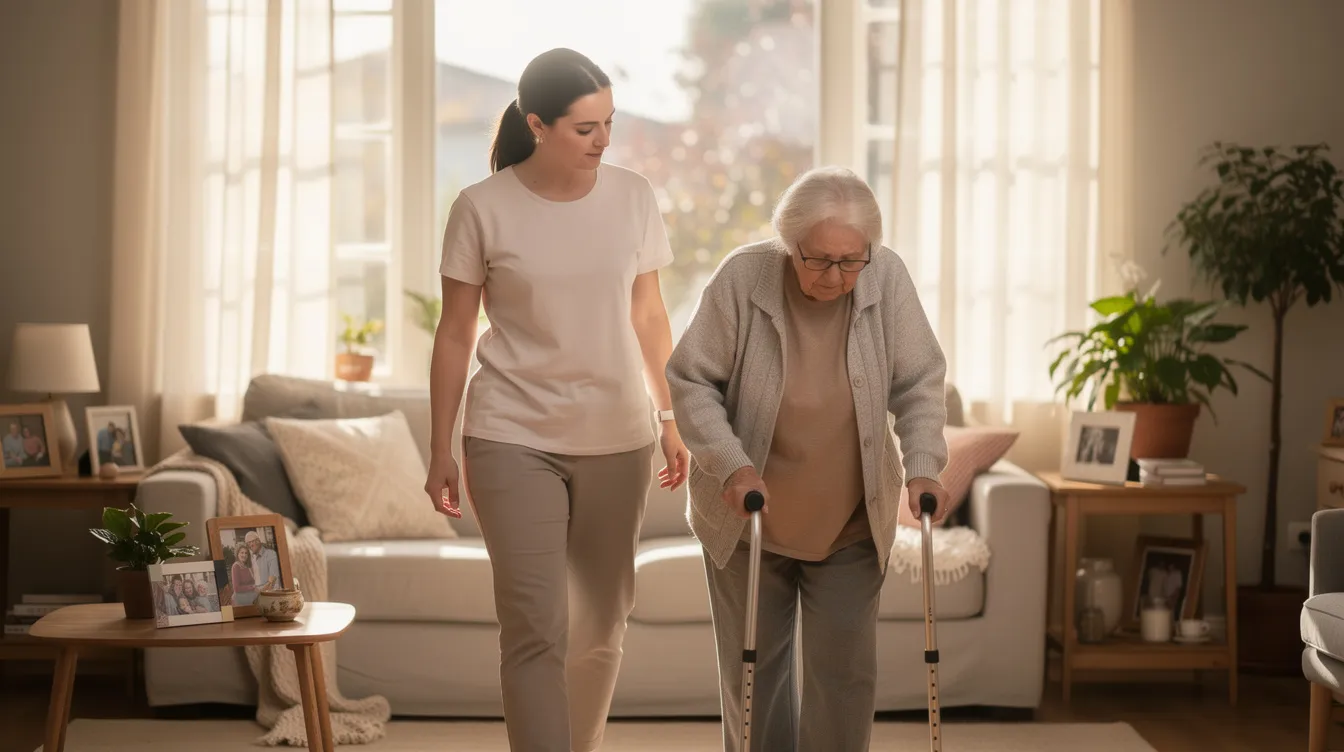
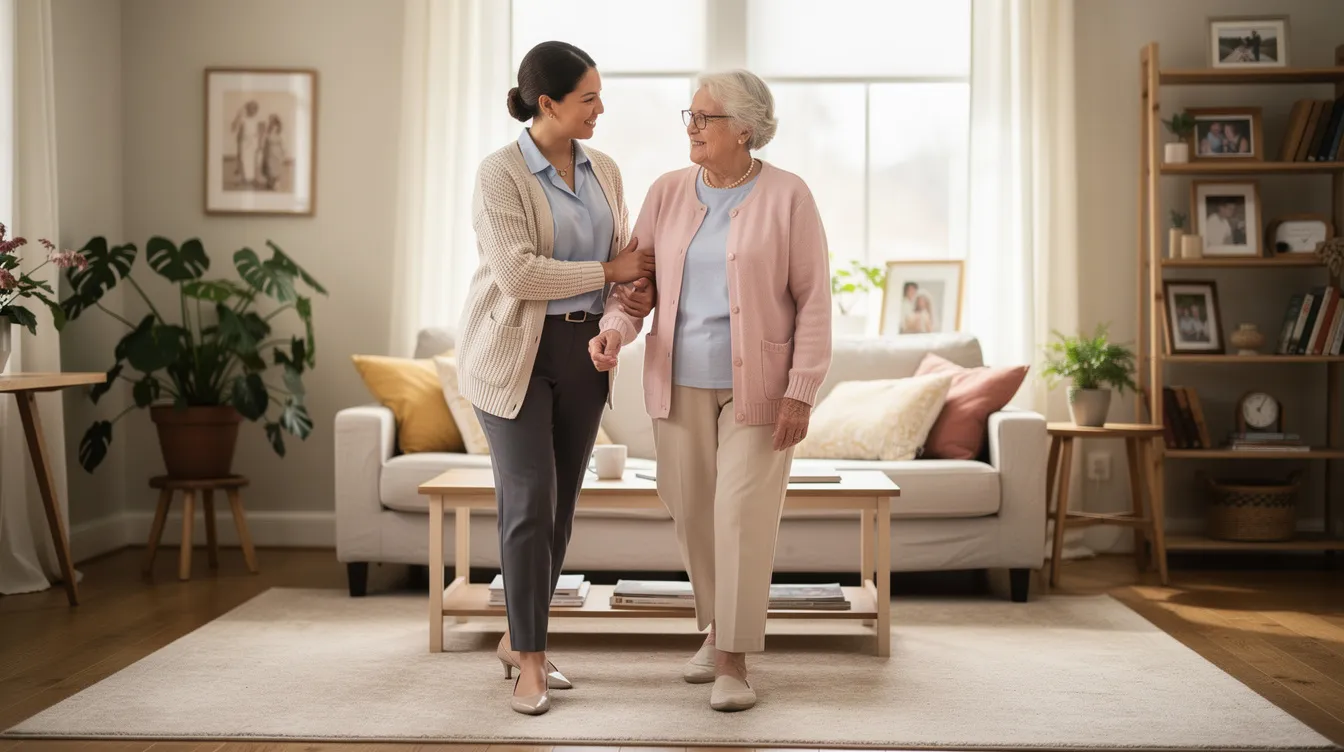
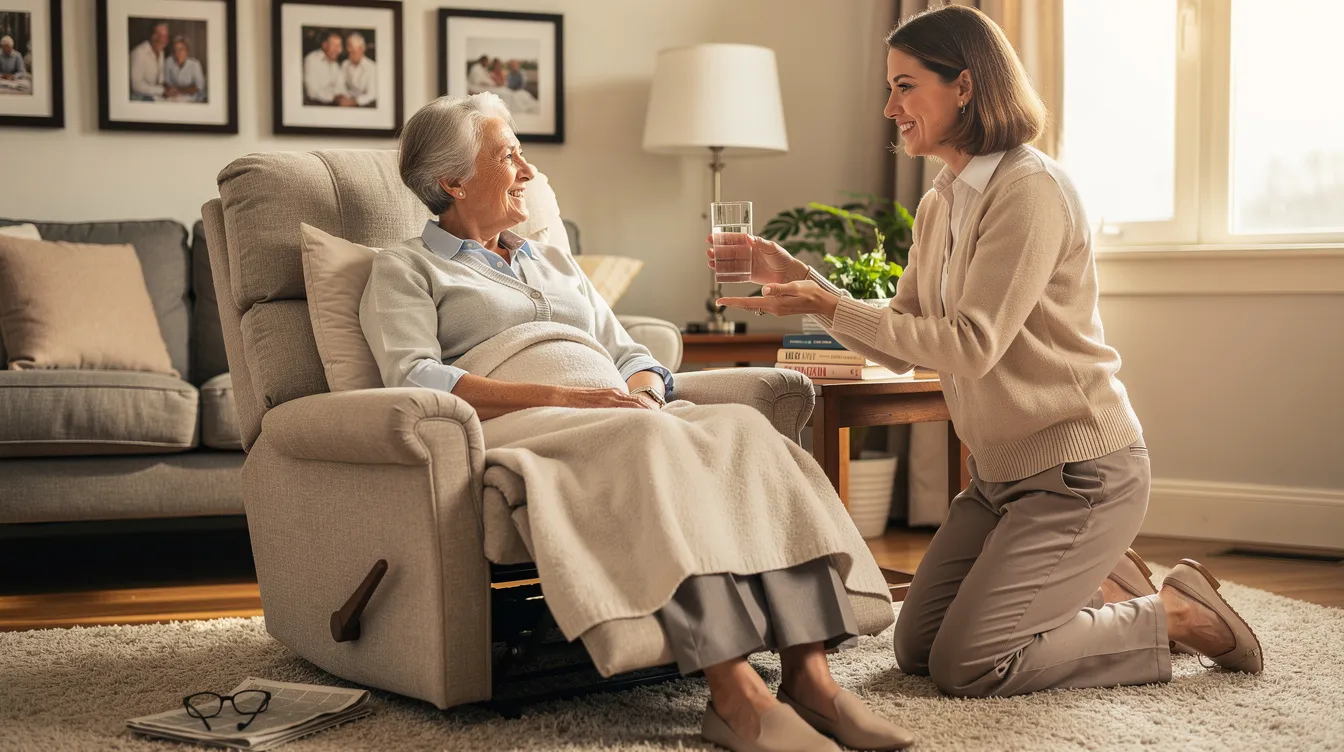
Senior home care services in Charlotte are non-medical supports provided in a person’s home to help with daily tasks, safety, and social connection. Caregivers assist with activities of daily living (ADLs), instrumental ADLs (IADLs), and companionship, services that support independence and lower the risk of falls and hospital stays. The practical benefit: better daily functioning for your loved one and less strain on family caregivers, while keeping seniors connected to local community resources in Charlotte. These senior home care services in Charlotte provide practical benefits.
Below we list core service types and follow with a short table that shows what each service commonly includes and the typical caregiver role.
Common non-medical senior home care services in Charlotte include:
- Companion care: friendly conversation, supervision, and help with keeping routines.
- Personal care: assistance with bathing, dressing, toileting, and hygiene.
- Meal planning and preparation: meals tailored to dietary needs and tastes.
- Light housekeeping and errands: keeping the home safe and clutter-free.
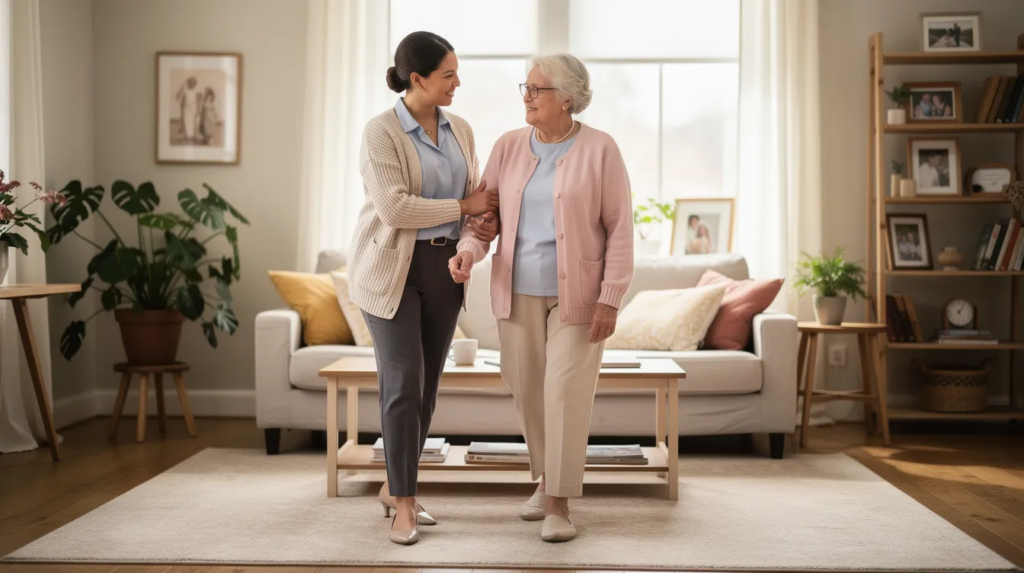
- Transportation and mobility support: rides to appointments, grocery runs, and accompaniment.
- Memory support and respite care: specialized supervision and temporary caregiver relief.
Intro to service comparison table: the table below outlines typical inclusions, duration, and the usual caregiver roles so families can match services to needs.
| Service Type | What’s Typically Included | Typical Caregiver Role |
|---|---|---|
| Companion Care | Conversation, supervision, and planned activities | Trained caregiver or companion aide |
| Personal Care | Bathing, dressing, toileting, ADL assistance | Personal care aide with ADL training |
| Light Housekeeping | Laundry, dishes, clutter removal, basic cleaning | In-home care aide |
| Transportation & Errands | Grocery pick-up, appointment rides, local errands | Caregiver with transportation experience |
| Memory Support | Routine cues, safe activity planning, and behavior strategies | Dementia-capable caregiver with training |
This comparison makes it easier to see how non-medical senior home care services in Charlotte match everyday needs and helps families decide what to ask for during an initial care assessment. From there, you can explore specific service categories and real-life scenarios to guide your choice.
What Types of Senior Home Care Services in Charlotte Offer?
In Charlotte, senior home care services range from light companionship to full 24-hour support, with options tailored to different safety and health needs. Companion care fits seniors who need social connection and supervision; personal care helps with ADLs; memory support serves those with cognitive impairment using routine-based strategies; respite care gives family caregivers a temporary break; and 24-hour care provides continuous supervision for higher-risk situations. Choosing the right level depends on mobility, cognition, chronic conditions, and who’s available to help at home. For example, a retired spouse recovering from surgery may benefit from hourly companion care plus meal prep while they rebuild strength. Each option supports aging in place by filling gaps in daily functioning and reducing common risks like falls or missed medications.
How Does Non-Medical Senior Care Support Aging Loved Ones?
Non-medical senior care helps by keeping daily routines steady, reducing loneliness, and lowering safety risks that can lead to crises. Caregivers provide hands-on help with ADLs, reduce environmental hazards (like clutter or poor lighting), and use routine cues to support memory and orientation.
The outcome is a better quality of life for the senior and less emotional and physical strain for family caregivers, who can use respite to recharge. Practical examples show fewer falls when caregivers perform home safety checks and assist with steady mobility—this naturally leads families to consider dementia-specific strategies and respite planning when responsibilities grow.
Research shows a notable share of older adults who need help with daily living still have unmet needs, underscoring the value of comprehensive home care solutions.
Unmet Need for Personal Assistance with ADLs in Older Adults
Purpose: This study looked at how common and consequential the unmet need for help with activities of daily living (ADLs) is among older adults. Design and Methods: The authors analyzed cross-sectional data from the 1994 National Health Interview Survey’s Supplement on Aging, weighted to represent noninstitutionalized people 70 and older. Results: Overall, 20.7% of those needing help with one or more ADLs (about 629,000 people) reported receiving inadequate assistance; for individual ADLs, unmet need ranged from 10.2% (eating) to 20.1% (transferring). A higher likelihood of unmet need was linked to lower household income, multiple ADL difficulties, and living alone.
How Can Dementia and Respite Senior Home Care Services in Charlotte Support Seniors?
Dementia and respite senior home care services in Charlotte focus on safety, predictable routines, and support for family caregivers as cognitive needs change. Dementia care relies on trained caregivers who use cueing, simplified tasks, and environmental changes to reduce confusion and agitation. Respite care steps in temporarily so primary caregivers can rest or handle other obligations without leaving the senior unsupported.
Both approaches lower immediate safety risks and give families time to evaluate long-term options. Knowing common dementia care tasks and typical triggers for respite helps families plan the right intervention at the right time. Below are the core components and scenarios for using respite.
Key components of dementia-capable home care include:
- Structured daily routines and cueing to preserve independence.
- Activities matched to the cognitive level to keep the person engaged.
- Safety changes and close supervision to reduce wandering and falls.
These practices lead to specific caregiver techniques and home-safety strategies families can expect from trained memory-support caregivers.
What Does Dementia Care in Charlotte Include?
Dementia care in Charlotte usually includes setting predictable routines, using memory cues, planning safe activities, and training caregivers in de-escalation and effective communication. Caregivers focus on simple instructions, familiar tasks, and consistent schedules to preserve function and lower distress; they also watch for behavior changes that could indicate medical issues. Environmental fixes, like removing trip hazards and adding clear signage, work alongside hands-on care to reduce accidents and confusion. Families should expect written care plans that list triggers, calming strategies, and escalation steps, and they often choose memory support when disorientation or repeated safety incidents increase, at which point respite can also relieve family caregivers.
When Should Families Consider Respite Care Services?
Families should consider respite care when the primary caregiver is persistently exhausted, experiencing health decline, or needs to be away (for travel, surgery, or other reasons). Common triggers include sleep disruption, growing irritability, missed appointments, and increased care needs after a hospital stay. Respite can be just a few hours, overnight help, or short-term full-time coverage, allowing caregivers to rest and make longer-term plans without leaving the senior alone. Using respite proactively often prevents burnout and gives families time to evaluate options like increased in-home hours or assisted living placement.
Understanding Funding Options for Senior Home Care Services in Charlotte

In-home senior home care services in Charlotte are tailored to individual needs, varying by service level, hours, and specialization. Factors influencing the scope of care include the number of activities of daily living (ADLs) requiring assistance, whether specialized dementia training is needed, and the specific requirements across Charlotte neighborhoods. Families are encouraged to request a personalized consultation after a formal care assessment to determine the most suitable care plan.
Below is a concise table showing common service categories and likely funding sources. After the table, we summarize the usual funding pathways and suggest next steps.
The table below outlines common service categories and potential funding options to help families prepare for a care assessment.
| Service Category | Potential Funding Sources |
|---|---|
| Hourly companion/personal care | Private pay, limited insurance |
| Memory support (specialized) | Private pay, long-term care insurance (if covered) |
| Respite care (short-term) | Private pay, caregiver support programs |
| 24-hour in-home support | Private pay, savings, veteran benefits |
The specific care plan will depend on assessed needs and scheduling. Families usually benefit from a written care plan to compare options and plan accordingly.
What Financial Assistance and Insurance Options Are Available?
Common funding sources include private pay, long-term care insurance when it applies, VA benefits for eligible veterans, and some public or nonprofit programs that offer targeted help. Eligibility and coverage vary. Next steps: review your long-term care policy language, contact the VA benefits office for veteran options, and check state or local caregiver support programs for respite subsidies or other assistance.
BlueDot Cares offers free senior living placement guidance and personalized consultations to help families sort through payment options and gather the documents they’ll need. This support can simplify planning and make care pathways easier to identify for Charlotte families.
How Do You Choose the Right Senior Home Care Services in Charlotte?
Choosing senior home care services in Charlotte means checking caregiver screening, training, transparent service agreements, and local references to ensure safe, reliable support. Prioritize services that provide written background-check documentation, dementia-capable training records, liability insurance, and clear emergency procedures. Asking for references and a written care plan helps you evaluate care options effectively.
Below is a checklist-style table of care provider attributes with what to look for and red flags to avoid. After the table, you’ll find practical evaluation steps families can use during interviews, followed by how BlueDot Cares approaches personalized care and placement.
| Care Provider Attribute | What to Look For | Red Flags |
|---|---|---|
| Caregiver screening | Background checks, verified references | Vague screening, no documentation |
| Training & skills | Dementia-capable training, ADL support | No training records or supervision |
| Transparency | Written contracts, clear service agreements | Hidden fees, verbal-only agreements |
| Local reputation | Local references, community ties | No local referrals or poor communication |
This checklist helps families evaluate care options and lowers the risk of choosing a service that can’t adapt as needs change.
What to Look for in Trusted Senior Home Care Services in Charlotte?
When evaluating senior home care services in Charlotte, families should ask about caregiver screening, ongoing training (especially for memory support), liability insurance, continuity plans, and emergency procedures. Confirm background checks, request training records, and review written care plans to see how changes in a senior’s condition are documented. Also, verify scheduling flexibility, backup caregiver policies, and how the service handles billing. Clear contracts and transparent service agreements protect families and make transitions smoother if needs evolve.
How Does BlueDot Cares Provide Personalized Senior Care Solutions?
BlueDot Cares presents itself as a local partner offering real people and practical help with non-medical in-home supports and free senior living placement guidance in Charlotte. Their process centers on personalized consultations: assessing needs, matching vetted caregivers to family preferences, and offering free placement assistance for independent living, assisted living, and memory care when appropriate. Families can expect local expertise, compassionate guidance, and community trust behind care recommendations; BlueDot Cares is also recognized with an Expertise.com 2025 badge and emphasizes clear, personalized planning. For Charlotte families ready to take the next step, scheduling a consultation with a local partner like BlueDot Cares turns assessment into a clear care plan and pathway to support.
- Request a written care plan: Get documented tasks, schedules, and contingency steps.
- Verify caregiver vetting: Ask to see background checks and training evidence.
- Ensure clear service agreements: Work with services that offer clear contracts and transparent terms.
These steps create a reliable path from assessment to safe, person-centered home care in Charlotte.
Frequently Asked Questions
What qualifications should caregivers have for senior home care?
Caregivers should have relevant certifications in personal care and training for ADLs. Specialized dementia training is important when cognitive impairment is present. Families should also confirm background checks and ongoing education to ensure safety and consistent quality. Ask for proof of credentials and training records when choosing care.
How can families assess the quality of senior home care services?
Assess quality by checking caregiver qualifications, reading client testimonials, and confirming service accreditation. Interview potential care services, request references, and look for services that offer personalized care plans and regular updates. Watching caregiver interactions during an initial visit can also reveal compatibility and care quality.
What are the signs that a senior may need more care?
Warning signs include physical changes (weight loss, difficulty walking), cognitive decline (confusion, increased forgetfulness), social withdrawal, missed medications, and trouble managing daily tasks. If you notice these changes, consult healthcare professionals or a care service to reassess needs and plan next steps.
How can families prepare for a caregiver’s first visit?
Prepare by creating a care plan that lists the senior’s needs, preferences, and daily routine. Gather medication lists, emergency contacts, and any key medical information. Prepare the home for a comfortable visit and introduce the caregiver to the senior. Clear communication about expectations helps the visit go smoothly.
What should families do if they are unhappy with their home care service?
If you’re unhappy, first share specific concerns with your care provider so they can address the issue. If problems continue, request a different caregiver or explore alternative solutions within the service. Document incidents, keep communication open, and seek recommendations from trusted sources to find better options.
Are there any community resources available for families seeking senior care?
Yes. Local aging services, support groups, non-profits, and senior centers can connect families with financial aid, caregiver training, and respite programs. Your local health department or area agency on aging can also point you to resources and help you navigate available services.
Conclusion
Choosing the right senior home care services in Charlotte can improve daily life for your loved one and give your family greater peace of mind. By understanding service options and funding routes, you can make informed decisions that fit your situation. Consider a personalized consultation with a local provider like BlueDot Cares to build a tailored care plan. Take the first step today to ensure your loved one gets the support they need.
About the Author
Jimmy Clonaris is the Managing Partner at BlueDot Cares, a leading provider of in-home senior care services in Charlotte. With extensive experience in the Charlotte home care landscape, Jimmy is dedicated to upholding the highest standards of quality and safety in all services. His leadership is driven by a profound commitment to empowering seniors to maintain independence and dignity in their own homes, ensuring families receive compassionate and reliable support.

Jimmy Clonaris is Managing Partner at BlueDot Cares, where he oversees operations, caregiver standards, and service delivery for in-home care across the organization. With more than 19 years of experience in healthcare and over a decade with BlueDot, he has been directly involved in building and scaling care programs that support individuals aging at home.
His work focuses on the practical side of care delivery. This includes caregiver training and oversight, care plan consistency, and coordination with families and local healthcare professionals. Jimmy is actively involved in ensuring that care is not only well-structured on paper, but executed reliably in the home.
Over the course of his career, he has worked with thousands of families navigating care decisions, from short-term recovery support to long-term in-home care. His approach is grounded in clear communication, accountability, and building systems that allow caregivers to deliver consistent, high-quality support.
Under his leadership, BlueDot Cares has grown to support tens of thousands of families while maintaining a locally operated, relationship-driven model. He continues to focus on strengthening the team, improving care standards, and ensuring families have a dependable partner when care is needed.