How Pet Therapy Supports Older Adults
Pet therapy, often called animal-assisted therapy, is a gentle, evidence-backed way to lift seniors’ mood and improve daily life. In companion care settings, visits with trained animals can reduce loneliness, ease anxiety, and even encourage light movement. This article walks through what pet therapy is, the emotional and physical benefits seniors commonly experience, how it fits into home care plans, suggestions for exploring local resources, and practical answers to the questions families ask most.
What Is Pet Therapy and How Does It Support Companion Care?
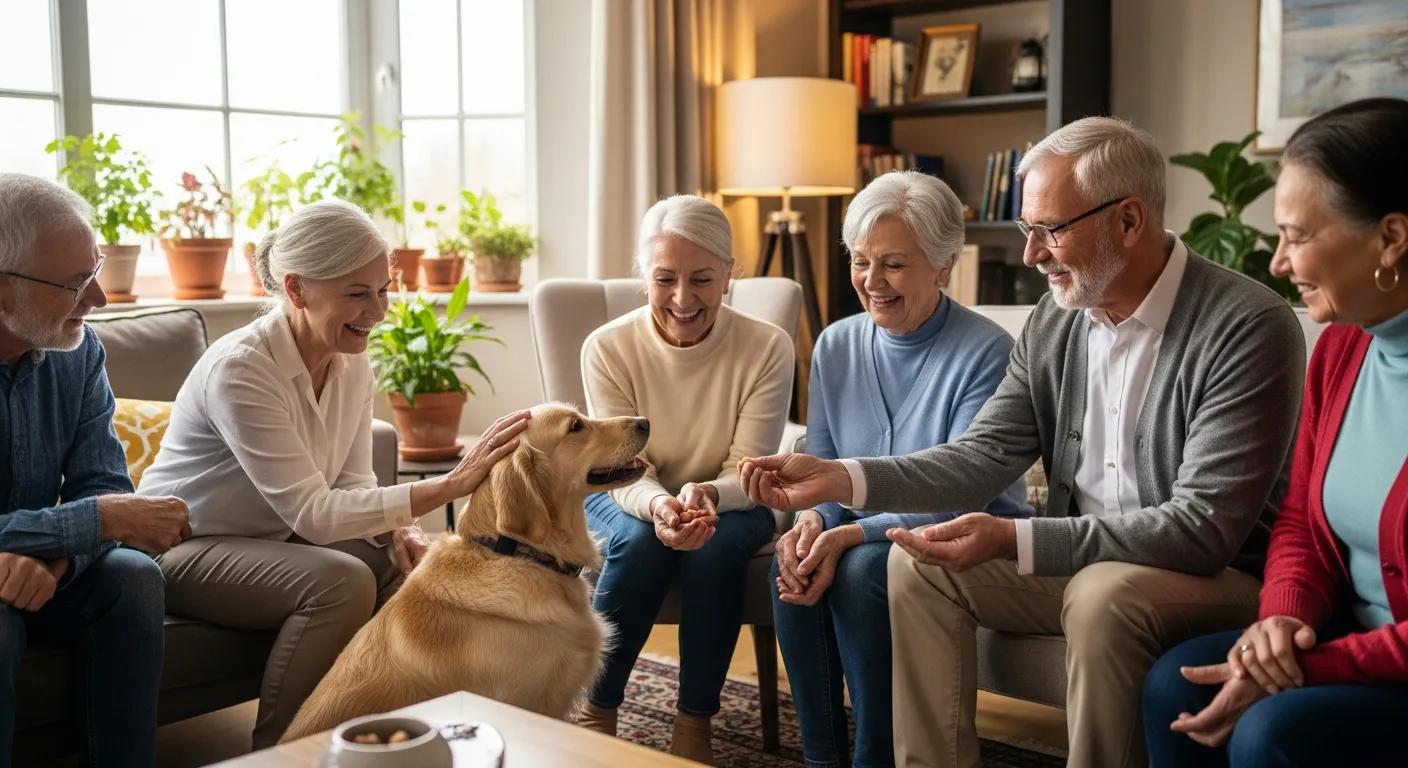
Pet therapy pairs trained animals with people who benefit from comfort and company. For seniors receiving companion care, these visits tap into the natural connection between people and animals to soothe emotions, spark conversation, and promote small, meaningful activities that support wellbeing.
Jimmy Clonaris, Partner at BlueDot Cares, highlights, “In senior care, the value of pet therapy lies in its ability to create moments of genuine connection and calm. It’s not just about the presence of an animal, but how that presence encourages engagement, reduces stress, and supports a senior’s overall sense of dignity and comfort.”
Defining Pet Therapy and Animal-Assisted Interventions
Pet therapy covers a range of animal-assisted interventions, from scheduled visits by certified therapy dogs to short sessions with other calm, trained animals. The goal is simple: use a friendly animal to provide emotional comfort and improve psychological well-being for older adults.
Role of Companion Animals in Enhancing Senior Wellbeing
Companion animals offer more than company. Research shows that time with therapy animals can lower stress, reduce blood pressure, and brighten mood. That sense of connection helps many seniors feel seen and less isolated, while encouraging conversations and social moments that enrich daily life.
What Are the Emotional Benefits of Pet Therapy for Aging Adults?
Pet therapy brings clear emotional gains for many seniors. A calm animal can create a relaxed setting where older adults feel more comfortable, less anxious, and better able to engage with others.
How Does Pet Therapy Reduce Anxiety and Depression in Seniors?
Studies show that interaction with animals can trigger the release of oxytocin and other calming chemicals, which reduces stress and fosters feelings of safety. Simple acts like petting or sitting with a therapy animal often ease symptoms of anxiety and lift a low mood.
In What Ways Do Therapy Animals Improve Social Engagement and Emotional Support?
Therapy animals help start conversations, bridge social gaps, and encourage visits from family and friends. They often become a familiar, comforting presence that helps seniors feel valued and emotionally supported, which matters a lot for overall mental health.
How Does Pet Therapy Improve Physical Health in Elder Care?
Beyond emotional support, pet therapy can promote light physical activity and routine, both important for maintaining strength and mobility as we age.
What Physical Health Outcomes Are Linked to Animal-Assisted Therapy?
Animal-assisted therapy has been linked to benefits like improved cardiovascular markers and increased daily movement. Activities such as gentle walks, grooming, or playful interaction can boost circulation, balance, and overall energy levels for many seniors.
How Frequent Therapy Sessions Enhance Senior Mobility and Well-being
Regular, predictable visits with therapy animals encourage consistent activity and social engagement. Over time, that routine can translate to better physical function, more energy, and a greater willingness to stay active, all of which support a higher quality of life.
How Is Pet Therapy Incorporated into Home Care and Senior Living Services?
When pet therapy is built into a care plan, it becomes another reliable way to support emotional and physical needs. Whether in a private home or a senior living community, thoughtful integration makes the experience safer and more meaningful.
What Are Effective Ways to Integrate Pet Therapy in Home Care Plans?
Effective plans coordinate caregivers, families, and certified therapy teams. That can mean scheduled visits, brief check-ins tailored to the senior’s energy level, and caregiver guidance so interactions stay safe and enjoyable. Training caregivers to lead simple pet-related activities often boosts the benefit.
Considering Pet Therapy Alongside Companion Care Services in NC and OH
Families interested in pet therapy may explore local options independently while also arranging companion care services. Companion care providers like BlueDot Cares offer personalized non-medical support tailored to seniors’ daily needs in North Carolina and Ohio. Pet therapy programs in your community may provide additional emotional and physical benefits through animal interaction.
How to Explore Local Pet Therapy Programs for Seniors in Your Area
Families interested in pet therapy may want to look into local programs that connect certified animals and handlers with seniors. Availability and offerings can vary widely by location, so researching options in your community or region is a good step alongside considering home care services.
Suggestions for Finding Pet Therapy Programs Near You
Start by contacting senior centers, assisted living communities, or local animal therapy organizations to inquire about any programs or visits they may offer. Many areas have groups that arrange therapy animal visits, but the specifics depend on local resources and demand. Checking with healthcare providers or social workers can also provide leads on reputable programs.
Considering Pet Therapy Alongside Home Care Services
While exploring pet therapy options, families should also consider how these visits might complement home care plans. Coordinating with care providers ensures that pet therapy fits safely and effectively into the overall support for a senior’s emotional and physical well-being.
What Are Common Questions About Pet Therapy Benefits for Seniors?
As more families consider pet therapy, common questions arise about safety, types of animals, and how it fits into care plans. Clear answers help families decide whether pet therapy is a good match for their loved one.
What Types of Animals Are Used in Pet Therapy for Elder Care?
Dogs and cats are the most common therapy animals, but rabbits, birds, and even miniature horses can be part of programs. Each animal brings different comforts and activities, so caregivers choose the type that best matches a senior’s preferences and needs.
Is Pet Therapy Covered by Insurance for Senior Care?
Insurance coverage varies. Some plans may reimburse pet therapy when it’s prescribed as part of a treatment plan, but many do not. Families should check with their insurance provider and ask therapy organizations about any available payment options.
Frequently Asked Questions
How can families choose the right pet therapy program for their loved ones?
Start by listing needs and preferences: which animals are welcome, how often visits should occur, and any health or mobility limits. Ask about handler training, certifications, and references. If possible, attend a visit to see how the senior responds before committing.
What qualifications should therapy animals have for senior care?
Therapy animals should be trained, socialized, and temperament-tested for working with older adults. Look for teams certified by reputable organizations like the Alliance of Therapy Dogs or Pet Partners; these programs ensure animals are steady, friendly, and able to handle different environments.
Are there any risks associated with pet therapy for seniors?
Pet therapy is safe for many seniors, but there are considerations: allergies, fear of animals, mobility limitations, and infection control. Care teams should screen for these issues and tailor visits accordingly. Consulting a healthcare professional before starting therapy is a good precaution.
How can caregivers support pet therapy sessions at home?
Caregivers make sessions work by preparing the space, supervising interactions, and guiding gentle activities like brushing or short walks when appropriate. They should also watch for signs that a senior is tired or uncomfortable and communicate preferences to the therapy team.
What are the long-term benefits of pet therapy for seniors?
Over time, regular animal visits can reduce loneliness, lift mood, and encourage light activity, all contributors to better emotional and physical health. Many families find that sustained pet therapy supports a greater sense of purpose and daily enjoyment for their loved one.
Can pet therapy be combined with other therapeutic approaches for seniors?
Absolutely. Pet therapy works well alongside physical, occupational, and cognitive therapies. The emotional comfort animals provide can make seniors more engaged in other treatments, and coordinated care plans create a more holistic approach to wellbeing.
Enhancing Pet Therapy: Practical Frameworks and Examples
To maximize the benefits of pet therapy, caregivers and families can adopt structured approaches that integrate therapy animals into daily routines and care plans. Here are practical frameworks and examples to consider:
- Personalized Interaction Plans: Develop a schedule that aligns with the senior’s energy levels and preferences, such as morning visits for those who are more alert early or afternoon sessions for relaxation.
- Activity Integration: Combine pet therapy with light physical activities like guided walks or grooming sessions, which can improve mobility and provide purposeful engagement.
- Emotional Check-Ins: Use pet therapy sessions as opportunities to assess mood and emotional well-being, allowing caregivers to adjust care plans accordingly.
- Social Facilitation: Encourage group visits or family participation during therapy sessions to enhance social interaction and reduce isolation.
- Documentation and Feedback: Keep a simple log of therapy sessions, noting the senior’s responses and any changes in mood or activity levels to inform ongoing care decisions.
For example, a senior with mild arthritis might benefit from a twice-weekly pet therapy visit combined with gentle brushing and short walks, improving joint mobility and mood simultaneously. Another senior experiencing social withdrawal could have therapy sessions scheduled alongside family visits to foster connection and conversation.
Data Insights and Statistics on Pet Therapy for Seniors
While research on pet therapy continues to grow, several key statistics highlight its impact:
- Studies indicate that up to 80% of seniors report reduced feelings of loneliness after regular interaction with therapy animals.
- Research published in the Journal of Aging and Health found that pet therapy can lower systolic blood pressure by an average of 5-10 mmHg in older adults.
- Animal-assisted interventions have been associated with a 30% reduction in reported anxiety symptoms among seniors in assisted living facilities.
- According to a survey by the American Pet Products Association, 68% of pet owners aged 65+ report improved mood and increased social interaction due to pet companionship.
These data points underscore the measurable benefits of pet therapy and support its inclusion as a complementary approach in elder care.
Conclusion
Pet therapy can be a meaningful part of companion care — offering comfort, connection, and gentle encouragement to stay active. When planned thoughtfully, visits from trained animals support emotional health and add joyful moments to a senior’s day. If you’re interested in incorporating pet therapy into care, consider exploring local programs alongside companion care services tailored to your loved one’s needs.
For seniors in Charlotte, NC, home care in Charlotte can provide personalized non-medical support tailored to daily needs
Additionally, for families considering a move to a senior living community, senior living placement services in Charlotte can help find the right fit in Charlotte, NC.
About Our Leadership
Jimmy Clonaris is a Partner at BlueDot Cares with extensive experience in senior care management. He specializes in supporting families through complex care decisions, focusing on personalized approaches that enhance quality of life for older adults. His leadership role involves coordinating non-medical care services and advocating for effective, compassionate support within the senior care community.
Disclaimer: This content is provided for informational purposes only and is not intended as medical, clinical, or legal advice. BlueDot Cares is a non-medical home care provider and does not provide skilled nursing or medical services. Decisions about medical care, treatment, or therapy should be made in consultation with a licensed healthcare professional. Information in this article is based on general industry knowledge and publicly available sources and may not reflect your specific situation or local requirements.

Jimmy Clonaris is Managing Partner at BlueDot Cares, where he oversees operations, caregiver standards, and service delivery for in-home care across the organization. With more than 19 years of experience in healthcare and over a decade with BlueDot, he has been directly involved in building and scaling care programs that support individuals aging at home.
His work focuses on the practical side of care delivery. This includes caregiver training and oversight, care plan consistency, and coordination with families and local healthcare professionals. Jimmy is actively involved in ensuring that care is not only well-structured on paper, but executed reliably in the home.
Over the course of his career, he has worked with thousands of families navigating care decisions, from short-term recovery support to long-term in-home care. His approach is grounded in clear communication, accountability, and building systems that allow caregivers to deliver consistent, high-quality support.
Under his leadership, BlueDot Cares has grown to support tens of thousands of families while maintaining a locally operated, relationship-driven model. He continues to focus on strengthening the team, improving care standards, and ensuring families have a dependable partner when care is needed.