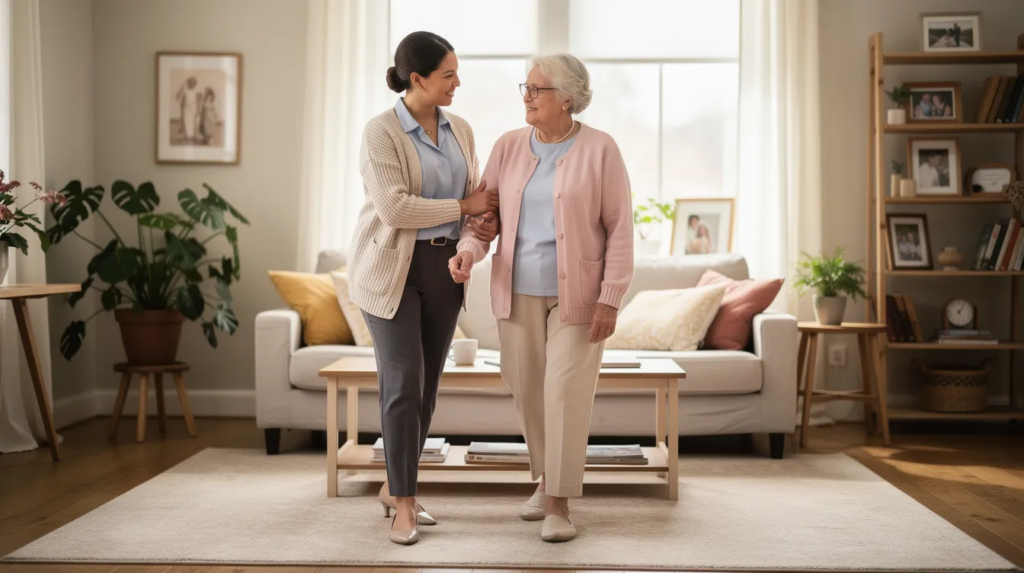
Older adults often end up needing help to manage health conditions, perform regular daily activities, and keep their houses in good living condition. Unfortunately, it can sometimes be hard to know when your aging relative is at a point where they need assistance from others. Experts at the Mayo Clinic and WebMD offer the following 4 tips for knowing when a senior needs assistance.

#1: Pay Attention to Appearance
If your older family member seems to be untidy and looks as though they haven’t showered, they may be having trouble take care of their hygiene needs. You might also notice body odor or bad breath that indicates they haven’t been washing or brushing their teeth. In addition to personal appearance, look at the environment. Seeing scorched pans on the stove or in the sink may indicate they are forgetting about food while it is cooking. If the house is dirty, it could indicate there are physical problems that make cleaning difficult or that the person is suffering from depression.
#2: They Aren’t Taking Medications or Treating a Condition
Not taking medications or keeping up with treatment for a medical condition could indicate a cognitive illness, like dementia or Alzheimer’s disease. They may be forgetting to take their medicine, not understand the importance of treating a condition, or have difficulty taking the necessary steps to make a medical appointment or refill a prescription.
#3: Look for Safety Concerns in the Home
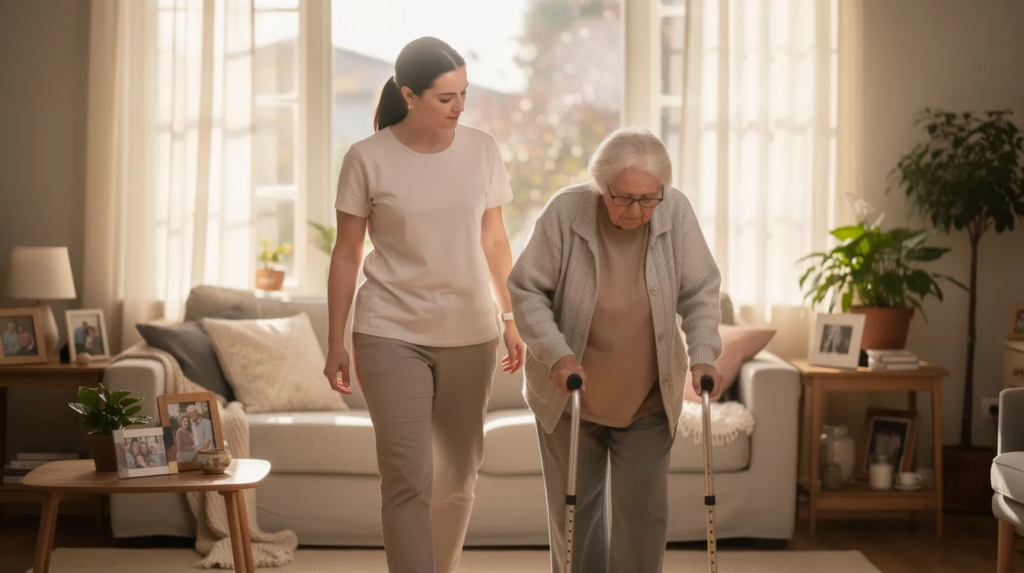
Take a look around the home and notice if there are safety issues present. For example, is the senior using appliances improperly in a way that could cause a fire or an injury. Is there damage to the home that has not been addressed, such as broken steps or missing handrails. Also, does the older adult seem to have trouble getting around the house or have they fallen recently?
#4: Take a Drive with the Senior
Many older adults reach a point where it is no longer safe for them to drive. Look at the senior’s car and notice if there are scratches and dents. These may indicate the older adult is bumping into things. Go for a ride with your aging relative doing the driving. Pay attention to whether they get confused about where they are going, if they obey traffic signals and signs, and other rules of the road.
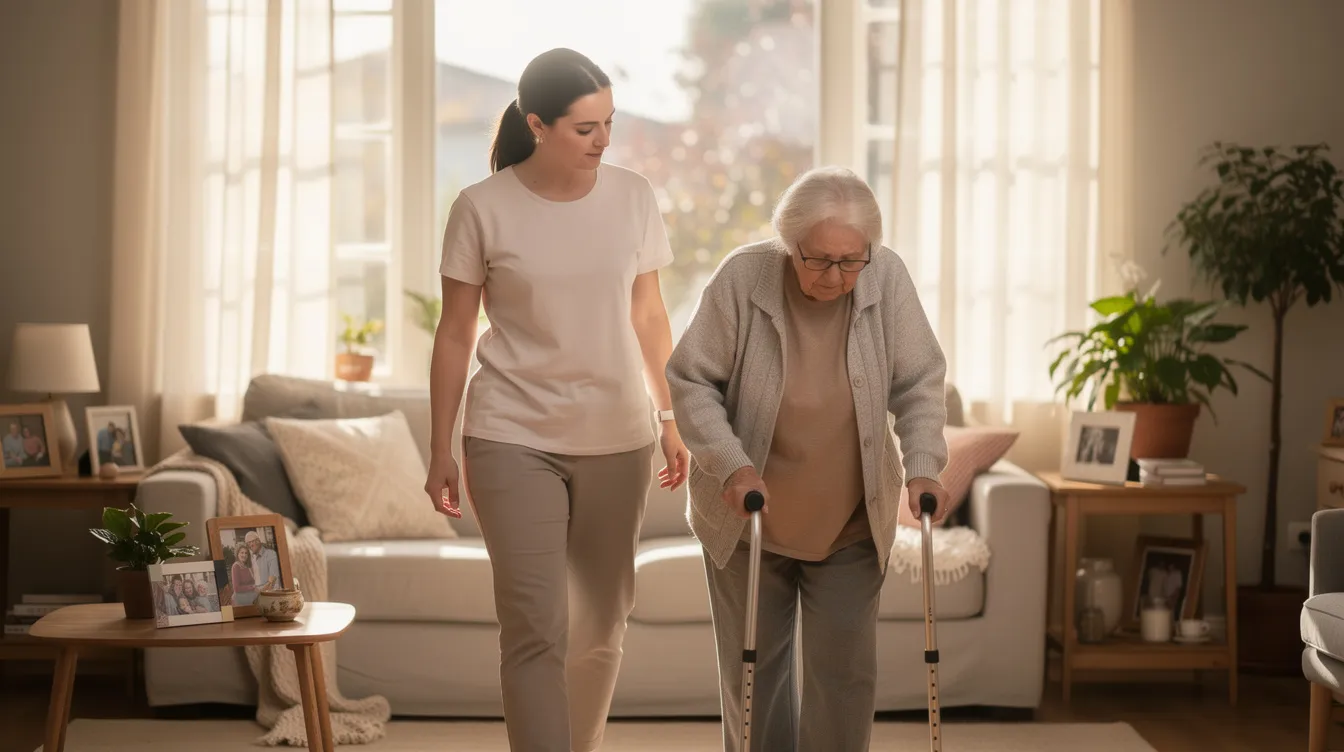
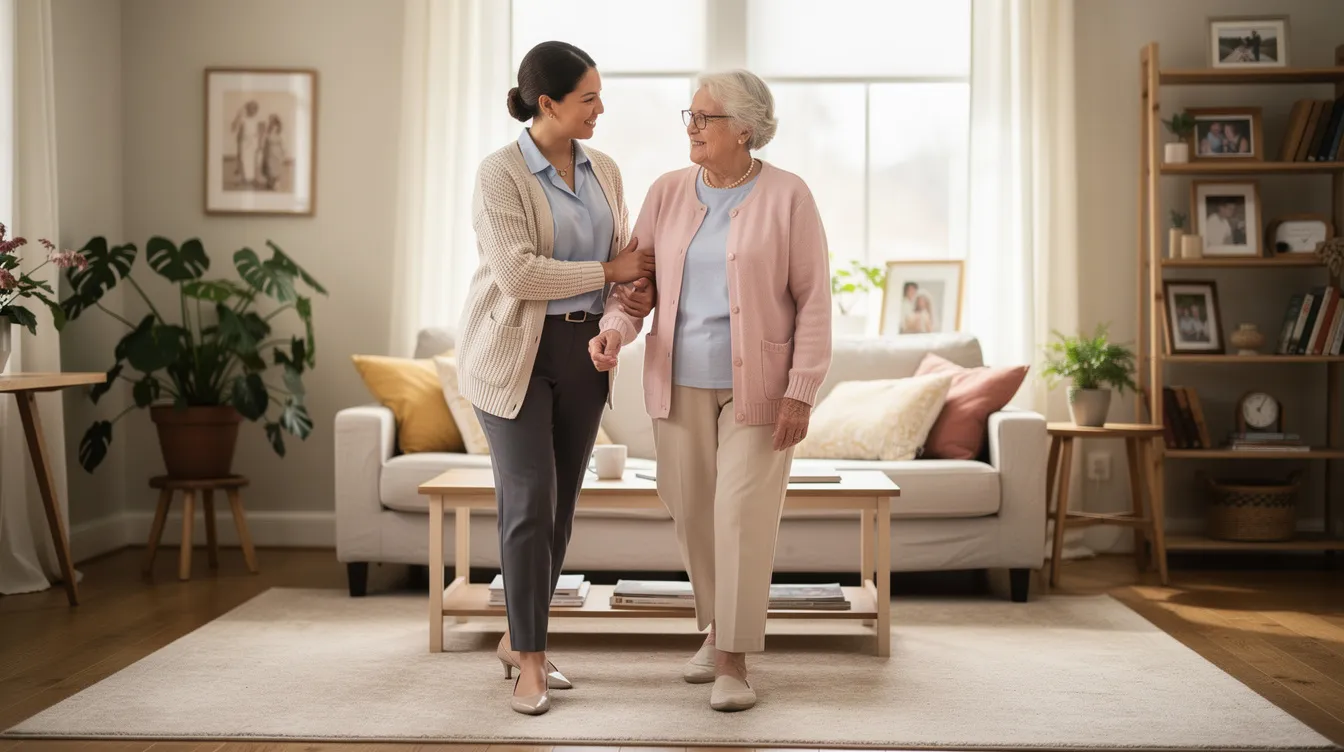
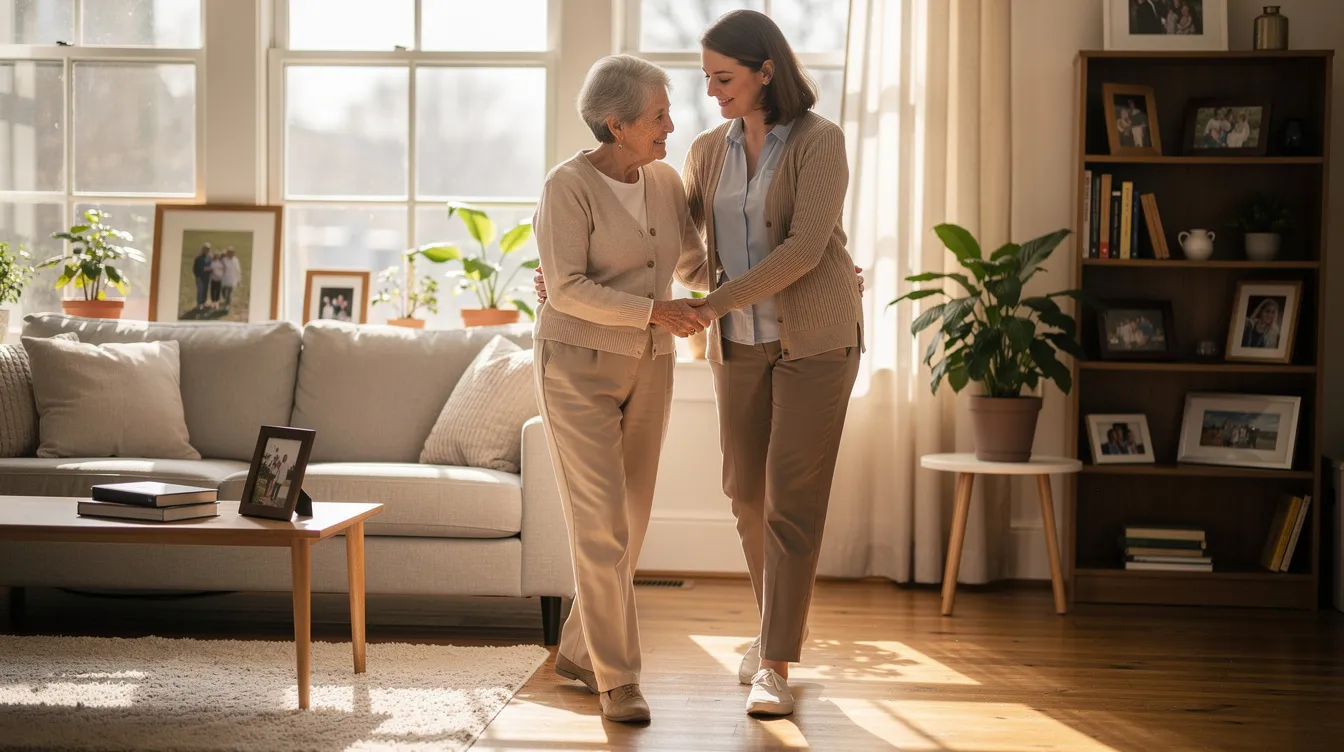
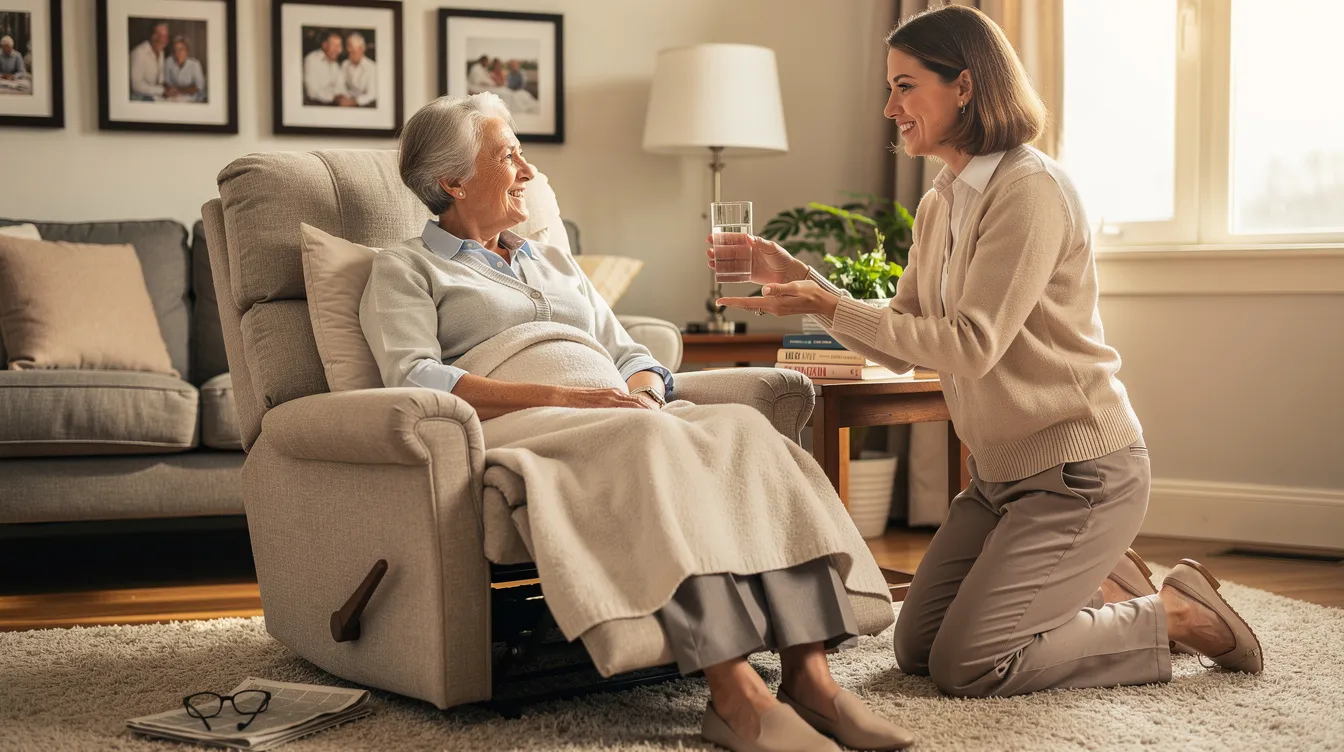
If you notice that your older family member is having some trouble taking care of themselves or their home, senior care can offer a solution to many of their problems. A senior care provider can assist them to bathe safely and perform daily grooming tasks. Senior care providers can also do some light house cleaning, like vacuuming, dusting, and mopping. Senior care can also offer transportation to the grocery store, medical appointments, pharmacy, and to run other errands.
Sources: https://www.mayoclinic.org/healthy-lifestyle/caregivers/in-depth/aging-parents/art-20044126
https://www.webmd.com/alzheimers/self-care#1
If you or an aging loved one are considering hiring professional Senior Care Services in Rock Hill SC, please call the caring staff at BlueDot Cares today, (704) 586-9248.
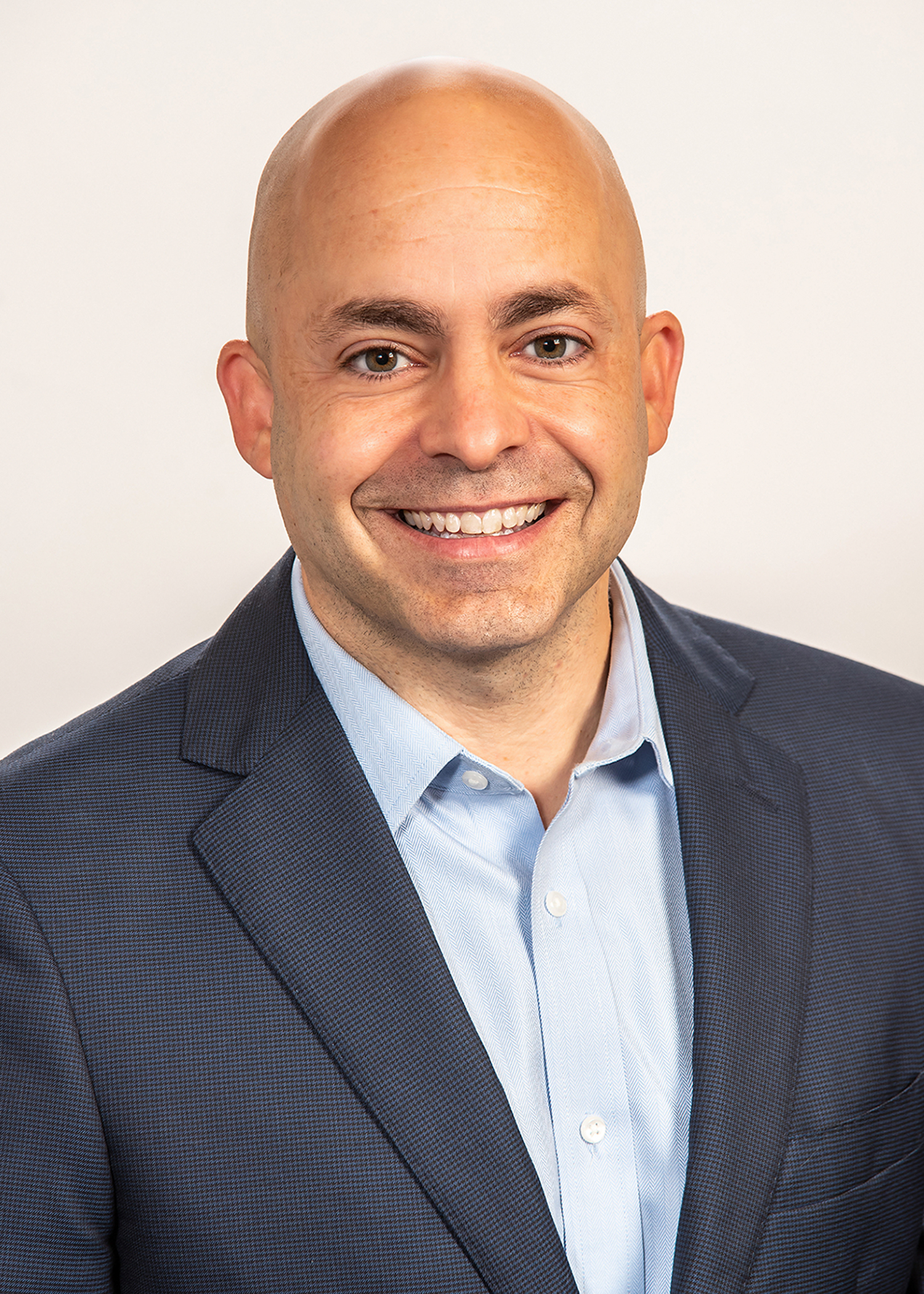
Jimmy Clonaris is Managing Partner at BlueDot Cares, where he oversees operations, caregiver standards, and service delivery for in-home care across the organization. With more than 19 years of experience in healthcare and over a decade with BlueDot, he has been directly involved in building and scaling care programs that support individuals aging at home.
His work focuses on the practical side of care delivery. This includes caregiver training and oversight, care plan consistency, and coordination with families and local healthcare professionals. Jimmy is actively involved in ensuring that care is not only well-structured on paper, but executed reliably in the home.
Over the course of his career, he has worked with thousands of families navigating care decisions, from short-term recovery support to long-term in-home care. His approach is grounded in clear communication, accountability, and building systems that allow caregivers to deliver consistent, high-quality support.
Under his leadership, BlueDot Cares has grown to support tens of thousands of families while maintaining a locally operated, relationship-driven model. He continues to focus on strengthening the team, improving care standards, and ensuring families have a dependable partner when care is needed.