The Hearing Loss Association of America suggests that older adults should have their hearing checked every three years. Hearing loss in both ears can happen at a younger age, but having only one ear affected is more common. You can lose hearing from exposure to loud noises begins in the high frequencies and usually occurs later in life after noise exposure.
Hearing loss from aging gradually starts in the low frequencies and affects both ears equally, making it difficult for older adults to hear higher-pitched sounds. Any amount of ear damage has adverse effects for seniors because it limits their ability to communicate. This can increase depression, social isolation, and even lead to more risky behaviors. Hearing aids are one form of treatment for older adults with deafness, but there are other options to help improve their ability to hear better.
What Causes Hearing Loss?
The most common way people start to lose their hearing is through exposure to loud noises. This can be from concerts, listening to headphones too loud, or explosions can damage your ears. You can also lose hearing from wax buildup, infections, ruptures in the eardrum, and even simple aging can lead to deafness.
People with the following factors are considered at higher risk:
- Older age
- Occupational exposure to loud noises
- Genetics
- Illnesses
- Side effects of medication
- Exposure to loud noises
Treating Hearing Loss
Hearing loss can cause depression or social isolation, especially in seniors. It’s also been linked to cognitive decline. However, treating deafness can reverse those harmful effects. Studies suggest that treating hearing loss can significantly help memory.
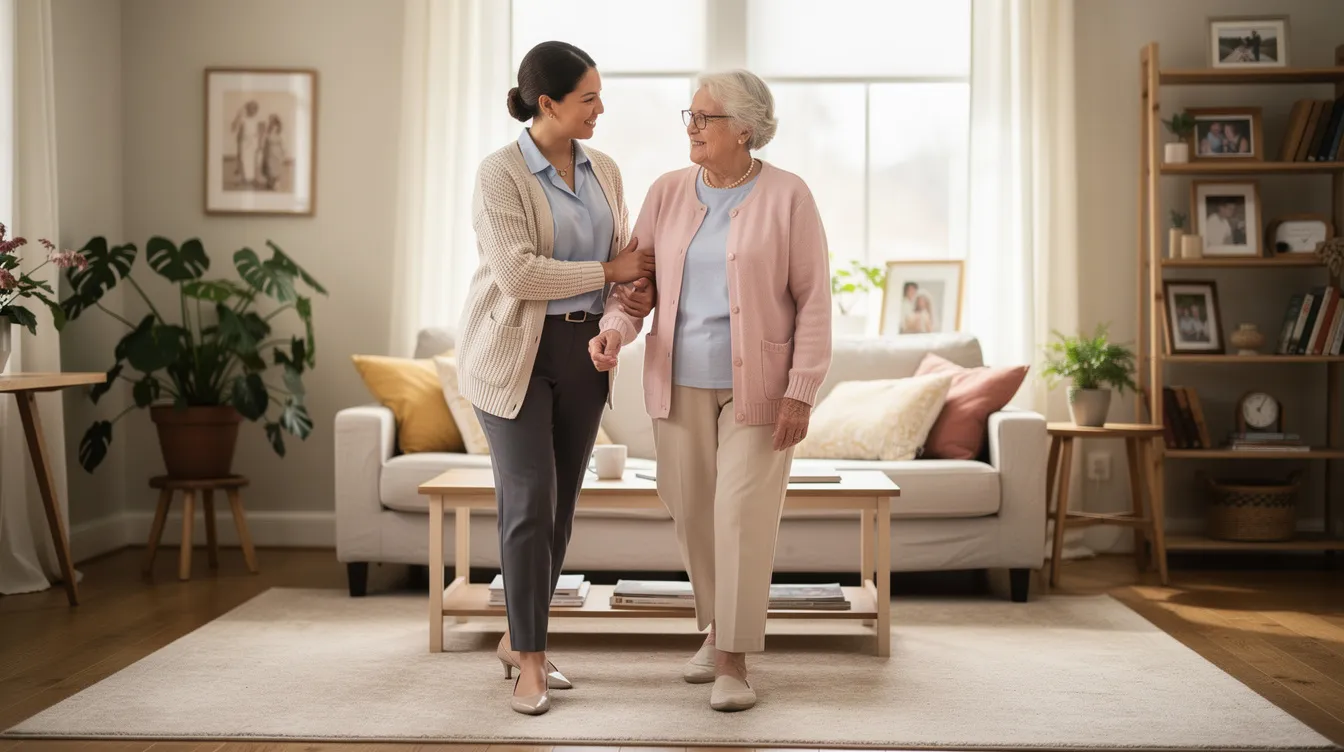
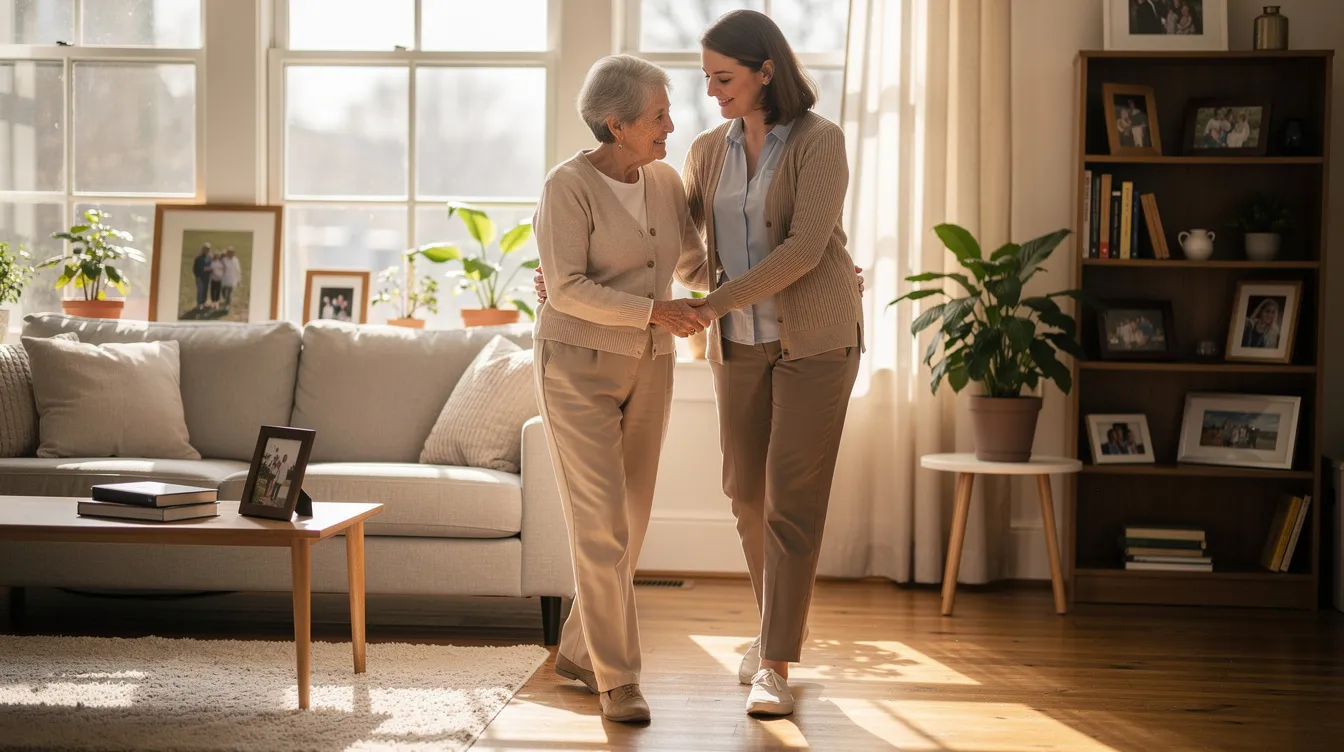
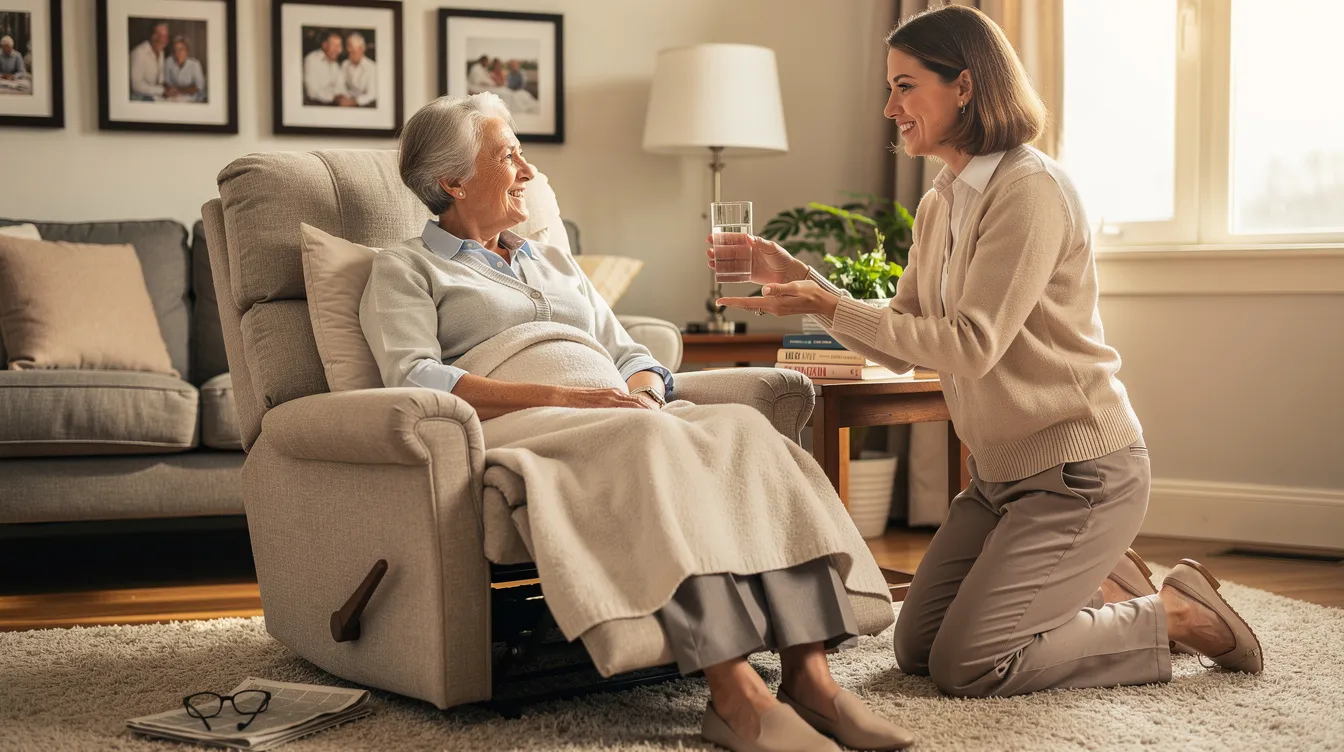
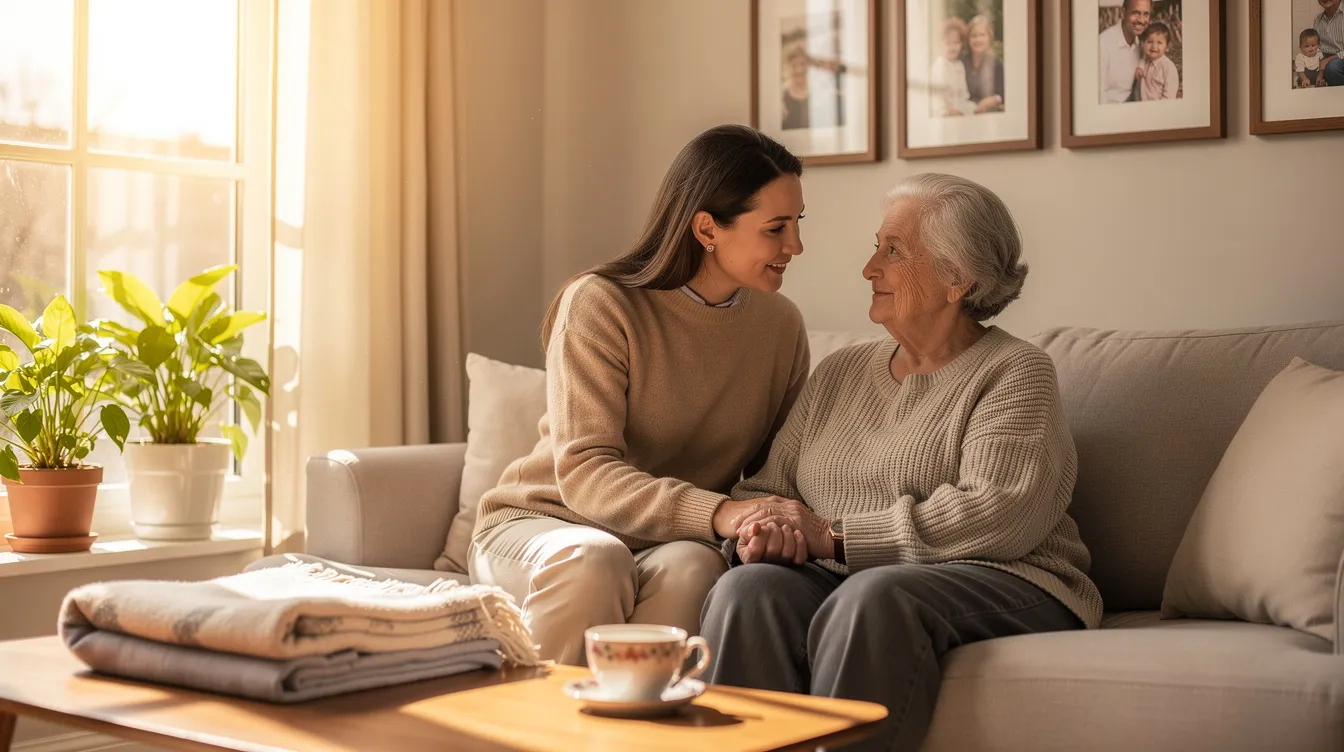
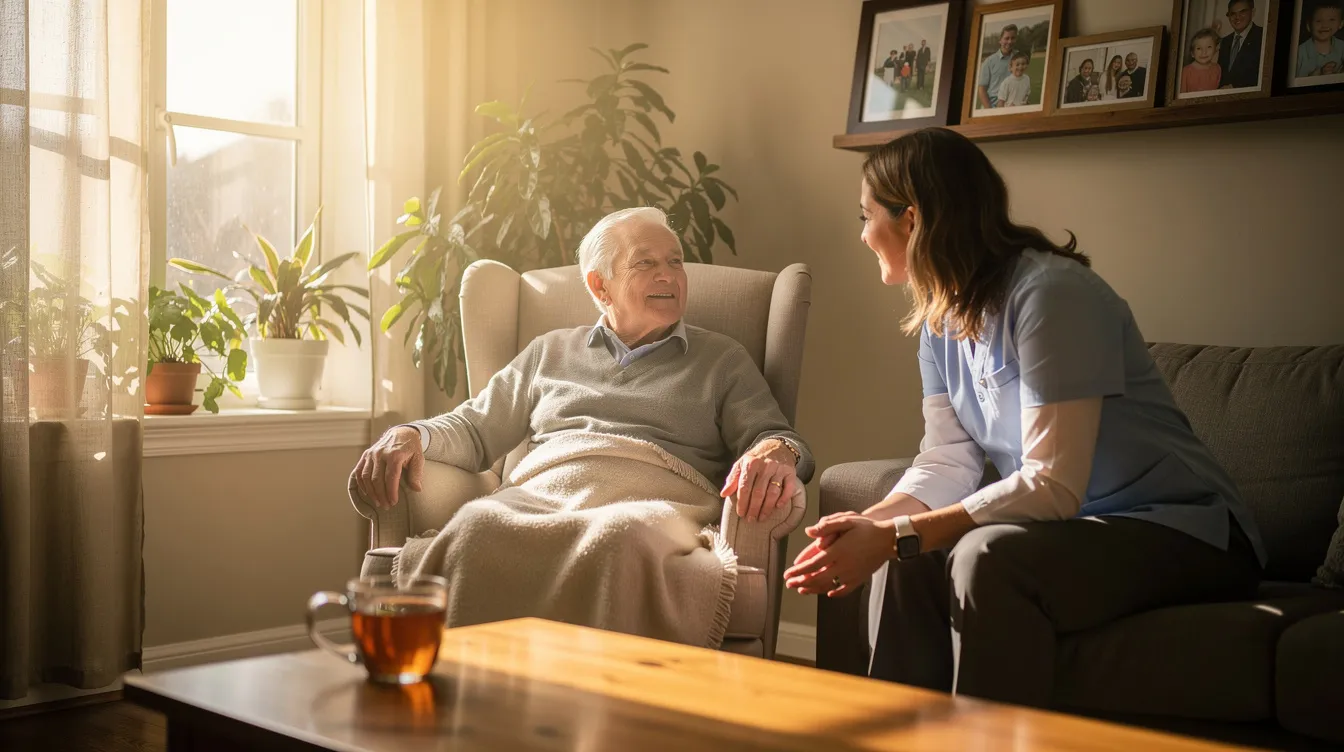
There are many ways to treat hearing loss, but as a caregiver, the best thing you can do is provide companionship. You’ll have to be patient, speak loudly and clearly, and maybe develop new ways of communicating.
BlueDot Cares provides light housekeeping, laundry services, meal preparation, medication reminders, and so much more to help the elderly stay independent while still getting the care they need. BlueDot Cares allows seniors with disabilities to live in their homes safely for longer.
Check Out Companionship Today
Companionship services like what BlueDot Cares provides are beneficial to seniors by providing emotional support and companionship. BlueDot Cares provides non-medical assistance that allows senior citizens to live independently in their homes for longer. BlueDot cares can give peace of mind knowing that the seniors in your life have help when needed. If you have hearing loss, BlueDot Cares is a great alternative to nursing homes or assisted living facilities. We offer an experienced staff, 24/7 availability, satisfaction guarantee, and home safety professionals.
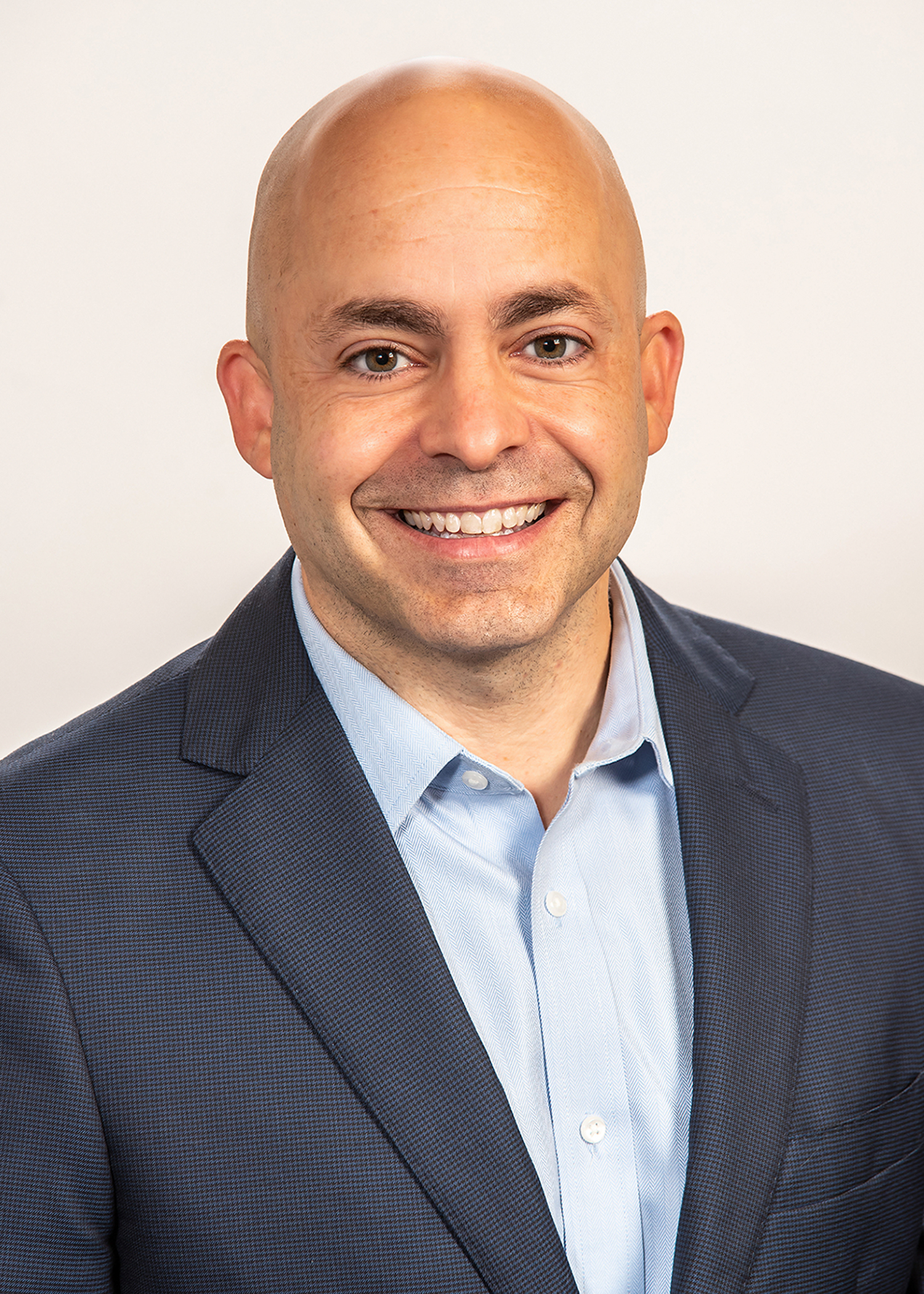
Jimmy Clonaris is Managing Partner at BlueDot Cares, where he oversees operations, caregiver standards, and service delivery for in-home care across the organization. With more than 19 years of experience in healthcare and over a decade with BlueDot, he has been directly involved in building and scaling care programs that support individuals aging at home.
His work focuses on the practical side of care delivery. This includes caregiver training and oversight, care plan consistency, and coordination with families and local healthcare professionals. Jimmy is actively involved in ensuring that care is not only well-structured on paper, but executed reliably in the home.
Over the course of his career, he has worked with thousands of families navigating care decisions, from short-term recovery support to long-term in-home care. His approach is grounded in clear communication, accountability, and building systems that allow caregivers to deliver consistent, high-quality support.
Under his leadership, BlueDot Cares has grown to support tens of thousands of families while maintaining a locally operated, relationship-driven model. He continues to focus on strengthening the team, improving care standards, and ensuring families have a dependable partner when care is needed.