When an aging parent starts needing more help, the decision rarely feels simple. Many adult children in Cincinnati are trying to answer several questions at once: Is home still safe? Would a caregiver be enough? Is assisted living too soon, or is waiting too risky?
This guide is written for families comparing in-home support, assisted living, memory care, and other senior living options across greater Cincinnati. It explains what to expect, what assisted living costs, how neighborhoods differ, and how BlueDot Cares can help you make a clearer, lower-pressure decision.
Choosing Assisted Living in Cincinnati, OH: Start Here
If you are searching for assisted living in Cincinnati, Ohio, you are probably not just looking for a building. You are looking for safety, daily support, better social connection, and a plan that helps your loved one live life with dignity.
In Ohio, assisted living facilities are typically licensed as Residential Care Facilities. These communities provide a supportive environment for older adults who need help with daily living but do not require continuous skilled nursing care. According to guidance from the Ohio Department of Aging, licensed residential care facilities provide a less restrictive and more cost-effective alternative to skilled nursing homes.
In plain language:
|
Option |
Best fit |
Typical support |
|---|---|---|
|
independent living |
Seniors who are active and mostly self-sufficient |
Housing, meals, activities, maintenance-free lifestyle |
|
assisted living |
Seniors who need help with daily routines |
personal care, meals, housekeeping, medication reminders, transportation |
|
memory care |
Seniors with Alzheimer’s disease or dementia |
Secure setting, structured routine, specialized support |
|
nursing home |
Seniors with complex medical needs |
Skilled nursing, medical monitoring, rehabilitation support |
|
In-home care |
Seniors who want to remain at home |
Companion care, respite care, personal care, overnight care, dementia support |
|
Assisted living is not the same as a nursing home. A nursing home provides a higher level of medical care. Assisted living focuses more on assistance with everyday tasks, safety, meals, social life, and quality care in a community setting. |
It is also different from in-home senior care. With in-home care, a caregiver comes to the home and helps with personal care, companionship, errands, light routines, respite, overnight support, or dementia care. For many families, that is the preferred first step because it keeps a loved one in a familiar place with all the comforts of home.
BlueDot Cares provides no-cost senior placement guidance in the greater Cincinnati area, including suburbs like West Chester and North Bend. Our dedicated leadership team helps families compare assisted living communities, schedule tours, review costs, and decide whether a move is truly the right next step.
As a starting point, the median assisted living cost in the Cincinnati area is currently around $5,100–$5,400 per month, though actual rates vary by floor plan, level of personal care, medication management needs, and whether memory care is involved.
The rest of this guide will walk through the types of senior living communities in Cincinnati, daily amenities, assisted living costs, neighborhoods to consider, and how BlueDot Cares helps families choose between aging in place and moving to assisted living.
Is Assisted Living the Right Next Step? (Home Care vs. Assisted Living)
A common situation looks like this: your mother has lived in the same house in Anderson Township for decades, but the stairs are getting harder, meals are less consistent, and you worry every time she showers alone. Or your father in Westwood is still proud of his independence, but he has missed medications, fallen twice, and seems more confused in the evenings.
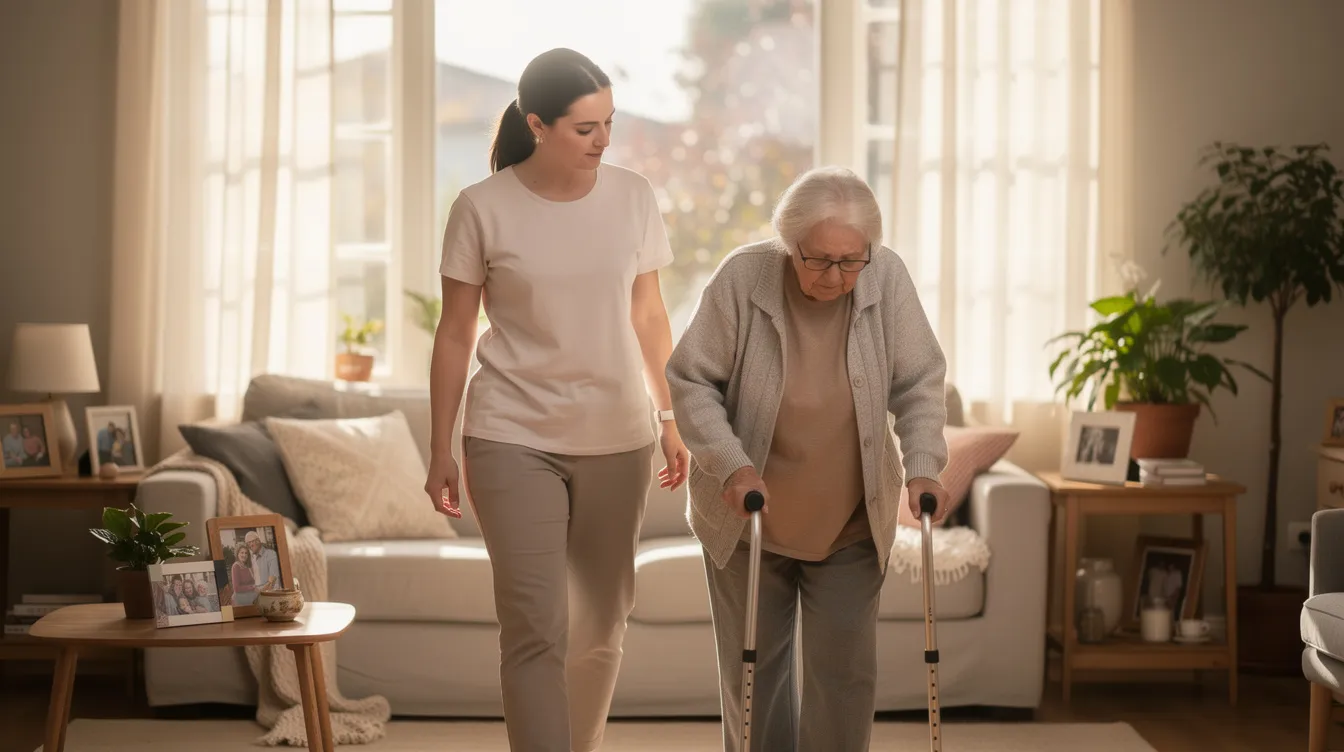
At first, the answer may not be assisted living. In many cases, non-medical in-home care can provide enough support to keep a loved one safe at home longer.
Home care services may include:
personal care, including bathing, dressing, grooming, and hygiene support
Companion care for conversation, meals, errands, and social connection
Respite care so family caregivers can rest or handle other responsibilities
Overnight care or 24-hour care when supervision is needed
Dementia and Alzheimer’s support at home
Help with routines that reduce stress and improve well-being
In-home care is often the preferred first step when a loved one is mostly safe at home but needs more consistency. It can also reduce caregiver burnout for adult children who are managing work, parenting, appointments, and emergencies.
Still, there are times when assisted living communities become the safer option. Signs may include:
Frequent falls or increasing mobility problems
Wandering, exit-seeking, or unsafe behavior related to dementia
Medication routines that have become too complex to manage reliably
A home layout that creates ongoing risk, such as steep stairs or unsafe bathrooms
Caregiver burnout that is affecting the family’s health
Isolation, poor nutrition, or lack of daily structure
A pattern of emergency room visits or hospital stays
This does not mean the family failed. It usually means the care needs have changed.
Families often evaluate whether home care can continue to meet their needs safely. If the home environment is no longer enough, BlueDot Cares helps families compare assisted living, memory care, and other senior living options. Many families use both approaches over time: in-home care first, then assisted living placement when safety or supervision needs increase.
Types of Senior Living Communities in Cincinnati, OH
Cincinnati offers a broad range of senior housing, from independent apartments to specialized dementia care. The right fit depends on your loved one’s health, mobility, cognition, budget, and preferred lifestyle.
Independent living communities
Independent living communities cater to seniors who are generally healthy and active, providing a lifestyle with minimal assistance while offering social activities and amenities. These communities are often a good fit for older adults who want fewer household responsibilities but do not need regular hands-on care.
In Cincinnati, independent living may appeal to seniors who want easy access to cultural areas like Downtown, Over-the-Rhine, Hyde Park, or Oakley. Residents may enjoy social events, dining, transportation, fitness classes, and maintenance-free housing, but they typically do not receive daily personal care unless it is arranged separately.
Assisted living communities
Assisted living communities are the middle option. They provide help with daily living while still encouraging independence. Standard services and amenities in assisted living facilities typically include activities of daily living assistance, medication management, on-site therapy, and emergency response systems.
In many assisted living facilities, residents receive:
Meals and snacks
Housekeeping and laundry
Help with bathing, dressing, toileting, and grooming
Medication reminders or medication administration
Transportation to appointments
Wellness programs and activities
Social programming and community life
Some families also hear the term personal care communities. In Ohio, the licensing language may differ, but the practical question is the same: What care services are provided, what is included in the monthly rate, and what level of assistance can the community safely manage?
Memory care neighborhoods
Memory care is specifically designed for individuals with Alzheimer’s disease or other forms of dementia, offering specialized support and a secure environment. These neighborhoods may be part of a larger assisted living community or located in a separate building.
Memory care typically includes:
Secured entries and monitored exits
Structured daily routines
Staff trained in dementia-related behaviors
Activities designed for cognitive engagement
Higher supervision
Secure outdoor spaces or courtyards
Memory care can be especially important when a loved one wanders, becomes unsafe alone, or needs a calm and predictable routine.
Continuing care retirement communities
Continuing care retirement communities, sometimes called CCRCs or life plan communities, offer multiple levels of care on one campus. Assisted living communities often provide multiple levels of care, including independent living, assisted living, and memory care, allowing residents to transition as their needs change.
Some campuses also include skilled nursing, short-term rehabilitation, and therapy services. This can be helpful for seniors who want to remain in the same place even if their needs increase.
A retirement community may offer independent apartments, assisted living suites, memory care, and rehabilitation under one roof. Families may also come across names or search terms such as lodge retirement community, evergreen retirement community, senior star, or bridgeway pointe while researching local options. BlueDot Cares can help compare any senior living community based on fit, not name recognition alone.
What Daily Life Looks Like in Cincinnati Assisted Living Facilities
A typical day in assisted living may begin with breakfast in a shared dining room, followed by morning exercise, a group activity, a medical appointment, or time outside. In the afternoon, residents may attend music, art, trivia, or a local outing. Evenings might include a movie, a faith service, cards, or a quiet visit with family members.
The best assisted living communities in Cincinnati usually focus on more than care tasks. They try to create a welcoming community where residents can stay engaged and feel known.
Common amenities may include:
Restaurant-style dining
Fitness or wellness centers
Salons and barber services
Libraries and lounges
Outdoor gardens and patios
walking paths
Secure landscaped courtyards
Activity rooms and communal spaces
In some communities, an indoor pool
pet policies, depending on the location
Community amenities in Cincinnati may include gardens, walking paths, and secure landscaped courtyards. Cincinnati communities emphasize physical, intellectual, and social wellness through upscale communal amenities.
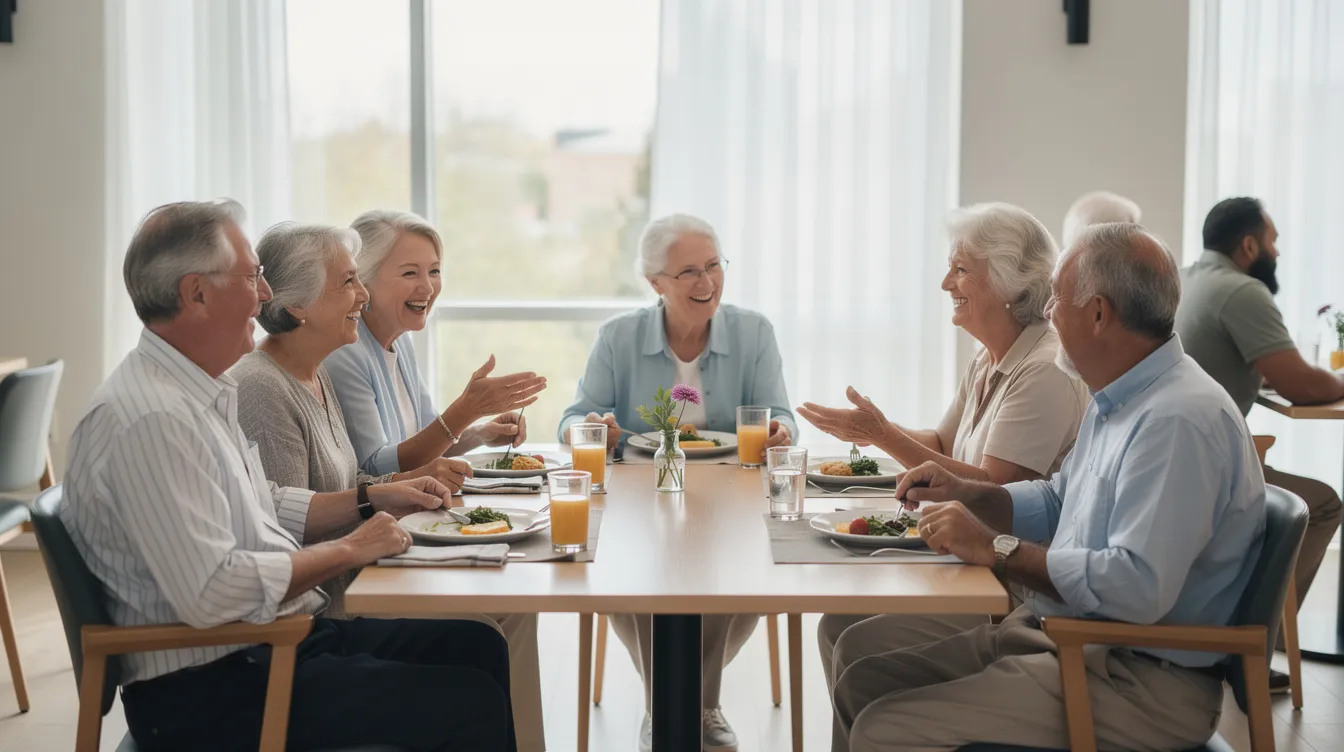
Residents in Cincinnati assisted living communities often enjoy restaurant-style dining with a variety of meal options tailored to individual preferences, including accommodations for dietary needs. For a senior who has been eating alone or skipping meals, great food and consistent dining can make a meaningful difference.
Cincinnati assisted living facilities typically provide communal spaces where seniors can relax, enjoy meals, and participate in community activities, fostering a sense of belonging and engagement. Many assisted living communities in Cincinnati offer a variety of activities for socializing, including movie nights, trivia games, and outings to local attractions and museums.
Local outings may include:
Cincinnati Zoo
Krohn Conservatory
Reds games
Riverfront walks
Museums and seasonal festivals
Church or faith-based events
Shopping and lunch outings
Health care coordination is also part of daily life. Many communities help coordinate appointments with local providers and hospitals such as The Christ Hospital, Bethesda North, UC Health, and TriHealth locations. Some also arrange visits from physicians, nurses, occupational therapists, speech therapists, or physical therapy providers.
For out-of-town family members, many senior living communities in Cincinnati now offer a virtual tour. This can help siblings or relatives in different cities see the layout, ask a few questions, and participate in the decision before anyone signs a contract.
Family review data can also be useful. Cincinnati assisted living communities have an average review score of 8.1 based on 306 family reviews, indicating a high level of satisfaction among residents and their families. In Cincinnati, the average ratings for cleanliness, friendliness, and staff are 3.8, 3.9, and 3.8, respectively, which are above the national averages for these categories. The Cincinnati review score is based on feedback from verified community residents and family members, providing insights into the quality of care and services offered in assisted living communities.
Assisted Living Cost in Cincinnati, OH, and How to Plan for It
Understanding assisted living costs is one of the most important parts of planning. Monthly rates affect not only where a loved one can move but also how long the plan can remain sustainable.
In Cincinnati, the average cost of assisted living is $5,417 per month, which is higher than the national average of $4,775 and Ohio’s statewide average of $4,965. A practical planning range for assisted living in Cincinnati, OH is often about $4,300–$6,800 per month, depending on care level, floor plan, amenities, and location.
Rates usually differ by unit type:
|
Unit type |
General cost pattern |
|---|---|
|
Semi-private suite |
Usually lowest monthly living cost |
|
Studio |
Common entry-level private option |
|
One-bedroom |
More space, higher monthly rate |
|
Two-bedroom |
Highest standard apartment-style rate |
|
Because pricing sources can categorize communities differently, families should always compare written quotes from specific communities rather than relying on a single average. |
Another historical data point shows how quickly pricing can change. Even when different datasets report different baselines, the trend is clear: families should plan for rate increases over time.
What you are usually paying for
Monthly assisted living expenses may include:
Base rent for the apartment or suite
Meal plan
Utilities, depending on the community
Housekeeping
Laundry
Transportation
Activity programming
Emergency response systems
personal care package
medication management
Memory care fees, if needed
Additional service fees for higher levels of assistance
The base rate may look manageable at first, but care levels can change. A resident who only needs reminders today may later need hands-on bathing support, transfer help, incontinence care, or dementia supervision. Those changes can increase the monthly cost.
Ways to pay for assisted living
Cincinnati residents can combine several private and public assistance options, including veterans’ benefits and Ohio’s Medicaid program, to help pay for assisted living.
Common payment sources include:
Social Security income
Pension income
Retirement savings
Sale of a home
Long-term care insurance
VA Aid and Attendance for eligible veterans and surviving spouses
Ohio Medicaid waiver support for eligible residents
Contributions from family members
Families often use a combination of personal income and assets to help pay assisted living expenses, with some members sharing the financial responsibility. It is common for siblings to divide costs, cover move-in expenses, or help with personal items that are not included in the community’s monthly rate.
For veterans, the VA Aid and Attendance benefit may help offset the cost of care for those who qualify.
Ohio’s Medicaid program won’t cover room and board in an assisted living community, but eligible residents can use payments to cover the cost of care services. This distinction matters. Medicaid may help with the care portion, but rent, meals, and housing-related expenses remain the resident’s responsibility.
Ohio’s Assisted Living Waiver is designed for people who meet financial and care eligibility rules and live in a participating licensed residential care facility. Not every community accepts the waiver, and some communities have limited waiver availability. Families can review program basics through the Ohio Medicaid Assisted Living Waiver information.
BlueDot Cares senior placement advisors factor budget, projected care needs, and local cost of living into recommendations. The goal is to help families avoid surprises, compare realistic options, and understand what is included before choosing a community.

Neighborhoods & Surrounding Areas to Consider (Cincinnati, North Bend, West Chester & Beyond)
Location matters more than many families expect. A community may look wonderful, but if it is too far from adult children, church, medical providers, or familiar routines, visits and appointments can become difficult.
For seniors living in Cincinnati proper, the appeal is often access. Communities near Hyde Park, Oakley, Mt. Washington, Downtown, and surrounding neighborhoods may offer easy access to hospitals, specialists, cultural attractions, restaurants, and established senior centers.
For some families, living in Cincinnati means staying close to lifelong neighborhoods and familiar streets. That continuity can reduce stress during a major transition.
Popular suburban options in the Cincinnati area include West Chester, Mason, Fairfield, Blue Ash, Montgomery, and Anderson Township. These areas may offer quieter settings, newer buildings, more parking, and convenient access to shopping and health care. Suburban campuses may also have more outdoor space, larger courtyards, and walking paths.
Riverfront and west side communities, including areas near North Bend, may appeal to seniors who prefer a smaller-town feel while still having access to greater Cincinnati medical care and family visits. Some families in southwestern Ohio prioritize a peaceful environment over walkability, especially when a loved one no longer drives.
When comparing living facilities, consider:
- How long does it take family members to visit
Whether the community provides transportation
Proximity to primary care doctors and specialists
Access to hospitals and pharmacies
Walkability and outdoor safety
Whether there is easy access from major roads
Whether the community feels familiar or isolating
Whether social events match your loved one’s interests
BlueDot Cares placement support helps families balance location, price, care level, and lifestyle. Instead of touring every community on a search results page, families receive a manageable shortlist of living communities in Cincinnati that fit the loved one’s needs.

How BlueDot Cares Supports Families With Cincinnati Senior Placement
BlueDot Cares serves as a local, no-cost senior placement partner for families exploring living communities in Cincinnati. The purpose is not to push one option. It is to help families understand what level of care is needed, what communities can provide it, and what fits the family’s budget, drawing on a structured care placement process that emphasizes continuity, clarity, and adaptability.
A typical placement process includes:
Intake call
We learn what is happening now, what has changed, and what concerns are most urgent.Care-needs assessment
We ask about mobility, falls, memory, bathing, dressing, meals, medication routines, and supervision needs.Budget review
We discuss monthly income, assets, insurance, veterans’ benefits, Medicaid questions, and realistic assisted living expenses.Location discussion
We narrow options by preferred neighborhoods, suburbs, medical providers, and family driving time.Curated community list
We identify assisted living, memory care, independent living, or continuing care options that match the situation.Tour coordination
We help schedule in-person tours or a virtual tour for family members who cannot attend.Follow-up support
We help compare impressions, pricing, care plans, and next steps.
BlueDot Cares helps families understand community pricing, contracts, and care plans. If a community mentions amenities or marketing claims, or an impressive activity calendar, we help families look beyond the brochure and ask whether the care plan truly matches the loved one’s needs.
The best assisted living communities are not always the most expensive or the newest. The best fit is the community that can provide exceptional care, personalized support, safety, and a daily rhythm that feels right for the resident.
If a move does not feel necessary yet, some families choose to explore interim home care options while continuing to monitor safety and changing care needs.
Preparing for Tours: Questions to Ask Assisted Living Communities
Touring multiple senior living communities in Cincinnati is essential. A website can show floor plans and amenities, but a visit shows how the community actually feels.
During a tour, pay attention to:
Cleanliness and overall environment
Staff friendliness
How staff speak to residents
Whether residents appear engaged
Noise level and overall atmosphere
Safety features
Dining room experience
Outdoor access
Whether the environment feels calm, rushed, or understaffed
Ask direct questions. Good communities expect them.
Staffing and safety
What staff coverage is available overnight?
How do residents request help?
What is the emergency response process?
How are falls handled?
What happens if my loved one’s care needs increase?
Care planning
How is the initial care plan created?
How often is the care plan reviewed?
What services are included in the base rate?
What services cost extra?
How is personalized care delivered each day?
Health care coordination
Who manages medications?
How does the community coordinate with physicians?
Are visiting providers available?
Is on-site therapy available?
Can residents receive physical therapy in the community?
Memory care
Is memory care available on campus?
Are doors secured?
How does the team respond to wandering?
What dementia training does staff receive?
What structured activities are offered?
Lifestyle and amenities
What upcoming events are on the calendar?
Are there fitness classes?
Are faith services available?
Are pets allowed?
How does the community connect residents with similar interests?
What transportation is provided?
Costs and contracts
What is the monthly base rate?
What care levels are available?
What triggers a rate increase?
Are there community fees or move-in fees?
How much notice is given before pricing changes?
- Does the community accept Medicaid waivers, residents?
Bringing the same checklist to each tour makes it easier to compare options clearly rather than relying on memory.
When Home Care Is Part of the Decision
Many Cincinnati families want to delay a move and keep a loved one safely at home as long as possible. That goal is understandable. Home carries routines, memories, neighbors, pets, and comfort that no community can fully replace.
In-home care can help make that possible when the risks are manageable. Many families evaluate non-medical home care when a loved one needs help with daily routines but may not be ready for assisted living.
Home care services may include:
personal care and hygiene support
Companion care and conversation
Meal preparation and light household routines
Respite care for family caregivers
Overnight care
24-hour support when appropriate
Dementia care and Alzheimer’s support
- Help maintain routines that support safety and well-being
For adult children, in-home care can reduce the pressure of being constantly on call. It can give families time to rest, work, care for children, and make thoughtful decisions rather than react to every crisis alone.
Families should regularly re-evaluate whether home care continues to provide enough support as care needs change. If a loved one starts falling more often, wandering, needing more daily support, or becoming isolated, it may be time to revisit assisted living or memory care placement.
In-home care and assisted living are not competing choices. They are part of the same care continuum. A family may start with a few hours of help each week, add overnight support later, and eventually transition to a senior living community if the home setting no longer provides enough safety.
That kind of step-by-step plan can help families relax knowing they are not making one permanent decision in a moment of panic.
Next Steps: Talk With a Local Senior Care Advisor
You do not have to decide everything today. If your loved one needs more assistance, the first step can simply be a conversation.
BlueDot Cares helps families in Cincinnati, Ohio, and nearby suburbs compare assisted living, memory care, independent living, and other senior living options. Our senior placement services are offered at no cost, and recommendations are personalized to your loved one, budget, care needs, and preferred part of the Cincinnati area.
Contact BlueDot Cares to schedule a one-on-one consultation, ask questions about assisted living costs, or compare senior living options in the Cincinnati area.
With the right support, life in Cincinnati can become safer, more social, and less stressful, whether your loved one remains at home or moves into assisted living.

Jimmy Clonaris is Managing Partner at BlueDot Cares, where he oversees operations, caregiver standards, and service delivery for in-home care across the organization. With more than 19 years of experience in healthcare and over a decade with BlueDot, he has been directly involved in building and scaling care programs that support individuals aging at home.
His work focuses on the practical side of care delivery. This includes caregiver training and oversight, care plan consistency, and coordination with families and local healthcare professionals. Jimmy is actively involved in ensuring that care is not only well-structured on paper, but executed reliably in the home.
Over the course of his career, he has worked with thousands of families navigating care decisions, from short-term recovery support to long-term in-home care. His approach is grounded in clear communication, accountability, and building systems that allow caregivers to deliver consistent, high-quality support.
Under his leadership, BlueDot Cares has grown to support tens of thousands of families while maintaining a locally operated, relationship-driven model. He continues to focus on strengthening the team, improving care standards, and ensuring families have a dependable partner when care is needed.