Assisted Living in Raleigh, NC: Quick Overview
Assisted living is designed for those needing assistance with Activities of Daily Living such as bathing, dressing, medication reminders, and mobility support. Unlike independent living, which provides housing and social amenities without hands-on personal care, assisted living communities provide personalized care to help seniors maintain independence while receiving support services tailored to their daily needs. Memory care goes further, offering secure environments and specialized programming for residents with Alzheimer’s disease or other forms of memory loss.
Raleigh offers a wide range of senior living and care options, making it a popular destination for retirement living across North Carolina. The Research Triangle’s healthcare infrastructure and temperate climate draw older adults and their families from across the East Coast. Assisted living costs in Raleigh vary based on care needs, apartment type, amenities, and location. Families should request current pricing directly from communities, as rates and fee structures can change over time.
BlueDot Cares is a locally operated in-home care and senior placement resource that helps families compare assisted living facilities, assisted living memory care, and independent living options at no cost. Many families start with in-home care in Raleigh and only transition to living and memory care when safety, medical complexity, or caregiver burnout makes a move the better option.

Independent Living, Assisted Living, and Memory Care in Raleigh
Understanding the differences between these three care levels helps families make informed decisions. Each serves a distinct need, and several nearby cities, such as Cary, Durham, and Wake Forest, expand the options available to Raleigh-area families.
Independent living in Raleigh suits active seniors who want a maintenance-free life with social interaction, fitness classes, recreational activities, and dining but do not need daily hands-on care. These communities typically offer amenities such as fitness centers, dining options, libraries, social activities, and organized outings. Residents can enjoy freedom from many home maintenance responsibilities while staying socially engaged with peers.
Traditional assisted living facilities provide ADL support, medication management, chef-prepared meals, housekeeping, and transportation. Some communities are smaller and more intimate, while others offer a broader range of amenities and services.
Specialized dementia training and structured care approaches are common features of memory care settings, and these units include 24/7 supervision, secured courtyards, and smaller group activities. Memory care certifications are essential for facilities accommodating residents with Alzheimer’s or dementia. Some Raleigh assisted living communities offer a full continuum of independent living, assisted living, and memory care on one campus, while others specialize. The term “assisted living memory care” typically means a facility holds an assisted living license plus operates a dedicated memory care wing.
What Assisted Living Is Like in Raleigh
Raleigh’s appeal to seniors extends well beyond care quality. The Research Triangle region provides easy access to major healthcare systems and educational institutions, while the temperate climate supports an active lifestyle year-round. Greenways, cultural attractions, and educational programs at area universities create an ideal environment for older adults who want to stay engaged.
Raleigh has a mix of large resort-style communities and small residential care homes. Larger apartment-style communities in areas such as North Hills and North Raleigh often offer multiple dining venues, wellness centers, full activity calendars, and beautiful grounds that many families value. Smaller residential care homes are common in suburban neighborhoods and may offer a more intimate residential setting. Some communities also stand out for exceptional amenities that support comfort, convenience, and daily life. In many Raleigh assisted living communities, residents enjoy robust activity calendars designed to encourage social engagement, wellness, and recreation. Families often look for communities that provide responsive staff, personalized care, and meaningful opportunities for social engagement, while helping residents feel comfortable and supported during the transition.
Common services in assisted living include housekeeping and laundry, chef-prepared meals featuring nutritious food, transportation for errands, shopping, and community outings, and personalized assistance with daily tasks. Staff-to-resident ratios are important for ensuring adequate attention to residents, and each community assistant plays a role in maintaining daily routines. Emergency call systems are standard in resident rooms for safety, and many communities now integrate technology like fall detection systems, resident check-in apps, and family communication portals to improve peace of mind for family members.
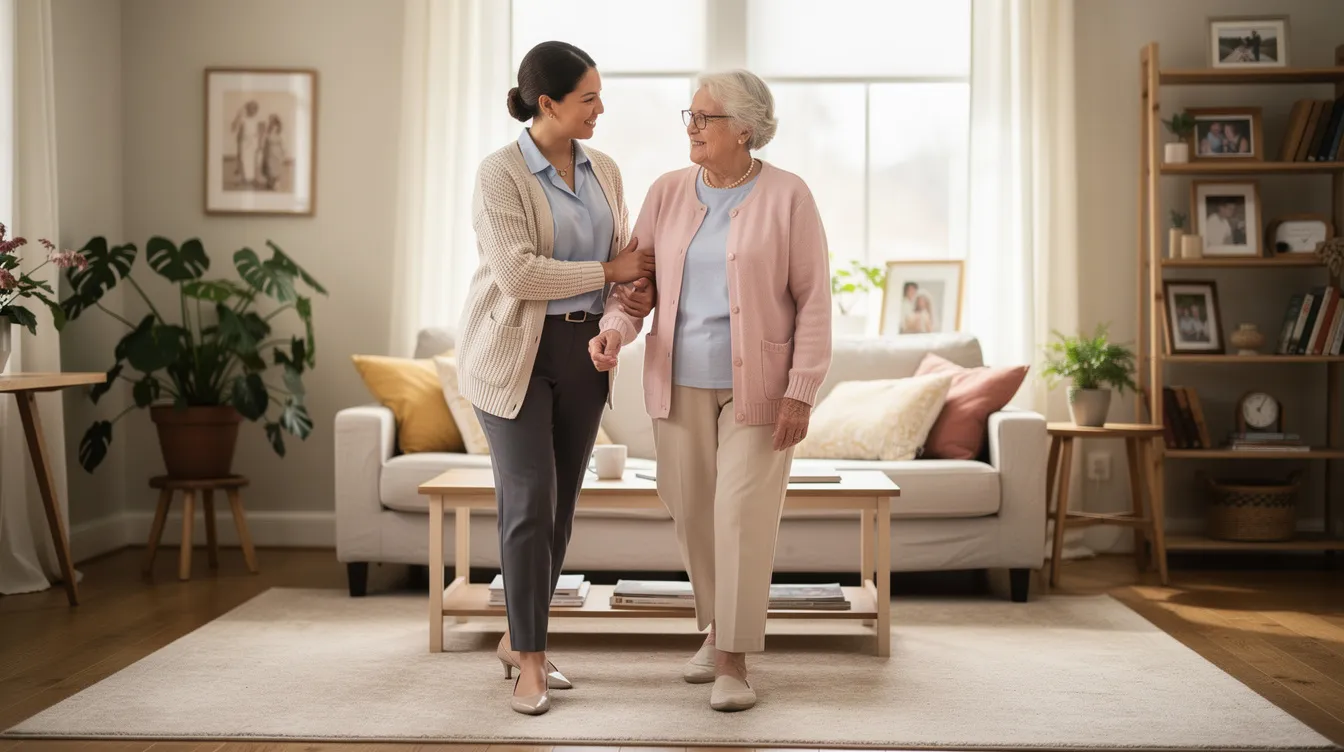
For seniors who prefer to stay home, BlueDot Cares’ in-home caregivers can provide similar support services, including help with daily living tasks, companion care, and respite care, which may allow some seniors to remain at home longer before considering a move.
Costs of Assisted Living in Raleigh and Nearby Cities
A semi-private room, studio, one-bedroom, or two-bedroom apartment each comes at a different price point, and the level of personalized assistance needed also affects the overall cost. Raleigh’s assisted living facilities have an average review score of 8.2, with traditional assisted living facilities having 15 to 50 residents.
Assisted living costs in Raleigh generally range from $4,000 to $7,000 per month, depending on the apartment size, level of care, amenities, and community location. Memory care typically costs more than traditional assisted living because it includes additional supervision, specialized staff training, and enhanced safety features for residents living with Alzheimer’s disease or other forms of dementia. On average, assisted living costs in Raleigh are 12.7% higher than independent living.
Costs can also vary between Raleigh and nearby communities based on local market conditions and the services included. Some communities offer all-inclusive pricing, while others charge separately for higher levels of care or optional services. Base rates often include housing, meals, housekeeping, scheduled activities, and assistance with daily living, while additional fees may apply for increased personal care, specialized memory care programming, transportation, or specialized equipment.

How to Pay for Assisted Living in Raleigh, NC
Most families pay for assisted living through a combination of private funds and public programs. Planning ahead makes a significant difference in the options available.
Common private-pay sources include savings, proceeds from selling a home, retirement accounts, long-term care insurance policies, and social security benefits or pension income. Retirement benefits from employers can also supplement monthly costs.
Depending on individual circumstances, some seniors may qualify for public programs, Veterans Affairs benefits and related support for eligible veterans, or other forms of financial assistance; in Raleigh, Medicaid covers specific health care costs for some seniors and can help offset certain care-related expenses. Some seniors can also receive utility bill assistance through local organizations. North Carolina’s Special Assistance program can pay up to $1,182 monthly for assisted living. Families should review available benefits carefully, since these programs have their own eligibility requirements, before making long-term care decisions.
Other potential resources include life insurance conversions, reverse mortgages for couples where one spouse remains at home, and family cost-sharing agreements.
BlueDot Cares’ senior placement advisors in Raleigh can review a family’s budget, discuss realistic pricing, and help narrow down communities that fit both care needs and finances.
In-Home Care vs. Assisted Living: When to Consider a Move
For many Raleigh seniors, non-medical home care is the first step. It allows them to remain in familiar surroundings while receiving support with daily tasks, companionship, and respite care for overwhelmed family members. This approach works well when safety risks are manageable, medical conditions are stable, and the home can be adapted with grab bars, improved lighting, or ramps.
Signs it may be time to explore assisted living or memory care include frequent falls, medication mismanagement, wandering or unsafe behaviors related to dementia, caregiver burnout, or overnight supervision needs that exceed what family and in-home caregivers can provide. Receiving support at home has limits, and recognizing those limits early protects everyone involved.
BlueDot Cares offers flexible in-home caregiver services throughout Raleigh and nearby communities, scaling from a few hours weekly up to overnight and 24-hour care. When care needs outgrow what is safe at home, BlueDot’s senior placement services help identify appropriate communities, whether assisted living, memory care, or a senior living community with a full continuum, that align with the senior’s history, preferences, and budget.
Neighborhoods and Local Senior Living Hotspots in Raleigh
Raleigh’s neighborhoods offer distinct senior living environments. One of the better-known communities that families may encounter during their search is Brighton Gardens. North Raleigh and Falls River are examples of quiet, residential areas where many seniors enjoy single-family homes and townhomes. Several assisted living communities and residential care homes are located throughout North Raleigh and surrounding neighborhoods, providing families with a variety of care and lifestyle options.
The greater Raleigh area, including nearby cities like Cary, Apex, and Wake Forest, offers additional independent living and assisted living options within a 20–40-minute drive. This geographic spread can be appealing to other families who live in different parts of the metro.
BlueDot Cares helps families weigh commute times, medical provider locations, and neighborhood feel when recommending a retirement community or memory care setting.
Health Services, Safety, and Quality Standards in Raleigh Assisted Living
Assisted living facilities in Raleigh are licensed by the state and must meet applicable North Carolina care and safety standards. State regulators conduct inspections and oversee compliance with licensing requirements to help maintain quality and resident safety. Facilities that fail to meet these standards may be subject to corrective action or other regulatory measures. Families should ask questions about safety practices, staff training, and quality standards when touring assisted living communities.
On-site health services typically include medication management, coordination with primary care physicians, visits from home health or physical therapy providers, and wellness checks. Some campuses also coordinate with skilled nursing providers or hospice teams when needs evolve. These services focus on physical well-being and a holistic approach to daily care rather than hospital-level intervention.
Safety features to evaluate include secured entrances, emergency call systems, staff training for dementia behaviors, fall-prevention programs, and disaster preparedness plans. Memory care units maintain higher staff-to-resident ratios and enhanced security. New residents and their families should ask about these details during every tour.
BlueDot Cares placement advisors help families interpret inspection reports and ask the right safety and quality questions when comparing communities, providing compassionate care guidance through what can feel like an overwhelming process.
Available Senior Support Resources in Raleigh
Many seniors and family members benefit from support services that help them remain independent longer and make future senior care decisions easier to navigate. Understanding what’s available can reduce stress and extend the window before a move becomes necessary.
Transportation assistance can help older adults access medical appointments, grocery stores, pharmacies, and community activities when driving is no longer practical. These services are particularly valuable for seniors maintaining an active lifestyle without relying entirely on family.
Caregiver support resources, including educational information, respite care options, and planning guidance, can help families manage caregiving responsibilities and prepare for future care needs.
Home modifications such as grab bars, wheelchair ramps, improved lighting, and bathroom safety features can help create a safer living environment. Aging-in-place strategies that combine home safety assessments with appropriate support services help seniors remain at home longer, and many families combine these resources with companion care services before considering assisted living.
BlueDot Cares helps families understand available options while providing in-home care and senior placement guidance when additional assistance becomes necessary.
How BlueDot Cares Helps Families Navigate Assisted Living in Raleigh
BlueDot Cares is locally operated in Charlotte and the Triangle, focused on non-medical in-home care and no-cost senior placement services. The team understands Raleigh’s senior living landscape and the unique needs of local families.
The placement process begins with a consultation to understand health status, cognitive needs, budget, and preferred locations-whether near Falls River, downtown Raleigh, or a specific nearby city. From there, the team provides curated recommendations rather than a long, overwhelming list. Advisors schedule tours, prepare families with questions to ask about independent living, assisted living, and memory care, and help compare contracts so there are no surprises about individualized care costs or add-on fees.
Because BlueDot Cares also provides in-home senior care, the team offers balanced advice on whether staying home with caregiver support makes sense versus moving into a senior living community. This dual perspective, home care and placement, means families get honest guidance rather than a push toward one solution.
Next Steps for Raleigh Families
Families in Raleigh, NC, do not have to find assisted living, memory care, or independent living options alone. Whether your loved ones need help now or you’re planning ahead, a clear path forward makes all the difference in their life and yours.
Here’s a simple starting point:
List your loved one’s current needs – daily tasks they struggle with, safety concerns, social needs, and budget parameters.
Schedule a consultation with BlueDot Cares to review in-home care and placement options side by side.
Tour a short list of communities that match care needs, location preferences, and finances.
Starting early, before a crisis, gives families more options and helps seniors transition smoothly into comfortable surroundings-whether they remain at home with support or move to a nearby assisted living facility. Contact BlueDot Cares’ Raleigh office today to begin the conversation.

Jimmy Clonaris is Managing Partner at BlueDot Cares, where he oversees operations, caregiver standards, and service delivery for in-home care across the organization. With more than 19 years of experience in healthcare and over a decade with BlueDot, he has been directly involved in building and scaling care programs that support individuals aging at home.
His work focuses on the practical side of care delivery. This includes caregiver training and oversight, care plan consistency, and coordination with families and local healthcare professionals. Jimmy is actively involved in ensuring that care is not only well-structured on paper, but executed reliably in the home.
Over the course of his career, he has worked with thousands of families navigating care decisions, from short-term recovery support to long-term in-home care. His approach is grounded in clear communication, accountability, and building systems that allow caregivers to deliver consistent, high-quality support.
Under his leadership, BlueDot Cares has grown to support tens of thousands of families while maintaining a locally operated, relationship-driven model. He continues to focus on strengthening the team, improving care standards, and ensuring families have a dependable partner when care is needed.