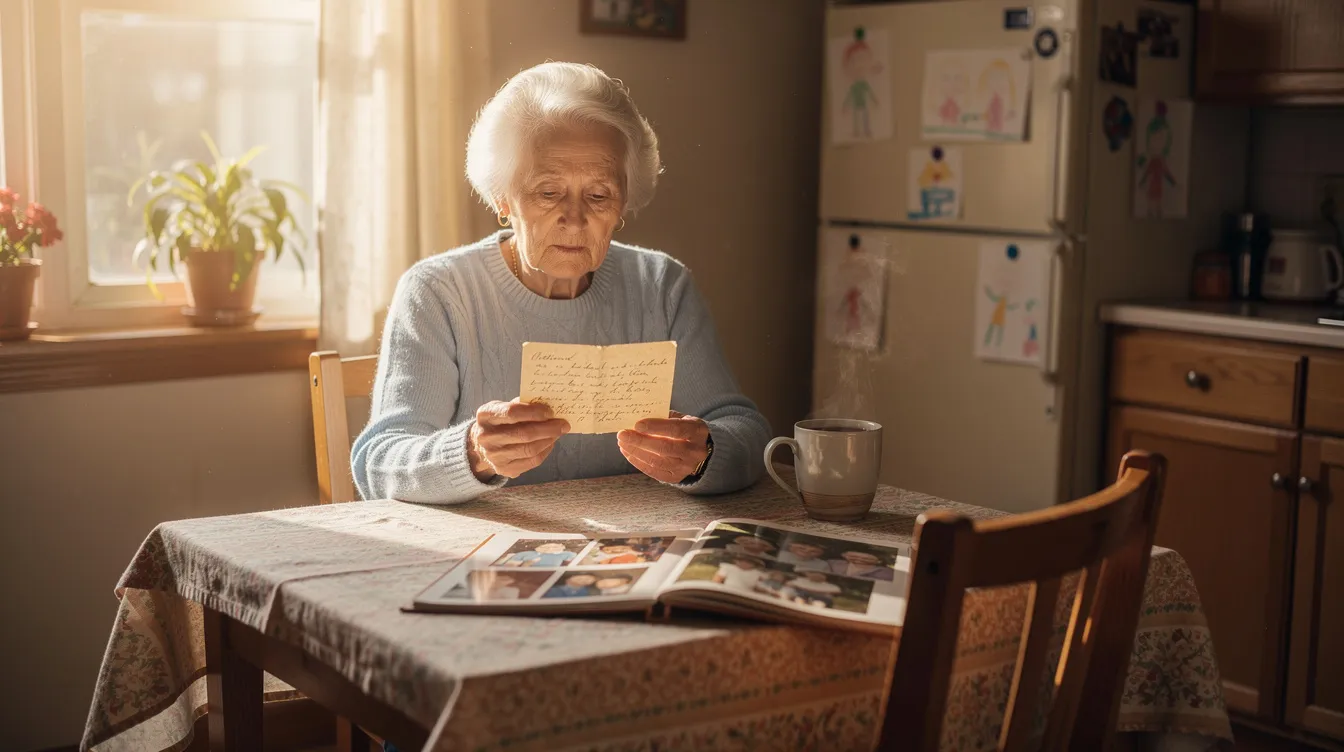
According to research, over 40 million people are in charge of senior care or take care of a chronically ill person or disabled loved one. So, whether you’re caring for someone out of love, obligation, or a sense of duty, the fact is you could be on the road to caregiver burnout, and you may need to do something about it soon.
Caregiver Burnout
There is no question about it. Caring for an elderly family member or a disabled person is a stressful experience. It can cause severe emotional issues, and the emotional upheaval is not taken lightly by psychologists. Burnout is a debilitating psychological condition caused by excessive stress and anxiety over health conditions, financial needs, and more. It is a condition you should take seriously.
Most people who suffer from this type of burnout are already experiencing many of the symptoms before realizing that there’s a problem.
What is Caregiver Burnout?
Caregiver burnout is exhaustion, pure and simple. It usually happens to people who care for someone in need and don’t get any help with the daily tasks or with the financial needs required for caring for people who suffer from chronic health conditions.
What Causes This Burnout?
People in charge of senior care activities are so busy that they often neglect their health, and consequently, they burn out. Here we have listed some of the factors that can lead to this condition.
Role Confusion
When parents become ill, they often turn to their children for help. This new role reversal can cause you to get confused because you’re suddenly acting the role of the parent and have to make the decision regarding another person. The issue is that you did not ask to be in this position. It can be a challenging experience and one that can take some time to become used to.
Unrealistic Expectations
In the case of some diseases like Alzheimer’s, a caregiver can have unrealistic expectations. He may believe that caring for the person will positively affect the health of the sufferer. But in health conditions that are chronic and where there is significant deterioration, there may not be a positive outcome.
Lack of Control
Often, a caregiver feels frustrated by the amount of work, the lack of help, the financial burden, and the lack of skills to care for the loved one, which confuses a feeling of helplessness and stress.
Most caregivers do not recognize that their suffering from burnout, but eventually, they get to a breaking point where they could overreact or have an emotional outburst or reaction. The symptoms of burnout are like those of a person who suffers from depression and stress. They include:
- Inability to do other activities they once enjoyed
- Feeling depressed or sad
- Changes in sleep pattern
- Change in weight or appetite
- Irritability
How to Prevent Caregiver Burnout
If you think you might be experiencing burnout, find someone you can trust. Talk to a therapist, a coach, or even a co-worker, or neighbor. Talk to them about your feelings of frustration, fear, and the inability to do anything.
Accept the inevitable and set realistic goals. Understand that you may need help as a caregiver and turn to others with some of the tasks. Look for organizations that can offer you care services or additional support. Above all, pay attention to your own needs, and don’t get so involved and busy that you forget to do enjoyable things. Set aside some time for yourself. You may even want to talk up to a professional about your feelings.

Jimmy Clonaris is Managing Partner at BlueDot Cares, where he oversees operations, caregiver standards, and service delivery for in-home care across the organization. With more than 19 years of experience in healthcare and over a decade with BlueDot, he has been directly involved in building and scaling care programs that support individuals aging at home.
His work focuses on the practical side of care delivery. This includes caregiver training and oversight, care plan consistency, and coordination with families and local healthcare professionals. Jimmy is actively involved in ensuring that care is not only well-structured on paper, but executed reliably in the home.
Over the course of his career, he has worked with thousands of families navigating care decisions, from short-term recovery support to long-term in-home care. His approach is grounded in clear communication, accountability, and building systems that allow caregivers to deliver consistent, high-quality support.
Under his leadership, BlueDot Cares has grown to support tens of thousands of families while maintaining a locally operated, relationship-driven model. He continues to focus on strengthening the team, improving care standards, and ensuring families have a dependable partner when care is needed.