Although most people are aware of the existence of Alzheimer’s disease (AD), many people are unclear about the effects of the disease and what a diagnosis of AD means to the patient and their family. Sadly, there is a stigma around a diagnosis of AD that makes people hesitant to seek care when symptoms appear. The stigma may be the result of several myths that persist about AD.
When these myths are separated from the facts, people affected by AD can receive care sooner and families can begin making plans for future care, such as hiring elder care providers and determining where the person will live as symptoms become worse. Below are some common Alzheimer’s myths and the truth about them.
Myth: Alzheimer’s Isn’t Fatal
The truth is that Alzheimer’s is a fatal disease. It is, in fact, number six on the list of leading causes of death in the United States. Most people with AD live between 8 and 10 years from the date they are diagnosed. AD can cause malnutrition because patients forget to eat or because they have trouble swallowing. People with AD also have breathing problems, which may cause pneumonia. In addition, some of the behaviors associated with the disease put patients at risk, such as wandering.
Myth: It’s Normal for Elderly People to Have Memory Problems
It’s true that people can have “senior moments” in which they forget things like the name of a new acquaintance or where they put their keys. However, the memory loss that occurs with AD is more serious and becomes progressively worse. People with AD forget the names of people they’ve known for many years, how to do daily tasks, and become disoriented. Eventually, they forget how to talk and eat.
Myth: Only Elderly People Get AD
While most people begin experiencing AD symptoms at age 65 or older, it can also occur in people as young as their 30’s. Because early-onset AD is not as common, the disease often goes undiagnosed for longer.
Myth: A Person with AD Can’t Enjoy Life
People with early stage AD are absolutely capable of living productive, meaningful lives. They can continue doing many of the activities they have always enjoyed, including maintaining strong relationships with family and friends. Even in the late stages of the disease, AD patients can enjoy a quality of life when they receive proper care that focuses on treating them with dignity and as people with needs like everyone else.
Understanding the myths associated with AD and knowing the truth can help ensure a person with AD receives appropriate treatment. Hiring an elder care provider can be of great assistance to families dealing with AD. Elder care providers can ensure your loved one with AD is safe when you cannot be there. They can also help with tasks around the house, prepare meals, assist your loved one with eating, and engage your loved one in activities that will help preserve a high quality of life.
Sources: https://www.alz.org/alzheimers_disease_myths_about_alzheimers.asp
http://www.webmd.com/alzheimers/features/5-alzheimers-disease-myths#1
http://www.mayoclinic.org/diseases-conditions/alzheimers-disease/expert-blog/alzheimers-stigma/bgp-20055844
If you or an aging loved one are considering hiring professional Elder Care Services in Rock Hill SC, please call the caring staff at BlueDot Cares today, (704) 586-9248.
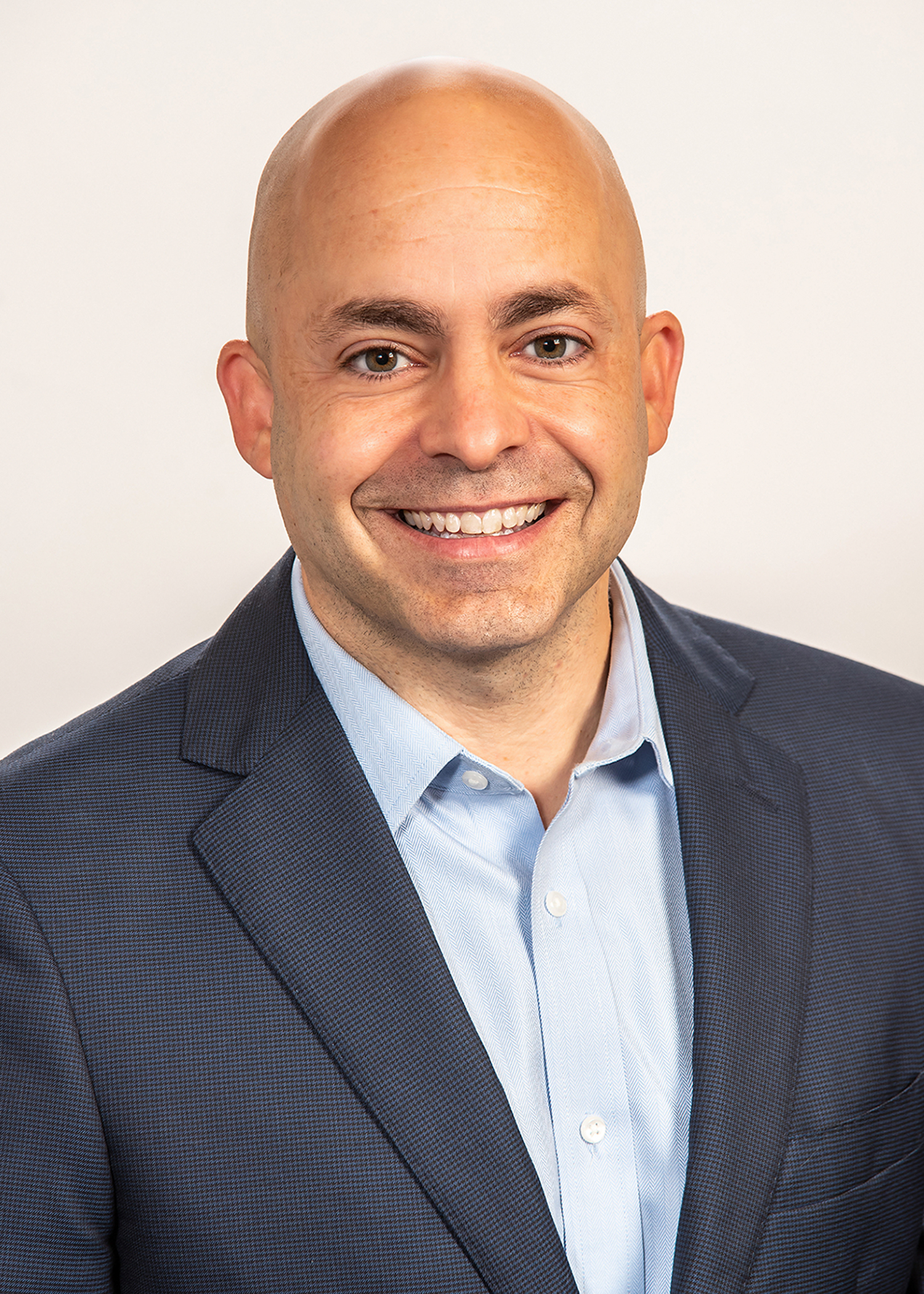
Jimmy Clonaris is Managing Partner at BlueDot Cares, where he oversees operations, caregiver standards, and service delivery for in-home care across the organization. With more than 19 years of experience in healthcare and over a decade with BlueDot, he has been directly involved in building and scaling care programs that support individuals aging at home.
His work focuses on the practical side of care delivery. This includes caregiver training and oversight, care plan consistency, and coordination with families and local healthcare professionals. Jimmy is actively involved in ensuring that care is not only well-structured on paper, but executed reliably in the home.
Over the course of his career, he has worked with thousands of families navigating care decisions, from short-term recovery support to long-term in-home care. His approach is grounded in clear communication, accountability, and building systems that allow caregivers to deliver consistent, high-quality support.
Under his leadership, BlueDot Cares has grown to support tens of thousands of families while maintaining a locally operated, relationship-driven model. He continues to focus on strengthening the team, improving care standards, and ensuring families have a dependable partner when care is needed.