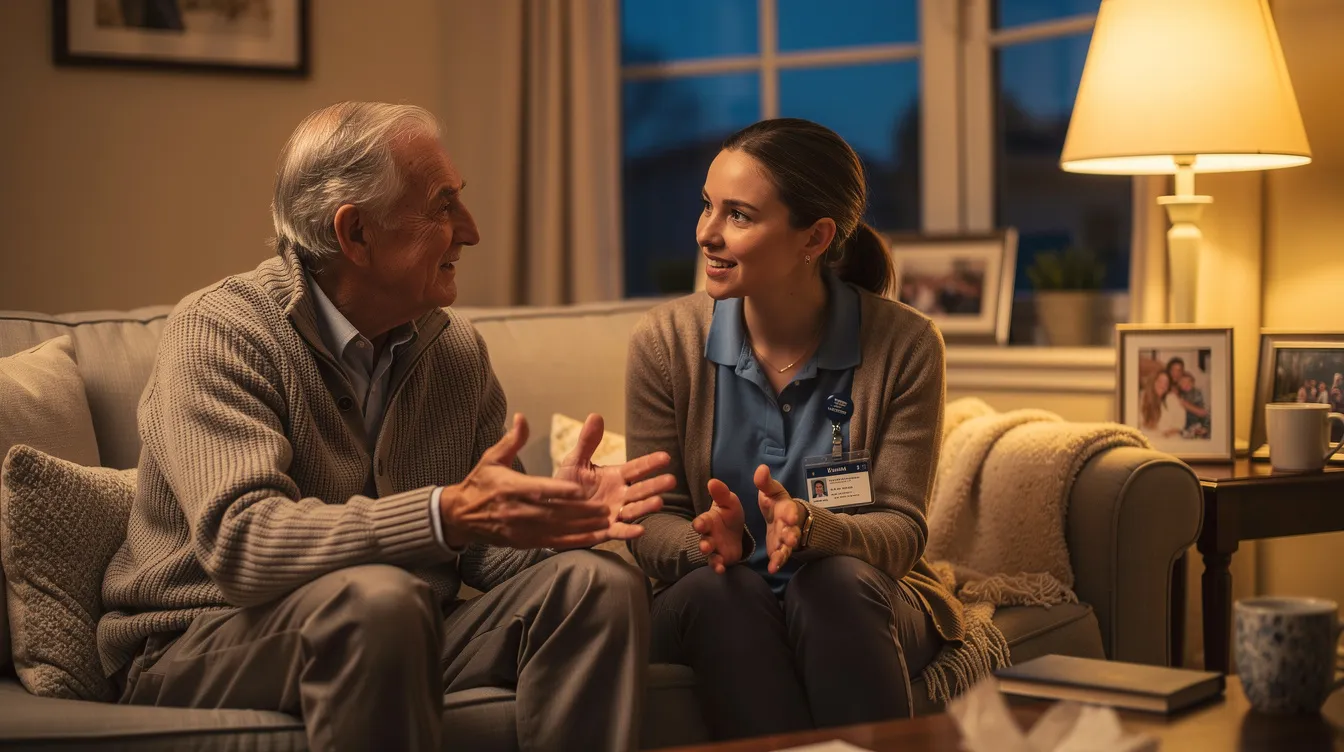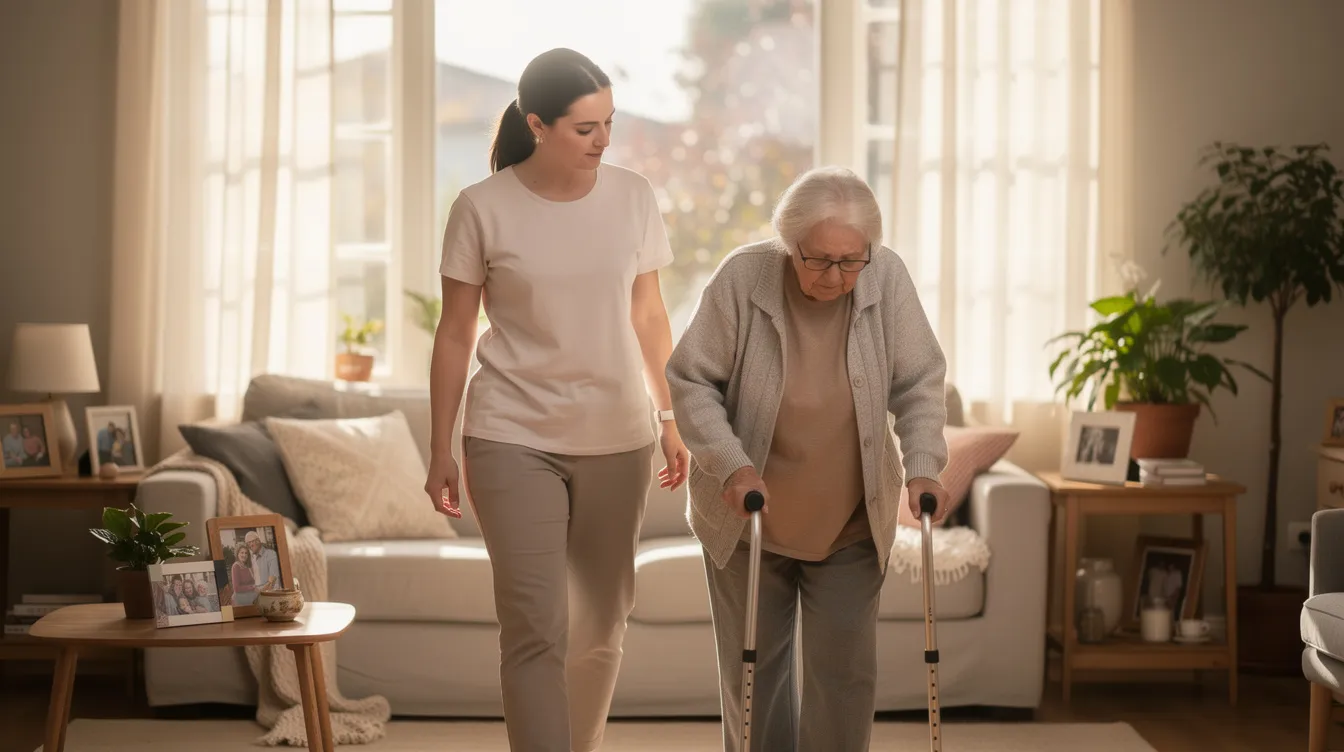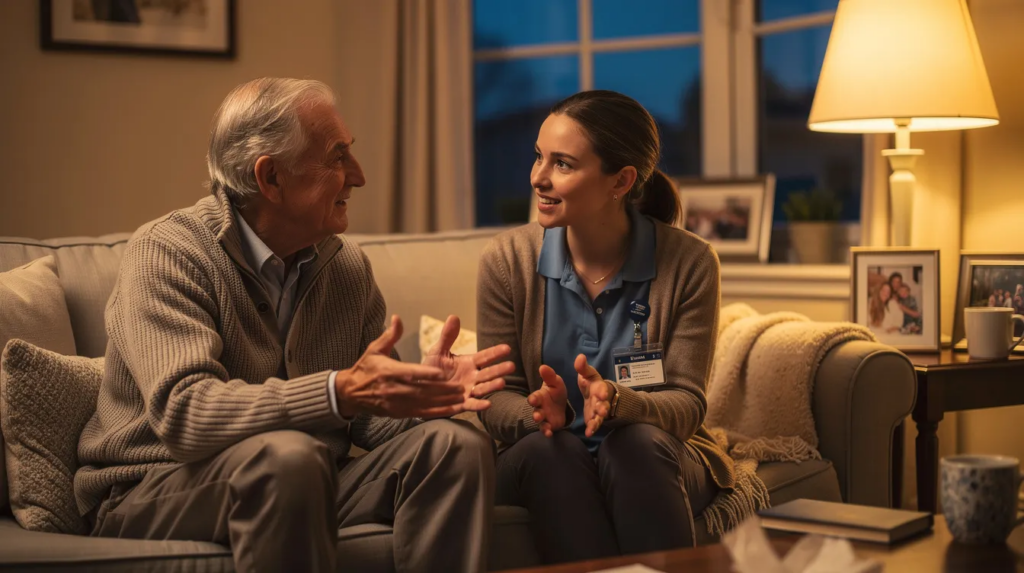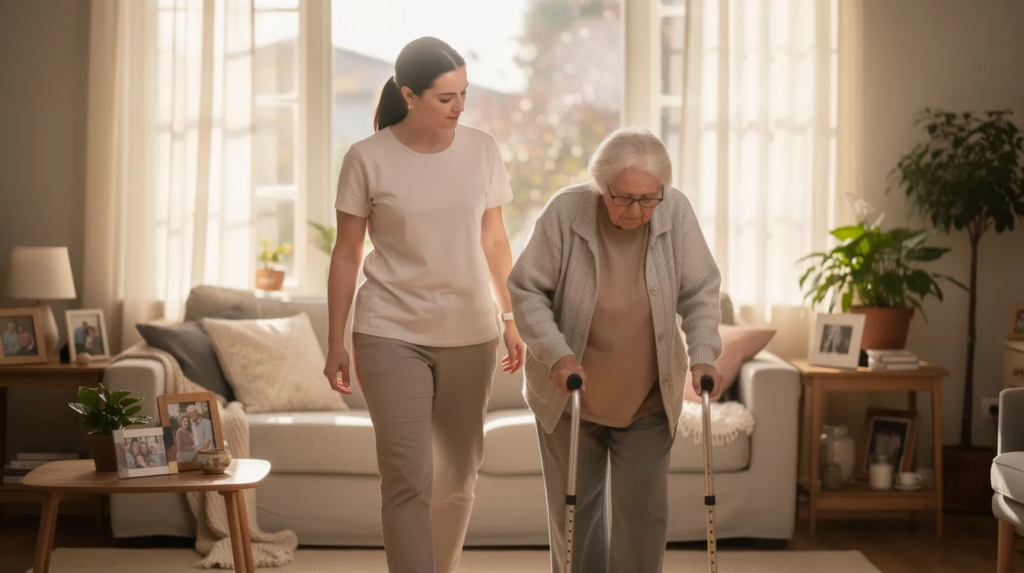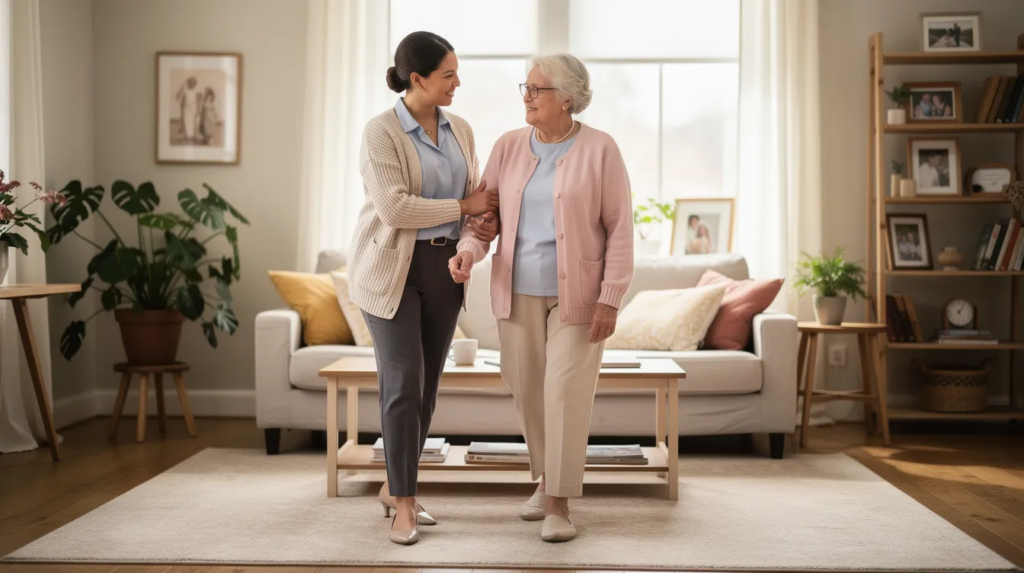
Melissa is her elderly mother’s family caregiver and it’s taken some adjusting and compromise for them both. One of the battles Melissa faces with her mother happens to be with bathing and washing her hair. Her mother resists it constantly and gets extremely upset whenever Melissa suggests it. Her personal hygiene is suffering and Melissa doesn’t know what to do to inspire changes. She noticed that her mother’s home care assistant didn’t have nearly as many problems and asked for advice.
When it comes to caring for an aging parent, you must learn a lot of new things at once to keep them healthy, happy and safe. One of the first daily tasks that you usually get involved in is personal care and grooming. This usually means helping with baths or showers as well as washing their hair. If you haven’t done it before, it can be overwhelming and uncomfortable for both you and your elderly loved one.
The good news is that you can implement some of the techniques and strategies that home care assistants use in helping out their patients. If your elderly loved one is resisting you when it comes to washing their hair and bathing, try some or all of these tips:
Get Everything Set Up Beforehand
There’s nothing worse than rushing around looking for things while your aging relative is sitting there cold, wet and undressed in the bathroom. You can make the experience nice and fast by spending a few minutes prepping before you start. Gather all the shampoo, washcloths, towels, robes and more. Start the water and get it to the right temperature. Bring in a space heater to take the chill off the tiles and porcelain. Only when you are ready, invite your elderly relative in.
Make Everything Safe
Many seniors are afraid of slipping and falling in the bathtub, shower or on the floor. You can help them avoid this fate by installing grab bars and handles in the shower or near the tub. Be sure to put down no-slip rugs on the floor and get a very sturdy shower chair or bath chair for them.
Let Them Do What They Can
Elderly people usually hate the fact that they need help with bathing and washing their hair because it reminds them that they are aging and can’t do the simple tasks they once could. You should let them do as much as they can on their own, even if they are slow. Examples include testing the water temperature, pouring shampoo, lathering their own hair, holding the handheld shower head and more.
No matter how hard your aging relative resists you about bathing and washing their hair, they cannot be allowed to forego it for long. Experts agree that elderly adults need to bathe and wash their hair at least once per week. You need to step in and ensure they do it regularly so they can stay healthy and clean. By borrowing some of the techniques that home care assistants use, you can make this time much less traumatic and uncomfortable for them.
If you or an aging loved one are considering hiring professional Home Care Services in Gastonia NC, please call the caring staff at BlueDot Cares today, (704) 586-9248.
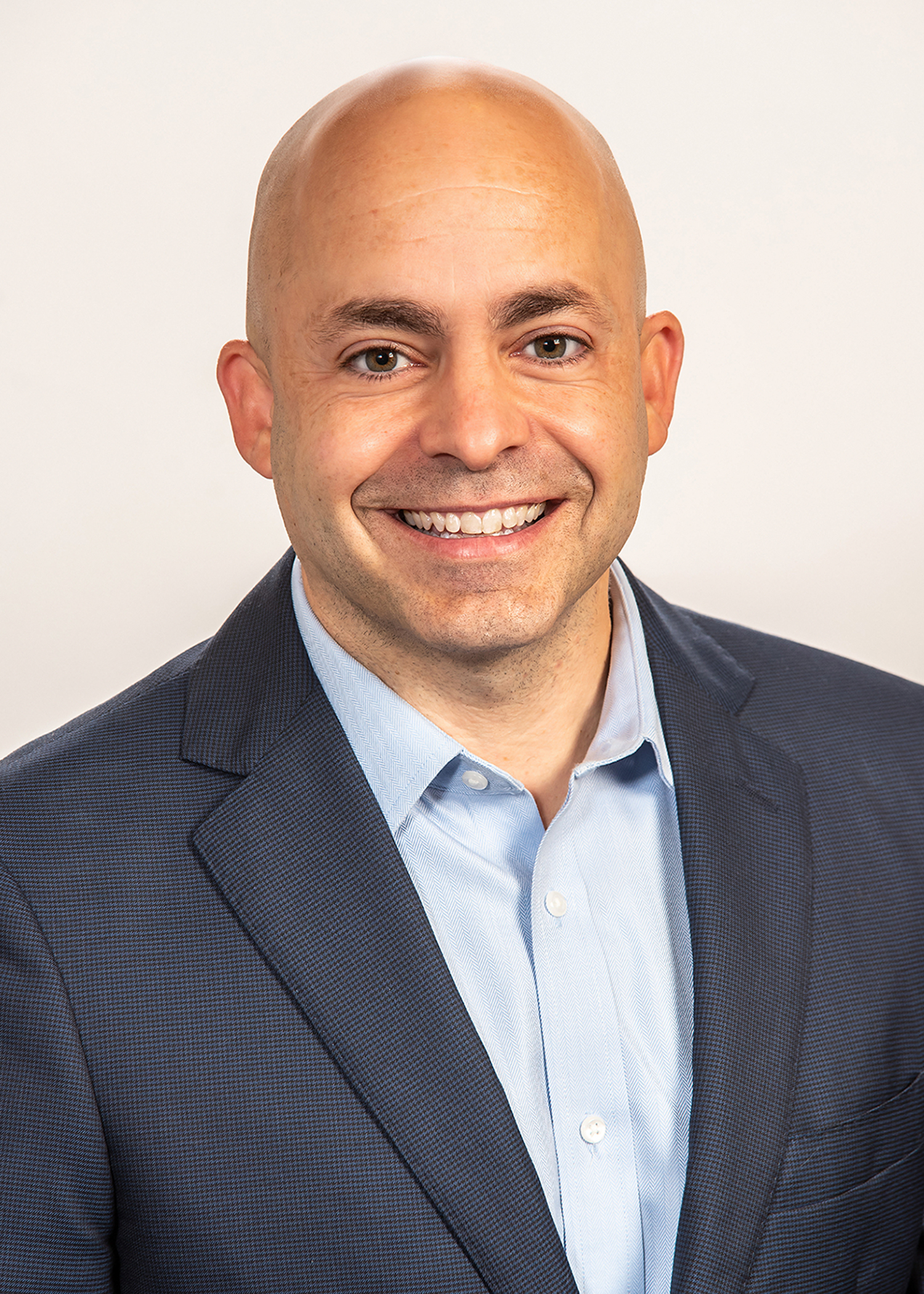
Jimmy Clonaris is Managing Partner at BlueDot Cares, where he oversees operations, caregiver standards, and service delivery for in-home care across the organization. With more than 19 years of experience in healthcare and over a decade with BlueDot, he has been directly involved in building and scaling care programs that support individuals aging at home.
His work focuses on the practical side of care delivery. This includes caregiver training and oversight, care plan consistency, and coordination with families and local healthcare professionals. Jimmy is actively involved in ensuring that care is not only well-structured on paper, but executed reliably in the home.
Over the course of his career, he has worked with thousands of families navigating care decisions, from short-term recovery support to long-term in-home care. His approach is grounded in clear communication, accountability, and building systems that allow caregivers to deliver consistent, high-quality support.
Under his leadership, BlueDot Cares has grown to support tens of thousands of families while maintaining a locally operated, relationship-driven model. He continues to focus on strengthening the team, improving care standards, and ensuring families have a dependable partner when care is needed.