Choosing care for a loved one can feel urgent, emotional, and confusing. BlueDot Cares helps families in Charlotte, Durham/Chapel Hill, and Raleigh understand home care health services, compare options, and build support that protects safety, dignity, and daily life at home.
Understanding Home Care vs. Home Health Care
Home care is generally divided into three major categories based on medical needs, daily assistance, and specialized conditions. Homecare health services are medical and non-medical support solutions delivered directly to a patient’s residence to assist with injury recovery, illness management, or chronic conditions.
The primary difference between home care and home health care is that home care provides non-medical support, while home health care focuses on medically necessary services. Home care services can be categorized into Medical Home Health Care, which is clinical and doctor-prescribed, and Non-Medical Personal Care, which assists with daily living activities.
BlueDot Cares provides non-medical home care health services, not skilled nursing. We assist with bathing, dressing, meal preparation, laundry, transportation, companionship, medication reminders, and daily tasks in their own home. By contrast, skilled nursing involves clinical care administered by registered or licensed nurses, including wound management, IV therapy, injections, and vital sign monitoring. Physical & Occupational Therapy includes targeted exercise routines to rebuild strength, improve mobility, and teach adaptive strategies for safe movement. Speech-Language Pathology consists of specialized treatments to restore speech clarity, cognitive communication, or safe swallowing mechanics. Families often combine home care with home health services after Atrium Health or UNC Health discharge. Home care can usually start without a doctor’s order; home health care services usually require one.
Who Benefits from Home Care Health Services?
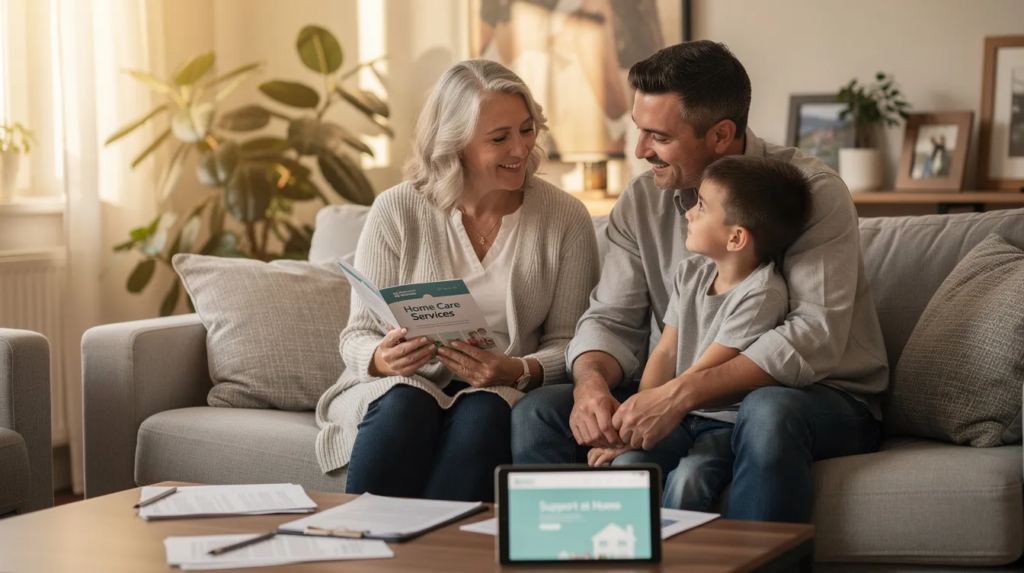
Eligibility for home care is generally broader, as any senior can benefit from companionship and assistance, while home health care is typically for those requiring regular medical assistance. Home care promotes healing in familiar surroundings, allowing individuals to recover and maintain function comfortably at home.
Typical families include:
A daughter in SouthPark supporting early Alzheimer’s.
A son in Cary is helping after hip surgery.
A couple in North Raleigh is aging together.
A senior in Matthews is unable to manage routines alone.
In-home care can provide a familiar and comfortable environment for seniors, which may reduce feelings of loneliness and isolation, contributing positively to mental and emotional health.
Non-Medical Home Care Services from BlueDot Cares
BlueDot Cares is a locally owned provider of in-home care in Charlotte and the Triangle. Our services include personal care, companion care, respite care, overnight and 24-hour care, and dementia support.
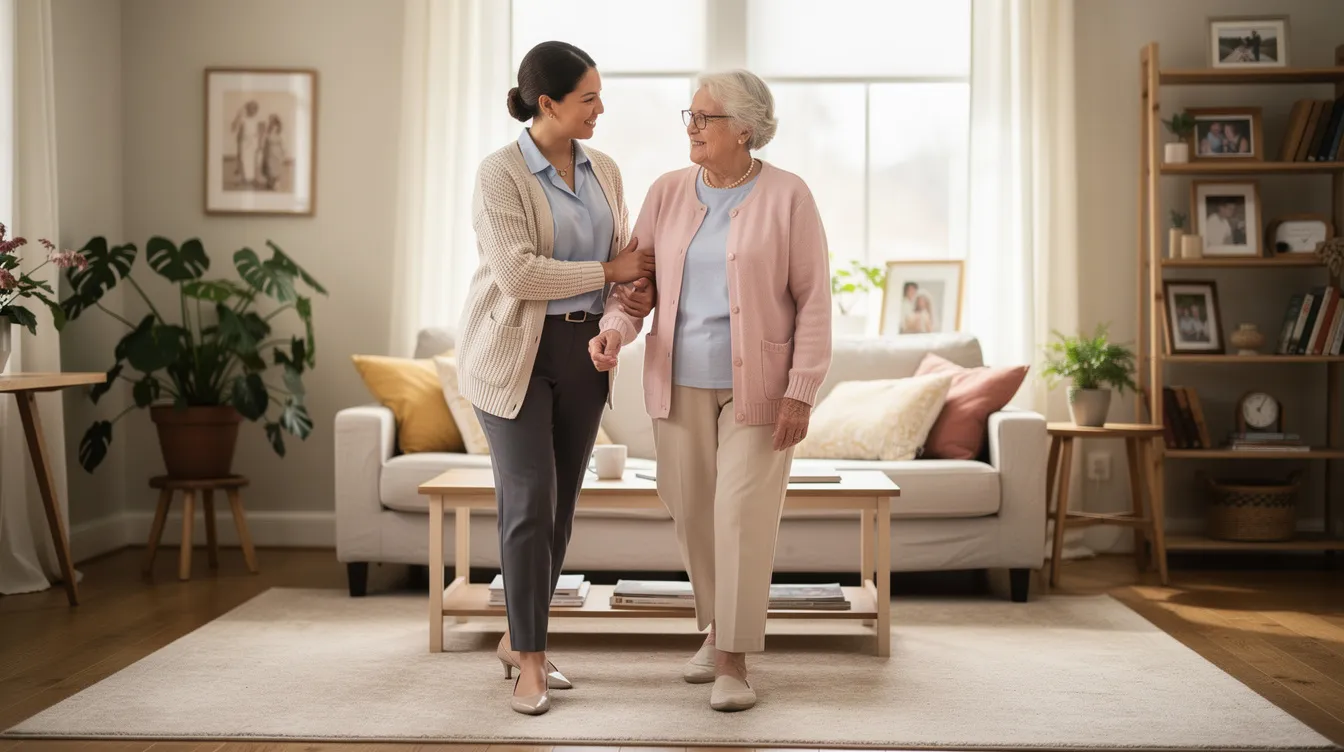
A caregiver may help with a morning visit, breakfast, medicine reminders, light housekeeping, a walk, or an appointment. Care can begin a few hours per week and grow as needs, budget, and other factors change.
Personal Care and Hygiene Support
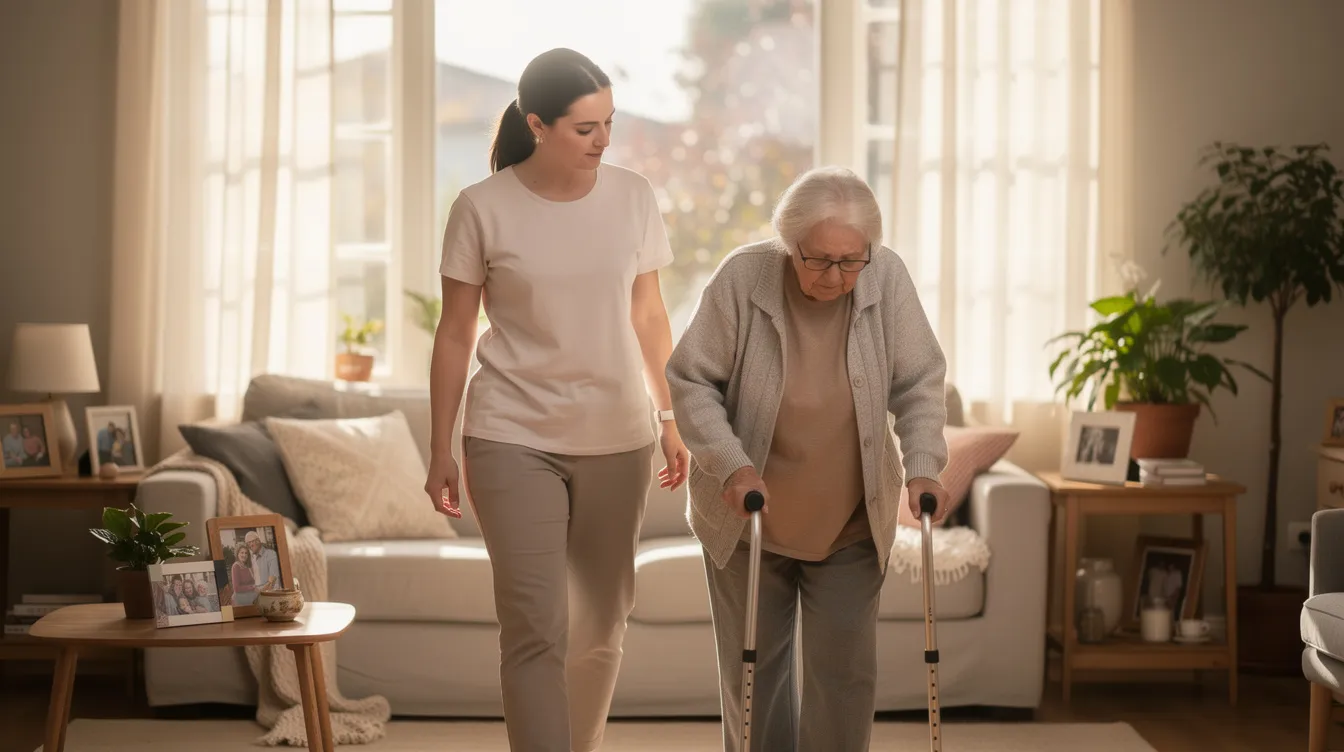
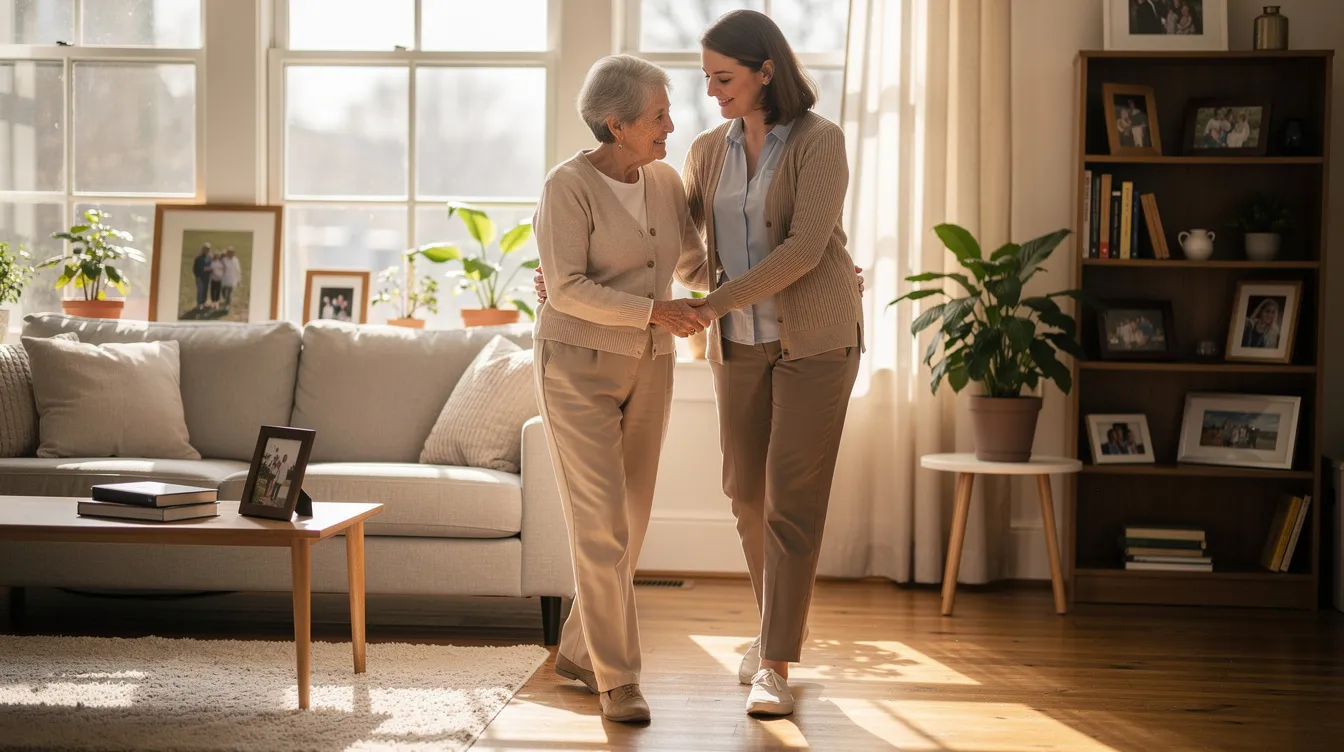
Personal care is intimate, so trust matters. Caregivers assist with bathing, showers, grooming, oral care, toileting, incontinence, dressing, eating, and safe transfers.
In-home caregivers can help maintain a patient’s independence by providing support with activities of daily living (ADLs) such as bathing, dressing, and eating, which can be particularly beneficial for seniors with mobility limitations or cognitive impairments.
Companion Care and Homemaker Services
Non-medical home care services include companionship, homemaker services, personal care, and assistance with activities of daily living (ADLs) such as bathing and dressing.
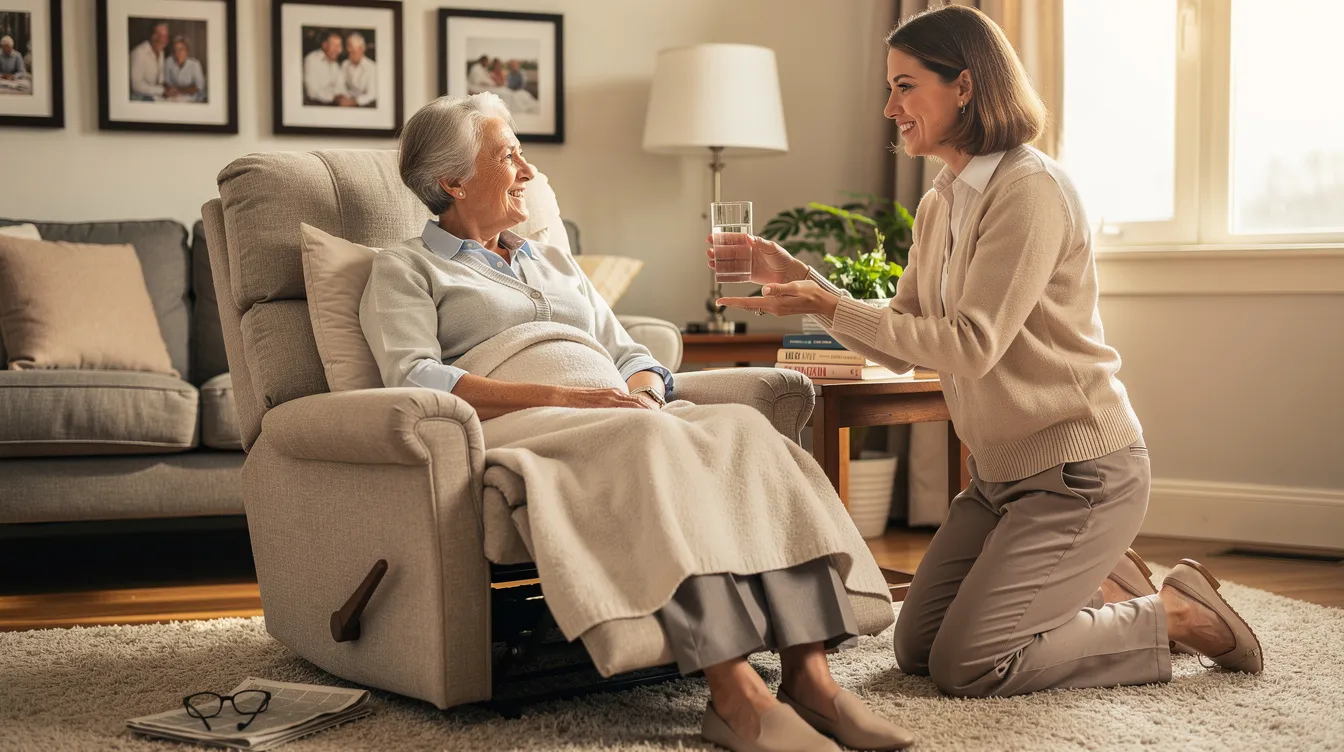
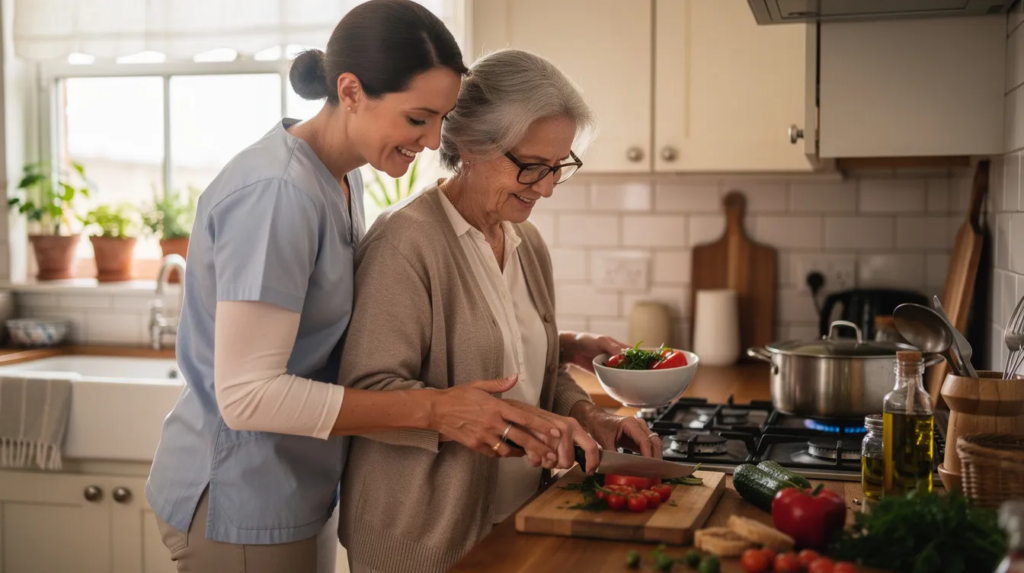
Companionship may mean coffee, cards, church rides, senior center visits, or neighborhood walks. Homemaker help includes dishes, linen changes, laundry, meal planning, and cooking tailored to the diet.
Respite Care for Family Caregivers
Respite care gives family caregivers time to rest, work, travel, or simply breathe. A Ballantyne son may need travel coverage; a North Raleigh spouse may need weekly relief.
Hiring an in-home caregiver can alleviate caregiver burnout by allowing family members to share the responsibilities of care, enabling them to spend quality time with their loved ones instead of focusing solely on caregiving tasks.
Overnight and 24-Hour In-Home Care
Overnight care may include an awake caregiver or sleeper support. 24-hour home care uses multiple caregivers for continuous coverage.
This can help seniors who wander with Alzheimer’s, face fall risks after hospital discharge, or need reminders around oxygen, medical equipment, or scheduled medications. Night care may prevent a rushed move.
Dementia and Alzheimer’s Home Care
Homecare services target specific medical conditions or end-of-life needs, such as Dementia and Alzheimer’s Care or Hospice and Palliative Care. Dementia care uses routines, redirection, cueing, supervision, and meaningful activities tied to the person’s life.
For example, a Raleigh client in 2025 with mid-stage dementia stayed safer at home through consistent caregivers, evening routines, and family guidance.
Locally Owned, Compassionate Care in Charlotte and the Triangle
BlueDot Cares is a locally owned and operated agency, not a distant chain. We serve Charlotte, Durham/Chapel Hill, and Raleigh communities, including SouthPark, Huntersville, Matthews, Ballantyne, Durham, Chapel Hill, North Raleigh, Cary, and Apex.
Local knowledge helps our team coordinate faster after rehab, hospital, or health care changes. Families receive compassionate care through in-person visits, check-ins, and practical notes.
Caregiver Selection, Training, and Consistency
Caregivers are screened through background checks, reference checks, interviews, and skills review. Training covers personal care, dementia support, safety, privacy, and communication.
We match caregivers to personality, routines, faith, or cultural preferences when possible, with backups for illness or emergencies.
Flexible Scheduling and Custom Care Plans
Selecting the best care model for seniors involves assessing physical, medical, emotional, and safety needs. During the first visit, we review mobility, memory, risks, family goals, and the plan.
Schedules can cover weekends, holidays, short-notice starts, or daily support.
Costs, Payment Options, and What Insurance Covers
The cost of non-medical home care is generally lower than home health care, with the national median cost for home care in 2026 in the low to mid-$30s per hour, though this can vary by location and specific needs.
Families may pay privately, use long-term care insurance, Veterans benefits, Medicaid, or government programs. Medicare typically covers short-term home health care ordered by a doctor, but rarely covers long-term, non-medical personal care. Traditional Medicare and health insurance may cover clinical home health, but not ongoing companionship. See Medicare home health coverage and NC home care agency guidance.
Maximizing Value with the Right Level of Care
Home care aides can provide essential support for seniors, helping them maintain independence and stay in their homes longer by assisting with daily tasks and providing companionship.
BlueDot Cares can provide cost-effective care services by focusing on high-risk times first: mornings, evenings, bathing, meals, or overnight safety.
When Home Care Isn’t Enough: Senior Placement Support
Transitioning from home care to assisted living may be necessary when a senior’s needs exceed what can be provided at home, particularly if they require more intensive medical care or supervision.
Signs that it may be time to consider assisted living include increased difficulty with daily activities, frequent falls, or a decline in health that requires more support than in-home care can provide. Families should evaluate the level of care needed, the senior’s safety, and their ability to manage daily living activities when deciding whether to transition to assisted living.
BlueDot Cares also offers senior placement services, especially near Cleveland, Ohio, at no cost to the family.
How the Placement Process Works
Placement includes a phone consultation, needs assessment, community shortlist, guided tours, and decision support for assisted living, memory care, or independent living.
We advise; we do not push one community or company. Caregiver support includes strategies to relieve family caregiver burnout by delegating complex clinical duties to professionals.

How to Get Started with Home Care Health Services
Start with a call, home assessment, personalized care plan, caregiver match, and first day of service.
Call if you notice falls, missed medications, weight loss, exhaustion, recent hospitalization, or reduced ability to maintain daily living. The right support can help your loved one stay independent while giving your family a steadier footing.
Contact BlueDot Cares for a no-obligation consultation in Charlotte or The Triangle.
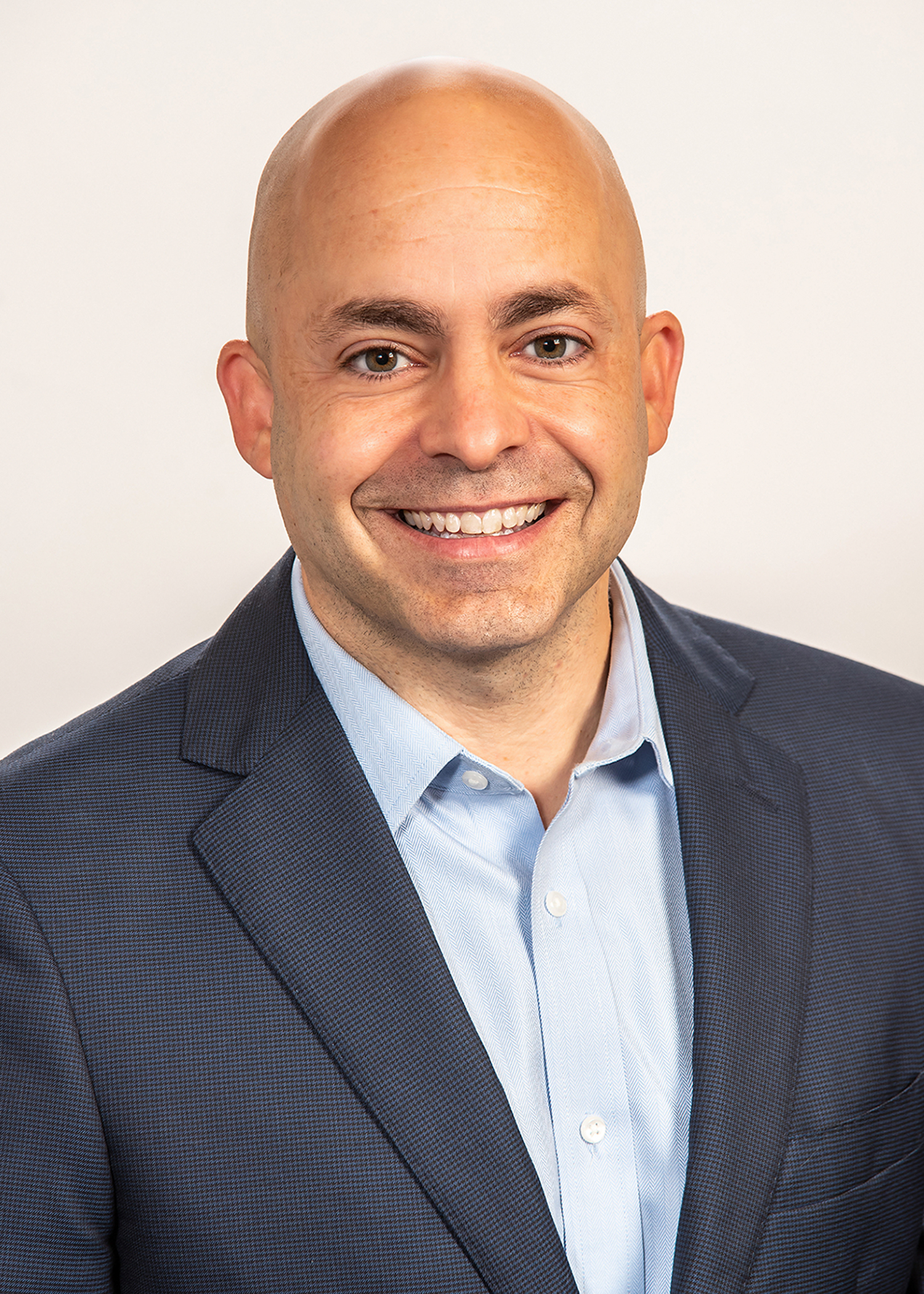
Jimmy Clonaris is Managing Partner at BlueDot Cares, where he oversees operations, caregiver standards, and service delivery for in-home care across the organization. With more than 19 years of experience in healthcare and over a decade with BlueDot, he has been directly involved in building and scaling care programs that support individuals aging at home.
His work focuses on the practical side of care delivery. This includes caregiver training and oversight, care plan consistency, and coordination with families and local healthcare professionals. Jimmy is actively involved in ensuring that care is not only well-structured on paper, but executed reliably in the home.
Over the course of his career, he has worked with thousands of families navigating care decisions, from short-term recovery support to long-term in-home care. His approach is grounded in clear communication, accountability, and building systems that allow caregivers to deliver consistent, high-quality support.
Under his leadership, BlueDot Cares has grown to support tens of thousands of families while maintaining a locally operated, relationship-driven model. He continues to focus on strengthening the team, improving care standards, and ensuring families have a dependable partner when care is needed.