Prevent Senior Falls at Home: Simple, Practical Steps
Falls are one of the biggest threats to an older adult’s independence. They can lead to injuries, loss of confidence, and changes in daily life. This page gives clear, actionable ways to lower fall risk at home, from straightforward safety changes and useful devices to balance exercises and caregiver tips. Use these practical steps to make your loved one’s home safer and help them stay independent longer.
Falls are a complex problem that calls for a tailored, multi-step approach: identify risks, address them, and follow up with the right supports.
Comprehensive fall-prevention approaches for older adults
Falls are a leading cause of serious injury and death among older adults. Balance depends on many things, such as hearing and vision, core strength, nervous system health, and more. Because every person’s risks are different, the best prevention plans are individualized: assess risk factors, follow targeted exercise programs, use physiotherapy when needed, consider nutrition or supplements, and make home safety changes. Strength and exercise are among the most effective measures.
“Effective fall prevention is about understanding each individual’s unique needs and creating a supportive environment that empowers them to maintain their independence safely,” says Jimmy Clonaris, Partner at BlueDot Cares. “Our approach focuses on practical solutions that families can trust, combining professional guidance with compassionate care to help seniors live confidently in their own homes.”
Effective Home Safety Modifications to Prevent Senior Falls
Small, well-placed changes around the home can cut fall risk dramatically. Improve accessibility, remove common hazards, and add supports where seniors move most. These modifications protect safety while supporting independence.
Professionals like occupational therapists can spot hidden hazards and recommend exactly which changes will make the biggest difference.
The occupational therapist’s role in home safety
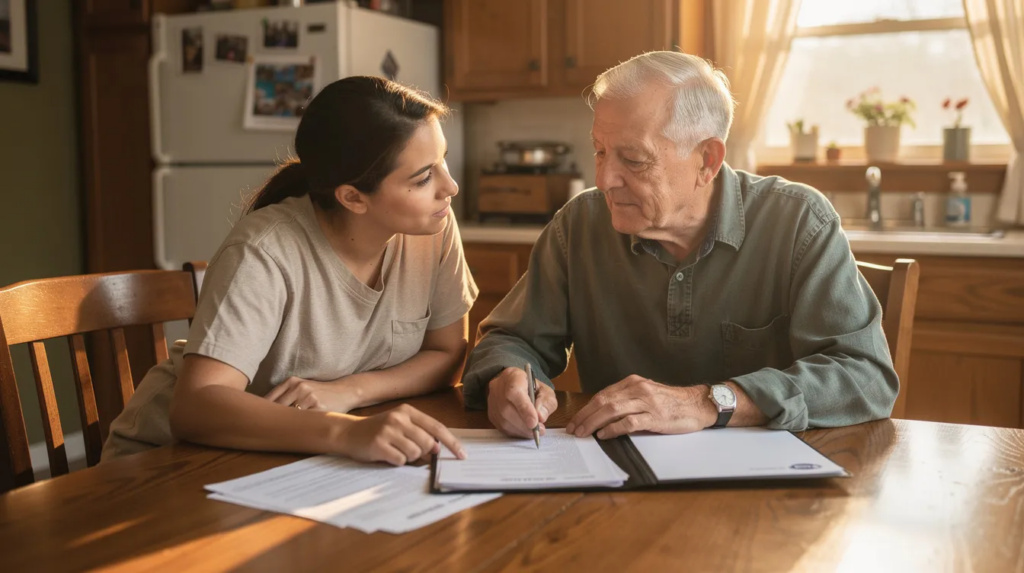
Preventive programs aim to help older adults stay in their homes safely. A barrier-free, well-planned household supports quality of life and self-reliance. Occupational therapists assess homes, identify risks, and supervise follow-up modifications so seniors can move safely and confidently at home.
Home safety tips that reduce fall risk
These easy, high-impact steps help make daily life safer:
- Clear clutter: Keep hallways and walking paths free of boxes, cords, and loose items to prevent trips.
- Use non-slip mats: Place them in showers, tubs, and in front of sinks and stoves for steadier footing.
- Improve lighting: Brighten stairways, hallways, and entryways. Use night lights for safe nighttime movement.
These simple fixes make it easier for seniors to move with confidence.
How flooring choices affect fall prevention
Flooring matters. Some surfaces cushion a fall but can trip if loose; hard floors can be slick when wet. Choosing the right material and maintaining it reduces risk.
Consider these options:
- Non-slip vinyl: A low-maintenance surface with good traction.
- Low-pile carpeting: Offers comfort without high trip risk when properly secured.
- Rubber flooring: Stays grippy in moisture-prone areas like bathrooms.
Pick materials that balance traction, ease of use, and comfort to help prevent slips and trips.
Which fall-prevention devices help at home?
Assistive devices can make daily tasks safer and help seniors keep their balance. Choosing the right device and learning how to use it correctly is essential.
The right fit and proper instruction, especially for canes and walkers, greatly improve stability and independence.
Choosing assistive devices for balance and mobility
Mobility challenges increase with age. Canes, walkers, and other devices widen a person’s base of support and boost activity, but they must match the user’s strength, endurance, balance, and environment. Many people never receive proper instruction or use devices that are the wrong height or condition. A well-chosen device, fitted and taught by a professional, can improve stability and confidence.
Assistive devices that support balance and stability
Common, effective options include:
- Grab bars: Mounted in bathrooms and along hallways to steady standing and transfers.
- Walkers: Provide wide support for walking and standing.
- Canes: Help redistribute weight and give tactile feedback about the ground.
When selected and used correctly, these devices promote safer independence.
How to choose and use emergency alert systems
Emergency alert systems bring quick help when it’s needed most. Look for features that match the senior’s lifestyle and living situation.
- 24/7 monitoring: Provides continuous access to help at any time of day.
- Mobile options: Wearable pendants or wrist units provide protection when walking outside the home.
- Fall detection: Automatic alerts can notify caregivers if a fall is detected.
Choose a system that feels comfortable to wear and test it regularly so it works when you need it.
How can balance exercises lower fall risk
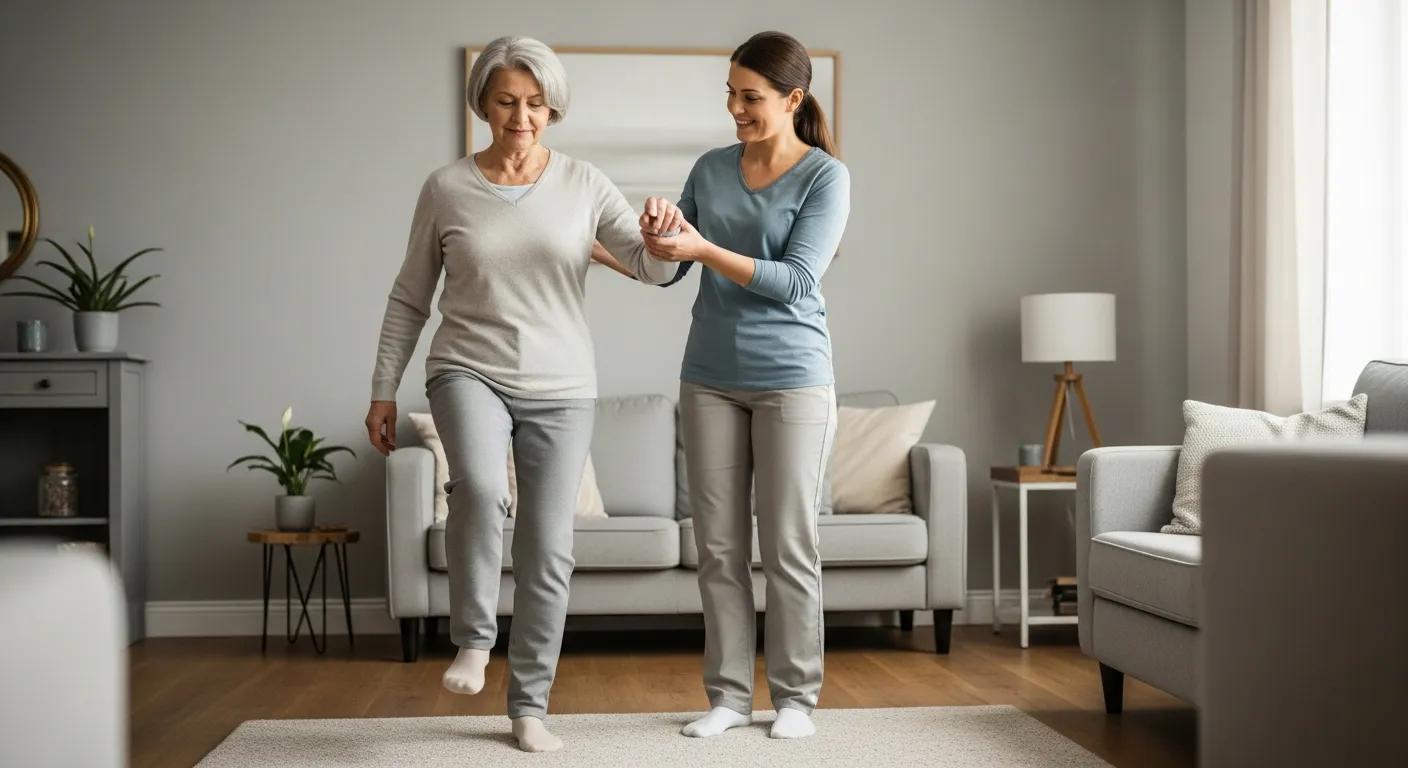
Regular balance and strength exercises build the muscles and coordination seniors need to move safely. Even brief daily practice adds up over time.
Best balance exercises seniors can do at home
Try these proven, low-impact moves:
- Heel-to-toe walk: Walk in a straight line, placing the heel of one foot just in front of the toes of the other.
- Single-leg stand: Hold one foot off the ground for 10–15 seconds, using support if needed.
- Chair stand: Rise from a chair without using your hands to build leg strength.
These exercises fit easily into daily routines and steadily improve stability.
How to add balance and work safely to daily life
Follow these safety tips when starting exercises:
- Start slow: Begin with easier moves and increase difficulty over time.
- Use support: Keep a sturdy chair or wall nearby for balance.
- Practice regularly: Aim for short sessions most days of the week.
With consistency, seniors gain strength, confidence, and better balance.
How caregivers support fall prevention at home
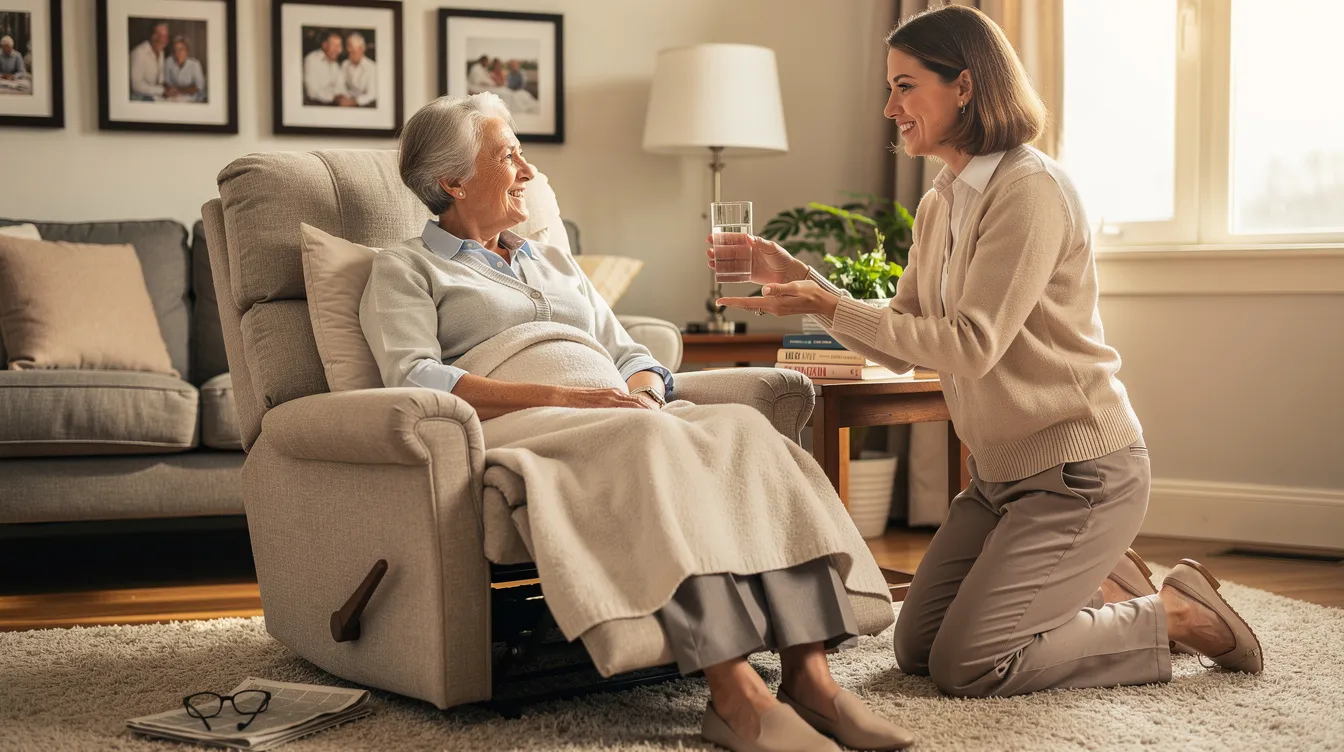
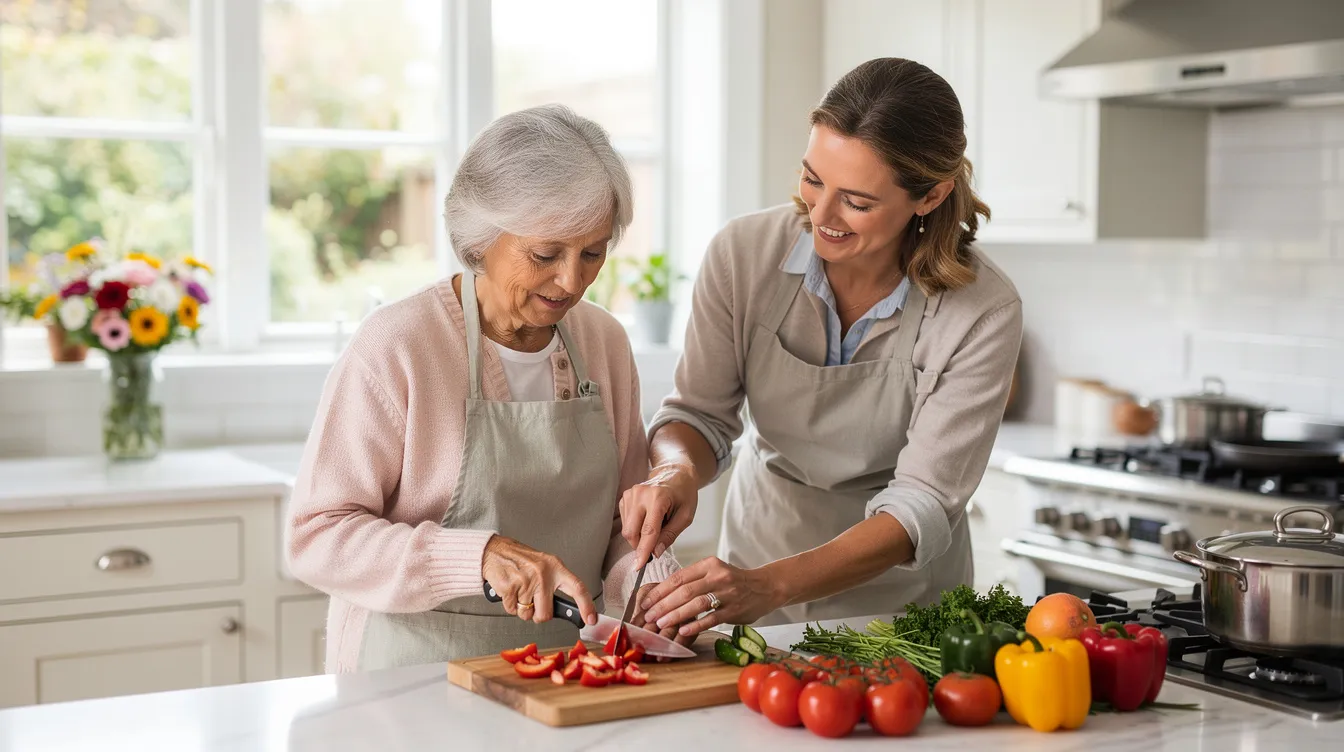
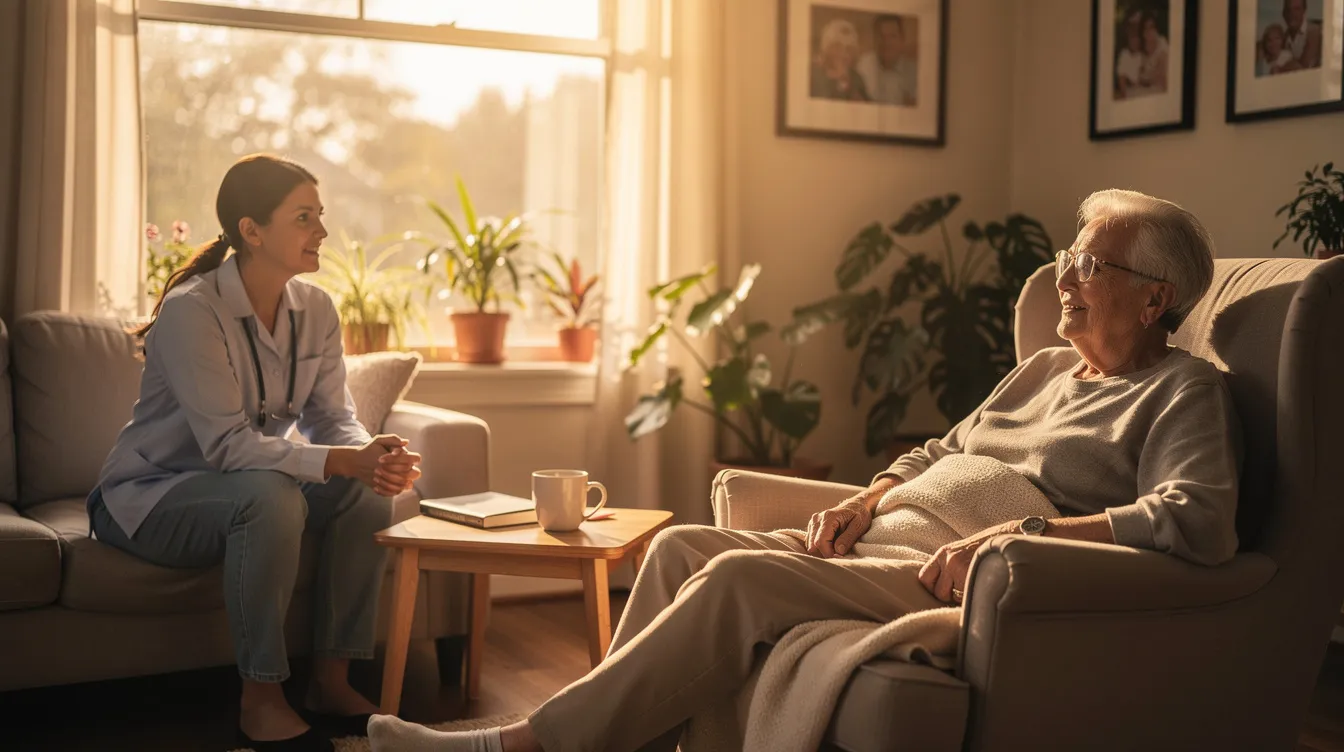
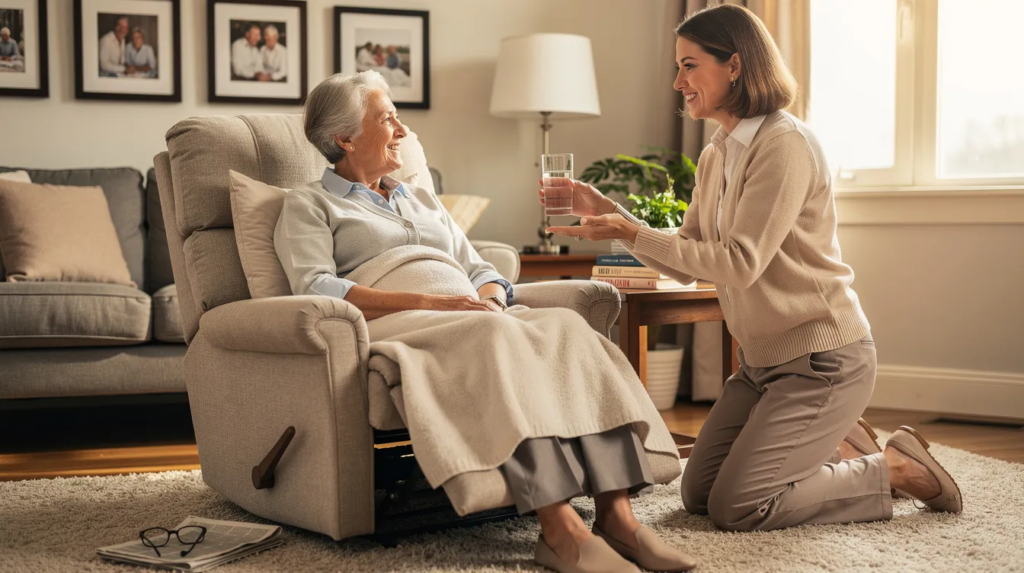
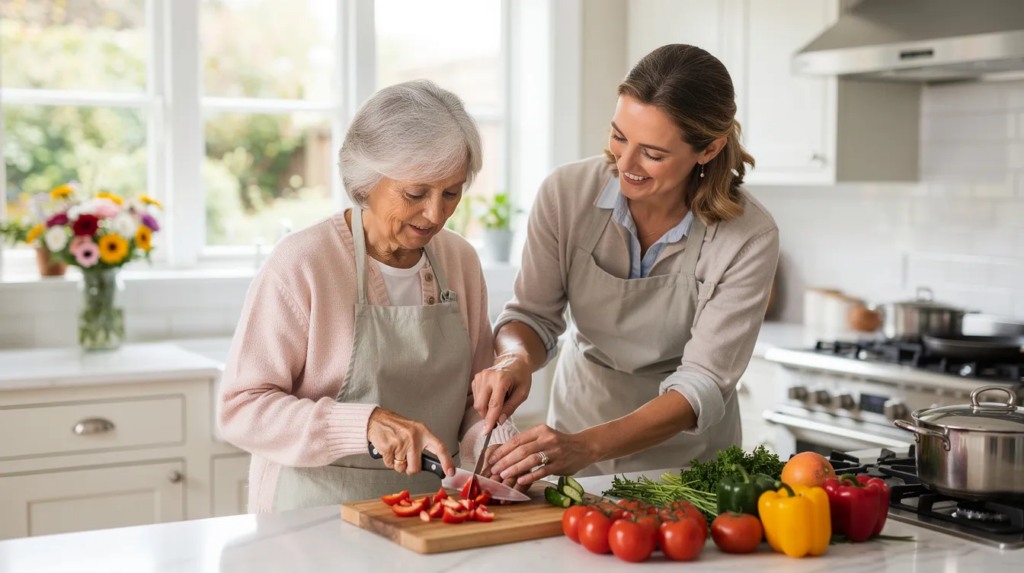
Caregivers are a key part of fall prevention: they spot risks, help with transfers, guide exercises, and keep living spaces safe. Their involvement makes prevention practical and sustainable.
How caregivers can monitor and reduce fall risk
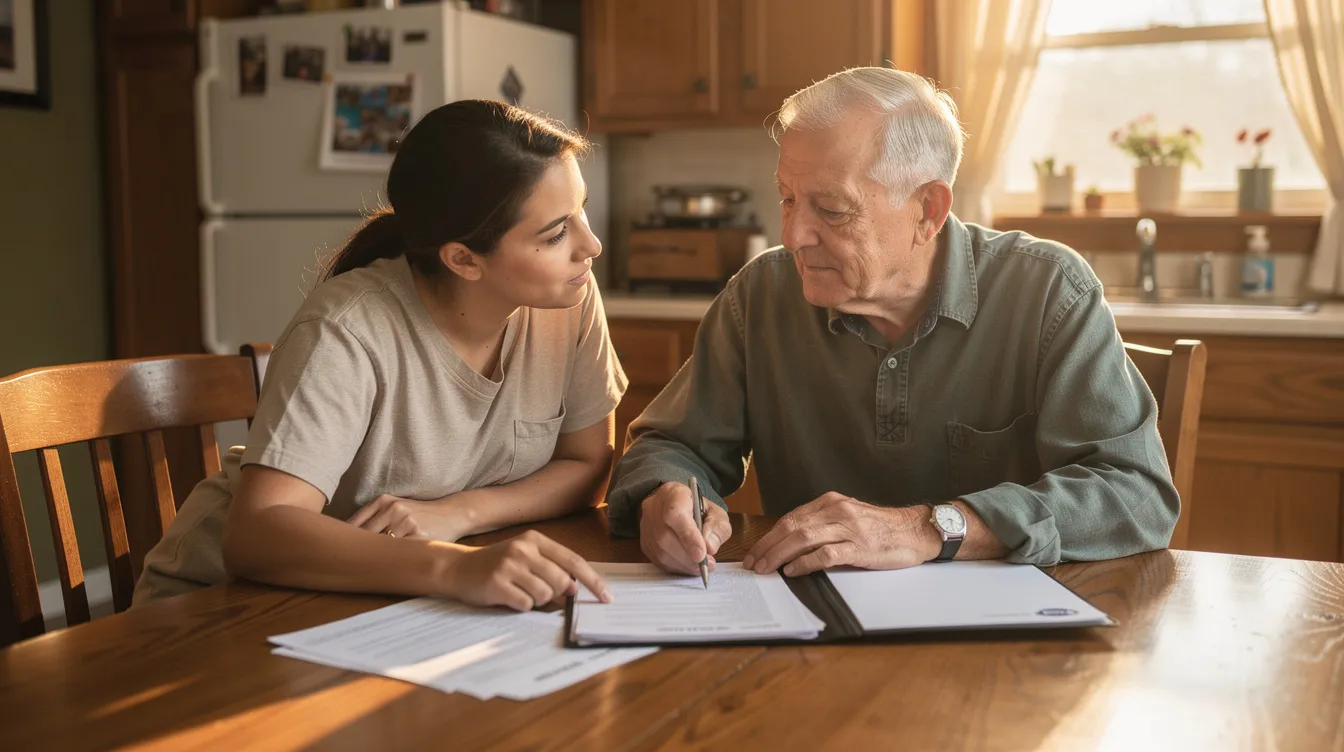
Caregivers can conduct home safety checks, assist with safe transfers and mobility, and follow checklists to address hazards. Regular reassessment ensures new risks are caught and corrected.
Simple, consistent monitoring helps prevent incidents before they happen.
Communication tips for caregivers and seniors
Clear, respectful communication makes safety changes easier to accept and follow. Try these approaches:
- Listen actively: Hear seniors’ concerns and preferences about mobility and comfort.
- Encourage open dialogue: Invite questions and gently explain the reasons behind changes.
- Provide clear instructions: Use plain language and short steps when teaching new equipment or exercises.
When caregivers and seniors communicate well, safety plans are more likely to succeed.
How senior living placement can create safer environments
Some seniors benefit from living options designed for safety. Senior living communities often include environmental features and staffed support that reduce fall risk.
Benefits of senior living for fall prevention
Key advantages include:
- Safety features: Many communities install grab bars, non-slip floors, and emergency alert systems.
- Trained staff: On-site teams help with mobility and monitor safety.
- Social engagement: Being active and connected supports mental and physical health.
Together, these features help lower fall risk and support day-to-day living.
How to choose safer senior living options
When evaluating options, look for services that provide:
- Home safety expertise: Providers who understand and act on home safety needs.
- Caregiver training: Staff experienced in safe transfers and mobility support.
- 24/7 availability: Around-the-clock support for urgent needs.
- Personalized solutions: Plans tailored to each senior’s needs and preferences.
For more guidance, you can download our Fall Prevention Checklist.
| Device | Purpose | Benefits |
|---|---|---|
| Grab Bars | Steady support for standing and transfers in bathrooms and hallways | Improve stability and reduce slips during everyday tasks |
| Walkers | Provide a stable frame for walking and standing | Increase mobility while lowering the chance of losing balance |
| Emergency Alert Systems | Connect seniors quickly to help during an emergency | Faster assistance and greater peace of mind for families |
This table highlights common devices that make home life safer and more secure for seniors.
Preventing falls at home takes several coordinated steps: safety changes, the right assistive devices, regular balance work, active caregiver support, and, when needed, safer living options like senior placement. These measures help seniors remain independent while lowering the risk of injury.
If your loved one needs extra help, consider professional home care services in Charlotte. BlueDot Cares offers personalized support to keep seniors safe and thriving at home.
Frequently Asked Questions
What are the common risk factors for falls in seniors?
Common risks include poor balance, weak muscles, vision or hearing problems, and medications that cause dizziness. Household hazards, loose rugs, poor lighting, and cluttered walkways also increase risk. Chronic conditions like arthritis, diabetes, and cognitive decline can add vulnerability. Identifying these factors helps target prevention.
How can family members support fall prevention for seniors?
Family members can help by checking the home for hazards, encouraging safe exercise, making sure assistive devices are used correctly, and keeping open conversations about safety. Coordinating professional support, such as occupational therapy, can address specific risks.
What role does nutrition play in fall prevention for seniors?
Good nutrition supports bone and muscle health. A diet with enough calcium and vitamin D helps protect bones, while adequate protein and hydration support muscle strength and balance. Talk with a healthcare provider or nutritionist for a plan that fits individual needs.
Are there specific exercises that can improve balance for seniors?
Yes. Tai chi, yoga, and strength training help balance and coordination. Simple moves, heel-to-toe walking, single-leg stands, and chair stands, are effective and safe when practiced regularly and progressed carefully.
How can technology assist in fall prevention for seniors?
Technology helps in many ways: smart home lighting can reduce dark hazards, wearable devices with fall detection can notify help automatically, and apps can remind seniors about medication and exercise. Choose tech that’s easy for the senior to use and test it often.
What should be included in a fall prevention plan for seniors?
A strong plan includes a home hazard assessment, a tailored exercise program for strength and balance, regular health checks (vision and medications), appropriate assistive devices, and education for the senior and family. Review and update the plan regularly to keep it effective.
Conclusion
Reducing falls at home is possible with practical, coordinated steps: improve the environment, use the right devices, build strength and balance, and involve trained caregivers. These actions protect safety and help seniors keep living independently. If you’d like help creating a personalized plan, BlueDot Cares offers home care and placement support tailored to each family’s needs.
About Our Leadership
Jimmy Clonaris, Partner at BlueDot Cares, brings extensive experience in senior care services, focusing on helping families navigate care options with confidence and clarity. His deep understanding of caregiving needs and commitment to practical solutions make him a trusted guide for those seeking support in maintaining independence and safety for their loved ones.

Jimmy Clonaris is Managing Partner at BlueDot Cares, where he oversees operations, caregiver standards, and service delivery for in-home care across the organization. With more than 19 years of experience in healthcare and over a decade with BlueDot, he has been directly involved in building and scaling care programs that support individuals aging at home.
His work focuses on the practical side of care delivery. This includes caregiver training and oversight, care plan consistency, and coordination with families and local healthcare professionals. Jimmy is actively involved in ensuring that care is not only well-structured on paper, but executed reliably in the home.
Over the course of his career, he has worked with thousands of families navigating care decisions, from short-term recovery support to long-term in-home care. His approach is grounded in clear communication, accountability, and building systems that allow caregivers to deliver consistent, high-quality support.
Under his leadership, BlueDot Cares has grown to support tens of thousands of families while maintaining a locally operated, relationship-driven model. He continues to focus on strengthening the team, improving care standards, and ensuring families have a dependable partner when care is needed.