Compassionate Alzheimer's Companion Care
Specialized companion care for people with Alzheimer’s aims to improve quality of life through personalized support. It combines companionship, help with daily tasks, and emotional care to reduce isolation and confusion. This article explains what specialised companion care is, its benefits, how to choose a provider, the value of personalised care plans, and the role sustainable practices can play in patient well‑being.
What Is Specialized Companion Care for Alzheimer's Patients?
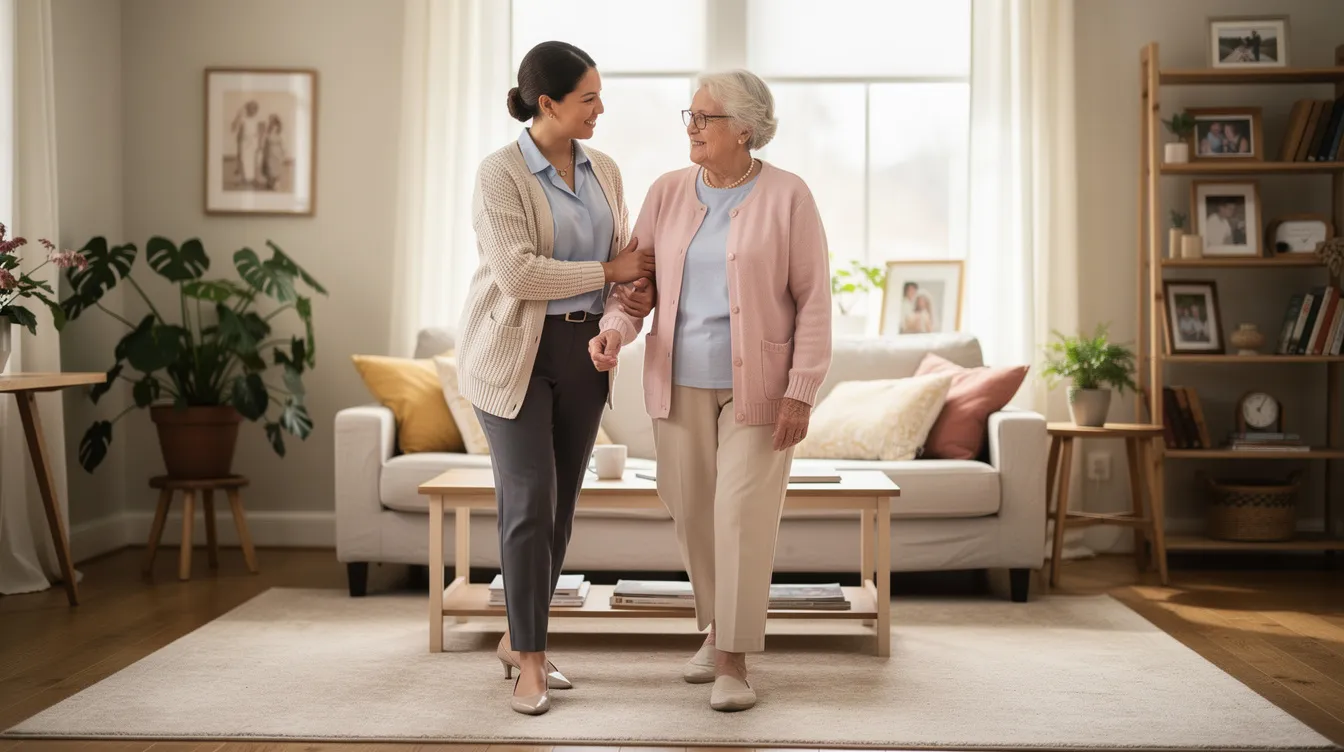
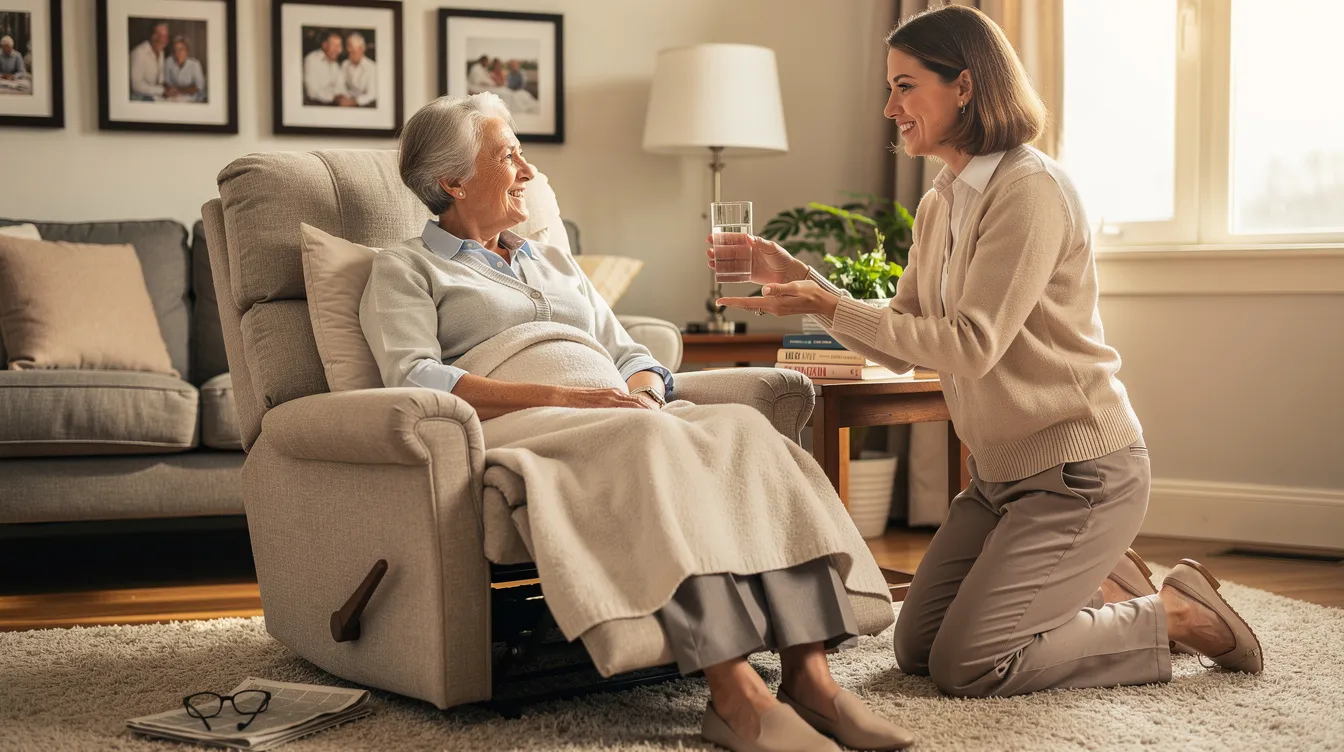
Specialised companion care provides tailored support for people diagnosed with Alzheimer’s. It helps with daily tasks and creates a safe, comforting environment. Caregivers trained in Alzheimer’s care use techniques to reduce confusion and improve safety so patients feel secure and understood. The main benefit is a better quality of life through greater independence and emotional support.
Jimmy Clonaris, Partner at BlueDot Cares, emphasizes, “Effective Alzheimer’s companion care is grounded in understanding each individual’s unique experience. Our role is to provide consistent, compassionate support that respects their dignity and fosters trust, enabling families to feel confident that their loved ones are safe and valued every day.”
How Does Companion Care Differ from General Senior Care?
Companion care differs from general senior care by prioritising emotional support and companionship. While it can include help with daily living, companion care focuses on building relationships and understanding the challenges of cognitive impairment. It is typically more personalised, allowing caregivers to adapt their approach to each person’s needs.
Which Daily Activities Does Alzheimer's Companion Care Support?
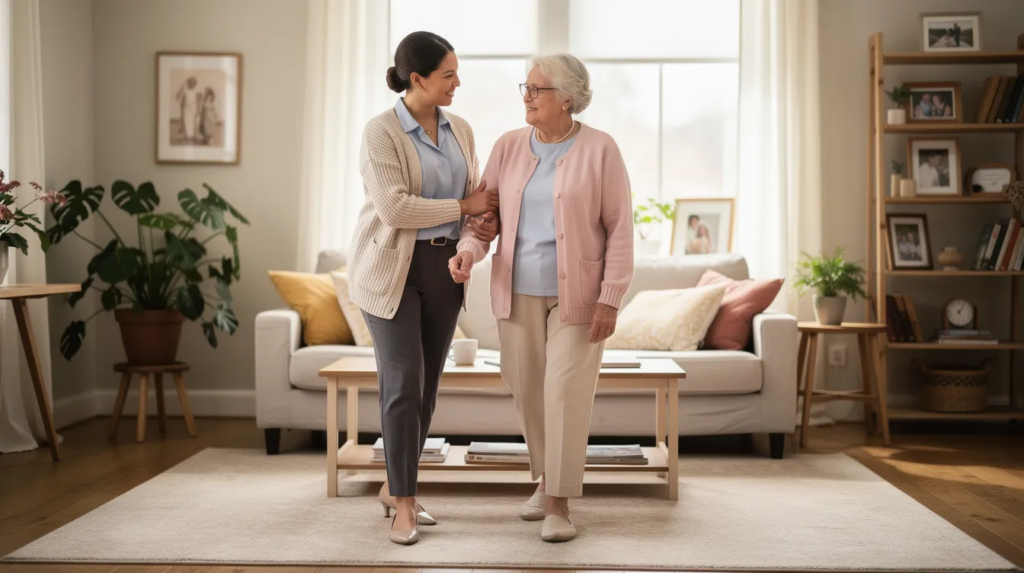
Alzheimer’s companion care supports daily activities that help maintain independence and dignity. These activities include:
- Transportation Assistance: Helping patients get to appointments or social events.
- Companionship Activities: Engaging in hobbies or interests that bring joy and stimulation.
- Safety Reminders: Providing gentle prompts for medication, meals, and personal care routines.
Supporting these tasks helps create routine and reassurance for people with Alzheimer’s.
What Are the Benefits of Dementia Care Companion Support?
Dementia companion care brings clear benefits for patients and families, including the following:
- Emotional Support: Companions provide a listening ear and emotional reassurance, helping to reduce feelings of loneliness and anxiety.
- Daily Living Assistance: Caregivers assist with essential tasks, allowing patients to maintain their independence while receiving the help they need.
- Independence Preservation: By fostering a supportive environment, companion care helps patients retain a sense of autonomy and control over their lives.
For families seeking reliable support, Blue Dot Cares offers personalized home care services tailored to the unique needs of Alzheimer’s patients.
How Does Companion Care Enhance Safety and Emotional Well-being?
Caregivers trained in companion care learn to recognise and respond to the common challenges of cognitive decline. They minimise risks, maintain a safe environment, and build trust through consistent emotional support. Daily engagement with activities also helps keep patients mentally active, which supports emotional well‑being.
What Role Does Personalized Care Play in Alzheimer's Support?
Personalised care is central to effective Alzheimer’s support. Providers use individual assessments to build care plans that reflect each person’s preferences and routines. This lets caregivers create familiar activities and stable routines that promote comfort. Personalised plans also give family caregivers guidance and support when managing care.
How to Choose the Right Alzheimer's Companion Care Provider?
Choosing a provider is an important decision. Consider these key factors:
- Qualifications of Caregivers: Ensure that caregivers have specialized training in Alzheimer’s care and understand the unique challenges associated with the disease.
- Compatibility Factors: Look for a provider that emphasizes matching caregivers with patients based on personality and interests to foster a positive relationship.
- Assessment of Effectiveness: Inquire about the provider’s methods for evaluating the effectiveness of their care services and how they adapt to changing patient needs.
Weighing these factors helps families select a provider that best supports their loved one’s needs.
What Qualifications and Training Should Alzheimer's Caregivers Have?
Alzheimer’s caregivers need specialized training and skills to support patients effectively. Essential areas include:
- Communication Strategies: Understanding how to communicate effectively with individuals experiencing cognitive decline.
- Calming Techniques: Employing strategies to soothe agitation and anxiety in patients.
- Safety Protocols: Being aware of safety measures to prevent accidents and ensure a secure environment.
These qualifications help ensure caregivers provide safe, high‑quality care tailored to the needs of Alzheimer’s patients.
Which Questions Should Families Ask When Selecting Care Services?
When selecting care services for an Alzheimer’s patient, families should consider asking the following questions:
- What specific challenges does your service address?
- What are the financial implications of your services?
- How do you handle emergency protocols?
Asking these questions gives families a clearer view of what services offer and how they meet their loved one’s needs.
How Are Personalized Care Plans Developed for Alzheimer's Patients?
Personalised care plans start with a thorough assessment and close coordination with the family. Providers gather information on routines, preferences, and challenges to create a flexible plan. This collaborative approach helps the plan adapt as needs change and ensures consistent support over time.
What Factors Influence Customization of Care Plans?
Several factors influence the customization of care plans for Alzheimer’s patients, including:
- Individual Needs: Each patient’s unique circumstances and preferences play a significant role in shaping their care plan.
- Changing Conditions: As Alzheimer’s progresses, care plans must be adjusted to reflect the patient’s current abilities and challenges.
- Ongoing Support: Continuous evaluation and feedback from caregivers and family members are essential for maintaining effective care.
Considering these factors lets providers create flexible plans that support patients throughout their journey.
How Do Care Plans Adapt to Changing Patient Needs

Care plans are designed to change as a patient’s condition evolves. Regular assessments and open communication between caregivers and families keep care relevant and effective. This flexibility is essential for reliable, ongoing support.
What Are Sustainable and Environmentally Conscious Practices in Alzheimer's Companion Care?
Sustainable practices aim to reduce environmental impact while maintaining quality care. These practices may include:
- Eco-friendly Approaches: Utilizing sustainable materials and methods in caregiving.
- Community Engagement: Involving local resources and services to enhance care quality.
- Quality of Life Improvements: Ensuring that care practices contribute positively to both the environment and the well-being of patients.
Integrating sustainability into care can improve the experience for patients and their families while supporting the wider community.
How Does Sustainable Care Benefit Patients and Communities?
Sustainable care practices benefit both patients and their communities. Eco‑friendly approaches support a healthier environment, which contributes to community well‑being. They also encourage a holistic view of care that considers the person and their surroundings, promoting a sense of shared responsibility.
If you’re considering senior living placement, learn the options so you can choose the best fit for your loved one’s needs.
Frequently Asked Questions
What types of training do caregivers receive for Alzheimer's companion care?
Caregivers receive training in communication with people who have cognitive decline, calming techniques to manage agitation, and safety protocols to prevent accidents. Ongoing education is often provided so caregivers stay up to date with best practices and can adapt to changing needs.
How can families support their loved ones receiving companion care?
Families support loved ones by keeping open lines with caregivers and staying involved in care. Share the patient’s preferences and report any behavior changes so care can be tailored. Joining hobbies or social events also strengthens companionship and improves emotional well‑being.
What should families expect during the initial assessment for companion care?
The initial assessment reviews the patient’s needs, preferences, and daily routines. Providers usually interview family members and may observe the patient. This information helps build a personalised care plan that addresses challenges and supports independence. Be ready to discuss medical history, social interests, and any behavioural concerns.
Are there specific activities that are beneficial for Alzheimer's patients in companion care?
Yes. Activities that stimulate the mind, such as puzzles, memory games, or arts and crafts, help maintain engagement. Gentle physical activities, like short walks or simple exercises, support physical health. Social activities, such as group outings or family visits, reduce isolation and boost emotional support.
How do families know if the companion care is effective?
Families can judge effectiveness through regular communication with caregivers and by observing changes in mood, activity levels, and comfort. Signs of effective care include improved mood, more engagement in activities, and a sense of security. Providers should offer regular updates and feedback sessions to review progress and adjust the plan as needed.
What are the costs associated with Alzheimer's companion care?
Costs vary by level of care, duration of services, and location. Some providers charge hourly rates; others offer longer‑term packages. Discuss fees, insurance coverage, and any available financial assistance with potential providers so you can compare options and choose what fits your budget.
Conclusion
Specialised Alzheimer’s companion care improves quality of life by providing tailored support for each person’s needs. This compassionate approach supports emotional well‑being and helps maintain independence through daily assistance. Families seeking reliable, personalised care can explore options that best fit their loved one’s needs. Discover how our dedicated services can make a meaningful difference in your loved one’s life today.
About Our Leadership
Jimmy Clonaris, Partner at BlueDot Cares, brings extensive experience in senior care services. He is deeply involved in helping families navigate the complexities of care options with clarity and confidence. With a practical understanding of caregiving needs, Jimmy focuses on fostering trust and delivering thoughtful support to those seeking the best care for their loved ones.
Client Experience
One family shared their experience with BlueDot Cares after their mother was diagnosed with early-stage Alzheimer’s. They were particularly concerned about her increasing confusion during daily routines and the risk of isolation after her husband passed away. The companion care team provided consistent support, helping her maintain familiar routines and engaging her in activities she enjoyed, which significantly reduced her anxiety. The family appreciated how the caregivers adapted to her changing needs and communicated regularly, giving them peace of mind and allowing their mother to remain safely at home longer than they had expected.

Jimmy Clonaris is Managing Partner at BlueDot Cares, where he oversees operations, caregiver standards, and service delivery for in-home care across the organization. With more than 19 years of experience in healthcare and over a decade with BlueDot, he has been directly involved in building and scaling care programs that support individuals aging at home.
His work focuses on the practical side of care delivery. This includes caregiver training and oversight, care plan consistency, and coordination with families and local healthcare professionals. Jimmy is actively involved in ensuring that care is not only well-structured on paper, but executed reliably in the home.
Over the course of his career, he has worked with thousands of families navigating care decisions, from short-term recovery support to long-term in-home care. His approach is grounded in clear communication, accountability, and building systems that allow caregivers to deliver consistent, high-quality support.
Under his leadership, BlueDot Cares has grown to support tens of thousands of families while maintaining a locally operated, relationship-driven model. He continues to focus on strengthening the team, improving care standards, and ensuring families have a dependable partner when care is needed.