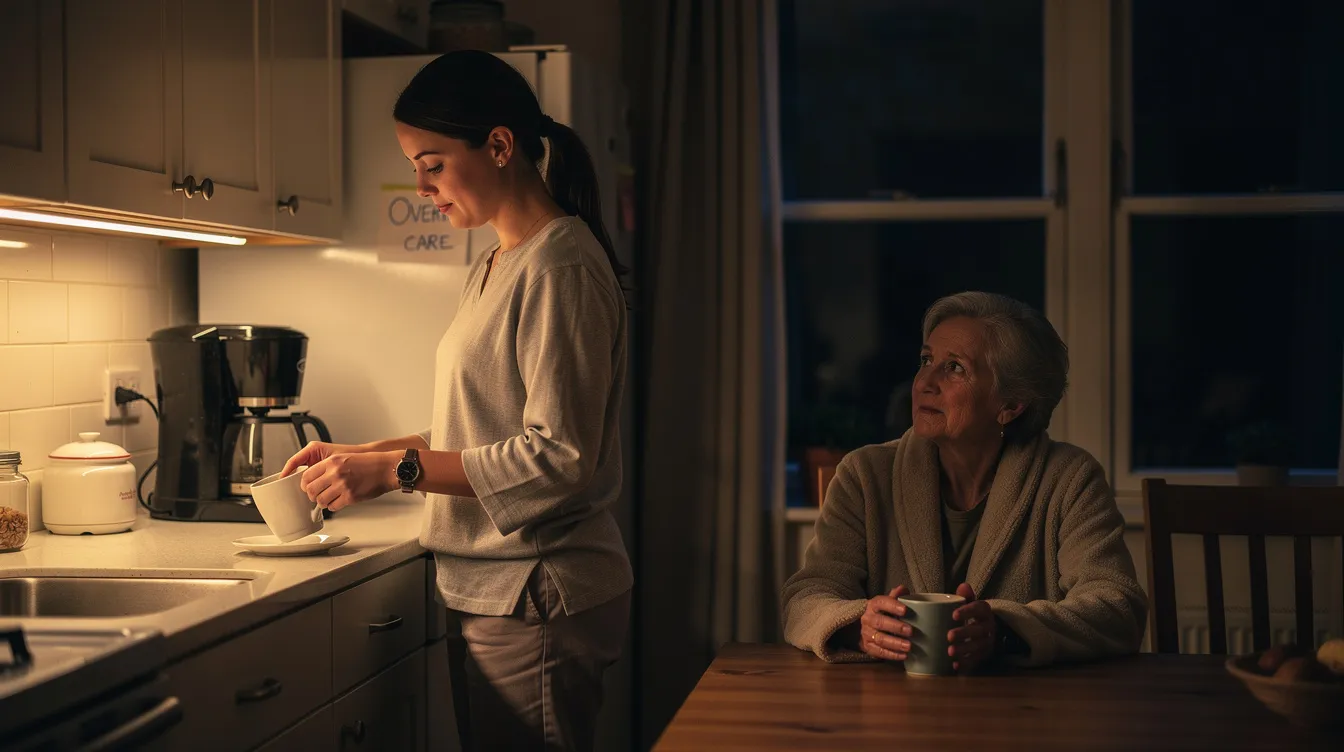
If you have started noticing changes in a parent’s memory or behavior, you are not alone, and you are not overreacting. Figuring out what to do if a parent has dementia can feel overwhelming, but there are clear, practical steps you can take. This guide walks through each stage, from early observations to building a care plan, so you can move forward with confidence.
In this guide, you will find first steps when you notice memory loss, how an evaluation works, what dementia changes in daily life, how to talk with your parent and family, home safety, caring for yourself, national resources, and care options in Charlotte and the Triangle. It is written for adult children who want a practical starting point.
First Steps When You Notice Memory Loss or Confusion
It can be unsettling when a parent starts forgetting dates, repeating the same questions within minutes, or getting turned around while driving through familiar neighborhoods in Charlotte and the Triangle. These moments raise real concerns, and it is okay to pay attention to them.
Alzheimer’s Disease and Other Dementias
Dementia is an umbrella term for a group of symptoms that affect memory, thinking, communication, and everyday functioning. Alzheimer’s disease is one cause, but there are other types as well, including vascular dementia and Lewy body dementia. Older adults and their families often first notice changes in memory, mood, or everyday tasks.
Immediate Actions
Here are immediate actions you can take:
- Write down specific examples of memory loss or behavior changes, including dates and details
- Talk gently with your parent about what you are seeing, without blame or alarm
- Ask if they would be comfortable with you coming along to their next medical visit
- Schedule an appointment with their primary care doctor as a first step
This article offers practical guidance, not a medical diagnosis. Speak with a health care provider about any concerns. Noticing changes early gives your family more time to plan. Connecting with a dementia caregiver support group early can also be a helpful source of practical ideas.
Getting a Thorough Evaluation for Memory Loss
A proper evaluation matters because memory and thinking changes have many possible causes, and some of them can be treated. Whether the concern turns out to be Alzheimer’s disease or another form of dementia, a clear diagnosis helps your family plan. Other health problems can affect memory, behavior, or functioning, which is another reason to involve your parent’s health care provider.
A primary care doctor is a common first stop and may refer your parent to a specialist. A health care provider may refer your parent to one or more specialists when additional evaluation is appropriate. A typical evaluation includes:
- A detailed health history and review of current medications
- Short memory and thinking tests
- Lab work to rule out other conditions that can affect memory, such as vitamin or thyroid problems
- Possibly brain imaging ordered by the physician
Bring a written list of your concerns and specific examples, such as your parent getting lost driving to a familiar store or forgetting the names of long-time neighbors. Share specific observations and questions with the health care provider during the evaluation.
Questions to ask at the appointment:
- What tests will be used, and what do the results mean?
- Could medications or other health conditions be contributing?
- How often should we follow up?
- Should we see a specialist?
The National Institute on Aging offers free information about Alzheimer’s disease and related dementias for families beginning this process. Only a medical professional can diagnose dementia. Your role as a family caregiver is to observe, document, and support the process, and to continue follow-up with your parent’s health care providers as recommended.
Understanding What Dementia Changes in Daily Life
Dementia can affect memory, judgment, mood, and sometimes personality. Changes often appear gradually, and early challenges can look like everyday forgetfulness before a pattern becomes clear.
Early changes can include:
- Unpaid bills or duplicate payments
- Missed or mixed-up medications
- Spoiled food left in the refrigerator
- Confusion about appointments or the time of day
These changes affect the aging adult and the family around them. You may feel the emotional weight of shifting roles, new safety concerns, and uncertainty about the future. Planning in stages helps: think about what your parent needs today, what may change this year, and what the longer term may require.
Different types of dementia progress differently, so review the plan regularly. A sudden change in behavior or confusion can point to another health issue, so tell the doctor promptly. Focus on what your parent can still do with support. Supporting their ability to take part in daily life, even in small ways, respects their dignity and independence.
Talking With Your Parent and Family About Dementia
Honest, kind communication is one of the hardest and most important steps after a dementia concern or diagnosis. If you are wondering how to help a parent with dementia, start with the conversation.
Choose a calm, familiar setting, such as a quiet morning at home rather than a crowded restaurant. Use clear, simple language, and let your parent respond at their own pace. Phrases that may help:
- “I have noticed you seem more frustrated with the mail and bills. Can we look at them together?”
- “I want to make sure we are taking care of things the way you would like. Can we talk about what matters most to you?”
Include your parent in conversations about their care. Ask what matters most: staying at home, keeping a pet, remaining active in a faith community or local group. Bring key family members into the early conversations, including siblings who live elsewhere, so everyone understands the situation and can share responsibility.
Write down your parent’s wishes for medical treatment while they can still share them. For questions about powers of attorney, advance directives, and other legal planning, speak with a qualified elder law attorney.

Safety, Routines, and Brain Health at Home
Small, concrete changes at home can support safety while preserving familiar routines and participation. Safety precautions matter in the homes of people with dementia:
- Clear walkways and remove loose rugs
- Improve lighting in hallways, stairways, and bathrooms
- Install grab bars near toilets and showers
- Label key rooms and cabinets with simple words or pictures
- Use a large-print calendar for appointments and reminders
Daily routines create predictable structure, and a familiar environment can provide recognizable routines and surroundings. Regular meal times, consistent wake and sleep schedules, and keeping keys, a wallet, and a phone in the same place each day can all make days more predictable.
Brain health tips from the National Institute on Aging include staying physically active, socially connected, and mentally engaged, so gentle physical activity, as the doctor allows, time with friends and family, and enjoyable activities like music, puzzles, or gardening may support overall well-being. Medication reminder boxes and phone alarms can help. For a fuller picture of daily routines, communication, and home safety, see our guide to caring for someone with dementia.
If your parent’s needs outgrow the current arrangement, in-home support or memory care options may be worth exploring.
Caring for Yourself as a Family Caregiver
Caring for a parent with dementia can feel like a second full-time role, especially for adult children also raising a family or working full-time. Family caregivers should also make room for their own health needs. Caregiver burnout is a term commonly used for exhaustion that can build over time.
Realistic self-care steps:
- Set visiting hours rather than being on call around the clock
- Accept help with meals, errands, or rides for your children
- Schedule and keep your own medical and counseling appointments
- Use respite care so you can rest while your parent is supported
Connect with people who understand what you are going through. Support groups give family caregivers a place to share experiences and learn from others, and some meet by phone or video. You do not have to carry this by yourself.
National Resources for Dementia Caregivers
Several national organizations offer free information and support to families:
- The Alzheimer’s Association offers a 24/7 Helpline at 800-272-3900 for guidance any time of day, local support groups and caregiver education programs, an online planning tool called ALZNavigator, and ALZConnected, an online community for caregivers.
- The National Institute on Aging provides research-based information, tips, and education for families, including free information about Alzheimer’s disease and related dementias.
- The Alzheimer’s Foundation of America offers a helpline staffed by licensed social workers and caregiver support groups, as well as educational webinars.
Your Area Agency on Aging and local senior centers can point you to community resources in Charlotte and the Triangle, and your parent’s doctor or a social worker familiar with aging services can help you find local services.
Building a Care Team: Family, Support Groups, and Local Services
Dementia care is a team effort, and it can be hard to manage everything alone. A care team might include:
- Family members and care partners
- Neighbors and faith community members
- Health care providers, including a social worker familiar with aging services
- Care Professionals who provide in-home support
Local support groups and community resources can provide additional information and connection for caregivers. Help close to home matters just as much. Having people nearby who can help, whether a neighbor checking in or a Care Professional providing in-home support, can add practical support to the care plan. BlueDot Cares provides non-medical in-home care and no-cost senior placement guidance.
Home Care, Memory Care, and Other Options in Charlotte and the Triangle
Non-medical in-home care can support aging adults with dementia at home when help with daily routines and personal care is needed. In-home dementia care can include:
- Personal care such as bathing, dressing, and grooming
- Companion care and conversation
- Medication reminders
- Meal preparation
- Transportation assistance
- Light housekeeping
Home health care is different: it can include medically necessary skilled services ordered by a doctor or other allowed health care provider and delivered through a home health agency. BlueDot Cares provides non-medical daily living support.
In-home care can be a good fit when a parent wants to stay in familiar surroundings and needs help with personal care, meals, or daily routines. BlueDot Cares offers no-cost senior placement guidance in Charlotte and the Triangle for families considering assisted living, memory care, or independent living communities. You can also read about memory care options for families in the Triangle.
How BlueDot Cares Supports Families Facing Dementia
We understand that learning a parent has dementia changes a great deal. BlueDot Cares provides steady, personalized non-medical support for families caring for an aging adult with dementia.
Our Care Professionals provide dementia and Alzheimer’s care at home, including personal care, companionship, meal preparation, transportation, medication reminders, and overnight or 24-hour support when needed. We support, structure, and accompany aging adults at home in Charlotte and the Triangle. When a family is weighing a move, we offer no-cost senior placement guidance for families considering assisted living and memory care communities.
If you have questions about your parent’s situation, we welcome a conversation about what a plan could look like. Reaching out is a first step, and you do not have to work through it alone.

Jimmy Clonaris is Managing Partner at BlueDot Cares, where he oversees operations, caregiver standards, and service delivery for in-home care across the organization. With more than 19 years of experience in healthcare and over a decade with BlueDot, he has been directly involved in building and scaling care programs that support individuals aging at home.
His work focuses on the practical side of care delivery. This includes caregiver training and oversight, care plan consistency, and coordination with families and local healthcare professionals. Jimmy is actively involved in ensuring that care is not only well-structured on paper, but executed reliably in the home.
Over the course of his career, he has worked with thousands of families navigating care decisions, from short-term recovery support to long-term in-home care. His approach is grounded in clear communication, accountability, and building systems that allow caregivers to deliver consistent, high-quality support.
Under his leadership, BlueDot Cares has grown to support tens of thousands of families while maintaining a locally operated, relationship-driven model. He continues to focus on strengthening the team, improving care standards, and ensuring families have a dependable partner when care is needed.