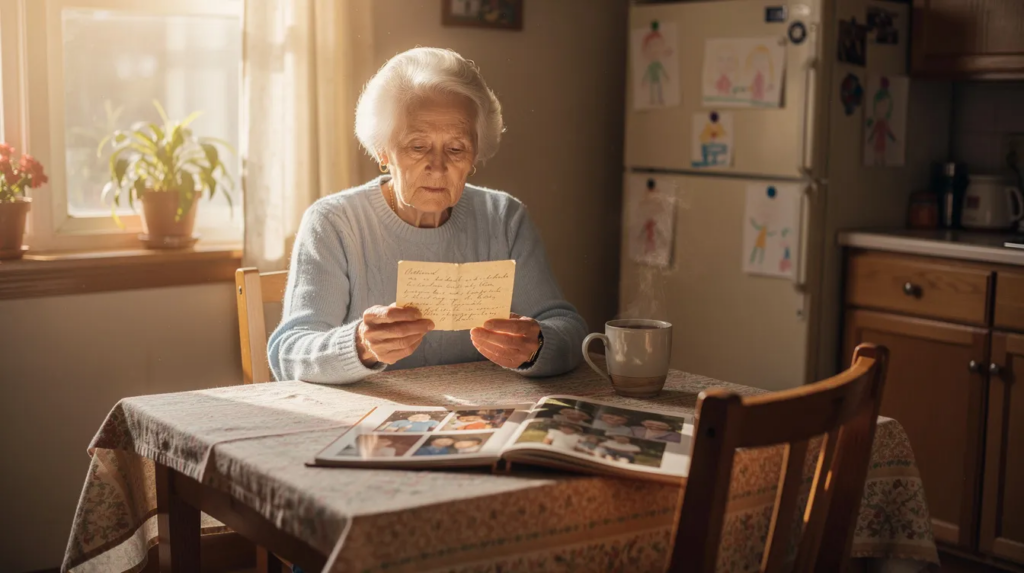
If you have aging parents in Charlotte or the Triangle, you may have noticed something feels off during your last few visits or phone calls – a quieter voice, a messier kitchen, a growing list of excuses for skipping Sunday lunch. Before you chalk it up to getting older, consider that you may be seeing the signs of loneliness in an aging parent.
Recognizing Loneliness in Aging Parents: A Quick Overview
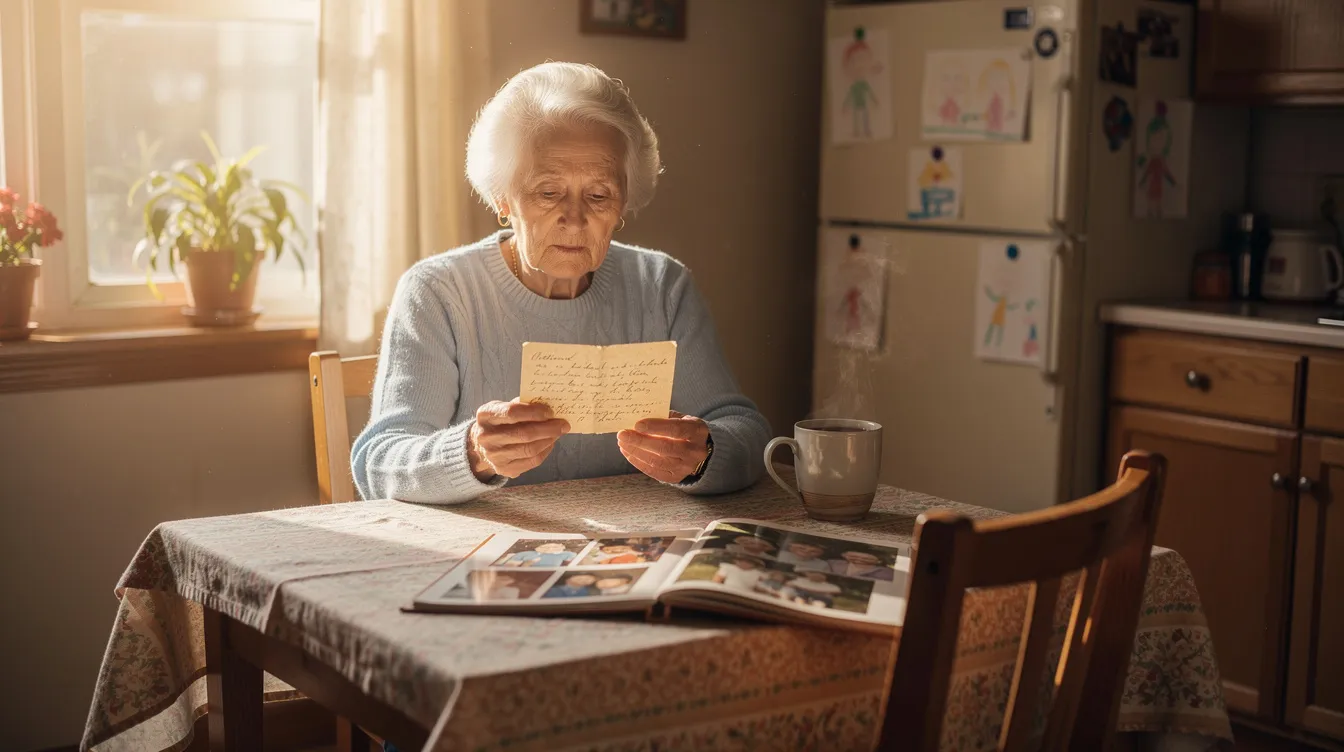
Loneliness is different from simply living alone. It is a subjective emotional state – a persistent gap between the social connection someone wants and what they actually have. Meaningful connection matters more than the number of people nearby, which means an aging parent surrounded by neighbors can still feel deeply isolated.
Research from the National Institute on Aging and the CDC has found loneliness and social isolation associated with health concerns that touch both physical and emotional health, including heart disease and depression. Researchers are still working out exactly how these connections work, but the pattern is consistent enough that families and clinicians alike take it seriously.
Senior loneliness is common after retirement, which can strip away daily social interactions that once gave structure and purpose. The loss of a spouse often increases loneliness, and when friends move away or pass on, isolation can deepen further. But loneliness is not an inevitable part of aging, and recognizing the warning signs early can help. Early recognition allows families to bring in support and take practical steps to combat loneliness – from non-medical in-home care and community resources to senior placement guidance when more structured care becomes necessary.
The Health Effects Associated With Loneliness in Older Adults
Persistent loneliness and social isolation are associated with real health concerns, not just a difficult mood. Research from organizations such as the National Institute on Aging and the CDC links chronic loneliness with effects such as higher blood pressure and a higher rate of depression. These are associations, not guarantees for any one person, but the pattern is consistent enough to mention to your parent’s primary care provider if it continues.
Common Signs of Loneliness in an Aging Parent
The common signs of loneliness in a senior parent are often subtle and easily mistaken for “normal aging” or early memory problems. They can develop gradually over weeks or months, which is why a single visit may not reveal the full picture, and persistent loneliness that stretches on for months deserves more attention than a passing rough week.
Look for patterns rather than isolated incidents. The signs below can accompany loneliness, but they are not specific to it on their own; each can also reflect grief, medication side effects, physical illness, or ordinary changes in preference. Pay attention when several signs show up together and represent a real change from your parent’s usual patterns.
Social Withdrawal and Loss of Interest in Meaningful Activities
When an aging parent pulls away from people and hobbies they once enjoyed, it is one of the more common patterns associated with loneliness. Withdrawal from social activities, and avoiding gatherings like church, book clubs, or senior centers, can point to deeper disconnection, though physical limitations that make getting out of the house harder can contribute to the same pattern.
Watch for these patterns:
-
Ignoring or declining phone calls from friends and family members
-
Skipping family gatherings, neighborhood walks, or community events
-
Dropping hobbies and clubs with little explanation
-
Spending long stretches alone with TV or radio as primary company
Your parent may say “I’m fine” or blame the weather, traffic, or fatigue. Losing interest in activities they once enjoyed can be a sign worth exploring further, not just a preference for quiet. Hearing loss that makes conversation more effortful in group settings can also lead someone to withdraw, so it is worth ruling out along with emotional causes. When excuses become a pattern, it is worth a gentle conversation about whether your parent is feeling lonely or dealing with something else.

Mood, Personality, and Communication Changes
Loneliness can reshape how an aging parent interacts with the world. You may notice increased irritability, tearfulness, or a flat apathy that wasn’t there before. Statements like “no one needs me anymore” or “I’m just in the way” deserve attention, not dismissal.
Frequent conversations about the past and people they’ve lost can sometimes be a way of coping with current isolation. Pay attention if your aging parent calls you or other family members multiple times a day just to hear a voice, or keeps you on the phone much longer than before. These patterns can reflect unmet emotional needs and a wish for more connection, though they are not proof of loneliness on their own.
Changes in Self-Care, Eating, and Physical Health
Loneliness often shows up first in daily routines and physical health before anyone recognizes it as an emotional issue. Changes worth watching for include:
-
Hygiene decline: not showering, wearing the same clothes for days, neglecting personal hygiene
-
Eating changes: skipping meals, relying on snacks, unexplained weight changes, or losing weight without trying
-
Sleep disruption: noticeably different sleep patterns than before
-
Fatigue: unexplained tiredness that doesn’t match physical activity
-
Increased alcohol consumption
-
Poor spending habits: impulsive purchases or neglected bills
None of these signs point specifically to loneliness on their own; they can also reflect depression, medication effects, or a physical health issue such as poor physical health unrelated to mood. New or worsening physical symptoms, missed medical appointments, or inconsistent medication use are worth raising directly with your parent’s primary care provider, particularly when they show up alongside mood or behavioral changes, since addressing them supports your parent’s overall health regardless of the cause.
Home Environment and Everyday Functioning
The condition of your parent’s home often mirrors their emotional state. Walk through with fresh eyes and look for visible signs: cluttered rooms, overflowing trash, spoiled food in the refrigerator, unpaid bills, or unopened mail stacked on the counter.
An aging parent living alone might stop maintaining the yard, leading to overgrown grass or neglected plants. Loneliness can sap motivation to clean, cook, or manage paperwork, especially when a parent feels “no one is coming over anyway.” A decline in household upkeep, combined with other signs, can point to the need for added support at home.
How Loneliness Interacts With Mental Health and Chronic Conditions
Loneliness rarely exists apart from other physical and mental health factors. Research shows an association between social isolation and increased risk of both depression and cognitive decline, and health conditions that limit mobility or transportation can make it harder to stay socially engaged and maintain relationships, which in turn can deepen isolation. Consistent social contact and manageable daily routines may also help reduce stress for both the parent and the family members supporting them.
If you notice combined changes, feeling more withdrawn alongside a decline in physical health, it is worth raising with the primary care provider together. A mental health evaluation can help distinguish between depression, cognitive decline, and other treatable causes.
Practical Ways to Help an Aging Parent Reconnect
Small, consistent steps from family can open the door to more connection and help reduce loneliness over time. Options that focus on fostering connection, and that encourage your parent to actively engage at their own pace, are worth considering:
-
Scheduled contact: regular phone calls and video visits give your parent touchpoints to look forward to each week
-
Shared meals: eating nutritious meals together, even over video, adds a regular point of connection
-
Rebuild routines: a simple weekly rhythm of walks, puzzles, faith services, or a favorite show watched “together” over the phone
-
Community resources: senior centers, church groups, YMCA programs, or local volunteer visitor programs can offer regular social contact with other seniors and a sense of purpose
-
Technology: teaching your aging parent to use a tablet or smartphone for video calls with grandchildren, younger relatives, and friends can help them stay connected across distance
These are opportunities to create emotional connection within the family and local community, not guaranteed fixes, and different approaches work for different families.

How Companion Care Can Support Social Connection
BlueDot Cares is a locally operated, non-medical in-home care and senior placement resource for families across Charlotte and the Triangle.
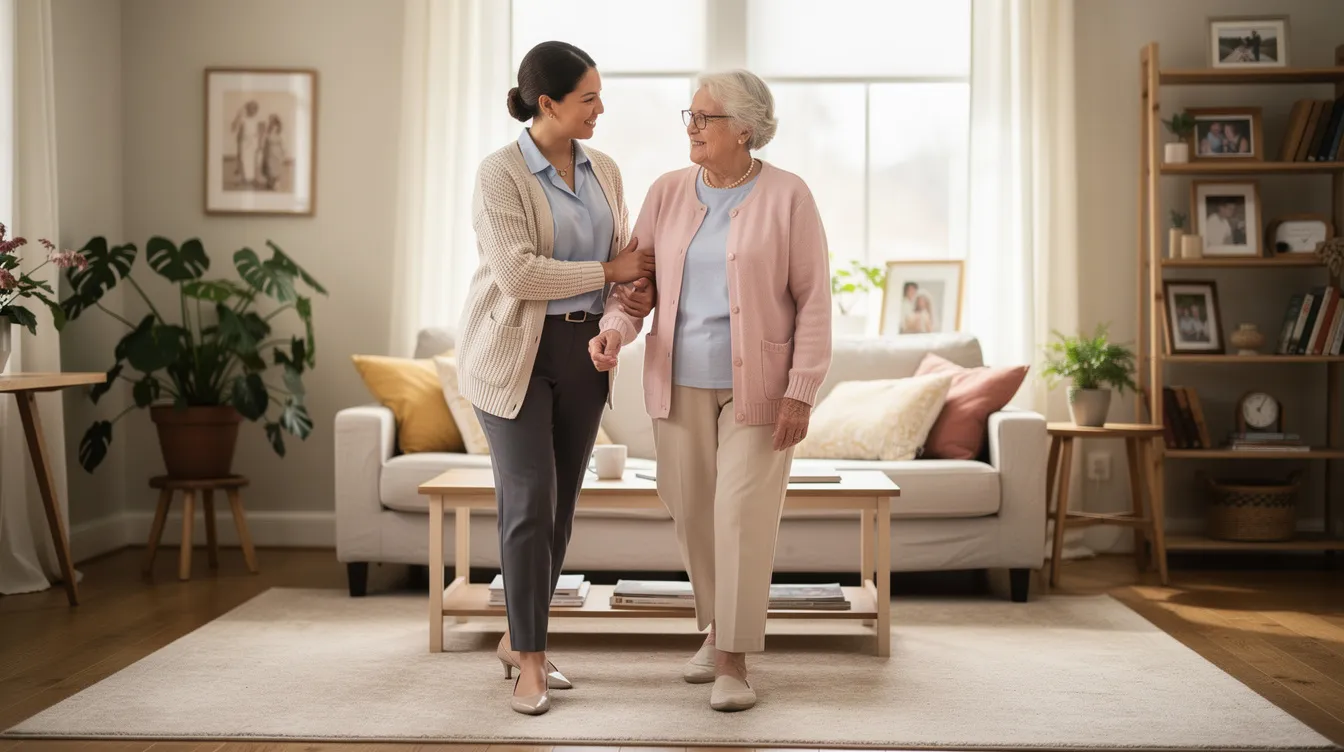
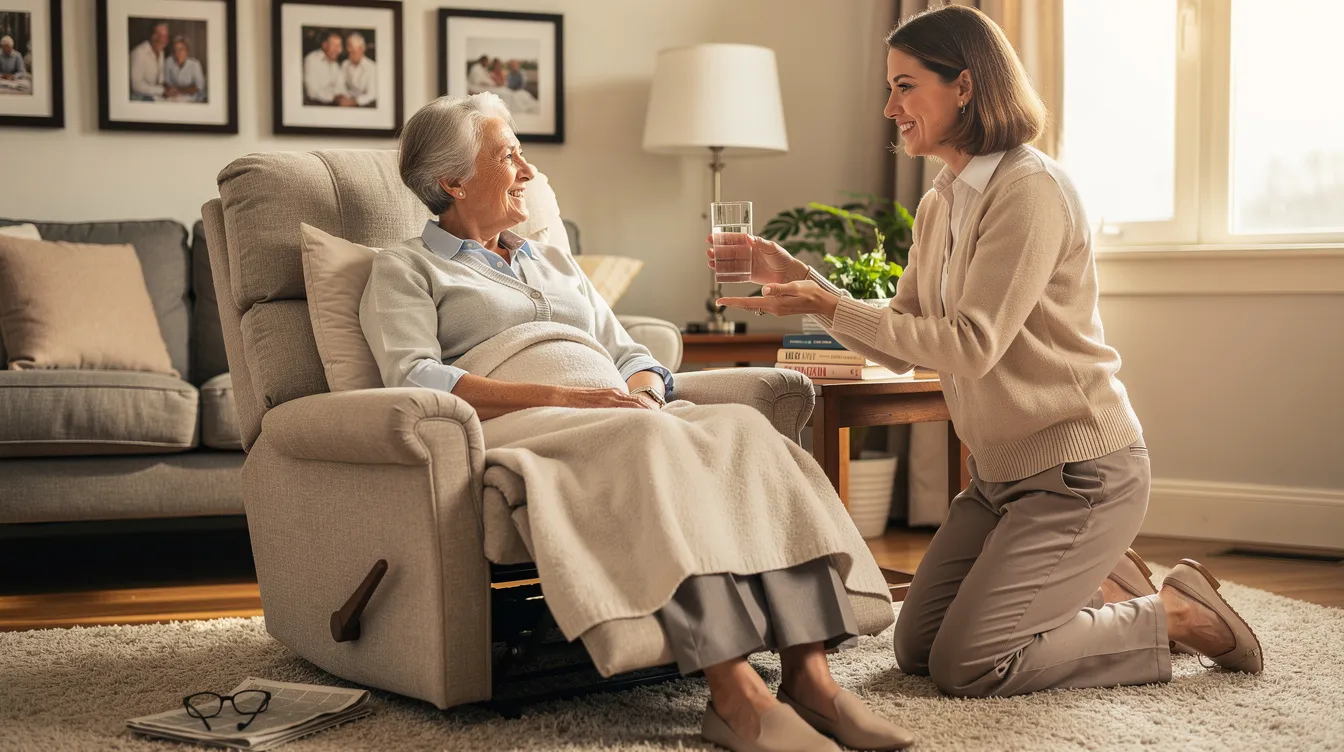
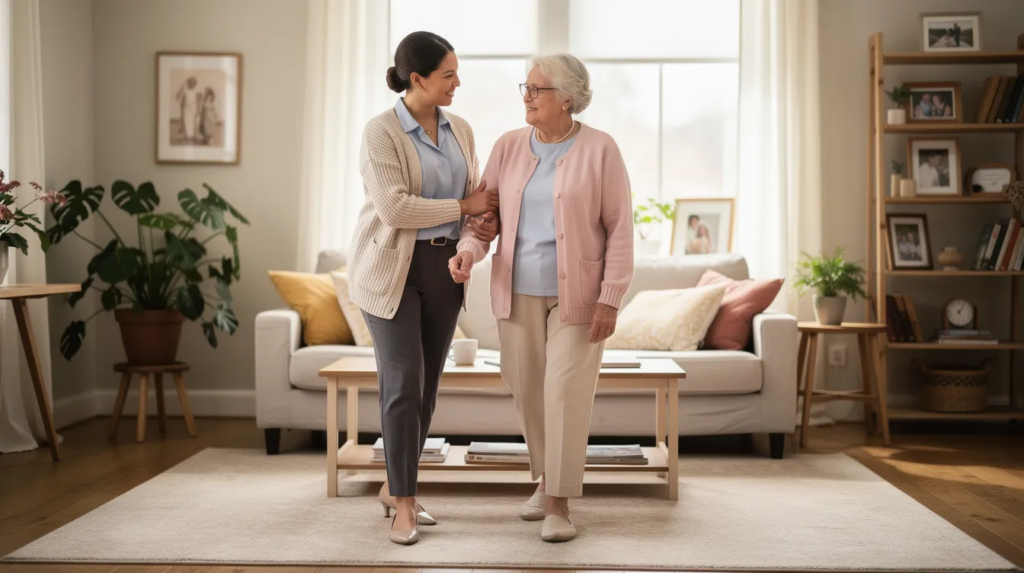
Companion care provides consistent, familiar presence through regular visits: caregivers talk, play games, share meals, escort to medical appointments, or go on short outings, offering emotional support along the way. Personal care assistance, meal preparation, light housekeeping, and medication reminders build a steady daily routine that a family can rely on, creating a safe and supportive environment that can support overall health for aging parents while keeping older family members who live farther away informed and connected.
For aging parents in Raleigh, Durham, Chapel Hill, Cary, Apex, and nearby communities, in-home companion care is one option worth considering when a parent would benefit from consistent social contact and practical support at home. When isolation is tied to safety issues, cognitive decline, complex health needs, or a need for mental health support beyond what family and companion care can provide, BlueDot Cares can also guide families through assisted living, memory care, or independent living options in Charlotte, the Triangle, and Cleveland, Ohio.
When Home Care May Not Be Enough: Considering Senior Living Options
Some situations call for more structure and more consistent access to people, activities, and care. When isolation combines with frequent falls, wandering, unmanaged medications, or advancing cognitive decline, those are broader safety needs worth discussing alongside the social piece, and it may be time to explore senior living communities.
Memory care communities and assisted living can offer regular social events, shared meals with other residents, and built-in companionship as part of daily life.
BlueDot Cares offers no-cost senior placement services to help families compare assisted living, memory care, and independent living communities based on care needs, budget, and location. In-home care and senior living are complementary options – a thoughtful plan can start with home care and transition when the time is right.
Next Steps if You’re Worried About a Lonely Parent
Here is where to start:
-
Keep a short log of concerning signs: changes in mood, routines, self-care, and social connections over several weeks.
-
Have a conversation with your aging parent. Approach it gently, without judgment.
-
Contact their primary care provider if you notice combined physical symptoms and emotional changes; they can rule out underlying conditions and offer helpful advice on next steps.
-
Reach out to BlueDot Cares for a no-obligation conversation about companion care, respite care for family caregivers, or overnight and 24-hour support if safety is a concern.
-
Explore your local area agency on aging and community resources for programs available in your area, including support groups or classes designed for lonely seniors in your community.
Recognizing the signs of loneliness is a starting point for understanding what has changed and what kind of support could help, for both your parent and your own family. Whether you start with a weekly phone call, a companion care visit, or a conversation about senior living, the goal is the same: help your parent feel connected again.

Jimmy Clonaris is Managing Partner at BlueDot Cares, where he oversees operations, caregiver standards, and service delivery for in-home care across the organization. With more than 19 years of experience in healthcare and over a decade with BlueDot, he has been directly involved in building and scaling care programs that support individuals aging at home.
His work focuses on the practical side of care delivery. This includes caregiver training and oversight, care plan consistency, and coordination with families and local healthcare professionals. Jimmy is actively involved in ensuring that care is not only well-structured on paper, but executed reliably in the home.
Over the course of his career, he has worked with thousands of families navigating care decisions, from short-term recovery support to long-term in-home care. His approach is grounded in clear communication, accountability, and building systems that allow caregivers to deliver consistent, high-quality support.
Under his leadership, BlueDot Cares has grown to support tens of thousands of families while maintaining a locally operated, relationship-driven model. He continues to focus on strengthening the team, improving care standards, and ensuring families have a dependable partner when care is needed.