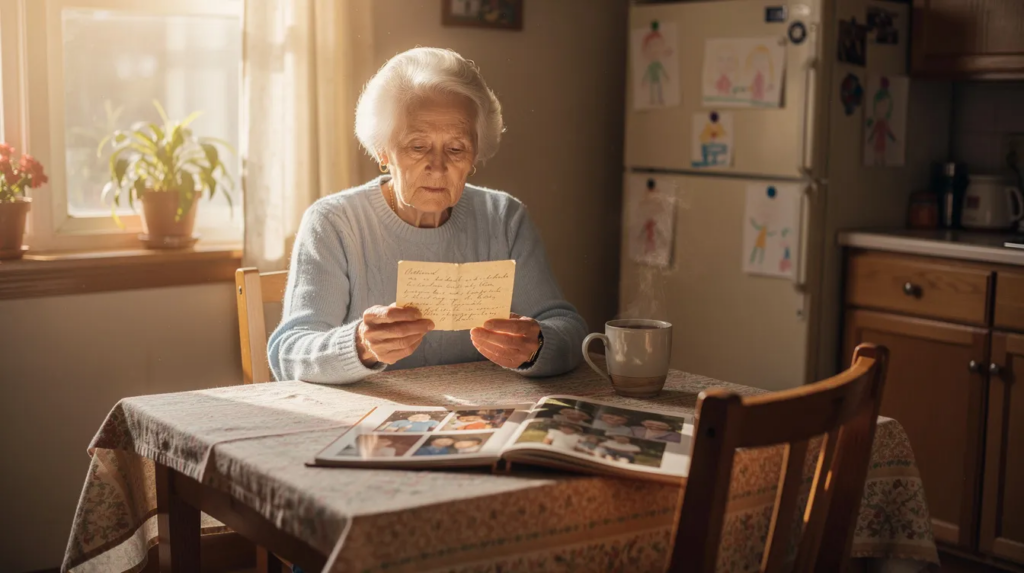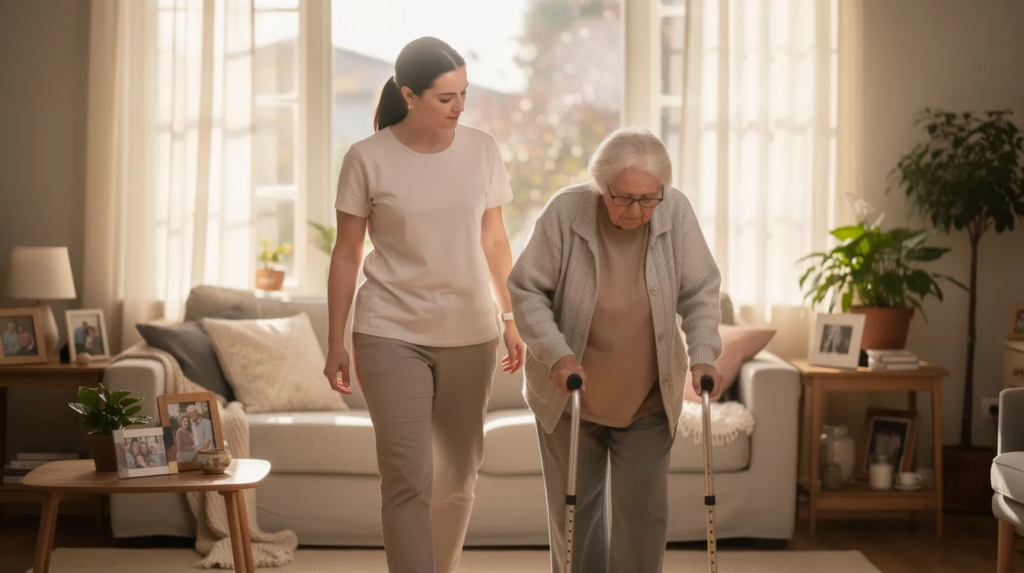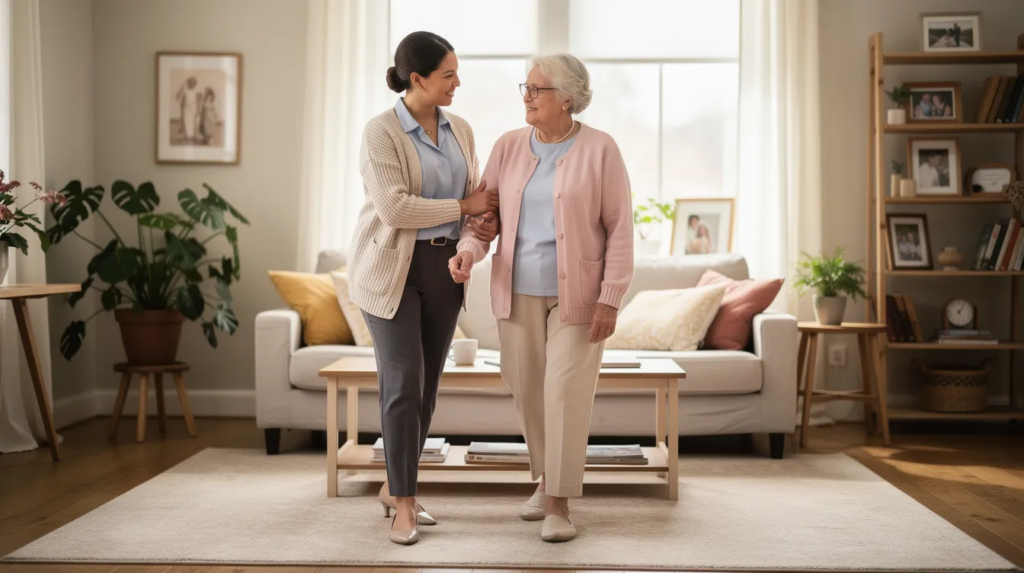
If you are providing care for a parent, spouse, or loved one living with dementia in Charlotte or across the Triangle (Raleigh, Durham, Chapel Hill, or a nearby community), you already know how isolating and exhausting the work can feel. A dementia caregiver support group can offer the connection, knowledge, and relief that make it possible to keep going.
Why Dementia Caregiver Support Groups Matter Right Now
Family caregivers across North Carolina’s fastest-growing metro areas are carrying enormous responsibility, often without a clear plan or anyone who truly understands what they face each day. Whether your loved one has Alzheimer’s disease, Lewy body dementia, or other dementias, the daily demands of supervision, safety, and emotional labor can build quietly until they become unmanageable.
A dementia caregiver support group is a regularly scheduled meeting, often weekly or monthly, where dementia caregivers share experiences, learn strategies for managing difficult behaviors, and receive confidential support from people who are living through similar challenges. These groups meet in person at churches, senior centers, and community spaces, or online through video platforms. Support groups can increase social connection and decrease feelings of isolation, and they provide emotional validation for caregivers facing complex feelings like grief, guilt, and frustration.
Consider a daughter in Cary caring for her mother with middle-stage Alzheimer’s. After months of handling wandering episodes and sundowning alone, she joined a local group and found shared language for what she was going through. She reported feeling less alone and more confident managing daily routines. Joining a support group can reduce feelings of isolation for caregivers, and the practical tips exchanged during meetings, from ideas for creating a dementia-friendly home to strategies for communicating with medical providers, often have an immediate impact.
BlueDot Cares encourages caregiver support groups as a complement to in-home care and respite care, not a replacement. When a professional caregiver is present at home, family members gain the breathing room to attend meetings, rest, or simply step away.
Top benefits of dementia caregiver support groups:
-
Reduced isolation and stronger social connection
-
Practical caregiving tips for behavior management and safety
-
Education about disease stages and local resources
-
Emotional validation and lower anxiety
-
Awareness of services like companion care, respite care, and senior placement
Who Are Dementia Caregivers & What Makes Their Role Unique?
Dementia caregivers are spouses, adult children, friends, and other unpaid caregivers who provide daily physical, emotional, and supervisory assistance to people living with Alzheimer’s disease and related dementias. Many do not initially see themselves as caregivers. They see themselves as a good child, a devoted spouse, or a loyal friend, and they often wait too long to seek caregiver support.
What makes dementia caregiving distinct from other forms of caregiving is the combination of progressive memory loss, personality changes, unpredictable behaviors, and the need for constant supervision over many years. According to Alzheimer’s Association research, in 2021 over 11 million caregivers provided 16 billion hours of unpaid care for people living with dementia. That figure has since grown: the Association’s more recent estimates put it at approximately 12.7 million unpaid caregivers providing an estimated 19.6 billion hours annually. The same research finds that roughly 92 percent of people with dementia rely on unpaid caregivers, and that dementia caregivers tend to provide more extensive assistance than other caregivers, covering everything from bathing and dressing to managing finances and medical appointments.
-
Supervision demands: Wandering, fall risk, and safety concerns require near-constant vigilance
-
Behavioral challenges: Agitation, aggression, repetition, and resistance to care
-
Emotional strain: Anticipatory grief, guilt, and the slow loss of a person’s former identity
-
Physical toll: Chronic sleep deprivation, higher risk of depression and stress-related illness
-
Financial pressure: Lost income, out-of-pocket expenses, limited paid leave
-
Sandwich generation stress: Many North Carolina care partners juggle raising a child, working, and providing care for older adults simultaneously
Research from the Alzheimer’s Association also finds that dementia caregivers report needing additional support at roughly double the rate of other caregivers, yet many do not access help until a crisis forces the issue.
How Dementia Caregiver Support Groups Help Family Caregivers
Support groups directly address the challenges that make dementia caregiving so difficult. When a person living with dementia refuses to bathe, wanders at night, or no longer recognizes family members, caregivers need more than general advice. They need strategies from other caregivers who have faced the same situations. Members of support groups share practical advice for managing caregiving challenges, and other caregivers often provide strategies for communication problems that no textbook can fully prepare you for.
The Alzheimer’s Association’s research also finds that dementia caregivers experience higher stress levels than other caregivers, yet 45 percent still find their role rewarding despite that stress, particularly when they feel supported and equipped. Talking about feelings in support groups lowers anxiety and depression levels in caregivers. Learning mindfulness and stress-management techniques helps lower caregiver anxiety further, and caregivers gain a greater sense of confidence through shared experiences in groups.
Key benefits include:
-
Emotional support: A judgment-free space for caregivers to express frustrations, reducing guilt and grief
-
Practical skills: Real-world caregiving tips for behavior management, daily routines, and home safety
-
Education: Understanding the progression of dementia, legal and financial planning, and treatment options
-
Burnout prevention: Self-care strategies, stress management, and validation from peers who understand
-
Resource awareness: Many Charlotte and Triangle families first hear about home care services, companion care, and respite care through their support group
-
Connection to specialists: Groups often share information from trusted sources such as the Alzheimer’s Association and the National Institute on Aging
-
Longer caregiving capacity: Caregivers who feel supported stay healthier and continue providing care longer
Types of Dementia Caregiver Support Groups (In-Person, Online, and By Phone)
Dementia caregiver support groups now come in flexible formats designed to fit different schedules, comfort levels, and access needs. Regular meeting times are important for the structure of a support group, regardless of format.
-
In-person groups: Hosted at churches, community centers, senior centers, and memory care communities in Charlotte and the Triangle (including Raleigh, Durham, Chapel Hill, and Cary) and surrounding towns. They typically meet once or twice a month and provide face-to-face connection, local resource sharing, and a sense of community. Promoting the group through local community boards can enhance visibility and reach more caregivers who need help.
-
Online and virtual groups: Video meetings via Zoom or similar platforms allow caregivers to stay connected without leaving the person living with dementia alone. These are especially helpful for caregivers in communities like Pittsboro, Holly Springs, or Wake Forest.
-
Telephone support: Scheduled call-in groups and helplines serve caregivers who are not comfortable with video or have limited internet access.
-
Specialized groups: Some focus on early-onset Alzheimer’s, frontotemporal dementia, spouse-only or adult-child-only groups, faith-based gatherings, or veteran caregivers. Choosing a group that matches your situation can make the experience more relevant.
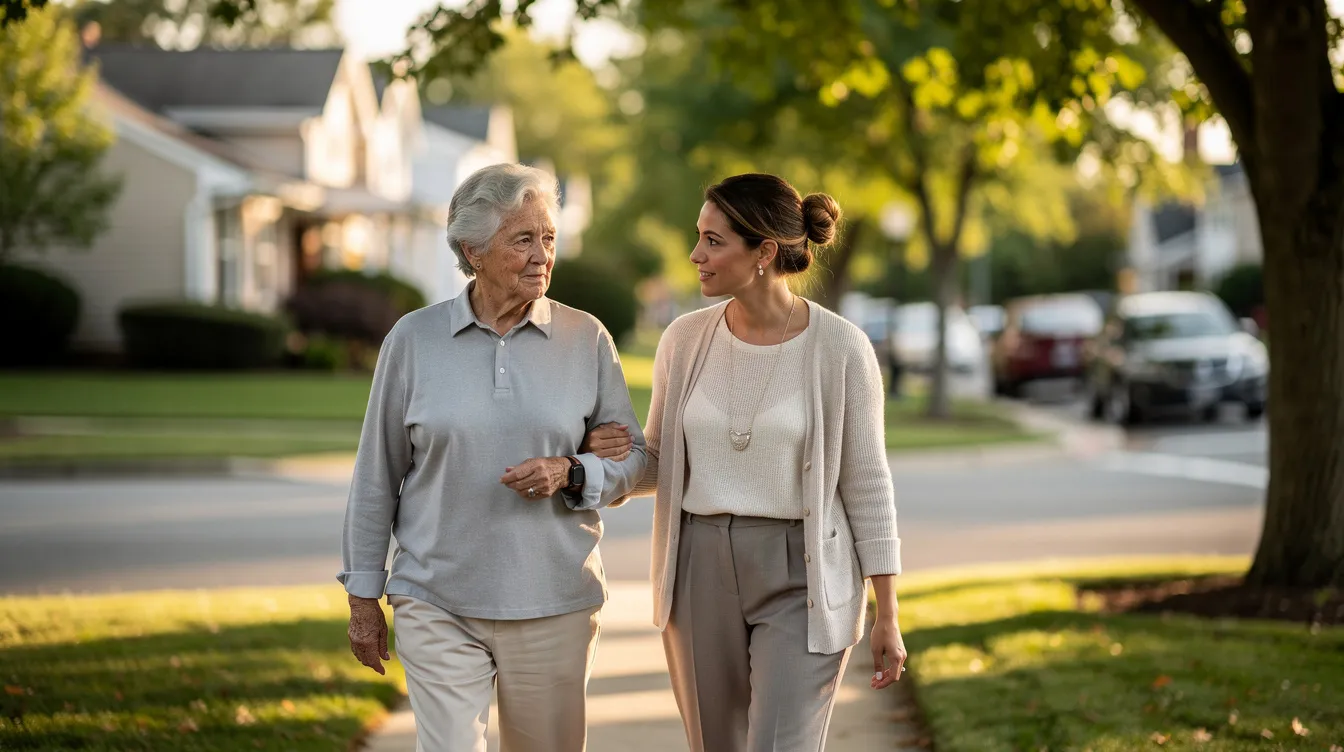
What to Expect at a Dementia Caregiver Support Group Meeting
Walking into a support group for the first time, whether in person or online, can feel uncertain. Knowing the typical flow helps. Most meetings last 60 to 90 minutes and follow a consistent structure:
-
A trained facilitator or social worker opens with ground rules, including confidentiality and a judgment-free environment
-
Each person shares a brief introduction: first name, relationship to the person with dementia, and current stage of the disease
-
Caregivers take turns describing a recent challenge, such as wandering at night, refusal to bathe, confusion about time, or difficulty with meals
-
The group discusses strategies that have worked, from in-home routines and safety modifications to ways of handling resistance to care
-
A short education segment may cover a focused topic like creating a dementia-friendly home, building daily structure, or how to talk with doctors about treatment and diagnosis
-
Handouts or links are shared on topics such as lighting adjustments, removing trip hazards, labeling cabinets, and planning for future care needs
-
The facilitator wraps up with takeaways, reminders of the next meeting, and referrals to home care, memory care, or respite services
Support groups build a community of peers who understand caregiving challenges, and over time, caregiver support groups can develop into lasting social networks. It is perfectly fine to just listen at first. Participation grows naturally as trust builds.
Local & National Dementia Caregiver Resources for North Carolina Families
Support groups often connect caregivers to a broader web of local resources that extend well beyond the meeting itself. Finding a caregiver support group can be done through local agencies and organizations, and assessing the need for a new support group is essential before starting one in an underserved area.
Local resources in Charlotte and the Triangle:
-
County-based Aging and Disability Resource Centers and Area Agencies on Aging in Mecklenburg, Wake, Durham, and Orange counties offer caregiver support groups, workshops, and respite programs
-
Hospital-based memory clinics and neurology practices that run or refer to caregiver education classes
-
Faith communities and nonprofit organizations hosting regular dementia caregiver meetings and respite events
-
Support groups help connect caregivers to local resources and respite services
National resources:
-
The Alzheimer’s Association offers a 24/7 Helpline at 1.800.272.3900, along with online and local support groups, education programs, and care consultations. The association includes information on research, clinical trials, and programs for families at every stage.
-
The National Institute on Aging provides detailed information on Alzheimer’s disease and related dementias, downloadable guides, and links to clinical trials
-
The Alzheimer’s Foundation of America offers support to families and caregivers through webinars, fact sheets, and online tools
These resources help caregivers understand diagnosis and symptoms, manage behaviors, navigate Medicare and Medicaid, and access safety programs like wandering response and tracking devices.
How BlueDot Cares Supports Dementia Caregivers in Charlotte & the Triangle
BlueDot Cares is a local provider of non-medical in-home care and senior placement services serving Charlotte and the Triangle (including Raleigh, Durham, Chapel Hill, Cary, Apex, Morrisville, and Wake Forest) and nearby communities. Our services are designed to work alongside caregiver support groups, giving families the day-to-day help they need to sustain their well-being over time.
-
Personal care and companion care keep older adults safely at home while giving family caregivers breathing room for their own life, mental health, and responsibilities
-
Respite care, overnight care, and 24-hour home care prevent caregiver burnout and allow caregivers to attend evening or weekend support groups without worrying about their loved one’s safety
-
Dementia and Alzheimer’s care in the home includes assistance with bathing, dressing, meal preparation, medication reminders, and engaging activities tailored to the person’s history and interests
-
Home safety checks help families create a dementia-friendly home environment through fall prevention, better lighting, clear pathways, and labeled cabinets
-
Senior placement services provide free guidance when home is no longer the safest option, helping families compare assisted living, memory care, and independent living communities in Charlotte, the Triangle, and Cleveland, Ohio. This is a free service for families, and we position it as a next step when in-home care and support groups are no longer enough on their own
-
Comprehensive planning: We encourage families to combine regular participation in caregiver support groups, practical day-to-day help from professional caregivers, and ongoing planning for future care needs, including a video tour of potential communities when considering senior living

Choosing a Dementia Caregiver Support Group & Next Steps
Selecting the right group starts with a few honest questions about your situation. Consider whether your loved one has Alzheimer’s disease or other dementias such as Lewy body or vascular dementia, since progression and behaviors differ. Decide whether a general group or a spouse-only or adult-child-only group would feel more relevant. Check meeting times, frequency, and whether you prefer in person, online, or phone access.
Concrete steps you can take this week:
-
Ask your loved one’s primary care physician or neurologist for local dementia caregiving group referrals
-
Contact your county’s center on aging, a local senior center, or a faith community for meeting schedules
-
Visit the Alzheimer’s Association website to search for caregiver support groups by ZIP code
-
Connect with friends or family members who may also be eligible to attend and benefit from shared support
-
Reach out to BlueDot Cares if you need in-home dementia care so you can safely leave the person living with dementia to attend a group, or if you want to discuss no-cost senior placement when considering a nursing home, assisted living, or memory care
Attend at least two or three meetings before deciding if a group is the right fit. Comfort and trust build over time, and many caregivers say the group became one of the most helpful parts of their week. You do not have to feel guilty about taking time for yourself. You do not have to navigate dementia caregiving alone. Support groups, in-home care, and community resources are available right in your own backyard, and taking the first step can change everything about how you experience this journey.

Jimmy Clonaris is Managing Partner at BlueDot Cares, where he oversees operations, caregiver standards, and service delivery for in-home care across the organization. With more than 19 years of experience in healthcare and over a decade with BlueDot, he has been directly involved in building and scaling care programs that support individuals aging at home.
His work focuses on the practical side of care delivery. This includes caregiver training and oversight, care plan consistency, and coordination with families and local healthcare professionals. Jimmy is actively involved in ensuring that care is not only well-structured on paper, but executed reliably in the home.
Over the course of his career, he has worked with thousands of families navigating care decisions, from short-term recovery support to long-term in-home care. His approach is grounded in clear communication, accountability, and building systems that allow caregivers to deliver consistent, high-quality support.
Under his leadership, BlueDot Cares has grown to support tens of thousands of families while maintaining a locally operated, relationship-driven model. He continues to focus on strengthening the team, improving care standards, and ensuring families have a dependable partner when care is needed.