Choosing Trusted In-Home Senior Care in Charlotte
Choosing reliable in-home senior care in Charlotte can feel overwhelming. At BlueDot Cares, we understand that families need clear, evidence-based information and real options to ensure their aging loved ones remain safe and comfortable at home. This comprehensive guide outlines the most critical factors to consider, the types of services available, how to verify caregiver qualifications, expected costs, and essential questions to ask agencies. Our goal is to help you find care that balances quality, safety, and affordability, supported by data and expert insights.
“Trust in home care is built through consistent, compassionate attention to each individual’s needs. Families need to feel confident that caregivers are not only skilled but truly understand the importance of preserving dignity and independence,” says Jimmy Clonaris, Partner at BlueDot Cares. “Our approach centers on listening carefully to families and tailoring support so seniors can thrive in their own homes.”
Key Types of In-Home Senior Care Services in Charlotte
The most common in-home senior care services in Charlotte include:
- 24-Hour Home Care
- Alzheimer’s & Dementia Care
- Bathing and Grooming Assistance
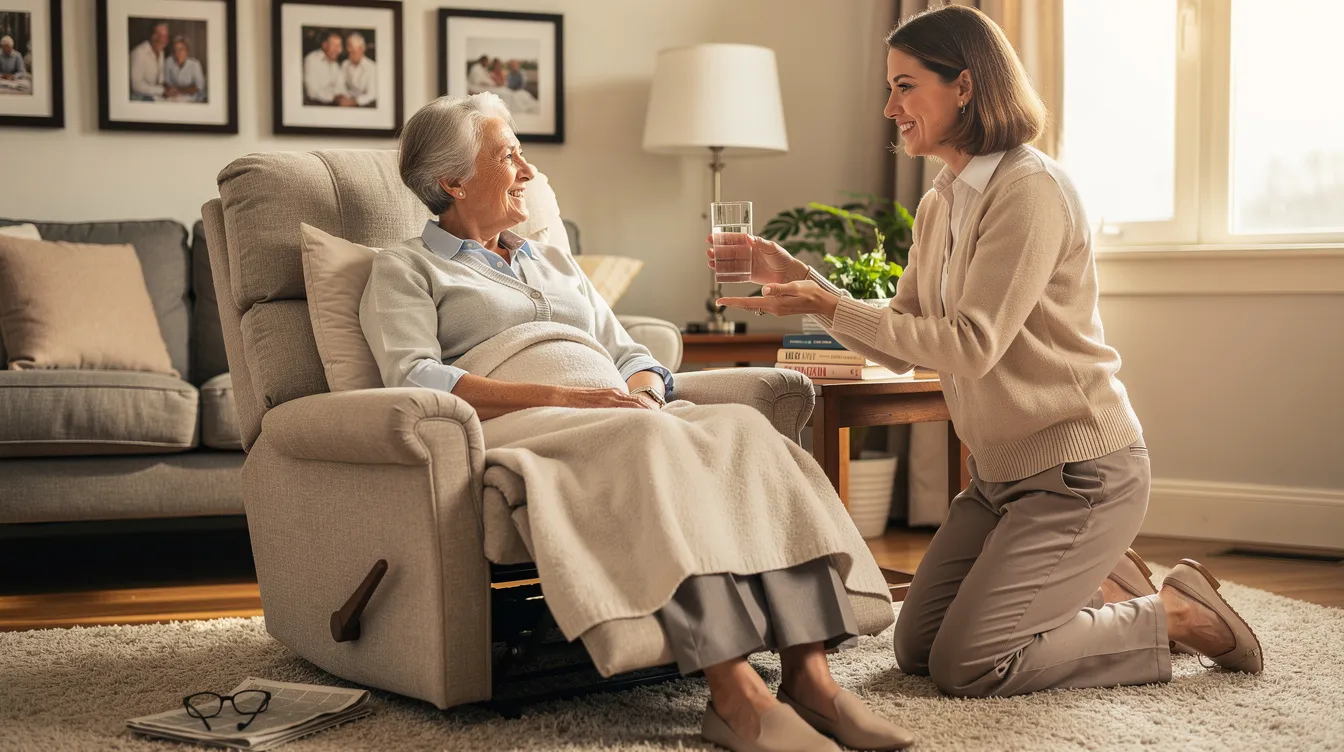
- Companion Care
- Errands and Transportation
- Light Housekeeping
- Meal Preparation
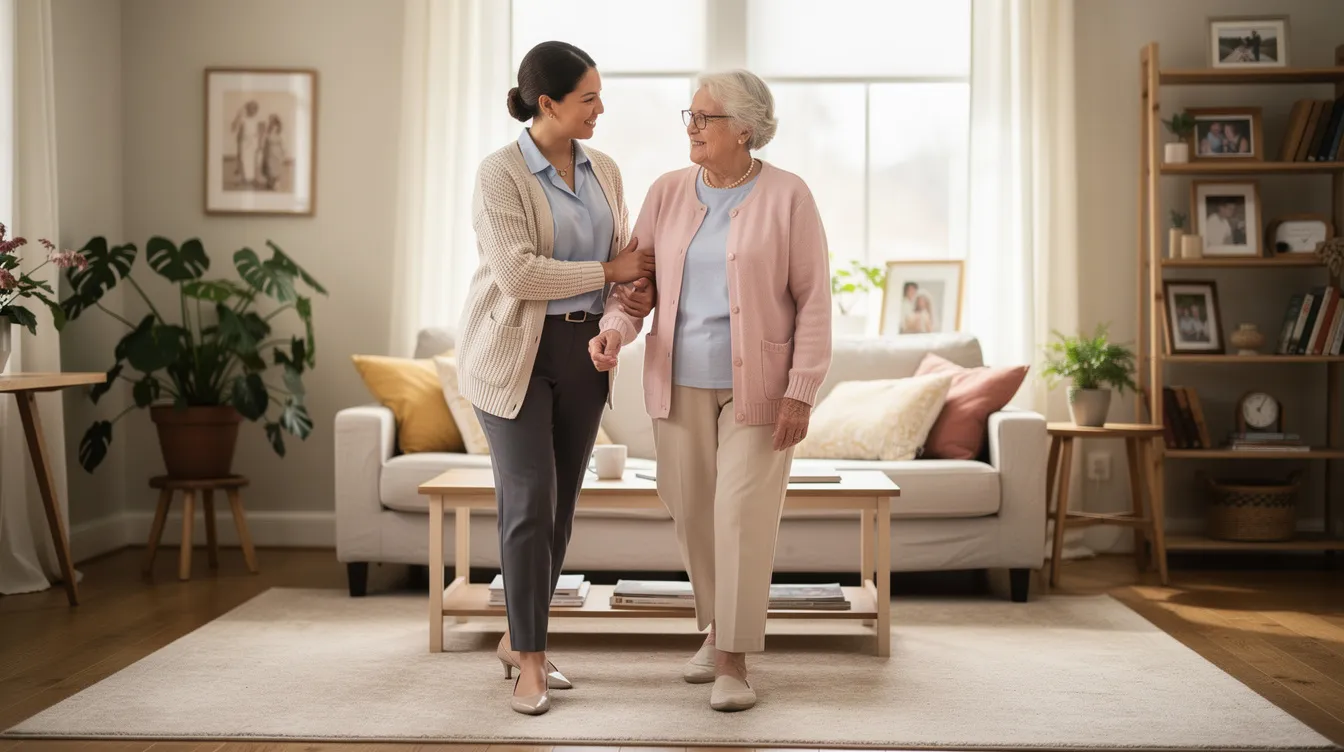
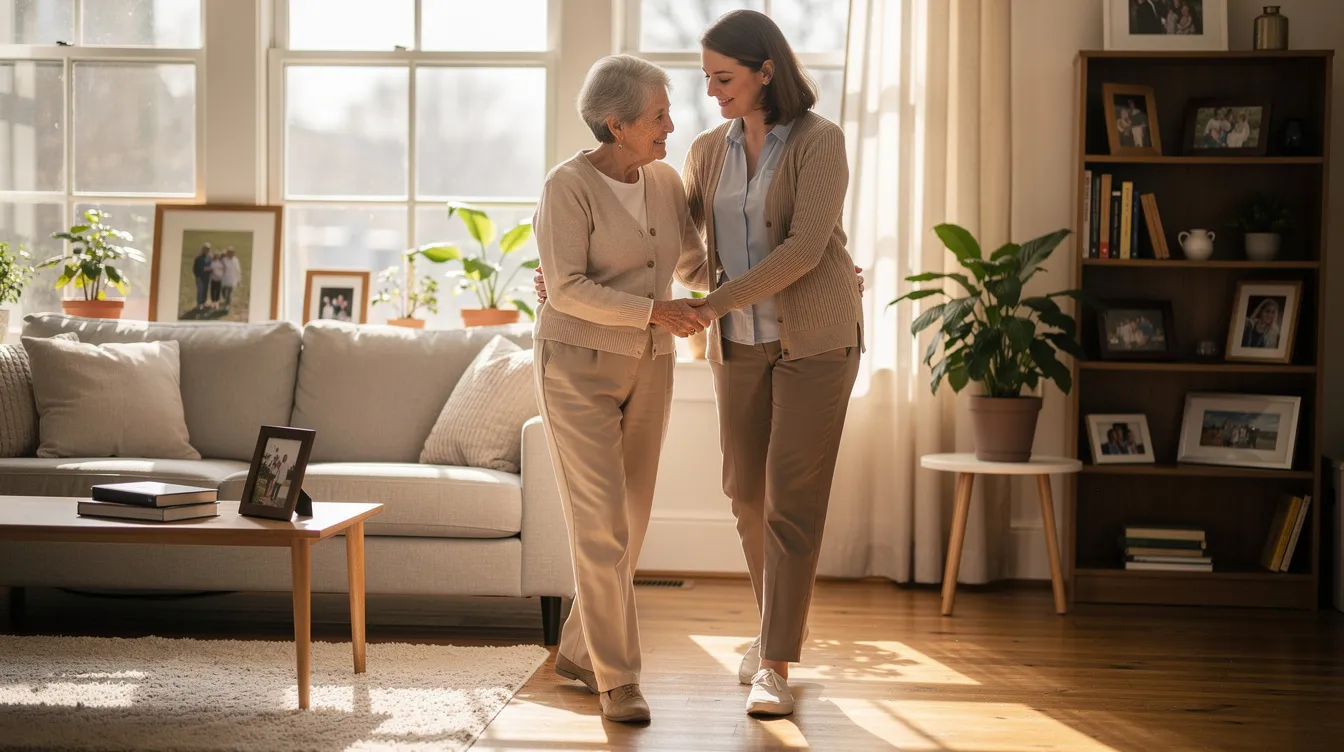
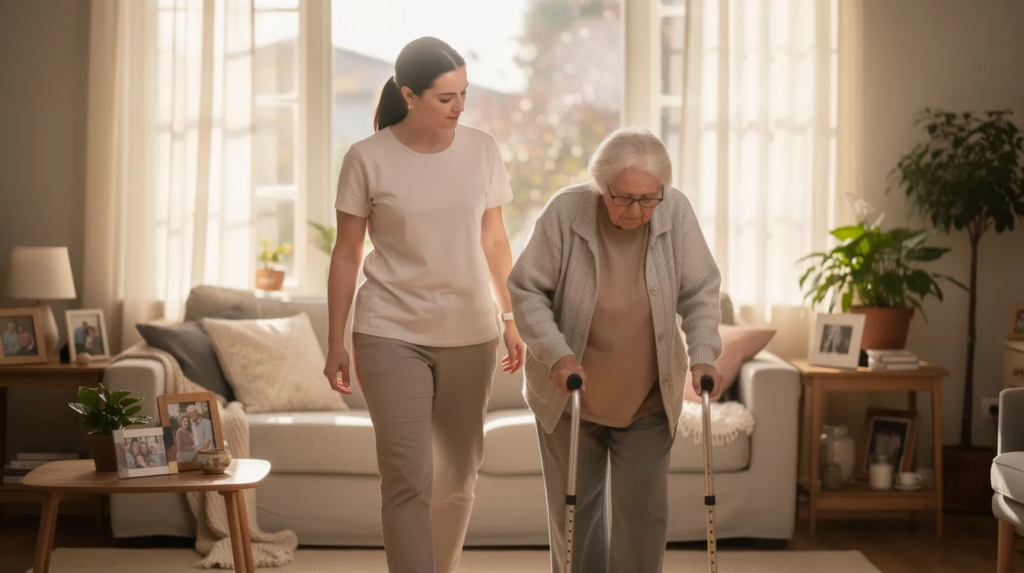
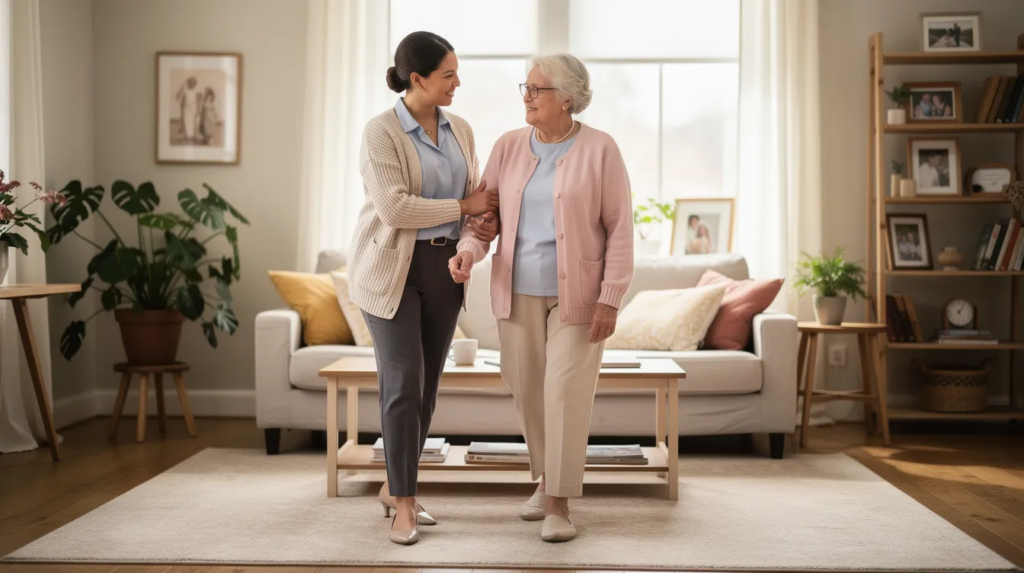
- Mobility and Transfers
- Overnight Care
- Respite Care
- Senior Living Placement Assistance
Understanding these service types helps families match care to their loved one’s specific needs, whether that means a few hours of companionship weekly or round-the-clock support. According to the National Institute on Aging, personalized in-home care significantly improves seniors’ ability to maintain independence and reduces hospitalizations by up to 30%.
How Does Personalized Senior Care in Charlotte Support Aging Parents?
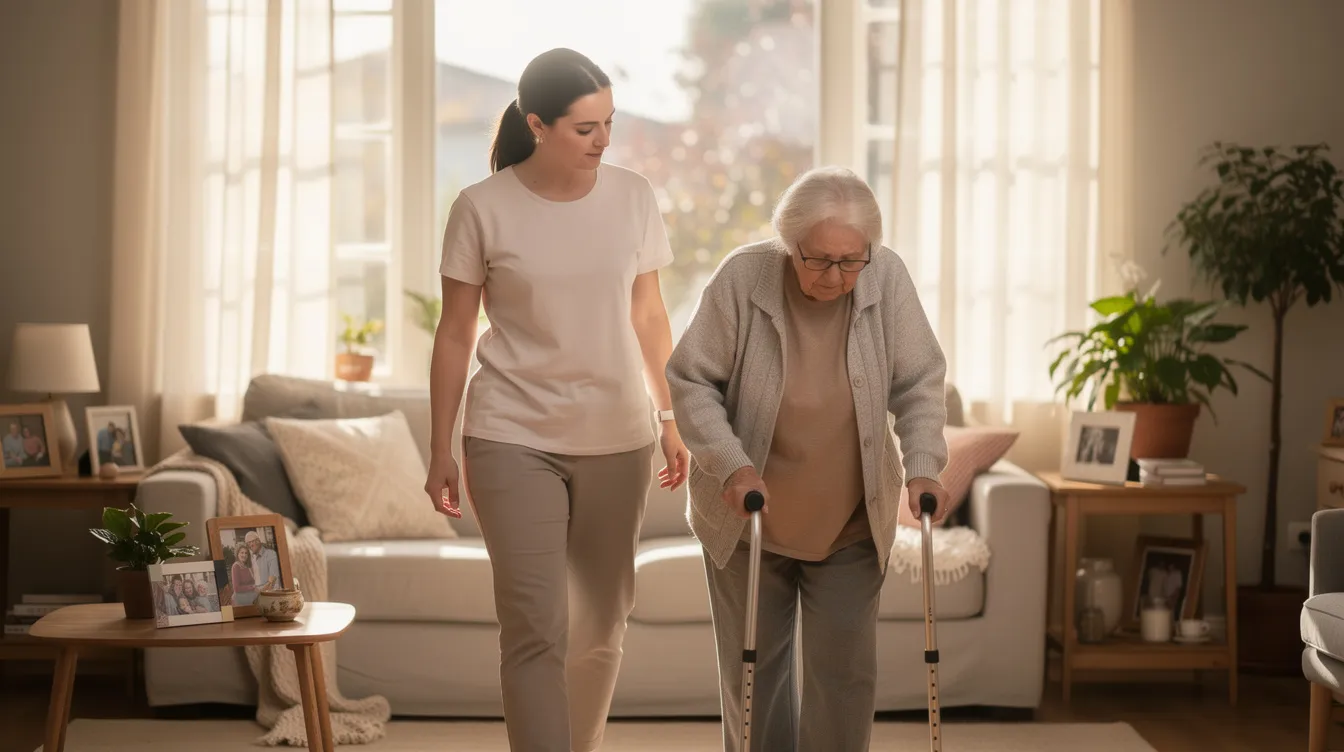
Personalized home senior care in Charlotte is designed around the individual’s unique needs. Caregivers assist with daily tasks such as:
- Meal preparation
- Light housekeeping
- Grooming
- Safe mobility
- Companionship and emotional support
What Specialized Dementia and Alzheimer Care Options Are Available?
Specialized dementia and Alzheimer’s care focuses on safety, routine, and emotional support. Common options include:
- Alzheimer’s & Dementia Care
- 24-Hour Home Care
- In-Home Care Services tailored to cognitive needs
- Respite Care for family caregivers
Evaluating and Verifying Caregiver Qualifications and Trustworthiness

When assessing caregiver qualifications, consider these evidence-based criteria:
- Experience and Training: Confirm caregivers have documented home-care experience and access to ongoing training, including clinical oversight by registered nurses (RNs). The Home Care Association of America recommends continuous education to maintain high standards.
- Licensing and Insurance: Verify that the agency is licensed, bonded, and insured to protect against liability and ensure compliance with state regulations.
- Satisfaction Guarantee: Choose agencies that offer satisfaction guarantees or trial periods, reflecting confidence in their services.
- Availability: Ensure the agency provides 24/7 response capabilities for urgent needs, a critical factor in emergency situations.
- Local Ownership: Locally owned agencies often have deeper community ties and can respond more quickly and personally to client needs.
- Testimonials and Reviews: Review client feedback on platforms like Google and Yelp, and request references to verify consistent quality and reliability.
These steps help ensure caregivers entering your home are skilled, vetted, and supported by a reputable organization.
What Background Checks and Certifications Should Trusted Caregivers Have?
Trusted caregivers should undergo comprehensive criminal background checks and, if providing transportation, driving-record verifications. Essential certifications include:
- CPR and first aid
- Specialized dementia training for those caring for individuals with cognitive decline
According to a 2025 study published in the Journal of Aging & Social Policy, dementia-specific training significantly improves caregiver competence and patient safety.
Enhancing In-Home Caregiver Dementia Training
Many in-home supportive services (IHSS) caregivers historically receive limited dementia training. A 10-week competency-based IHSS + ADRD training program demonstrated measurable improvements in dementia knowledge and caregiver confidence, as reported by J. Yeh in 2025. This evidence underscores the importance of structured training programs to elevate care quality.
What Financial Assistance and Insurance Options Support Senior Care in Charlotte Providers?
Available financial support includes:
- Medicaid programs that may cover some in-home services
- Long-term care insurance policies
- Veterans’ benefits
Note that Medicare generally does not cover long-term personal care. Some agencies offer sliding scale fees or flexible payment plans; inquire about these options during initial consultations.
Additionally, state-funded programs and grants, such as the National Family Caregiver Support Program, provide resources and respite care funding to ease the financial burden on family caregivers.
Essential Questions to Ask When Choosing a Trusted Home Care Agency

To evaluate an agency’s approach to care, ask:
- What is the agency’s hiring process for caregivers, including background checks and training?
- How does the agency handle ongoing caregiver training and clinical supervision?
- What policies govern caregiver replacements if needed?
- How does the agency ensure client safety and well-being?
- What are the agency’s communication protocols with family members?
Clear, detailed answers indicate an organized, transparent agency focused on reliable, person-centered care.
What Client Testimonials and Reviews Reveal About Local Senior Care Providers?
Reviews and testimonials provide insight into everyday service quality. Look for specific examples of:
- Reliability
- Communication
- Problem resolution
Check platforms like Google and Yelp, and request references to hear directly from current or past clients.
Senior Living Placement Alternatives and Their Complement to In-Home Senior Care in Charlotte
Alternatives such as assisted living and skilled nursing offer more intensive, on-site support when home care is insufficient. These options complement in-home care during transitions or when higher levels of medical supervision are necessary.
When Is Senior Living Placement Recommended Over In-Home Care?
Placement is often advised when:
- Full-time clinical supervision is required
- Serious mobility or behavioral challenges exist
- Services cannot be reasonably provided at home
Family preferences and quality-of-life considerations should guide decisions.
Decision-making framework:
- Assess medical and behavioral care needs.
- Evaluate home environment safety and caregiver availability.
- Consider the senior’s social and emotional preferences.
- Consult healthcare professionals and family members.
How Do Senior Living Services Integrate with Home Health Senior Care in Charlotte?
Senior living communities and home care providers coordinate to facilitate smooth transitions, share medical records, communicate with families, and align care plans to ensure continuity. Examples include:
- Joint care conferences
- Shared electronic health records
- Coordinated medication management
Technology Enhancing Trusted In-Home Care Services in Charlotte
Technology enhances safety and care coordination. Secure communication tools and shared electronic care records enable teams to stay aligned and respond promptly.
What Role Does Technology-Enabled Monitoring Play in Dementia Care?
Monitoring systems track movement and send alerts if anomalies occur, providing caregivers and families with an additional safety layer. When implemented thoughtfully, these tools support safety without compromising dignity.
Examples include:
- GPS tracking devices and wearable sensors to prevent wandering
- Smart home devices monitor environmental hazards such as stove usage or door openings
How Are Local Agencies Using Technology to Improve Care Coordination?
Local agencies employ electronic health records and messaging platforms to keep caregivers, clinicians, and family members informed. Improved information flow reduces miscommunication and enhances care outcomes.
For families exploring options beyond in-home assistance, senior living placement services provide expert guidance. Many families begin their search with in-home senior care in Charlotte to support their aging loved ones at home. If higher levels of care are needed, consider alternatives to in-home care that offer more medical supervision.
Conclusion
Finding trusted in-home senior care in Charlotte requires selecting services that align with your loved one’s needs, verifying caregiver training and screening, and comparing transparent pricing. Local agencies prioritizing clinical oversight, 24/7 availability, and clear communication simplify this process. For personalized support, contact local providers to discuss tailored care plans and take the next step toward secure, compassionate care.
Key Takeaways
- Personalized care improves independence and reduces hospitalizations.
- Specialized dementia training enhances caregiver competence and patient safety.
- Verify caregiver qualifications, including background checks, certifications, and agency licensing.
- Compare costs and services carefully, prioritizing value and flexibility.
- Technology supports safety and coordination without compromising dignity.
- Senior living placement is a valuable alternative when higher care levels are needed.
About the Author
Jimmy Clonaris is a Partner at BlueDot Cares with extensive experience in senior care services. He is dedicated to ensuring quality care through informed decision-making and long-term family support. His leadership emphasizes personalized care plans and preserving dignity and independence for seniors in their homes.

Jimmy Clonaris is Managing Partner at BlueDot Cares, where he oversees operations, caregiver standards, and service delivery for in-home care across the organization. With more than 19 years of experience in healthcare and over a decade with BlueDot, he has been directly involved in building and scaling care programs that support individuals aging at home.
His work focuses on the practical side of care delivery. This includes caregiver training and oversight, care plan consistency, and coordination with families and local healthcare professionals. Jimmy is actively involved in ensuring that care is not only well-structured on paper, but executed reliably in the home.
Over the course of his career, he has worked with thousands of families navigating care decisions, from short-term recovery support to long-term in-home care. His approach is grounded in clear communication, accountability, and building systems that allow caregivers to deliver consistent, high-quality support.
Under his leadership, BlueDot Cares has grown to support tens of thousands of families while maintaining a locally operated, relationship-driven model. He continues to focus on strengthening the team, improving care standards, and ensuring families have a dependable partner when care is needed.