How Companion Care Helps Seniors Stay Connected and Safe
Companion care combines friendly, regular visits with practical non-medical help, enabling older adults to stay connected, supported, and safer at home. This article explores the significant companion care advantages for seniors, detailing how it preserves independence, enhances quality of life, offers families reliable respite, and aids clearer decision-making. We’ll cover caregiver tasks, ways visits reduce loneliness, fall risk reduction, and signs to consider companion services. Families will see how routine visits lead to real improvements and understand where local, relationship-based providers fit into a care plan.
“For over two decades, our mission at BlueDot Cares has been to empower Charlotte seniors to live safely and with dignity in the comfort of their own homes. We believe in the profound impact of compassionate care, fostering true independence, nurturing human connection, and ultimately bringing invaluable peace of mind to families.” – Jimmy Clonaris, Managing Partner, BlueDot Cares
What Are the Main Benefits of Companion Care for Older Adults?
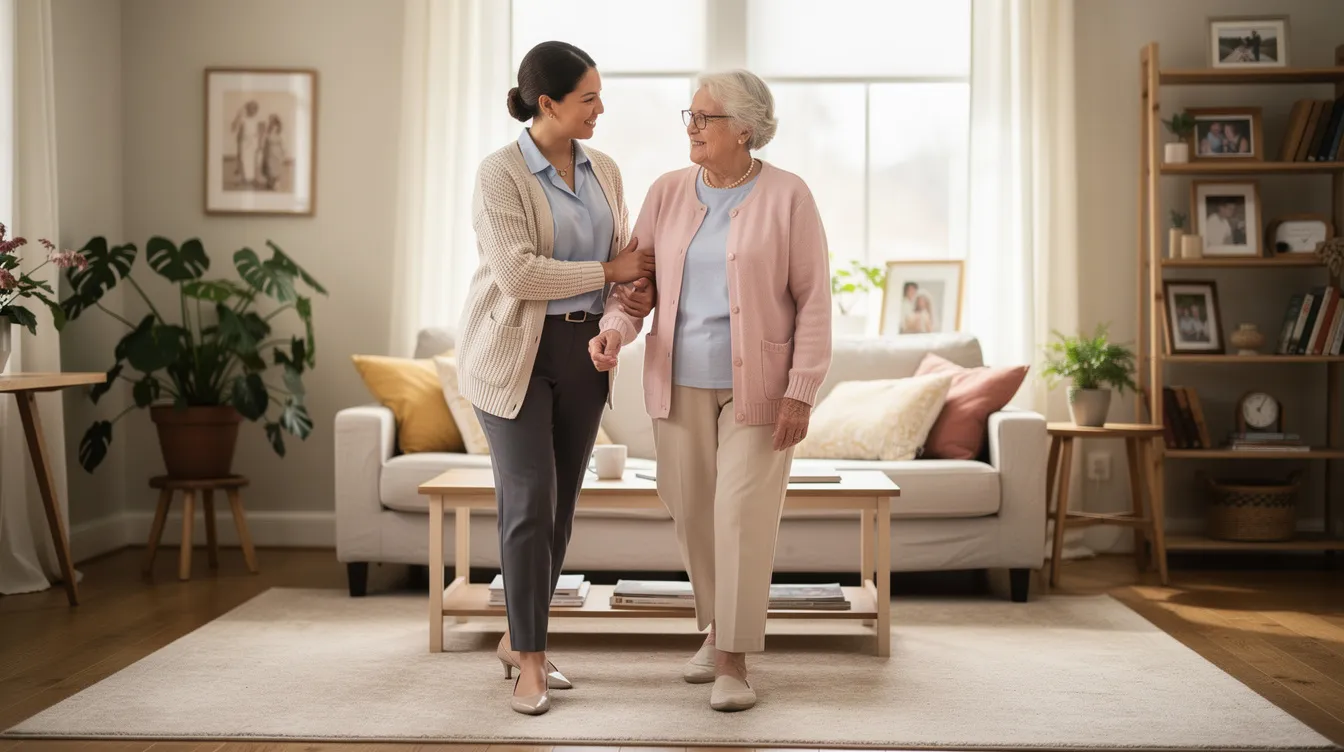
Companion care offers non-medical, in-home support focused on social connection and everyday assistance. Regular visits, conversation, and task support reduce isolation and stabilize routines. This combination supports emotional well‑being, daily functioning, and basic safety, leading to better mood, consistent meals, and fewer missed medications. Understanding these companion care advantages for seniors helps families view it as a proactive, lower‑intensity option. Here are the core benefits:
- Emotional connection: Regular visits ease loneliness and lift mood.
- Daily support: Help with errands and meals keeps routines and nutrition steady.
- Safety and supervision: Check‑ins and medication reminders reduce missed doses and incidents.
- Family relief: Predictable visits provide reliable breaks and peace of mind.
These gains also influence independence and caregiver stress, topics we explore next.
How Does Companion Care Improve Emotional Well‑being and Reduce Loneliness?
Emotional health improves with consistent social contact, purposeful activities, and thoughtful conversation from companion caregivers. Regular engagement keeps the mind active and reduces loneliness, a key aspect of companion care advantages for seniors. Research links predictable social contact with fewer depressive symptoms. Caregivers lead conversations, games, walks, or hobbies, boosting mood and mental stimulation. These visits also help spot early changes in thinking or mood, aiding timely plan adjustments.
Aging in Place: From Theory to Practice in Senior Care
This paper reviews aging-in-place strategies for frail older adults, examining community care programs and challenges like service fragmentation. It highlights policy hurdles to help more seniors remain safely at home.
– Aging in place: From theory to practice, 2014
What Daily Living Tasks Do Companion Caregivers Provide?
Companion caregivers handle non‑medical tasks that simplify daily life: light housekeeping, meal assistance, transportation to appointments, errands, and gentle medication reminders. These activities remove barriers to good nutrition, hygiene, and social participation. For instance, a caregiver accompanying a senior to the grocery store helps preserve independence, a clear example of companion care advantages for seniors. By stabilizing routines and managing essential tasks, companion care prevents minor issues from escalating.
How Does Companion Care Support Independence and Quality of Life?
Companion care helps seniors maintain routines and community engagement with supportive assistance that honors their choices. Caregivers enable tasks, offering guided help that preserves skills and dignity. When older adults continue daily activities, with support for shopping, meal prep, or outings, they often retain function longer and report higher life satisfaction. These are significant companion care advantages for seniors that translate into real independence:
- Transportation assistance: Keeps medical appointments and social events accessible.
- Guided household tasks: Helps people stay in a familiar home safely.
- Social engagement: Prevents withdrawal and supports thinking and memory.
These supports feed directly into personalized care plans and routine reviews, which we describe next.
How Does Companion Care Help Seniors Maintain Autonomy at Home?
Companion caregivers enable seniors to do what they can, stepping in only when needed. This could mean assisting with meal prep, offering walking support, or prompting choices during errands. This approach builds confidence, avoids learned helplessness, and keeps seniors involved in everyday life. Families often observe maintained abilities, highlighting key companion care advantages for seniors through guided independence.
Non‑Medical Home Support Services for Aging in Place: Beyond Dependence
This study challenges the notion that home support fosters passivity. It shows many clients actively coordinate care, adapt to needs, and maintain independence. Authors discuss how clients, families, and workers negotiate care while aging at home.
– Ageing in place with non-medical home support services need not translate into dependence, K Kuryk, 2025
How Are Personalized Care Plans Designed to Meet Senior Needs?

Personalized care plans begin with assessing daily routines, preferences, and risk areas. Goals and visit schedules balance social time with task support. Plans detail favorite activities, cultural needs, mobility limits, and communication style, with regular check‑ins for adaptation. Measurable goals, like weekly outings or daily medication prompts, and family involvement in reviews ensure aligned expectations, showcasing further companion care advantages for seniors.
How Does Companion Care Help Family Caregivers and Reduce Stress?
Companion care provides family caregivers with predictable respite, objective observations, and practical guidance. Respite visits allow caregivers to rest, manage errands, and tend to their own health. Detailed notes from companion caregivers help families detect early changes without constant oversight. A trusted local provider delivering regular companionship reduces chronic stress and supports long‑term planning, highlighting significant companion care advantages for seniors. The sections below explain respite and how companion visits inform care decisions.
- Scheduled breaks: Reliable time off for personal and household needs.
- Emotional support: Less guilt knowing a trusted helper is present.
- Decision support: Observational insights that point to next steps.
These benefits naturally lead to how respite is arranged in practice.
What Is Respite Care, and How Does It Support Family Caregivers?
Respite care offers short‑term, scheduled support, giving primary caregivers time to rest or manage other responsibilities. This can be a few hours weekly or longer blocks. Benefits include lower burnout risk, improved mental health, and more time for personal tasks. Tips: set predictable windows, communicate clearly, and start with short shifts to build trust. Regular respite use often leads to better balance and clearer decision-making, which are among the many companion care advantages for seniors. BlueDot Cares, Inc. offers respite support and senior placement guidance in North Carolina and Ohio.
How Can Companion Care Help Families Navigate Senior Care Decisions?
Companion caregivers provide ongoing observations of changes in mobility, memory, mood, or home safety that inform family decisions about stepping up care or exploring senior living. These frontline insights, combined with scheduled assessments, help families compare options, prioritize safety, and plan transitions with less uncertainty. Strong companion programs also connect families to placement guidance and other supports, further demonstrating companion care advantages for seniors. The next section compares companion care with other care levels.
How Does Companion Care Differ from Other Senior Care Options?
Companion care focuses on social connection and non‑medical assistance at home. Personal care adds hands‑on help with hygiene and mobility, while assisted living provides a residential setting with 24/7 staff and clinical supports. Key differences are scope, setting, and intensity: companion care offers familiar surroundings and flexible scheduling; personal care includes direct physical assistance; assisted living provides constant supervision and medical resources. Choose companion care when social support and IADL help meet current needs, recognizing the distinct companion care advantages for seniors in maintaining independence at home. Consider higher levels when safety, medical tasks, or continuous supervision are required.
- Companion Care: Non‑medical visits focused on companionship and light support.
- Personal Care: Trained aides assist with bathing, dressing, and transfers.
- Assisted Living: Residential communities that provide meals, medication support, and 24/7 staff.
These distinctions help families judge when companion care is sufficient and when to explore personal care or assisted living.
How Does Companion Care Compare to Personal Care and Assisted Living?
Companion care differs from personal care in scope: companion caregivers don’t perform medical or intensive physical tasks, unlike personal care aides who assist with ADLs. Compared with assisted living, companion care keeps seniors at home and often costs less, offering personalized social support. Triggers for upgrading care include growing transfer needs, repeated falls, or progressive medical issues. Families should monitor function and use caregiver reports to time transitions thoughtfully, understanding the specific companion care advantages for seniors in their current situation.
What Are the Advantages of Companion Care Compared with Residential Senior Living?
Choosing companion care allows seniors to keep familiar routines, personal belongings, and community ties, boosting emotional comfort and quality of life. Companion services are flexible, scheduled around family needs, offering personalization that institutional settings often lack. Staying home with relationship‑based support preserves dignity and autonomy, addressing loneliness and basic safety. These are significant companion care advantages for seniors. When greater medical support is needed, companion observations and placement guidance aid a smoother transition to residential care.
For families exploring companion care in North Carolina or Ohio, BlueDot Cares, Inc. provides local companion caregiver programs, personalized assessments, and senior living placement guidance. Request a consultation to see how companion care can meet your family’s goals.
Frequently Asked Questions
What Qualifications Should I Look for in a Companion Caregiver?
Seek experience, strong references, and background checks. Training in elder communication, first aid, or CPR is beneficial. Senior compatibility is crucial for trust.
How Can Families Assess the Effectiveness of Companion Care?
Track mood, activity levels, and routines. Regular caregiver conversations and measurable goals (e.g., more outings) indicate progress. Senior feedback on comfort is key.
What Activities Do Companion Caregivers Typically Do with Seniors?
Caregivers engage in social and practical activities: games, walks, shared meals, hobbies, light housework, appointments, and errands. Activities are tailored to seniors’ interests.
How Does Companion Care Adapt as Needs Change Over Time?
Companion care is flexible. Regular assessments and open communication adapt the plan as health or social needs shift. Support adjusts for mobility, transport, household help, or social engagement.
Can Companion Care Be Combined with Other Senior Care Services?
Yes, companion care often complements personal care or medical services. A senior might receive companion visits for social support while an aide assists with bathing, meeting both social and physical needs.
What Should Families Consider When Moving from Companion Care to Higher Levels of Care?
Consider changing health needs, safety, and supervision. Caregiver observations signal when additional help is needed. Factor in senior preferences and comfort. Gradual visits to new services ease transition.
Conclusion
Companion care strengthens seniors’ emotional well‑being, preserves daily routines, and adds practical safety measures, while giving families respite and clearer information for decisions. These are significant companion care advantages for seniors. When delivered by a local, relationship-focused provider, companion care supports dignity, independence, and quality of life. Learn how local providers can customize services to your family’s needs and take the next step toward thoughtful, person‑centered support.
About the Author
Jimmy Clonaris is the Managing Partner at BlueDot Cares, bringing over two decades of dedicated leadership to Charlotte’s home care community. He is committed to raising in-home care standards through rigorous caregiver training and strict safety protocols, ensuring compassionate and reliable support for seniors and their families.

Jimmy Clonaris is Managing Partner at BlueDot Cares, where he oversees operations, caregiver standards, and service delivery for in-home care across the organization. With more than 19 years of experience in healthcare and over a decade with BlueDot, he has been directly involved in building and scaling care programs that support individuals aging at home.
His work focuses on the practical side of care delivery. This includes caregiver training and oversight, care plan consistency, and coordination with families and local healthcare professionals. Jimmy is actively involved in ensuring that care is not only well-structured on paper, but executed reliably in the home.
Over the course of his career, he has worked with thousands of families navigating care decisions, from short-term recovery support to long-term in-home care. His approach is grounded in clear communication, accountability, and building systems that allow caregivers to deliver consistent, high-quality support.
Under his leadership, BlueDot Cares has grown to support tens of thousands of families while maintaining a locally operated, relationship-driven model. He continues to focus on strengthening the team, improving care standards, and ensuring families have a dependable partner when care is needed.