Help Seniors Stay Connected and Engaged
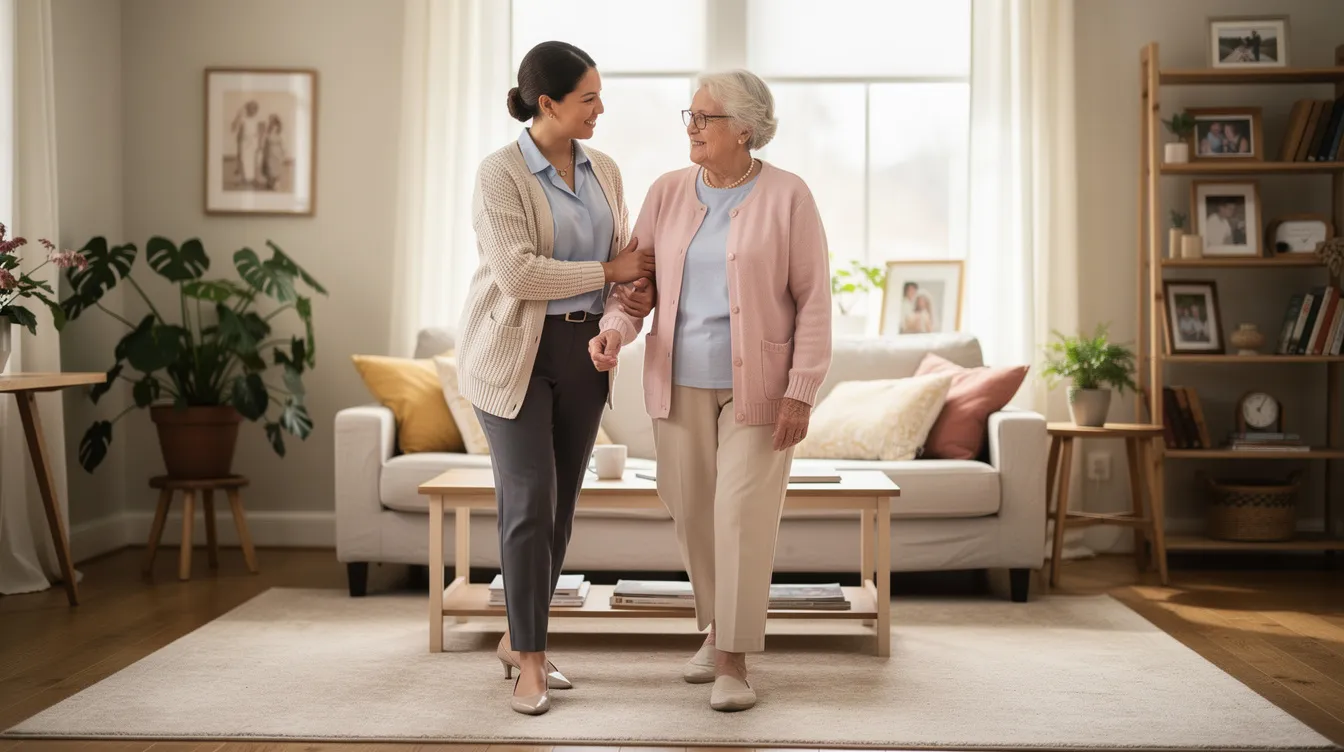
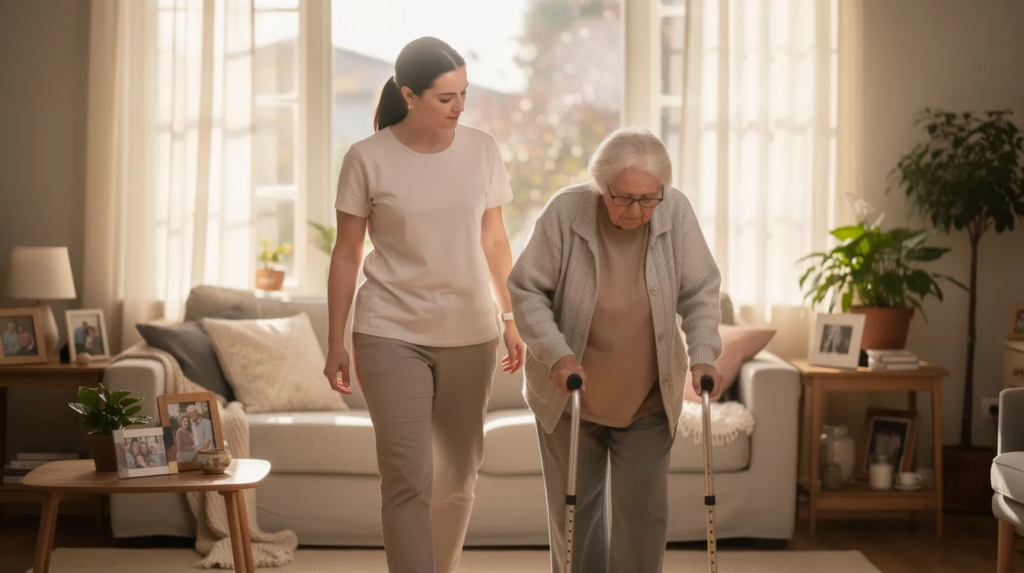
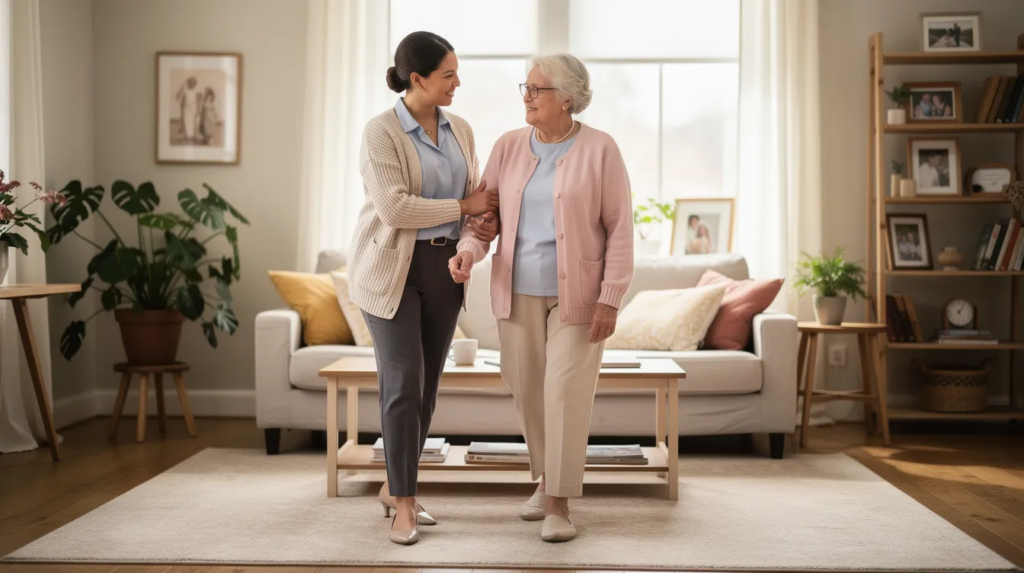
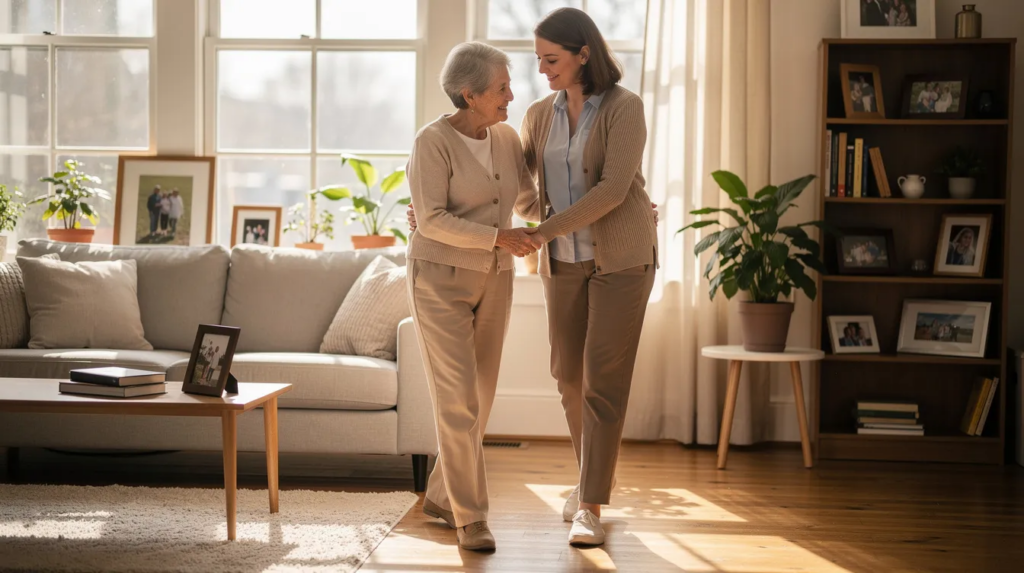
At BlueDot Cares, our Companion Care services are part of a broader in-home program with one clear goal: keeping older adults socially connected where they feel safest, at home. Through regular, meaningful interaction, companion care reduces isolation, boosts mood, and supports daily routines. Below, we outline how these services keep seniors engaged, the activities that matter most, and what families should look for when choosing care, all centered on strengthening social engagement for seniors. Research shows older adults are especially vulnerable to loneliness, a challenge companion care helps prevent through consistent connection and support.
“Trust and consistency form the foundation of effective companion care. When caregivers build genuine relationships with seniors, it not only eases feelings of isolation but also creates a supportive environment where families feel confident their loved ones are truly cared for,” says Jimmy Clonaris, Partner at BlueDot Cares.
Why Social Interaction Matters for Seniors in Companion Care
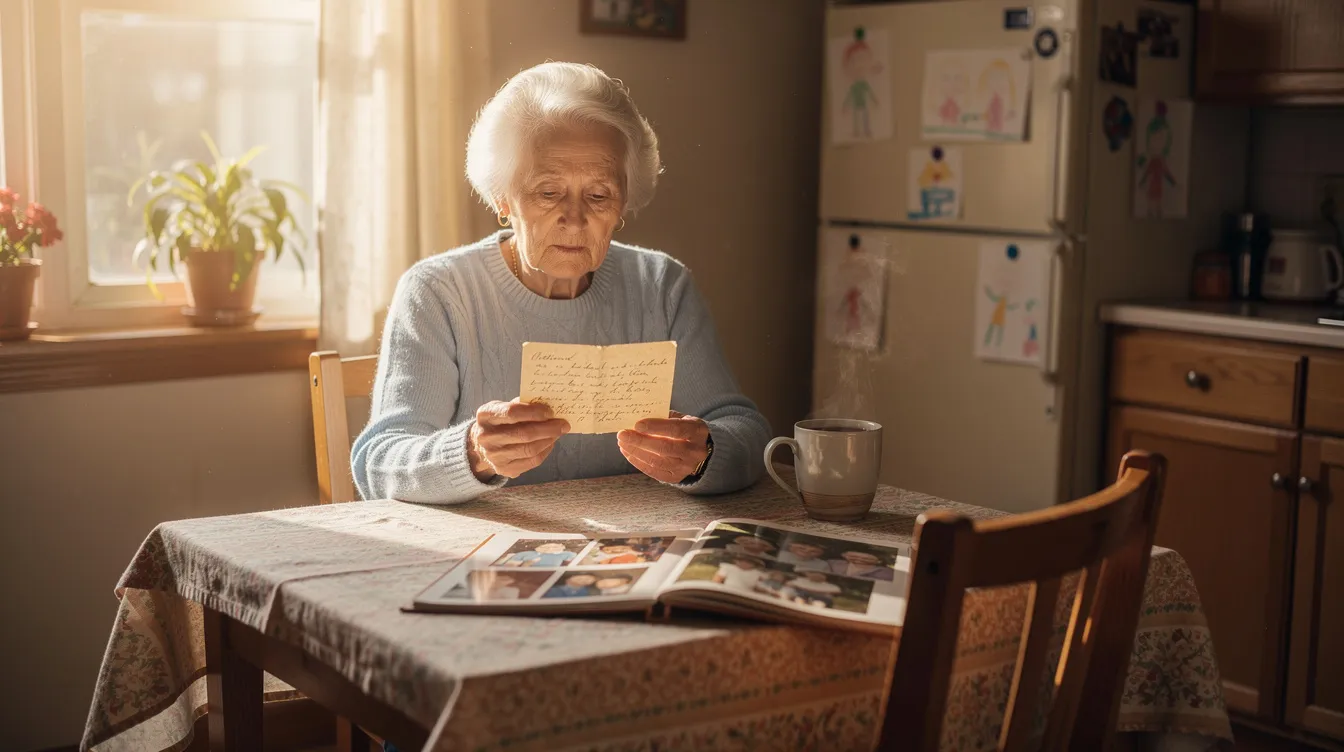
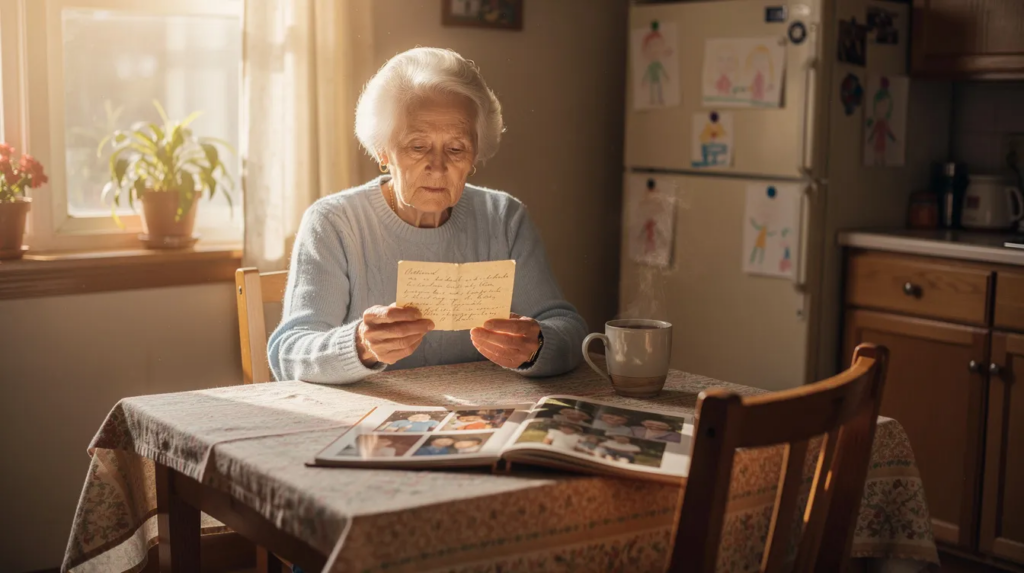
Regular social contact supports emotional well‑being, reduces loneliness, and helps protect thinking skills. Seniors who talk, play, and share activities with others tend to report better moods and feel more connected to their community. Companion care creates predictable, positive opportunities for those interactions with trained caregivers who know how to listen, encourage, and include. This focus on engagement for seniors is key to improving quality of life.
How Companion Care Strengthens Emotional Support and Mental Health
Companion care gives seniors steady, caring contact that lowers stress and lifts spirits. Caregivers watch for signs of emotional distress, offer a calming presence, and encourage participation in social activities. Studies link regular social engagement to lower rates of depression and improved emotional resilience. For example, programs that increase social contact have shown meaningful drops in depressive symptoms among participants. Promoting social engagement for seniors is, therefore, a vital part of companion care.
Which Companion Services Build Real Companionship?
The most effective companion services combine friendly conversation with practical support. That includes scheduled visits for conversation and activities, plus errands and transportation so seniors can attend events, appointments, or meet friends. Together, these services make it easier for seniors to stay active and connected, enhancing engagement for seniors in meaningful ways.
Activities That Boost Social Engagement at Home
Simple, enjoyable activities often bring the greatest social benefits: group games that spark laughter, arts and crafts that encourage conversation, and local outings that reconnect seniors with their community. Caregivers support participation and adapt each activity to the senior’s abilities, making these moments key to social engagement. Research also emphasizes removing barriers so homebound older adults can stay connected to social life beyond the home.
How Caregivers Build Trusted Relationships that Ease Loneliness
Trust grows through time and attention. Caregivers reduce loneliness by keeping regular visits, learning personal histories, and joining in favorite pastimes, from listening to stories to sharing hobbies. Families often tell us caregivers become like part of the household: someone their loved one looks forward to seeing and a gentle presence who makes daily life brighter. This relationship-building is a cornerstone of social engagement for seniors.
How Companion Care Supports Daily Life and Social Health
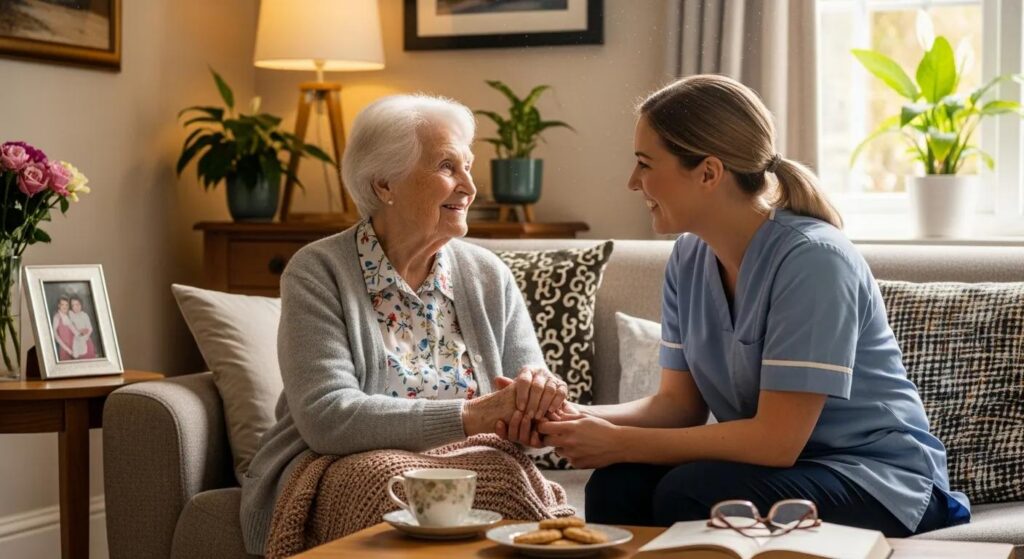
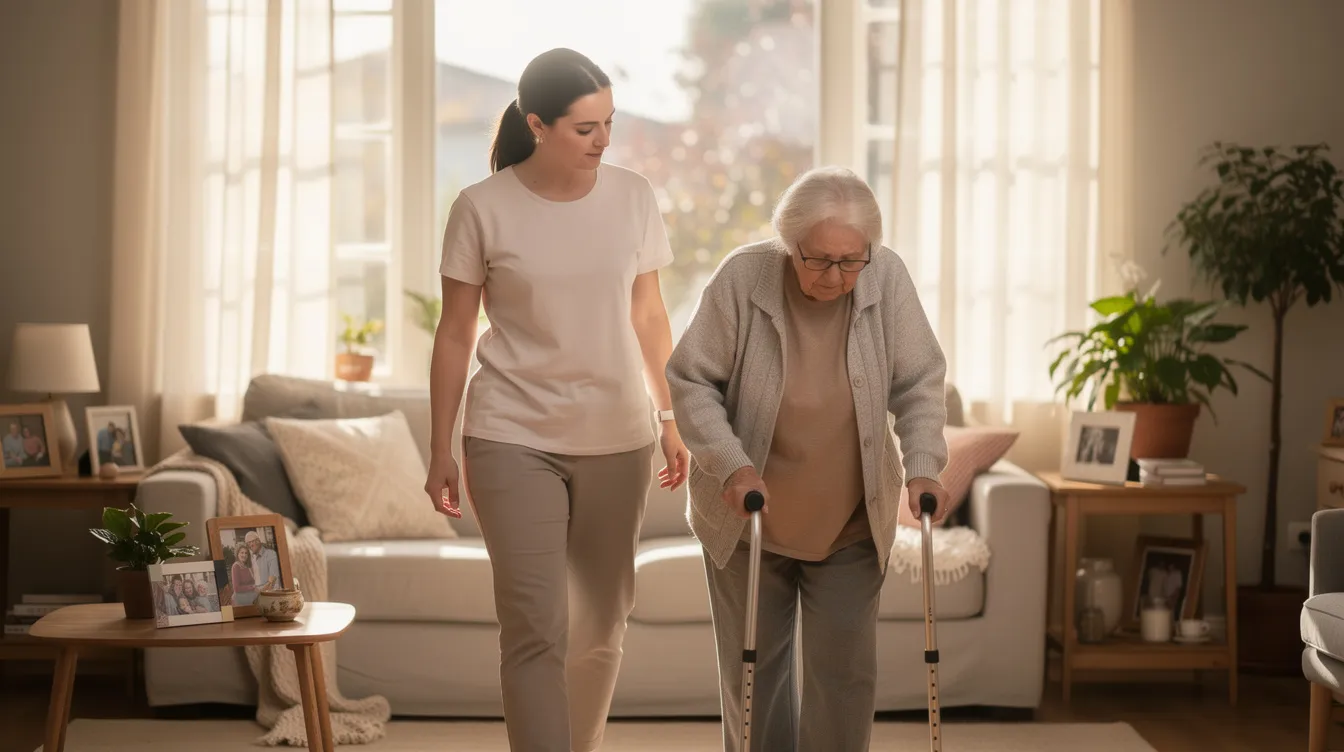
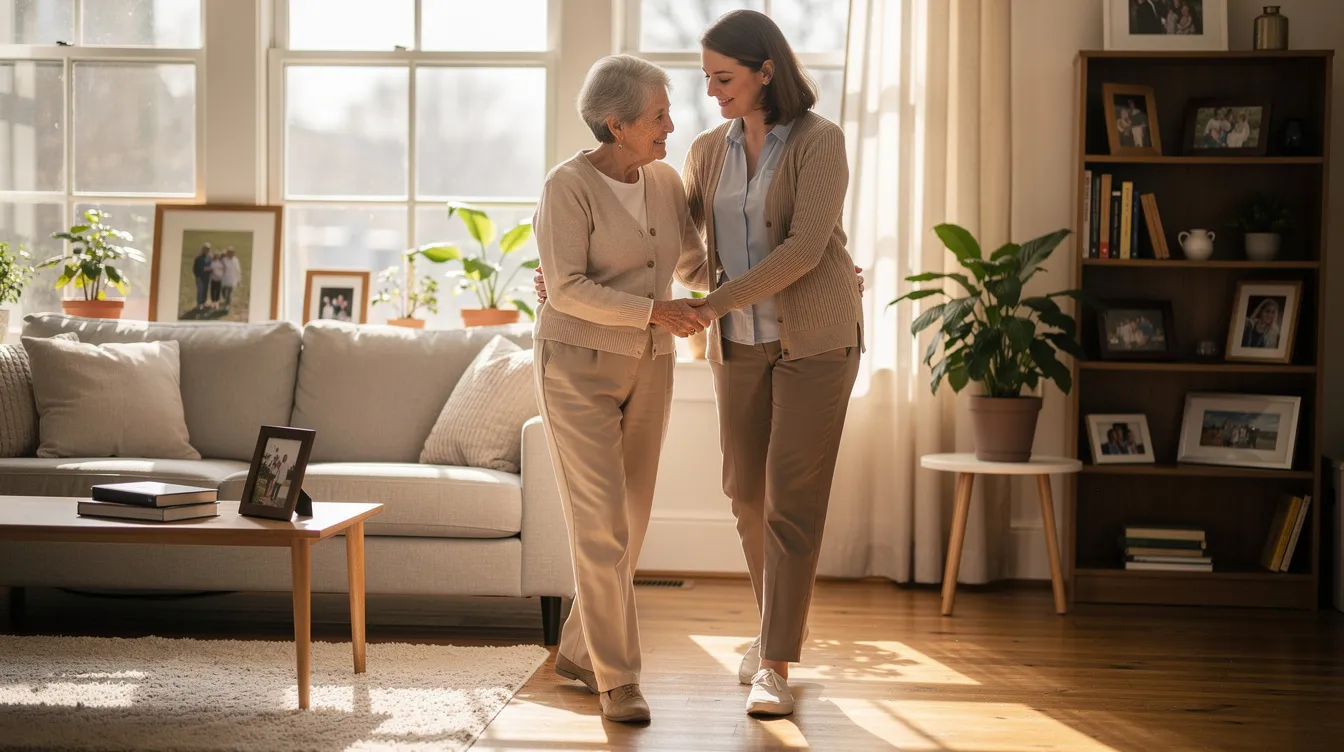
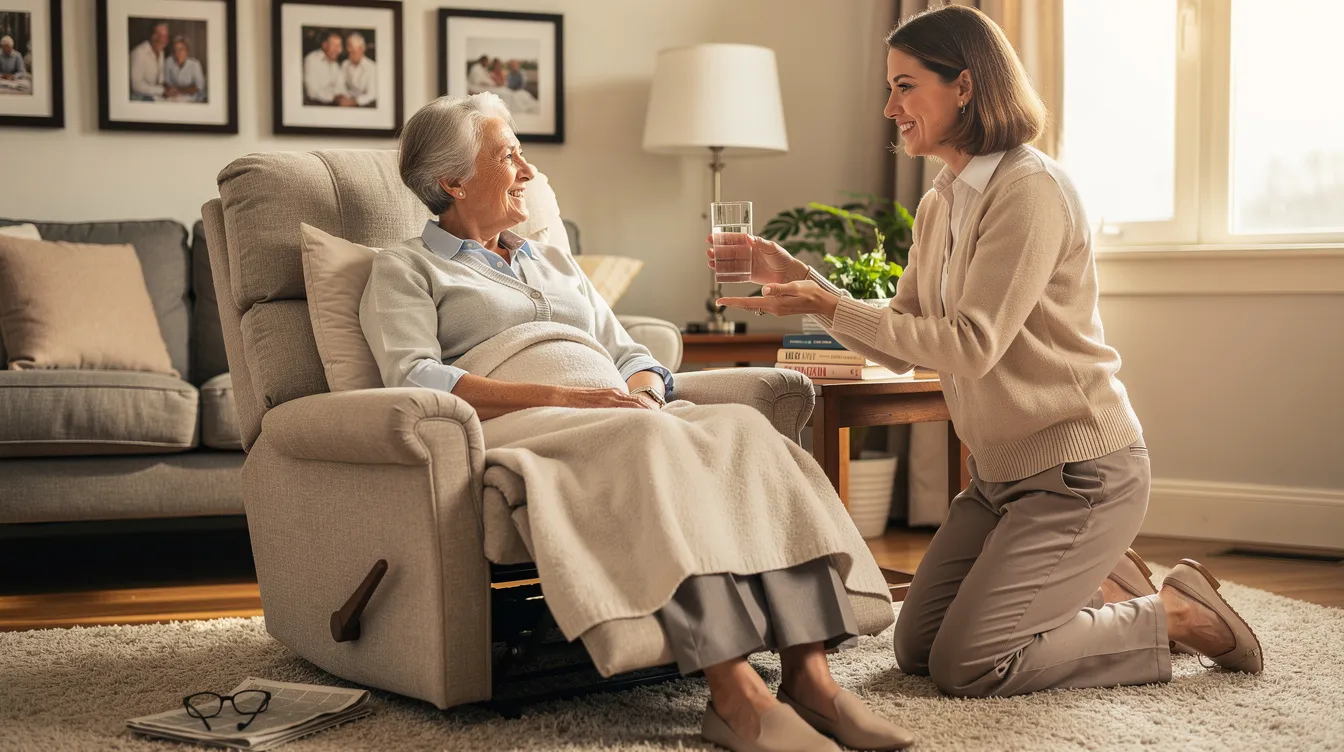
Companion care blends companionship with practical help: reminders, light household tasks, and encouragement to join social activities. That combination helps seniors keep independence, stay mentally active, and participate in things that give life meaning. A reliable caregiver can be the nudge someone needs to attend a club, take a walk, or call an old friend, all of which promote social engagement for seniors.
How Social Connections Can Lower Hospital Readmissions and Depression
Strong social ties support better health behaviors and help seniors follow care plans, which can reduce complications and hospital visits. Socially connected seniors often recover faster, stick to medications, and report fewer depressive symptoms, reinforcing the link between companionship and overall health. This demonstrates the health benefits of engagement for seniors.
Decades of research back up the health benefits of friends, family, and regular social contact for older adults, underscoring the importance of social engagement for seniors.
How Personalized Care Plans Increase Social Benefits
A meaningful care plan is built around a person’s interests, routines, and comfort level. We tailor visits, from gardening and reading to walks and games, so each day includes something the senior enjoys. That personal touch makes social time more engaging and helps form deeper, lasting connections between caregiver and client, enhancing social engagement for seniors.
Choosing Companion Care in North Carolina and Ohio: What to Look For
Families in North Carolina and Ohio should weigh several practical factors when choosing companion care, especially those that support engagement for seniors:
- Experience and Training: Choose caregivers trained for older adults and supervised by registered nurses when clinical oversight is needed.
- Availability: Look for flexible scheduling that fits your loved one’s routine and changing needs.
- Local Ownership: Locally owned agencies often know community resources and partners that improve care.
- Satisfaction Guarantee: A clear satisfaction policy shows the agency stands behind its services.
- Home Safety Expertise: Prioritize teams familiar with home safety and adaptive equipment to keep seniors safe at home.
Why Local Expertise Matters for Social Engagement
Local teams understand neighborhood activities, transportation options, and social groups that fit seniors’ interests. That community knowledge makes it easier to plan outings and build meaningful social connections tailored to each person’s life, which is essential for social engagement for seniors.
How to Evaluate Companion Care for Emotional and Social Support
When assessing providers, consider these points to ensure strong engagement for seniors:
- Experience and Training of Care Staff: Ask about training in dementia care, communication, and social engagement techniques.
- Availability: Confirm the provider can meet your schedule and respond to changes as needed.
- Personalized Care: Make sure plans reflect the senior’s hobbies, routines, and social goals.
- Satisfaction Guarantee: Check whether the agency offers follow-up and remedies if expectations aren’t met.
- Community Focus: Local commitment often means better coordination with community resources.
- Safety and Comfort: Ensure staff know how to create a safe, welcoming home environment.
These questions will help you judge how well a companion care service meets both emotional and practical needs, including fostering social engagement for seniors.
Real Stories That Show the Social Benefits of Companion Care

Case studies and family testimonials make the social impact of companion care clear: improved mood, renewed interest in activities, and stronger daily routines. Hearing how others have benefited can help set expectations for your own loved one’s experience with engagement for seniors.
How Seniors Describe Improvements in Quality of Life
Many seniors tell us they feel happier and more involved after starting companion care. Small changes, a weekly visit, a walk in the park, a shared hobby, can lead to bigger changes in outlook and activity levels. Families report loved ones becoming more social and confident over time, highlighting the value of social engagement for seniors.
What Families Say About Companion Care’s Social Impact
Families often share that caregivers become trusted companions who bring comfort, routine, and a sense of belonging, especially for seniors who live alone or have lost a spouse. One family described how companion care transformed their homebound mother after surgery: from withdrawn to engaged, she began enjoying crafts, garden walks, and community outings with her caregiver. Over time, her mood improved, loneliness eased, and she regained confidence and purpose, showing the powerful impact of personalized social engagement.
Recommended social activities and engagement ideas
Companion care programs often offer a mix of group and individual activities designed to fit each person’s interests and promote social engagement for seniors.
Group and One-on-One Activities that Build Connection
- Group Games: Bingo, card games, and simple team activities spark conversation and friendly competition.
- Arts and Crafts: Creative projects give seniors a chance to express themselves and bond through shared tasks.
- Community Outings: Short trips to parks, museums, or local events reconnect seniors with the world beyond the home.
These activities entertain and support emotional health by creating chances to socialize and feel useful, enhancing engagement for seniors.
How Caregivers Can Host Meaningful Social Events at Home
Caregivers can create welcoming at‑home events like themed tea times, movie nights, or small discussion groups. The goal is simple: make participation easy, comfortable, and enjoyable so seniors choose to join in again and again, fostering ongoing social engagement for seniors.
To explore more options, consider our senior living placement service in Charlotte, which can help you find the right community for your loved one and support engagement for seniors.
Conclusion
Companion care strengthens daily life by combining social connection with practical help. When visits are regular, tailored, and delivered by caring professionals, seniors feel safer, more engaged, and more like themselves. If you’re considering companion care, our team is ready to help you explore options and find the right fit for your family, with a strong focus on social engagement for seniors.
Explore Companion Care Options Today
Discover how personalized companion care can enhance your loved one’s social engagement and quality of life. Contact BlueDot Cares to schedule a consultation and learn about tailored care plans designed to meet your family’s unique needs.
About the Author
Jimmy Clonaris is a Partner at BlueDot Cares, where he provides leadership in developing and delivering in-home senior care services. With extensive experience supporting families through senior care decisions, he focuses on creating compassionate, effective care solutions that promote social engagement and well-being for older adults.

Jimmy Clonaris is Managing Partner at BlueDot Cares, where he oversees operations, caregiver standards, and service delivery for in-home care across the organization. With more than 19 years of experience in healthcare and over a decade with BlueDot, he has been directly involved in building and scaling care programs that support individuals aging at home.
His work focuses on the practical side of care delivery. This includes caregiver training and oversight, care plan consistency, and coordination with families and local healthcare professionals. Jimmy is actively involved in ensuring that care is not only well-structured on paper, but executed reliably in the home.
Over the course of his career, he has worked with thousands of families navigating care decisions, from short-term recovery support to long-term in-home care. His approach is grounded in clear communication, accountability, and building systems that allow caregivers to deliver consistent, high-quality support.
Under his leadership, BlueDot Cares has grown to support tens of thousands of families while maintaining a locally operated, relationship-driven model. He continues to focus on strengthening the team, improving care standards, and ensuring families have a dependable partner when care is needed.