Enhancing Senior Well-Being at Home
Companion care helps seniors stay happier, safer, and more connected in their own homes. It blends friendly companionship with practical help, such as running errands, preparing meals, or joining in activities, to support mental health and daily living. This article explains what companion care looks like, the main benefits, how it works in specific regions, and how to pick a provider who fits your family’s needs, with a special focus on enhancing companion care services through evidence-based practices and innovative approaches.
What Are Companion Care Services and How Do They Support Senior Well-Being?
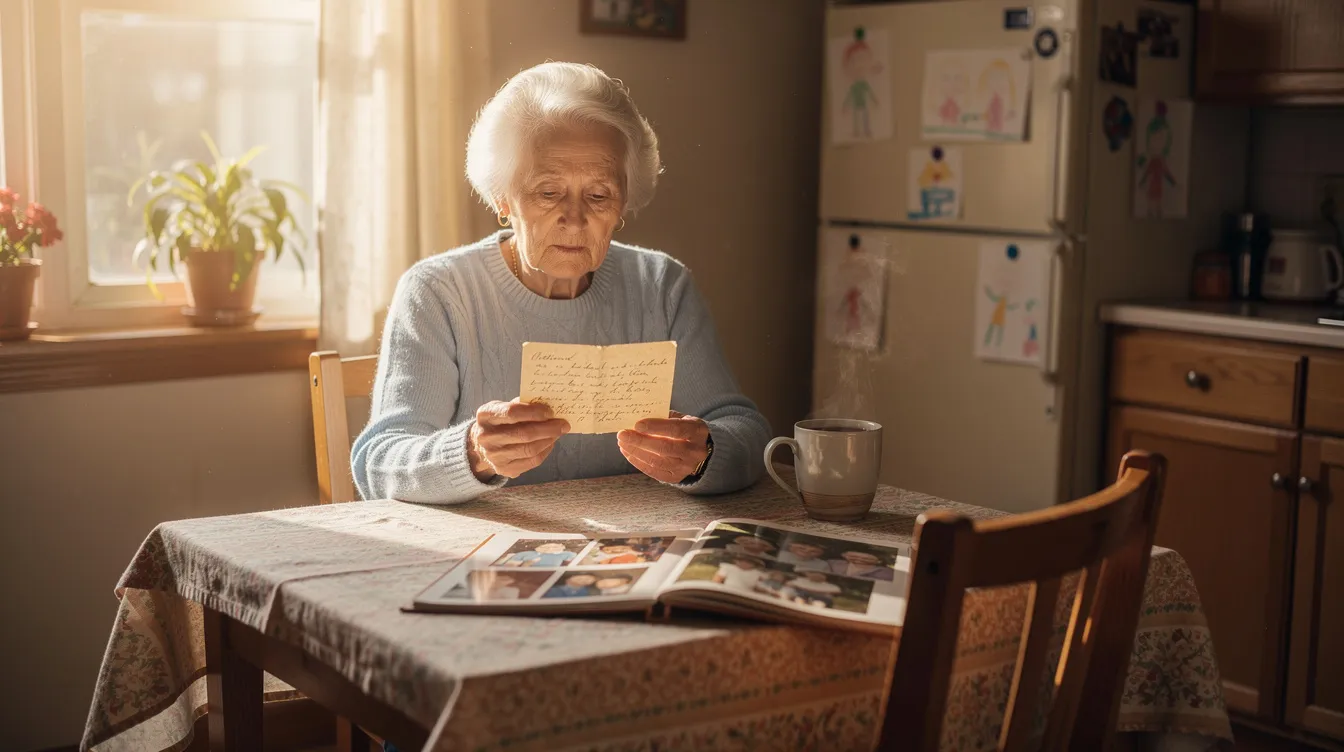
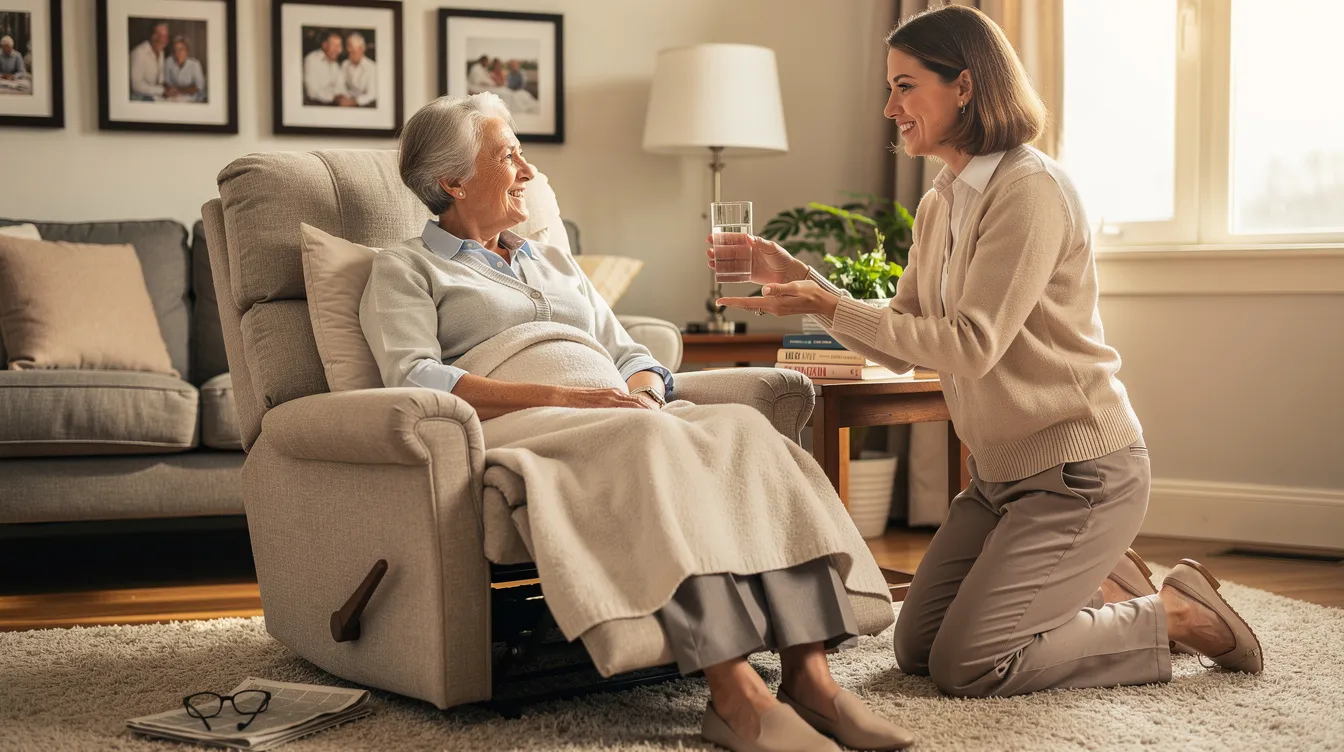
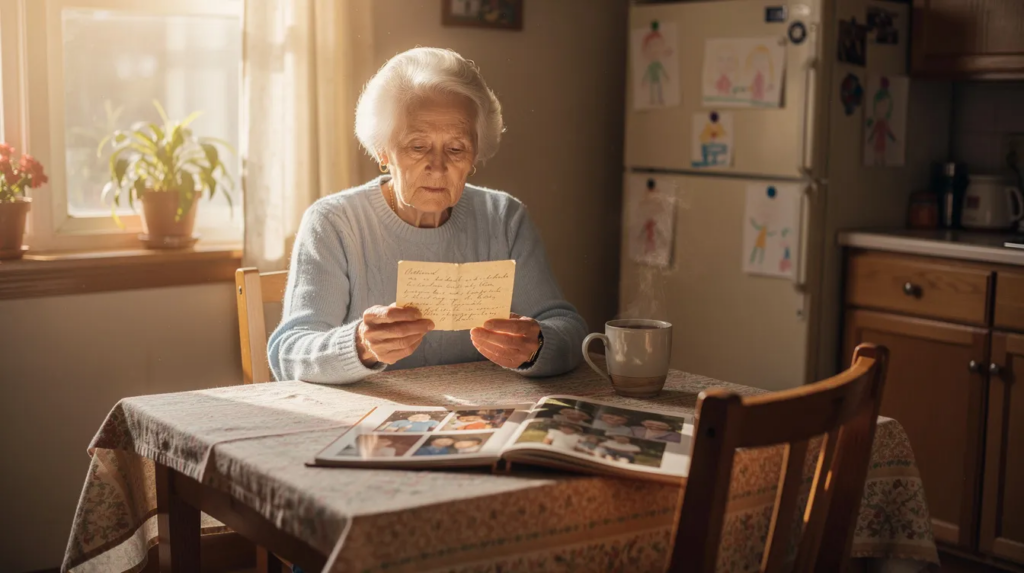
Companion care services focus on giving seniors regular social contact and practical help with everyday tasks. That combination improves emotional health, reduces isolation, and helps seniors remain comfortable and safe where they live. Companion care services are key to maximizing these benefits and ensuring seniors receive the best possible support. Research shows that seniors receiving companion care report a 30% improvement in mood and a 25% reduction in emergency room visits due to falls or neglect.
“Trust and consistency are the foundation of effective companion care,” says Jimmy Clonaris, Partner at BlueDot Cares. “Our approach centers on building genuine relationships that respect each senior’s individuality, ensuring they feel valued and supported every day. This personal connection is as vital as the practical assistance we provide, helping families feel confident their loved ones are in caring hands.” Enhancing companion care services means continuously improving these relationships and the quality of support offered through ongoing caregiver training and feedback loops.”
Defining In-Home Companionship and Non-Medical Assistance
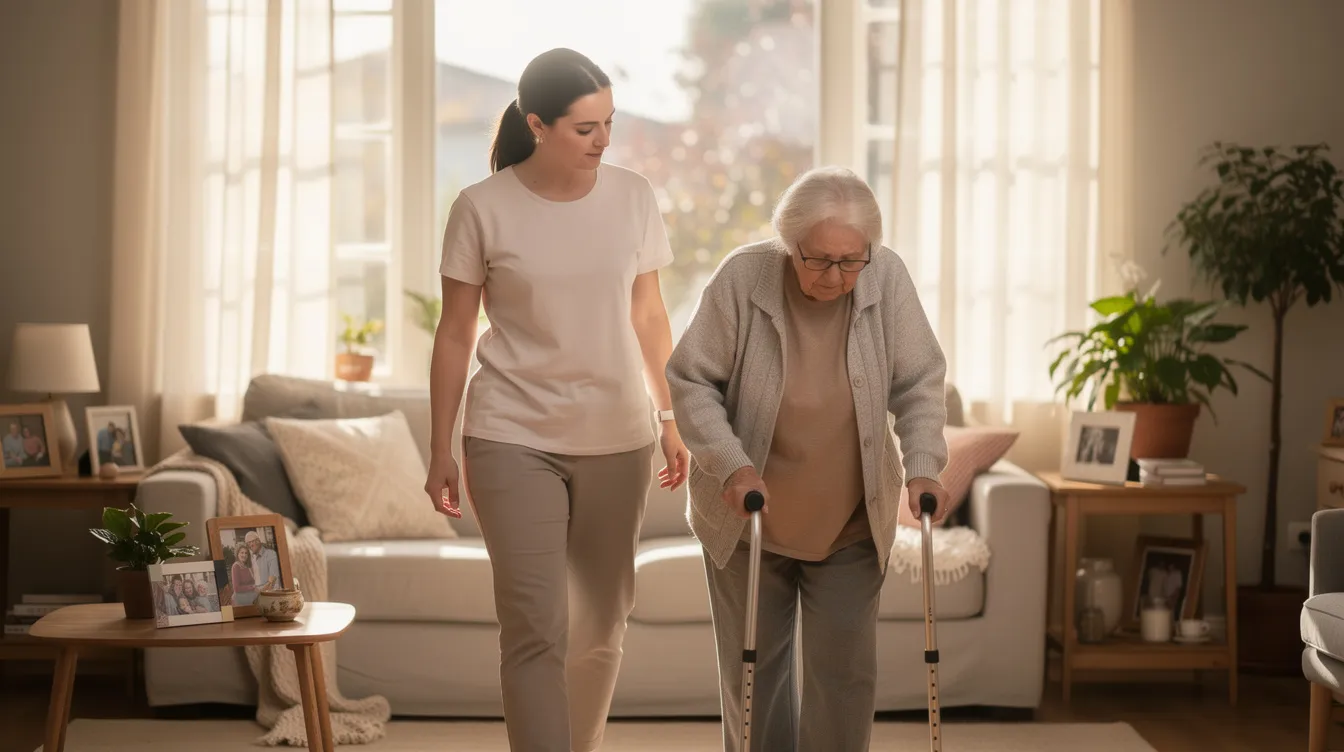
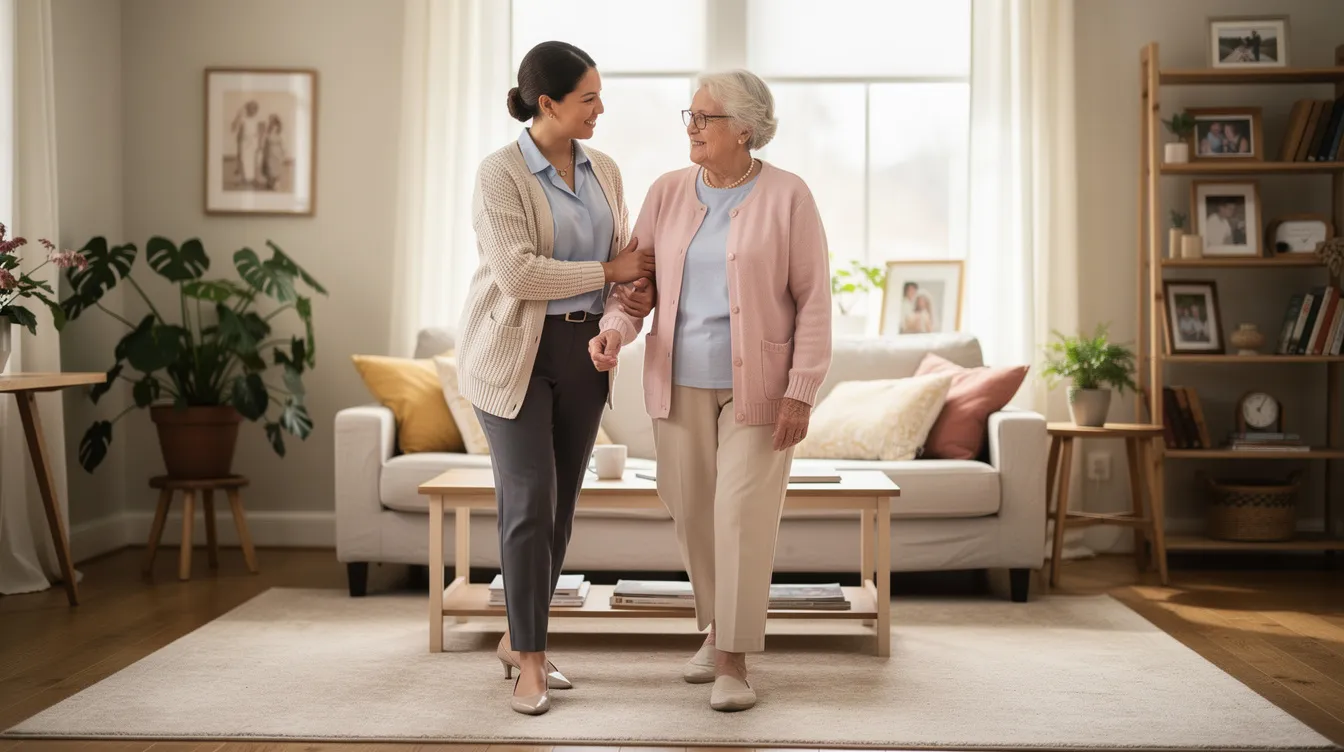
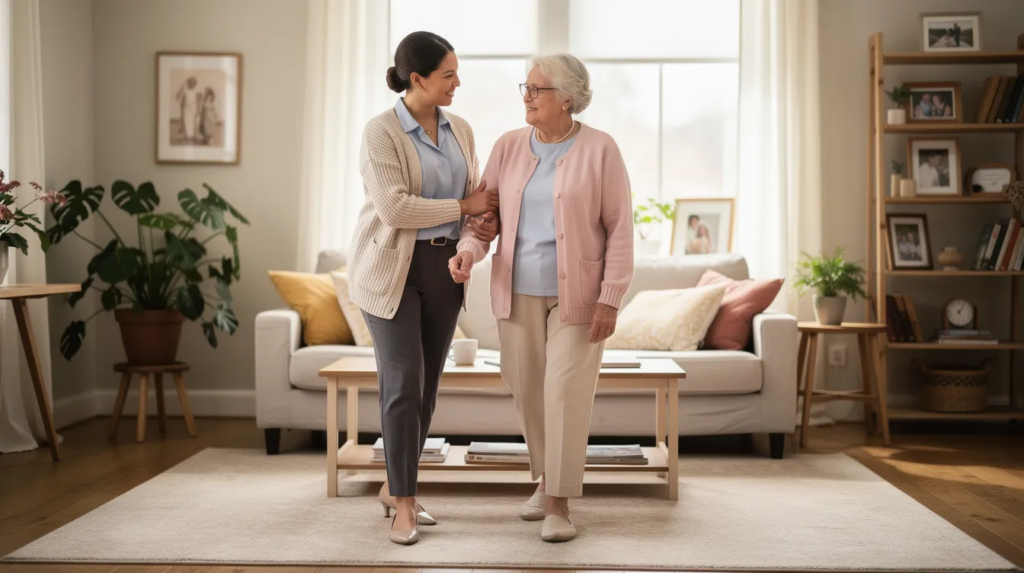
In-home companionship and non-medical assistance are services delivered in a senior’s home that emphasize social connection and help with routine activities, not medical treatment. Typical offerings include companion visits, light housekeeping, meal prep, errands and transportation, mobility help, and personal care like bathing and grooming. The goal is to make daily life easier and more enjoyable. Companion care services involve tailoring these offerings to better meet individual needs and preferences, often using assessment tools like the UCLA Loneliness Scale to monitor social engagement levels.
How Companion Care Provides Emotional Support and Social Connection
Caregivers offer a consistent, friendly presence that can ease loneliness and boost mood. Simple activities, conversations, walks, games, or shared hobbies help seniors stay engaged and emotionally balanced. That regular contact has a real impact on overall well‑being. Enhancing companion care services ensures these social connections are meaningful and sustained over time by incorporating personalized activity plans and cognitive stimulation techniques proven to delay cognitive decline.
Key Benefits of Companion Care for Seniors

Companion care delivers several clear benefits that support both emotional and physical health for seniors. Companion care services amplify these benefits by focusing on quality, personalization, and responsiveness.
This table highlights how companion care supports emotional connection and safety, two major factors in a senior’s quality of life. Enhancing companion care services strengthens these factors by focusing on continuous improvement and client-centered care, including regular reassessments and integration of technology such as fall detection devices and medication reminders.
How Do In-Home Companion Care Services Work in North Carolina and Ohio?
In North Carolina and Ohio, BlueDot Cares provides tailored in‑home companion care alongside other senior living solutions. Services commonly include meal preparation, light housekeeping, mobility and transfers, bathing and grooming, errands and transportation, and specialized support for Alzheimer’s and dementia. Local teams with home‑care training are available to meet client needs, and being locally owned means decisions are made with the community in mind. Companion care services in these regions involve leveraging local expertise and community connections to deliver superior care, including partnerships with local health providers and senior centers to enhance social engagement opportunities.
BlueDot Cares’ Local Expertise in Personalized Care
BlueDot Cares focuses on personalized, in‑home support for seniors. Caregivers receive training for home settings, and registered nurses are available for supervision and mentoring. Independent, local ownership lets the company prioritize what’s best for clients in the community. Home safety is a core emphasis, and services are adapted to each person’s needs. Companion care services here mean integrating local knowledge with best practices to optimize outcomes, including the use of evidence-based fall prevention programs and cognitive engagement activities tailored to regional cultural preferences.
Combining Companion Care with Senior Living Placement Support
BlueDot Cares pairs companion care with senior living placement guidance, offering options that range from in‑home care to 24‑hour support and specialized dementia services. That integrated approach helps families find the right living environment while keeping the senior’s preferences front and center. Enhancing companion care services includes seamless coordination with other senior care options to provide comprehensive support, including transitional care planning and family education sessions to ease adjustment periods.
How to Choose the Right Companion Care Provider Near You

When searching for a companion care provider, focus on these practical factors to find dependable care that fits your family. Companion care services start with selecting a provider committed to quality and personalized attention.
- Experience and Training: Pick providers whose staff have in‑home care experience and ongoing training, including certifications in dementia care and emergency response. Companion care services depend on skilled, knowledgeable caregivers.
- Availability: Confirm the provider can meet your schedule and is reachable when needs change. Flexibility is essential for companion care, especially for unexpected health changes.
- Local Ownership: Local agencies often make decisions with community needs in mind, which supports companion care tailored to local seniors and cultural nuances.
- Satisfaction Guarantee: Look for providers that stand behind their services and offer clear satisfaction policies, a sign of commitment to companion care services and continuous quality improvement.
- Safety Expertise: Choose agencies familiar with home safety and the right equipment to reduce risks, a critical aspect of companion care services, including fall prevention and medication management.
Evaluating Provider Credentials and Service Offerings
Check credentials, supervision structure, and the breadth of services offered. BlueDot Cares provides a range of in‑home services, such as:
- 24-Hour Home Care
- Alzheimer’s & Dementia Care
- Bathing and Grooming
- Companion Care
- Errands and Transportation
- In-Home Care Services
- Light Housekeeping
- Meal Preparation
- Mobility and Transfers
- Overnight Care
- Respite Care
- Senior Living Placement
These offerings, combined with trained staff and local oversight, help families tailor care to each senior’s needs. Enhancing companion care services means continuously expanding and refining these offerings to meet evolving client needs, including integrating telehealth check-ins and cognitive health monitoring tools.
Questions to Ask About Companion Care Costs and Service Customization
Before you commit, ask providers about pricing and how plans can be customized. Useful questions include:
- How is pricing structured for different services, and are there package options?
- Can care plans be personalized to the senior’s routines and preferences, including cultural or dietary needs?
- Are there additional fees for higher levels of care or special services, such as dementia support or overnight care?
These questions help ensure that companion care services align with your budget and expectations while providing the flexibility needed for changing circumstances.
What Social Engagement Activities Are Included in Companion Care?
Companion care commonly includes social activities that support emotional health and cognitive function. Activities can be simple, meaningful, and tailored to interests. Enhancing companion care services involves offering a diverse range of engaging activities to meet seniors’ preferences and cognitive levels, supported by frameworks like the Montessori Method adapted for dementia care.
Examples of Social and Recreational Activities for Seniors
Typical activities offered by companion caregivers include:
- Games and Puzzles: Board games, card games, and puzzles stimulate thinking and create chances to connect, with evidence showing cognitive benefits in delaying dementia progression.
- Outdoor Activities: Short walks, gardening, or fresh‑air breaks support physical movement and mood, contributing to improved cardiovascular health and reduced depression symptoms.
- Arts and Crafts: Creative projects encourage expression and can be calming and rewarding, also fostering fine motor skills and self-esteem.
How Caregivers Help Create Meaningful Social Connections
Caregivers encourage participation, suggest activities based on interests, and stay present during shared moments. Their role is to make social time enjoyable and consistent, helping seniors feel valued and engaged. Enhancing companion care services means training caregivers to foster these meaningful connections effectively, including communication techniques for seniors with cognitive impairments and strategies to build trust and rapport.
Conclusion
Companion care strengthens seniors’ quality of life by combining meaningful social connection with practical, personalized help. It reduces loneliness, supports safety at home, and gives families confidence that their loved ones are cared for. Enhancing companion care services is essential to achieving these outcomes and adapting to changing needs. If you’re exploring options, BlueDot Cares can help you find a compassionate plan that fits your family’s needs, incorporating the latest best practices and community resources.
About the Author
Jimmy Clonaris is a Partner at BlueDot Cares with extensive experience in senior care services. He focuses on delivering quality care through thoughtful decision-making and personalized support plans. His leadership emphasizes long-term family engagement and ensuring seniors receive consistent, respectful care tailored to their individual needs. Enhancing companion care services remains a central focus of his work, driving innovation and excellence in senior well-being.

Jimmy Clonaris is Managing Partner at BlueDot Cares, where he oversees operations, caregiver standards, and service delivery for in-home care across the organization. With more than 19 years of experience in healthcare and over a decade with BlueDot, he has been directly involved in building and scaling care programs that support individuals aging at home.
His work focuses on the practical side of care delivery. This includes caregiver training and oversight, care plan consistency, and coordination with families and local healthcare professionals. Jimmy is actively involved in ensuring that care is not only well-structured on paper, but executed reliably in the home.
Over the course of his career, he has worked with thousands of families navigating care decisions, from short-term recovery support to long-term in-home care. His approach is grounded in clear communication, accountability, and building systems that allow caregivers to deliver consistent, high-quality support.
Under his leadership, BlueDot Cares has grown to support tens of thousands of families while maintaining a locally operated, relationship-driven model. He continues to focus on strengthening the team, improving care standards, and ensuring families have a dependable partner when care is needed.