Essential Training for Home Caregivers
Caregivers are the daily support system for people who need help at home, especially older adults. Knowing what training a caregiver should have makes it easier to find safe, compassionate care. This guide walks through the most important training areas: certification and licensing, safety and emergency skills, dementia and Alzheimer’s care, medication handling, mobility support, and options for ongoing learning. Use this information to choose care that keeps your loved one safe, comfortable, and respected. Understanding home care training for caregivers is key to ensuring quality support.
“Trust in caregiving comes from consistent, well-rounded training that prepares professionals not just to perform tasks, but to understand the unique needs and dignity of each individual. Families deserve caregivers who combine skill with empathy, ensuring safety and respect in every interaction,” says Jimmy Clonaris, Partner at BlueDot Cares.
What Are the Certification and Licensing Requirements for Home Caregivers?
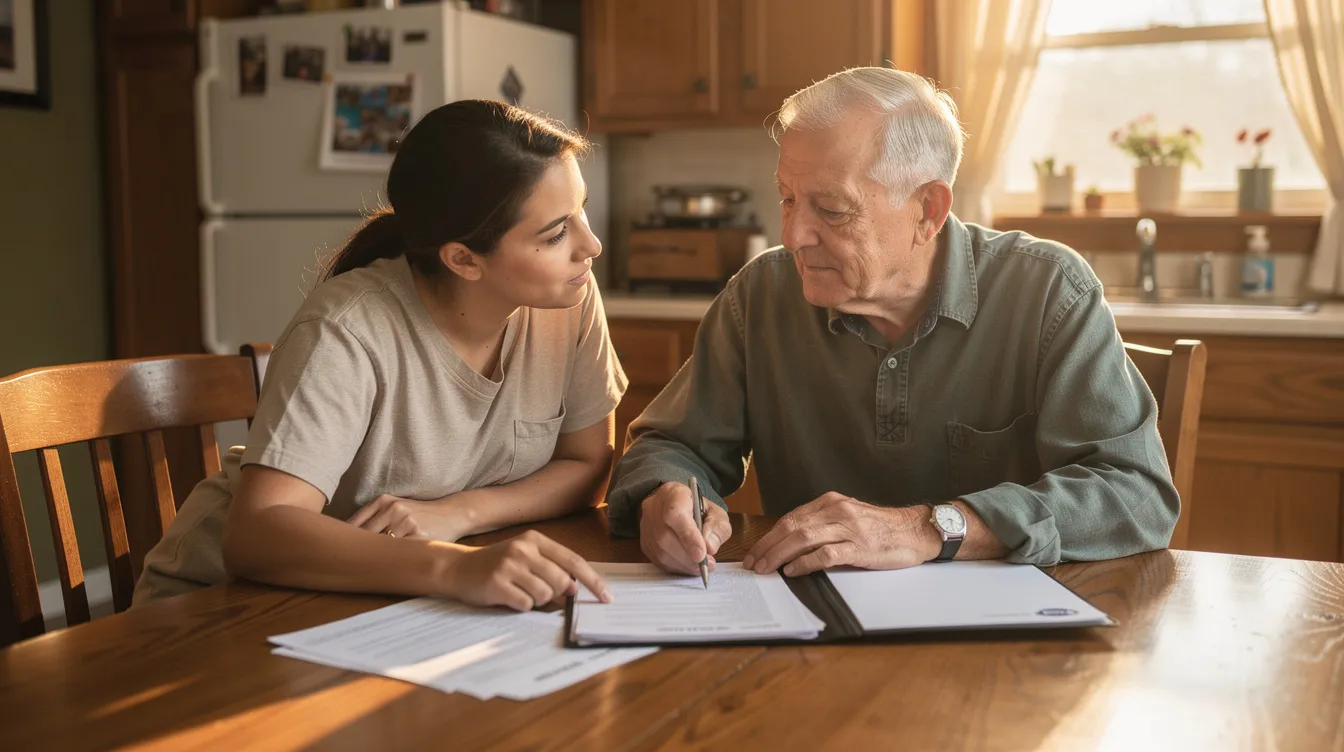
Certification and licensing set a baseline so families can trust a caregiver’s competence. Different states have different rules; in North Carolina and Ohio, there are recognized certification paths that signal a caregiver has met training standards. These credentials boost credibility and help families feel confident about the quality of care provided. Proper home care training for caregivers includes meeting these certification and licensing requirements.
Which caregiver certification courses are recognized in North Carolina and Ohio?
In North Carolina and Ohio, common certification programs include:
- Certified Nursing Assistant (CNA): Covers hands-on patient care, basic hygiene, and safety procedures.
- Home Health Aide (HHA): Focuses on personal care, meal prep, and help with daily living tasks.
- Medication Aide Certification: Teaches safe medication administration and tracking.
These courses are usually offered through community colleges, vocational programs, and approved training providers, so caregivers are ready for day-to-day responsibilities. These programs form a core part of home care training.
How does caregiver licensing impact home care service quality?
Licensing raises the bar for care by requiring specific training and oversight. Licensed caregivers are trained in safety, emergency response, and patient rights, which reduces risk and improves outcomes. For families, a licensed caregiver means one less thing to worry about and greater peace of mind that a professional standard is being met. Licensing is a critical component of comprehensive home care training for caregivers.
What Safety and Emergency Training Must Home Caregivers Complete?
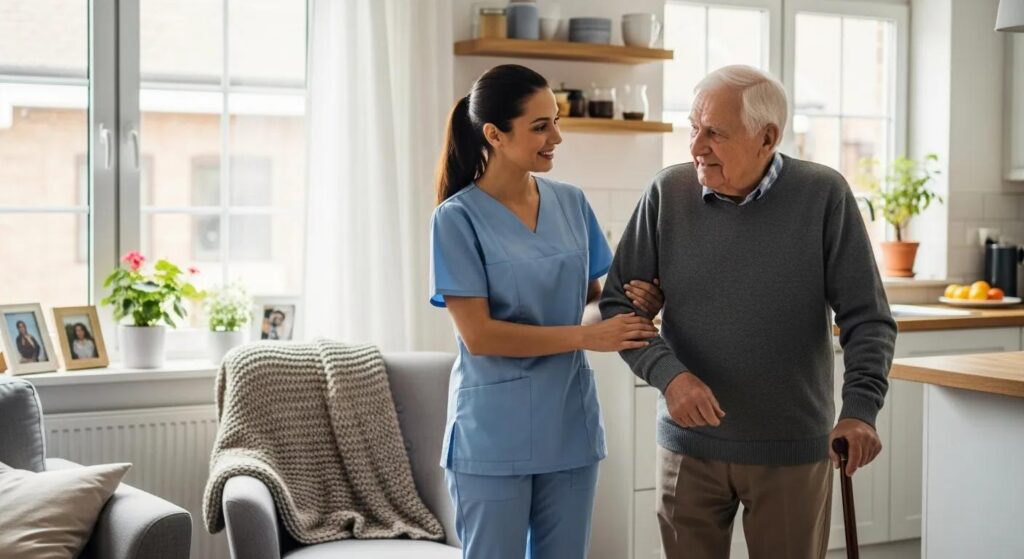
Working in a home brings unpredictable situations. Safety and emergency training give caregivers the tools to respond quickly and keep clients safe. Core training typically includes CPR and First Aid, plus instruction on identifying hazards and following safety protocols. These elements are essential in home care training.
Why is CPR and first aid training critical for in-home caregivers?
CPR and First Aid teach lifesaving actions for sudden medical events like cardiac arrest or serious injury. Caregivers who have this training can act immediately while waiting for emergency responders. The training also clarifies legal boundaries so caregivers respond appropriately within their scope of practice. This training is a vital part of home care training for caregivers.
How do safety protocols enhance patient safety during home care?
Clear safety protocols reduce accidents by giving caregivers step-by-step guidance for common and uncommon situations. Trained caregivers spot hazards, secure the environment, and follow procedures for emergencies. When agencies provide 24/7 support or emergency contacts, families have a safety net that ensures quick help when it’s needed. Safety protocols are a foundational aspect of home care training.
How Does Dementia and Alzheimer’s Care Training Improve Elderly Care?
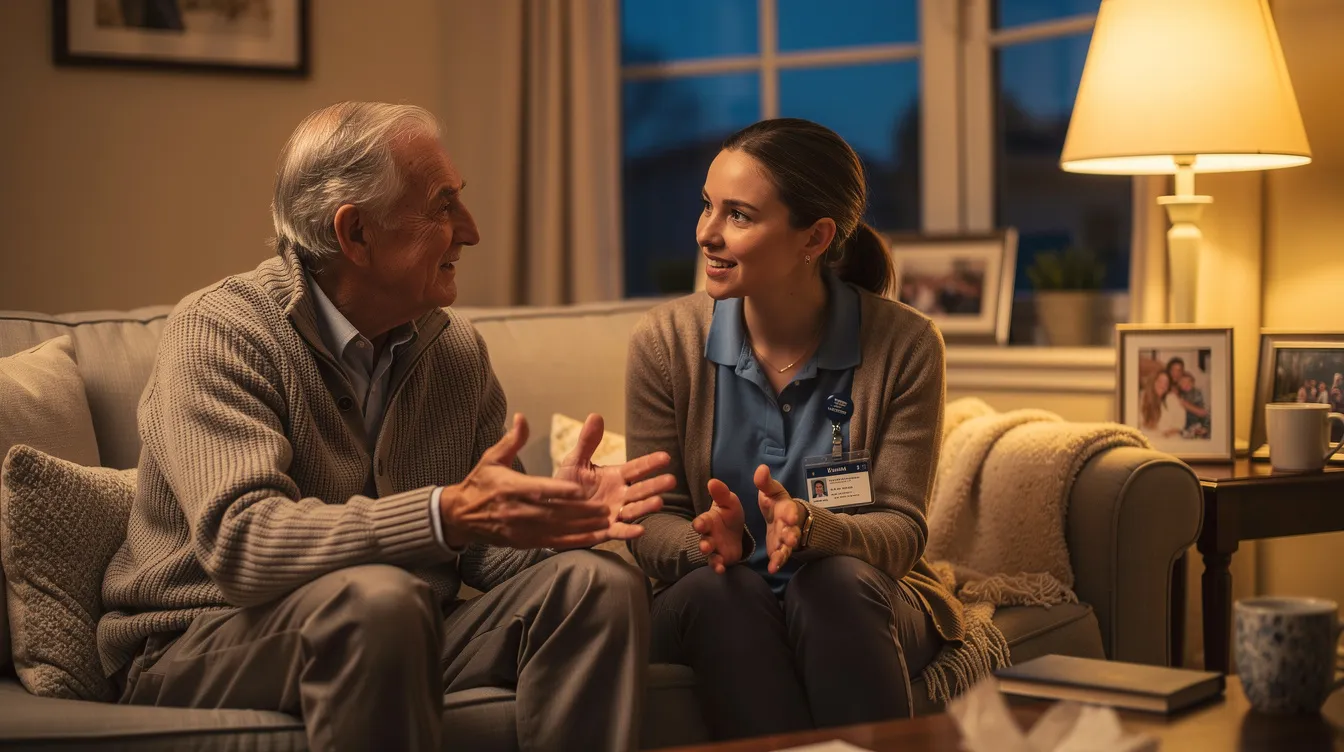
Dementia and Alzheimer’s require specialized approaches. Training in these areas helps caregivers manage behavior changes, communicate more effectively, and provide emotional support that preserves dignity. Specialized home care training for caregivers includes these focused skills.
For families looking for senior living placement services in Charlotte, expert help is available to guide you through options and transitions.
What specialized skills are taught in dementia care education programs?
Dementia care programs typically cover:
- Behavior Management: Practical techniques for reducing agitation and confusion, including redirection and environmental modifications.
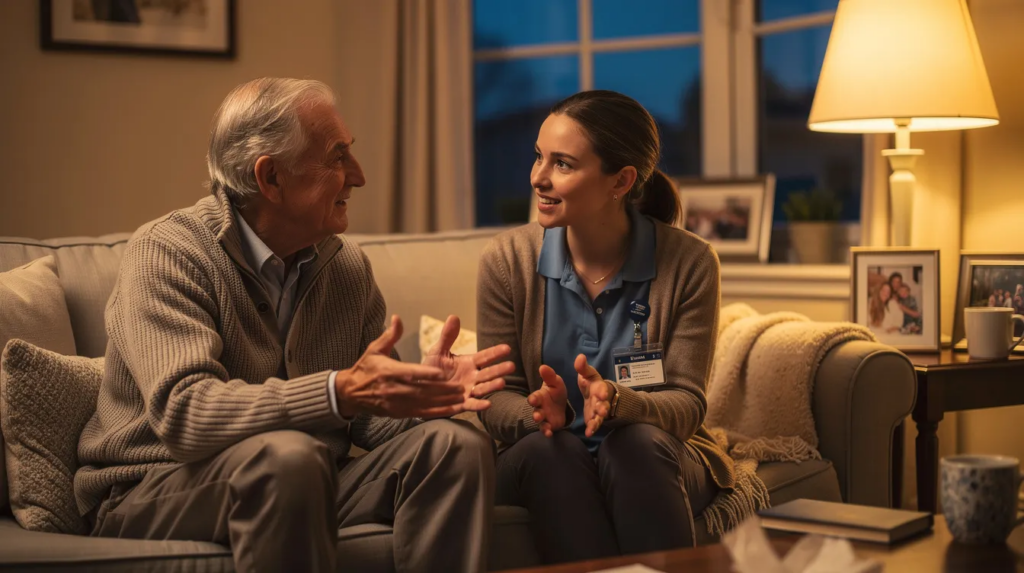
- Communication Strategies: Simple, respectful ways to connect when words become hard to follow, such as using nonverbal cues and validation therapy.
- Emotional Support: Methods to reassure and comfort both the person with dementia and their family, including stress reduction techniques and caregiver self-care.
These skills create a calmer, more respectful home environment and help caregivers respond with patience and consistency. These are key components of effective home care training for caregivers.
How does Alzheimer’s training affect caregiver communication and compassion?
Alzheimer’s-specific training deepens a caregiver’s empathy and equips them to read nonverbal cues. Caregivers learn to slow down, validate feelings, and use purpose-built techniques that reduce distress. That combination improves day-to-day interactions and builds stronger, more trusting relationships.
Research underscores the need for focused communication training to meet the unique needs of people living with dementia.
What Are the Best Practices for Medication Management and Administration Training?
Caregivers are the daily support system, especially for people who need help at home. Medication handling is a common and critical task in home care. Best practices teach caregivers how to store, prepare, and document medications to prevent mistakes and protect the person in care.
These practices are integral to thorough home care training for caregivers. Despite its importance, medication safety in home care still needs more research and system-level support.
How do caregivers learn safe medication handling and administration?
Caregivers gain medication skills through structured training that covers:
- Proper Storage: Where and how to store medicines safely to avoid errors, including temperature control and separation of medications.
- Dosage Calculation: Measuring and confirming correct doses when needed, with emphasis on reading labels and using measuring devices accurately.
- Documentation: Keeping accurate records of what was given, when, and why, including recognizing and reporting side effects or adverse reactions.
These practices reduce mistakes and make medication routines more reliable. Such training is a vital part of home care training for caregivers.
What protocols ensure accuracy in medication management at home?
Effective protocols include:
- Double-Check Systems: Verifying medications before giving them, ideally with a second caregiver or family member.
- Clear Documentation Practices: Detailed logs of medications, times, and doses, often using standardized forms or digital tools.
- Client Education: Teaching clients and families about side effects and why adherence matters, empowering them to participate actively in medication management.
Together, these steps lower the chance of errors and keep medication routines transparent for everyone involved. Additional studies have examined how caregivers can both cause and prevent medication errors at home, offering insight into practical safeguards.
Preventing Medication Errors in Home Care
Most medications are taken at home and increasingly given by caregivers, yet research has focused mainly on hospitals. This review examines how carers contribute to medication administration errors in the home and what interventions can prevent them.
– Carers’ medication administration errors in the domiciliary setting: a systematic review, A Parand, 2025
Which Patient Mobility and Lifting Techniques Are Essential for Caregivers?
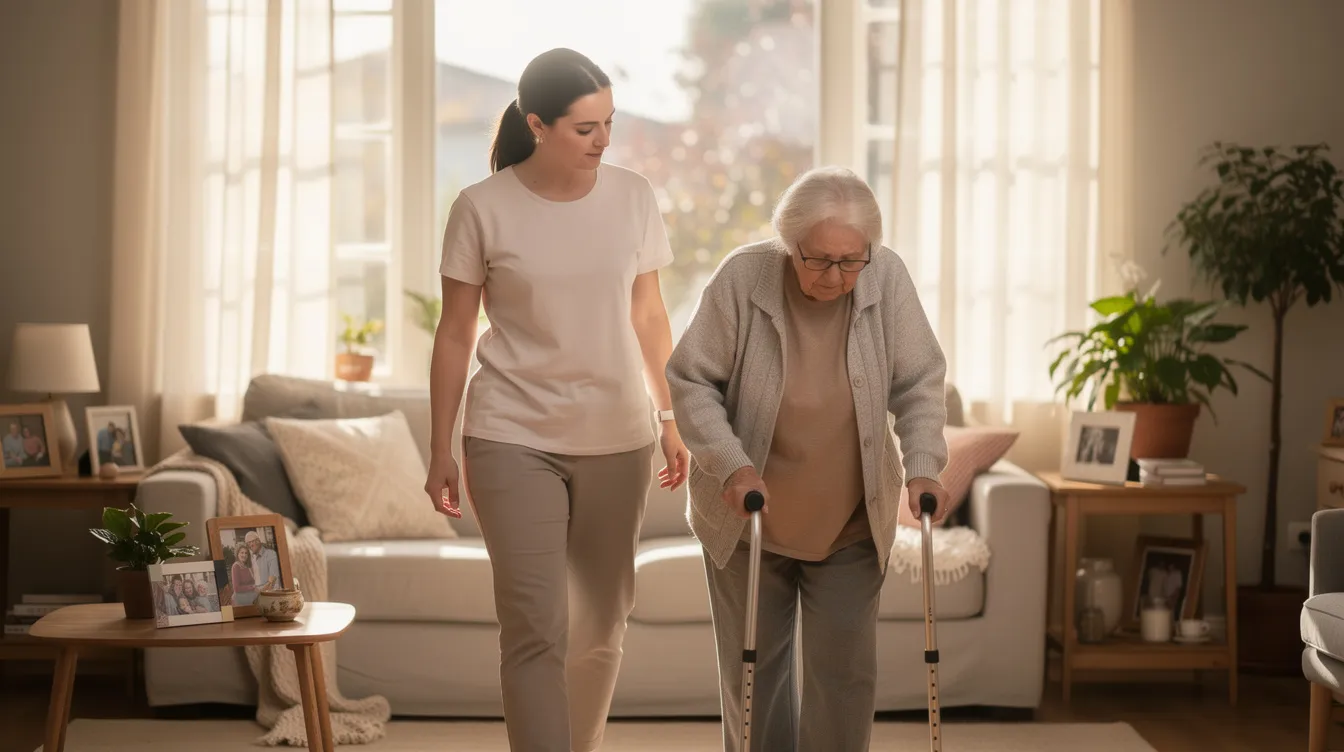
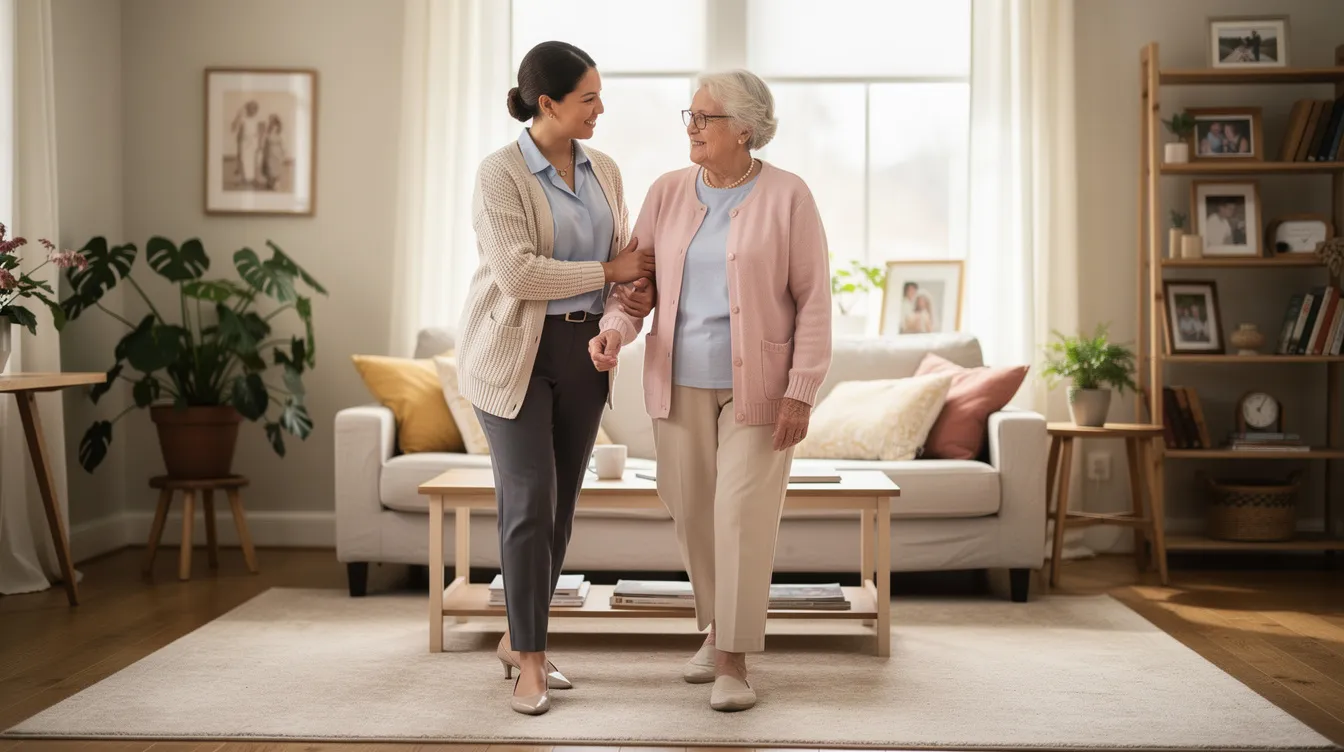
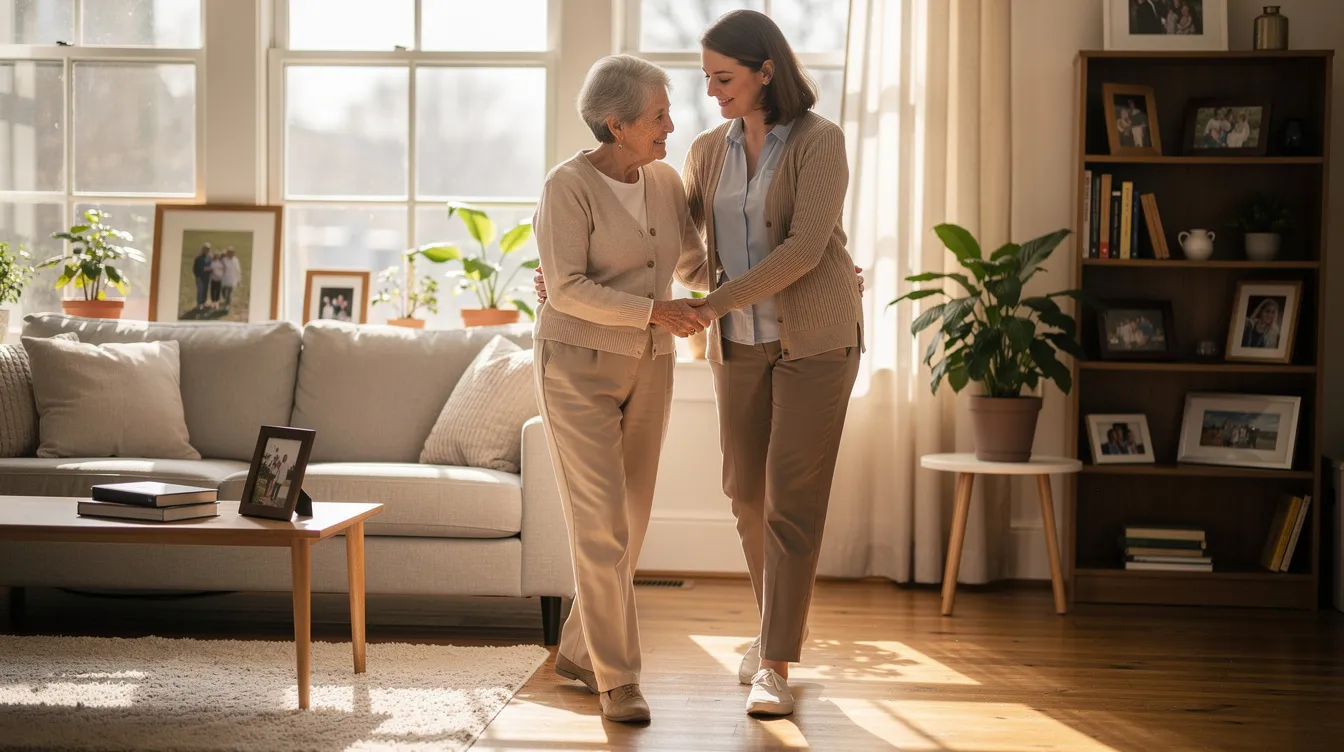
Helping someone move safely is a frequent and important part of home care. Proper mobility training keeps both the client and the caregiver safe and supports independence whenever possible. Mobility training is a key element of comprehensive training for caregivers.
What training teaches proper patient lifting to prevent injuries?
Training for safe lifting emphasizes:
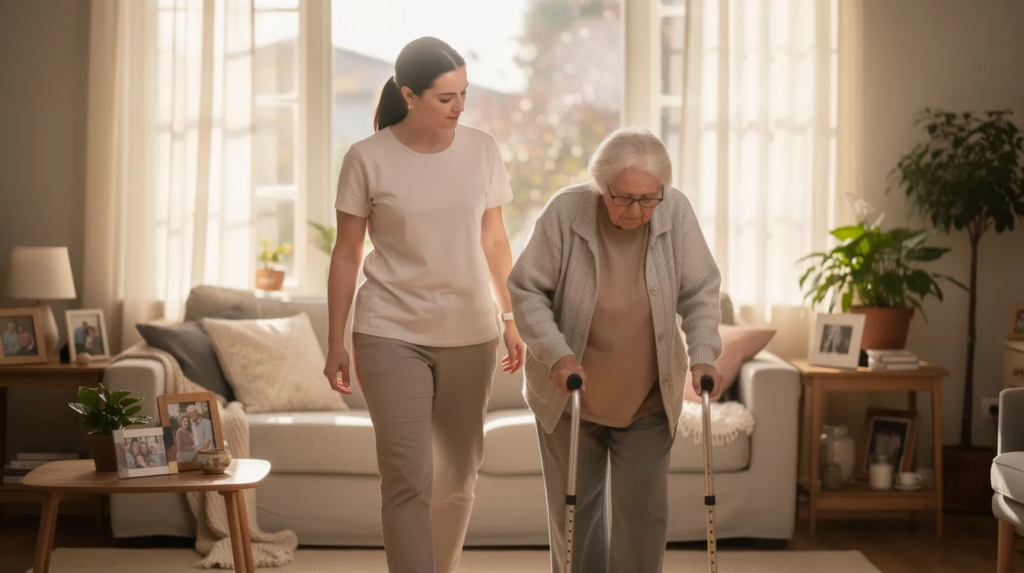
- Body Mechanics: Using posture and leverage to move someone without straining, including maintaining a neutral spine and bending at the knees.
- Use of Equipment: How to operate hoists, transfer belts, slide sheets, and other aids correctly, with hands-on practice to build confidence.
- Team Lifting Techniques: Coordinated lifts with another caregiver to keep transfers safe, including communication and timing strategies.
These techniques reduce injury risk and keep transfers comfortable and dignified. Such skills are part of essential home care training for caregivers.
How do mobility assistance skills improve senior care outcomes?
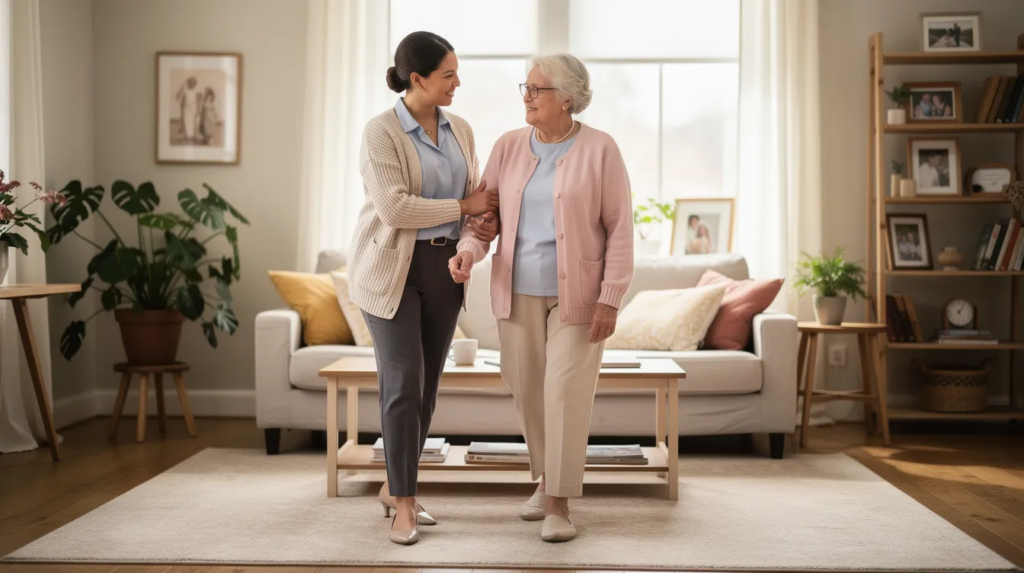
Skilled mobility support helps seniors stay active and lowers fall risk. When caregivers know how to transfer and support movement safely, clients can keep more independence and confidence in daily life, which improves overall well-being. Additionally, mobility training can reduce hospital readmissions related to falls or improper transfers.
What Continuing Education and Online Training Options Are Available for Caregivers?
Continuing education keeps caregivers current with best practices and new approaches. Online programs make ongoing learning realistic for busy schedules. Continuing education is a vital part of ongoing home care training for caregivers.
For anyone searching for home care services in Charlotte, local resources and agencies can connect you with trained, supported caregivers.
How do online caregiver training programs support skills development?
Online training helps caregivers grow by offering:
- Flexible Scheduling: Complete courses at your own pace around work shifts.
- Variety of Courses: From basic care to specialty topics like dementia and wound care.
- Interactive Learning: Quizzes, videos, and simulations that reinforce practical skills.
These features make it easier for caregivers to stay competent and confident on the job. Online options expand access to quality home care training.
What are the benefits of ongoing education for certified home caregivers?
Ongoing education gives caregivers:
- Skill Enhancement: Regular refreshers sharpen practical abilities and judgment.
- Regulatory Compliance: Many states require continuing education to renew certifications.
- Career Advancement: New training can open doors to specialized roles and higher pay.
Investing in education benefits caregivers and the people they serve; better skills mean safer, more personalized care. This highlights the importance of continuous training for caregivers.
Conclusion
Knowing what training caregivers should have helps families choose safe, compassionate home care. Certification, safety skills, dementia training, medication management, mobility techniques, and ongoing education all matter. If you’re exploring caregiver options, consider credentials and lived experience together, and reach out to local providers to find the right fit for your loved one. Discover more resources and support as you plan care. Comprehensive home care training for caregivers is essential for quality care.
About the Author
Jimmy Clonaris is a Partner at BlueDot Cares with extensive experience in senior care services. He is dedicated to helping families navigate the complexities of care options with confidence and clarity. Drawing on his real-world understanding of caregiving needs, Jimmy focuses on fostering trust and ensuring that families find compassionate, competent support for their loved ones.
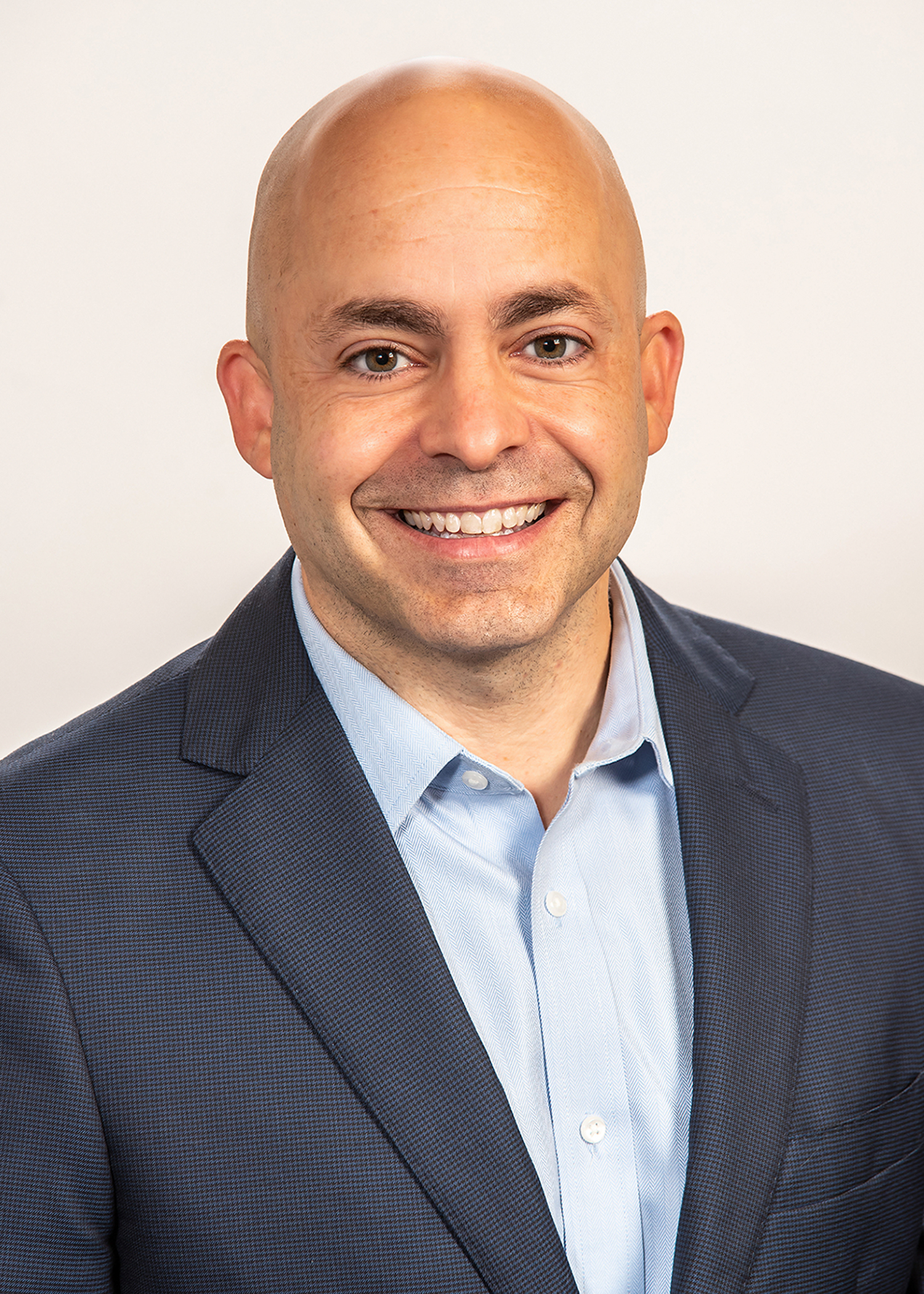
Jimmy Clonaris is Managing Partner at BlueDot Cares, where he oversees operations, caregiver standards, and service delivery for in-home care across the organization. With more than 19 years of experience in healthcare and over a decade with BlueDot, he has been directly involved in building and scaling care programs that support individuals aging at home.
His work focuses on the practical side of care delivery. This includes caregiver training and oversight, care plan consistency, and coordination with families and local healthcare professionals. Jimmy is actively involved in ensuring that care is not only well-structured on paper, but executed reliably in the home.
Over the course of his career, he has worked with thousands of families navigating care decisions, from short-term recovery support to long-term in-home care. His approach is grounded in clear communication, accountability, and building systems that allow caregivers to deliver consistent, high-quality support.
Under his leadership, BlueDot Cares has grown to support tens of thousands of families while maintaining a locally operated, relationship-driven model. He continues to focus on strengthening the team, improving care standards, and ensuring families have a dependable partner when care is needed.