When a loved one comes home after a hospital stay, fall, injury, or new diagnosis, decisions can move fast. Families often hear home healthcare services, home health, and home care used together, but they do not mean the same thing. This guide explains the differences between home healthcare services and non-medical home care, and how BlueDot Cares supports families in Charlotte, Raleigh, Mecklenburg County, Wake County, Durham County, and nearby communities.
What Are Home Health Care Services – And How Are They Different From Home Care?
Home health care services usually mean skilled health care services ordered by a doctor or physician and delivered by a licensed or certified home health agency. According to Medicare, home health services can include nursing care, physical therapy, occupational therapy, speech therapy, medical social services, and assistance from home health aides.
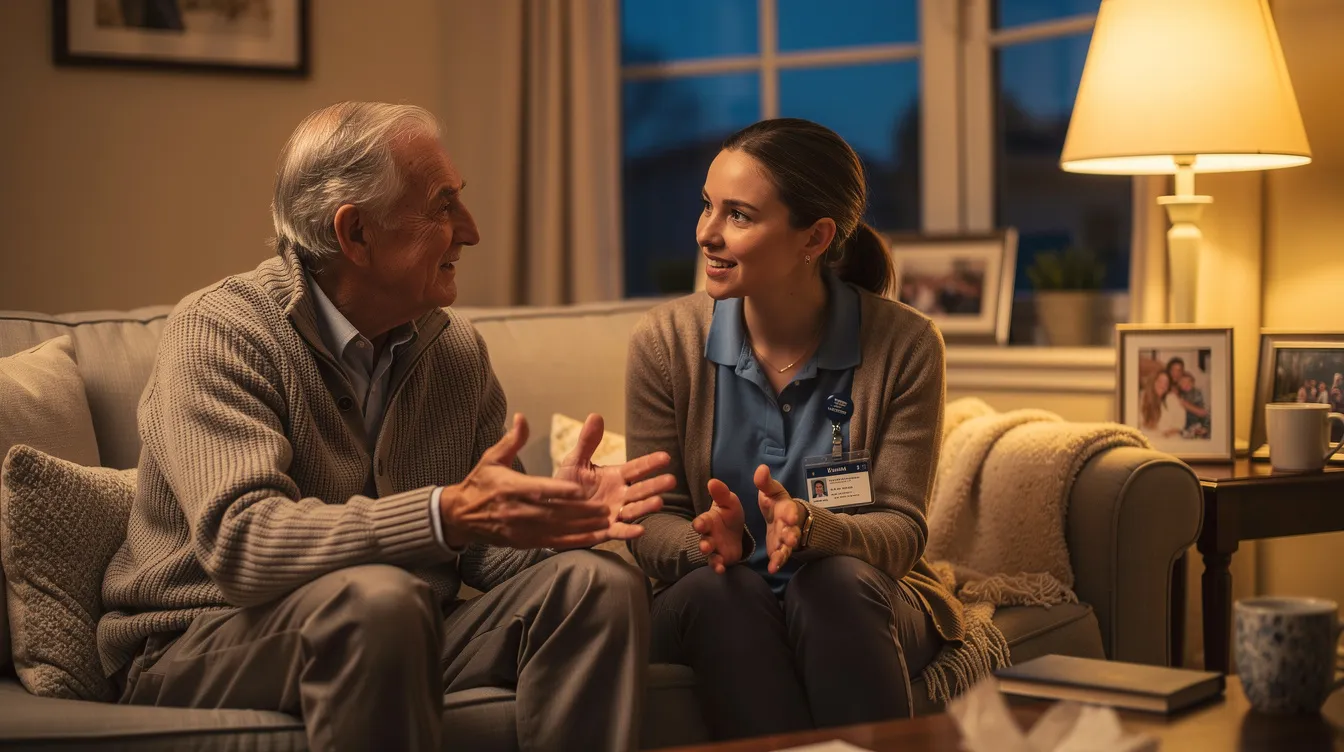
BlueDot Cares provides non-medical home care services, including personal care, companion care, dementia support, respite care, overnight care, and 24-hour support. While home healthcare services focus on skilled medical care, we help with daily life at home through bathing, dressing, meal preparation, mobility support, safety, routines, and companionship. Families often combine Medicare-certified home healthcare services with BlueDot Cares caregivers for additional day-to-day assistance.
Who Can Benefit From Home Healthcare Services and Home Care?
Families in Charlotte, the Triangle, or Raleigh often begin exploring support after knee replacement, serious illness, a dementia diagnosis, repeated falls, or caregiver burnout. Typical situations include:
An 82-year-old widower in SouthPark who is unable to shower safely.
A 76-year-old in North Raleigh with early Alzheimer’s and missed meals.
A daughter in Ballantyne balancing work, children, and aging parents.
A patient recovering after a COPD or heart failure hospital visit.
Non-medical in-home caregivers can help individuals maintain their independence by providing assistance with activities of daily living (ADLs) such as bathing, dressing, and eating, which can be particularly beneficial for those with mobility limitations or cognitive impairments. Families often combine this type of support with home healthcare services to create a more comprehensive plan that addresses both daily living needs and physician-directed care.
Types of Home Health Care and Home Care Services
A strong care plan should match the person, symptoms, diagnosis, home layout, family schedule, and future concerns. Some services are covered medical treatment; others are private-pay support that helps maintain dignity and well-being.
Skilled Home Health Services (Nursing, Therapy, Medical Social Work)
BlueDot Cares does not provide skilled nursing care, therapy, or medical treatment. Those services are usually delivered through Medicare-certified home healthcare services agencies. Home healthcare services may include wound care, intravenous therapy, medication administration, and ongoing monitoring by licensed clinicians. A registered nurse, therapist, or social worker may support patients recovering from a stroke, surgery, illness, or disability, with medical social services sometimes providing education, resource guidance, and short-term support.
To be eligible for Medicare-covered home health services, a patient must require part-time or intermittent skilled services and be considered “homebound.” A patient is considered “homebound” if they have difficulty leaving home without assistance and can only leave for medical treatment or short, infrequent absences for non-medical reasons. Medicare does not cover home health services if a patient requires more than part-time or intermittent skilled care.
Home Health Aide Services & Personal Care
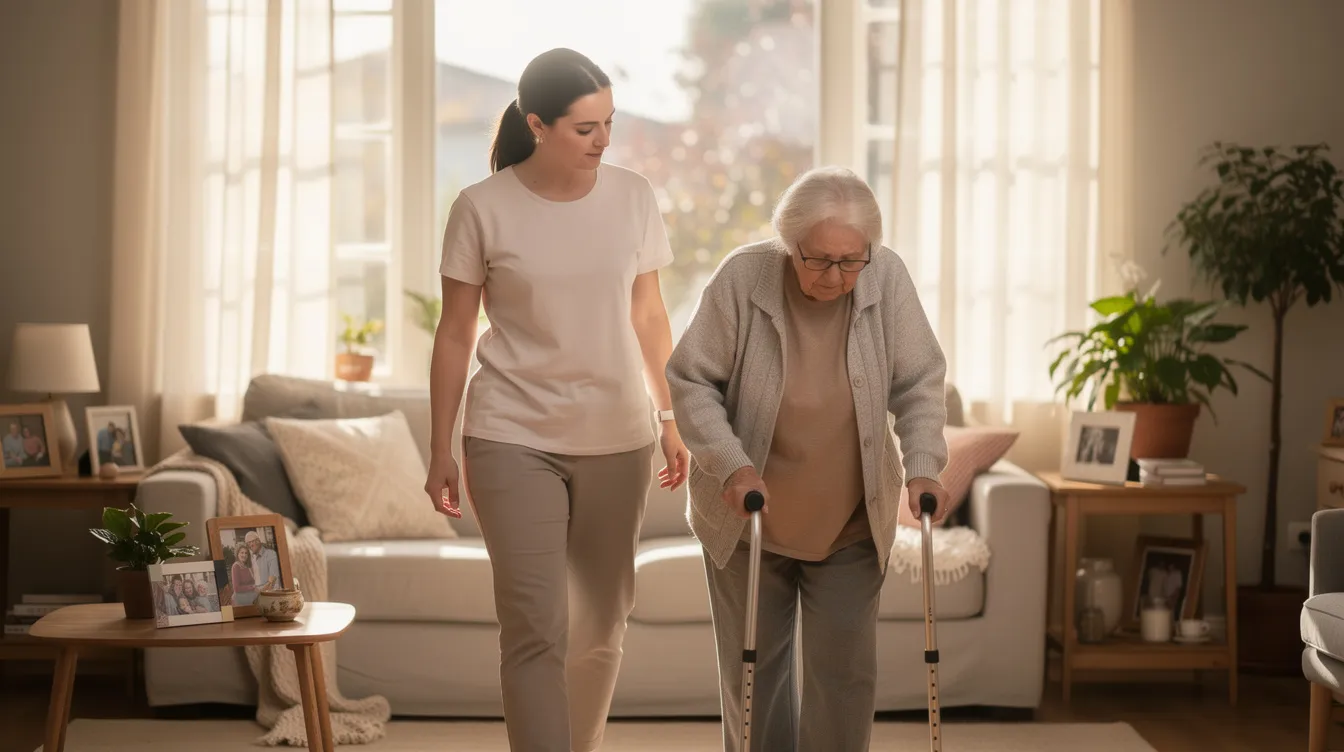
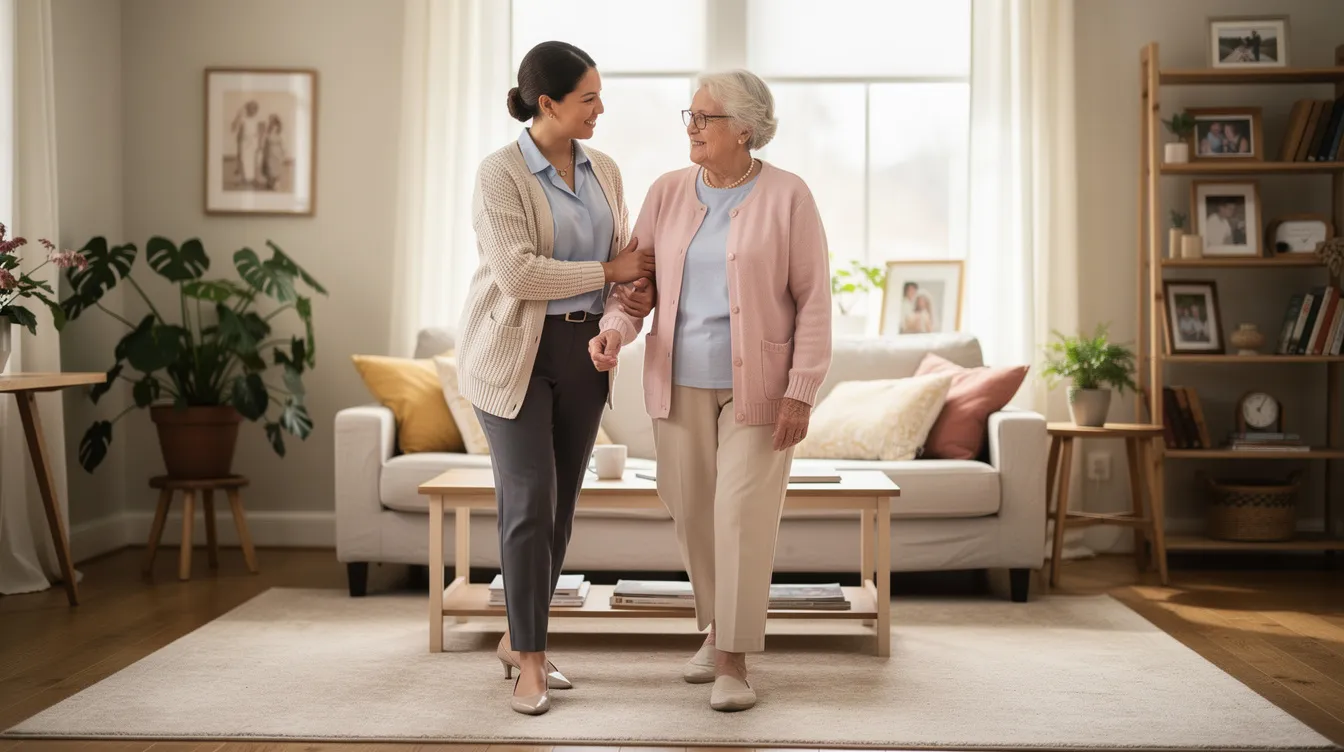
Home health aide services and personal care may include help with bathing, dressing, toileting, grooming, transfers, and meal preparation. Home health aides assist patients with daily living activities such as bathing, dressing, and meal preparation and may provide specialized care under a nurse’s supervision.
BlueDot Cares caregivers assist with personal care services in Charlotte and safe routines: shower chairs, grab bars, continence care, and mobility support. In North Carolina, ongoing personal care services are usually not covered by Medicare unless tied to a qualifying skilled need, so families often pay privately, use long-term care insurance, or review other benefits.
Companion Care & Homemaker Support
Companion care supports conversation, walks, games, appointment reminders, grocery lists, medication reminders, and safety supervision. Homemaker help may include laundry, dishes, trash removal, light housekeeping, and basic organization.
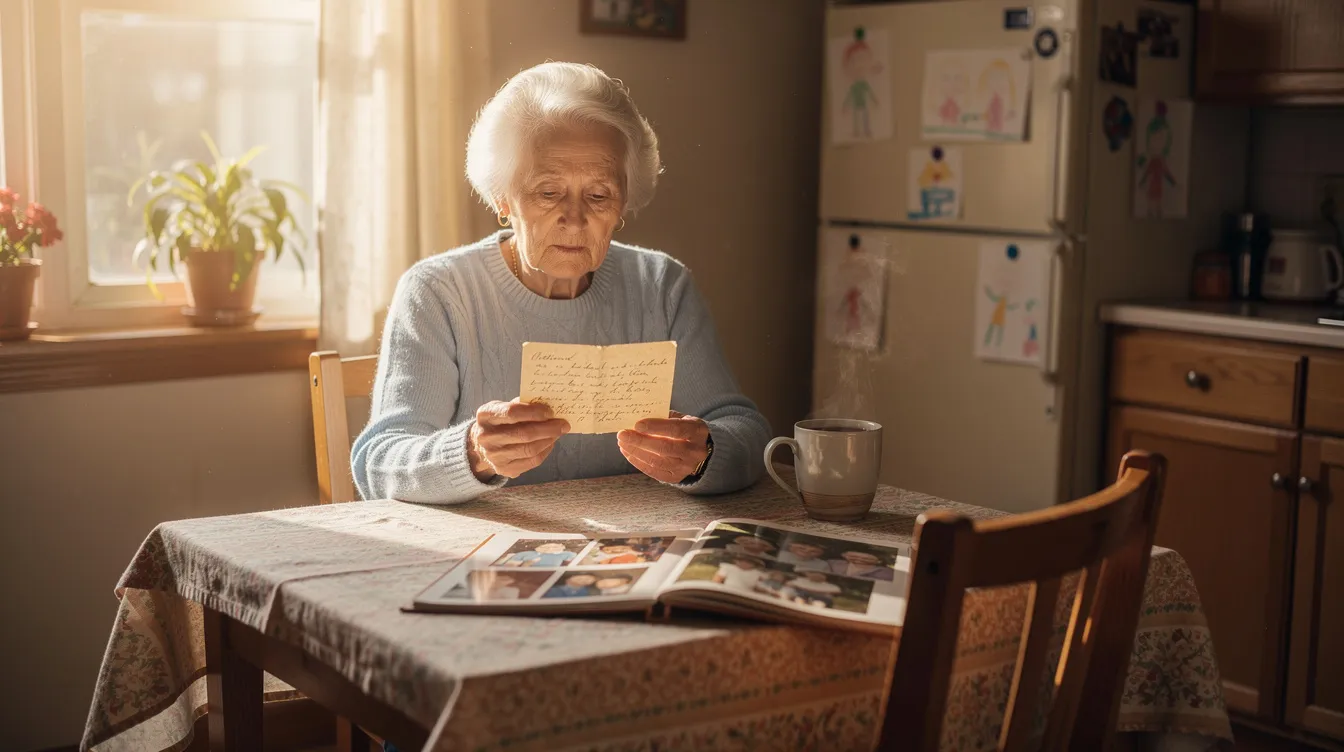
For seniors living alone in Charlotte condos, Durham/Chapel Hill neighborhoods, or Raleigh suburbs, these home care services in Charlotte reduce isolation and give family members breathing room. Hiring a professional in-home caregiver can alleviate caregiver burnout for family members, allowing them to spend quality time with their loved ones instead of being overwhelmed by daily care tasks.

Overnight, 24-Hour, and Respite Care
Overnight care usually means 8–12 hours of nighttime support. 24-hour care means continuous coverage. Respite care gives caregivers planned relief for self-care, work, travel, or sleep.
Families request more support when a loved one wanders, wakes often, needs bathroom assistance, or returns home from rehab. BlueDot Cares can scale services up or down, with a focus on consistency and quality care.
Dementia and Alzheimer’s Home Care Support
Dementia care requires routine, calm communication, redirection, and safety planning. BlueDot Cares caregivers support memory loss, agitation, confusion, and sundowning while preserving dignity and independence.
Examples include labeled drawers, visual cues, simplified clothing, calm evening routines, and fewer overstimulating choices. Families often use dementia-focused home care to delay or complement memory care placement, while continuing to communicate with a neurologist or primary care doctor.
Palliative Care and Advanced Illness Support at Home
Palliative care focuses on comfort, symptoms, and quality of life during serious illness and can happen alongside treatment. BlueDot Cares provides non-medical support around clinician-directed plans for advanced Parkinson’s, COPD, cancer, heart disease, or frailty.
Caregivers can assist with repositioning, reminders, companionship, and family relief. Palliative care is different from hospice; ask your medical team which path fits the current plan.
Who Pays for Home Health Care and Home Care Services?
Payment depends on whether care is skilled or non-medical. Medicare, Medicaid, and Veterans’ Administration (VA) benefits may cover some or all medically necessary home healthcare services for patients who meet certain requirements. When Medicare Part A is billed for qualifying home healthcare services, there are generally no deductibles or coinsurance requirements for those services.
Private insurance plans may provide some coverage for skilled medical care in home health care, but typically do not cover personal care services. A medicare advantage plan, health insurance coverage, or long-term care policy may have its own contract, rules, authorization process, and insurance company review. BlueDot Cares can help families think through costs, payment, insurance, community resources, and realistic schedules.
When Is It Time to Bring Help Into the Home?
Many families wait until a crisis. Warning signs include falls, weight loss, unpaid bills, spoiled food, poor hygiene, missed medication, confusion while driving, frequent ER visits, or a caregiver who feels exhausted.
Starting with 4–8 hours a week can be enough to stabilize routines and reduce risk. A short trial often helps a loved one accept support without feeling a loss of control.
In-Home Care vs. Assisted Living: When to Consider Senior Placement
In-home care in Charlotte, the Triangle, and Raleigh is often the first step, but some needs grow beyond what the home can safely manage. Rapid dementia progression, unsafe wandering, total dependence, or around-the-clock needs may point toward assisted living or memory care.
BlueDot Cares also offers senior placement services in Cleveland, Ohio, helping families compare care options, budgets, neighborhoods, contracts, and care levels. Placement guidance is advisory and typically offered at no cost to families.
How BlueDot Cares Builds a Personalized Home Care Plan
BlueDot Cares starts with a phone consultation, in-home assessment, and custom care plan. We review health history, medications, routines, physical risks, medical supplies, medical equipment, family goals, and current caregivers.
Then we match schedules, personalities, skills, and care needs. When families are also receiving home healthcare services from a physician-directed provider, we can help coordinate day-to-day support around those services so the overall care plan adapts as needs change.

Next Steps: Getting Home Care Help in Charlotte, The Triangle, NC, or Cleveland, OH
If your loved one needs help now, you do not have to sort through home health benefits, home care, hospice, palliative care, and placement decisions alone; you can reach out directly to the compassionate caregivers at BlueDot Cares.
Call BlueDot Cares or complete an online form.
Gather diagnosis, medications, recent hospital details, and daily routine.
Share the current caregiver schedule and main concerns.
Ask about a same-week or next-day assessment when urgent.
Build a plan that helps your loved one stay safer in their own home.
BlueDot Cares is ready to provide care, assist families, and map the next safe step with compassion, flexibility, and local support.
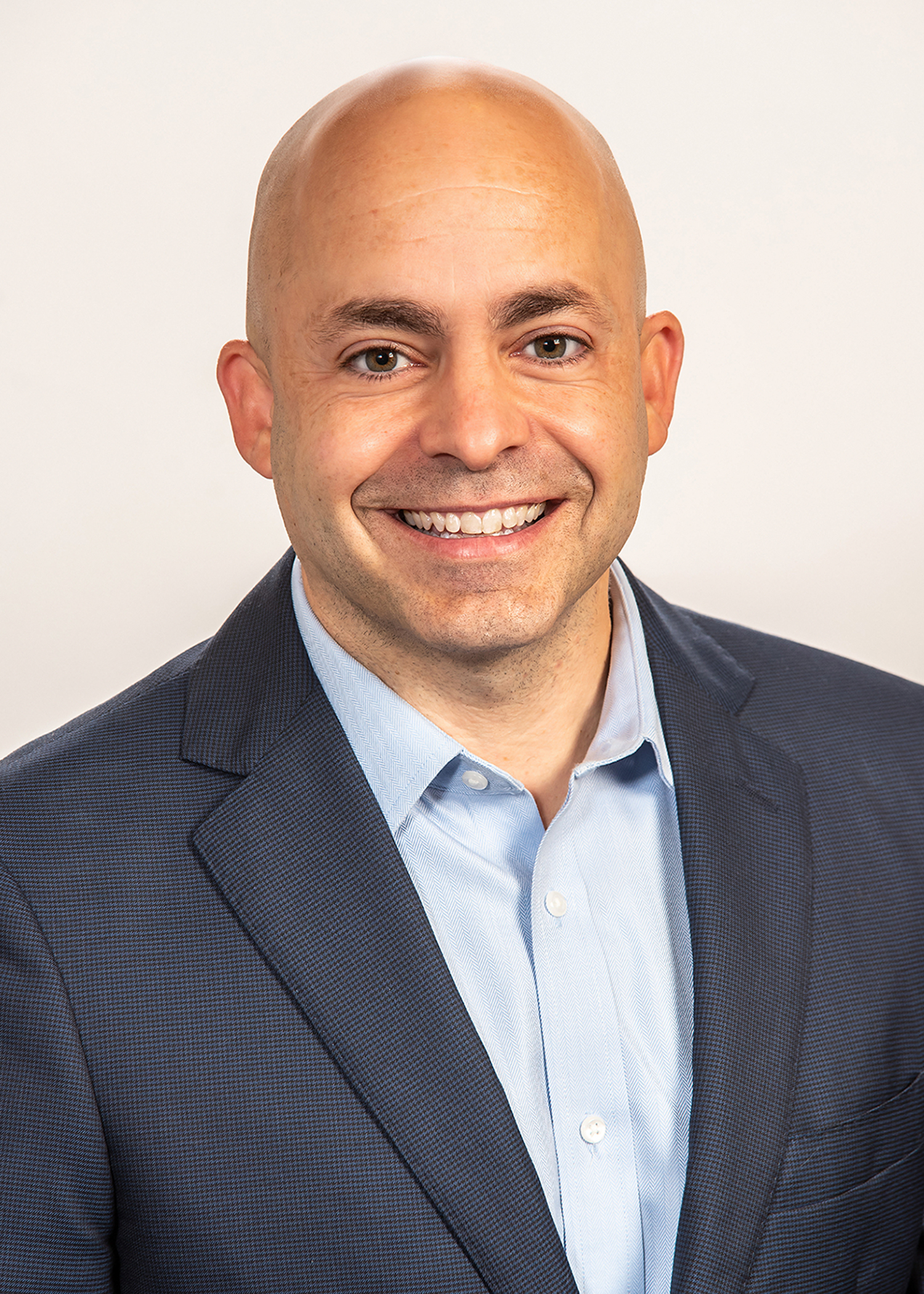
Jimmy Clonaris is Managing Partner at BlueDot Cares, where he oversees operations, caregiver standards, and service delivery for in-home care across the organization. With more than 19 years of experience in healthcare and over a decade with BlueDot, he has been directly involved in building and scaling care programs that support individuals aging at home.
His work focuses on the practical side of care delivery. This includes caregiver training and oversight, care plan consistency, and coordination with families and local healthcare professionals. Jimmy is actively involved in ensuring that care is not only well-structured on paper, but executed reliably in the home.
Over the course of his career, he has worked with thousands of families navigating care decisions, from short-term recovery support to long-term in-home care. His approach is grounded in clear communication, accountability, and building systems that allow caregivers to deliver consistent, high-quality support.
Under his leadership, BlueDot Cares has grown to support tens of thousands of families while maintaining a locally operated, relationship-driven model. He continues to focus on strengthening the team, improving care standards, and ensuring families have a dependable partner when care is needed.