Introduction: Retirement Homes vs. Aging in Place with BlueDot Cares
A retirement home today is not one kind of place. There are many retirement home options available, each designed to provide a different level of daily medical, physical, and lifestyle support for older adults. These retirement home options range from independent living and assisted living to memory care, nursing homes, and continuing care retirement communities, serving needs that range from active, independent lifestyles to 24/7 medical supervision.
BlueDot Cares is a locally operated in-home care and senior placement service serving Charlotte, The Triangle, and Raleigh, NC, with senior placement services also available in Cleveland, OH. We help family members and adult children compare home care, assisted living communities, memory care, independent living options, and other retirement living communities at no cost.
Many seniors prefer to begin in their own home. For example, an 82-year-old in SouthPark, Charlotte, may add 20 hours per week of companion care, local transportation, meal help, and personal care services instead of moving immediately to a facility. This guide explains senior living options, costs, and how BlueDot Cares supports each step.
What Is a Retirement Home? Key Types of Senior Living Communities
A retirement home is an umbrella term, commonly referred to as senior living, for communities that support older adults at different levels. One of the most important factors is matching the level of support to the person’s daily needs, safety concerns, and long-term care goals.
Independent living communities are for active seniors who live independently and want meals, activities, weekly housekeeping, linen services, and common areas without daily hands-on assistance. Not all age-restricted neighborhoods are traditional care homes; some are designed for active retirees seeking community engagement.
Assisted living communities help with daily living, bathing, dressing, medication management, meals, and 24-hour supervision. Assisted living is designed for seniors who need help with daily activities but do not require the extensive medical care provided in nursing homes.
Memory care communities specialize in providing care for seniors with Alzheimer’s and other forms of dementia, focusing on their unique needs and offering a secure environment. Nursing homes provide the highest level of clinical medical care outside of a hospital setting, including skilled nursing care and rehab.
A continuing care retirement community, or CCRC, may include independent living, assisted living, memory care, and nursing home care on one campus. Continuing care retirement communities (CCRCs) offer a range of services from independent living to skilled nursing care, allowing residents to transition as their needs change without moving to a different location.
Independent Living Communities: Maintenance‑Free Living for Active Seniors
Independent living communities are one of the most popular retirement home options for active seniors who do not require daily assistance. They offer a maintenance-free lifestyle with access to amenities, social opportunities, and community activities, while residents typically continue managing their own medications, hygiene, and health routines.
In Charlotte and Raleigh, many senior living communities typically offer restaurant-style dining with an executive chef, a fitness center, a walking club, a movie theater, salons, libraries, outdoor gardens, pet-friendly apartments, and transportation to medical appointments, SouthPark Mall, Crabtree Valley Mall, or church.
A senior in Ballantyne may compare monthly rent in an independent living community with 12–20 hours of in-home care at home. A Raleigh North Hills resident may prefer a senior community that is conveniently located near doctors and family. BlueDot Cares helps compare budget, lifestyle, services included, and long-term fit.
Some independent living communities are part of care retirement communities, which can make future transitions easier if care needs increase.
Independent Living vs. Assisted Living: How Much Help Is Enough?
Independent living offers lifestyle support. Assisted living adds assistance with bathing, dressing, mobility, meals, medication reminders, and a care plan.
An 80-year-old in Charlotte who still drives, cooks, and manages personal care may thrive in independent living. An 84-year-old in Raleigh who has balance issues, missed medications, and unsafe showers may need assisted living.
BlueDot Cares uses a phone consultation or in-home assessment in Charlotte and the Triangle to ask practical questions: Is the loved one eating? Falling? Missing medications? Is the home still safe? The answer often points toward either more in-home support or assisted living.
Assisted Living Communities: Daily Support Without Giving Up Independence
Assisted living facilities are one of the most common retirement home options for older adults who need help with daily living while maintaining as much independence as possible. They provide support with everyday routines but do not offer medical care at the same level as skilled nursing facilities.
In North Carolina, assisted living facilities typically offer a range of services including assistance with daily activities, medication management, and 24-hour supervision. Services offered often include bathing help, grooming, meals, laundry, activities to engage residents, and transportation.
Many assisted living communities in Charlotte, Cary, Durham/Chapel Hill, and Raleigh also have memory care neighborhoods nearby. That can help assisted living residents transition without changing everything at once.
Moving an older adult to an assisted living facility, group home, or nursing home can be stressful and is a big change for both the person and their caregivers. It may take some time for everyone to adjust after transitioning to a senior living facility, and regular check-ins can help ensure the resident is receiving the care they need. Building a relationship with the staff at the new facility can help caregivers work together with them to ensure the resident’s needs are met effectively.
Medicare usually does not pay for room and board in assisted living. Families often use savings, long-term care insurance, or Veterans’ Aid & Attendance, where applicable.
Signs It May Be Time to Move from Home Care to Assisted Living
Consider assisted living when there are multiple falls in six months, medication errors, wandering, increased nighttime confusion, weight loss from not eating, or caregiver exhaustion.
BlueDot Cares caregivers and care coordinators in Charlotte and the Triangle can help identify patterns before a crisis. Sometimes the answer is more hours at home. Sometimes an assisted living community is safer.
A gradual transition may include respite care in the home or a short stay in assisted living while the senior is still primarily living at home in North Carolina.
Memory Care Communities: Specialized Support for Dementia
Memory care is specialized assisted living for Alzheimer’s disease and other dementias. These communities use secure doors, enclosed courtyards, consistent routines, dementia-trained staff, and sensory activities.
Near Charlotte and Raleigh, memory care communities often have smaller staff-to-resident ratios, behavior support, communication training, and safer layouts. It is essential to check staff-to-resident ratios to ensure sufficient care is provided. The quality of a retirement facility is closely linked to the qualifications and stability of its staff.
BlueDot Cares supports Alzheimer’s and dementia care at home in Charlotte through non-medical routines, supervision, meals, personal care, and overnight home care. When home is no longer safe, we help with memory care placement.
A 79-year-old in Matthews with mid-stage Alzheimer’s may begin with 24-hour home care, then move to a secured memory care community in south Charlotte if wandering or nighttime risk becomes too high.
When Home Memory Care Is No Longer Enough
Nighttime wandering, exit-seeking, aggression, frequent hospital visits, or unsafe behavior may exceed what even 24-hour support can manage at home.
This decision can bring guilt and grief. Adult children often know a move is safer while still feeling they are taking something away.
BlueDot Cares helps with safety reviews, viewing photos, tours of local memory care communities, questions about staffing, and move-in planning.
Nursing Homes and Skilled Nursing Facilities: 24/7 Medical Care
Nursing homes, also called skilled nursing facilities, are one of the retirement home options available to seniors who require skilled nursing, rehabilitation, complex medication management, and close oversight by medical professionals.
Short-term skilled nursing care may follow a hospital stay, such as after a hip fracture. Long-term nursing home care is different and may involve ongoing custodial support and medical care.
Among the various retirement home options, nursing homes differ from assisted living because they provide a higher level of clinical oversight, medical equipment, and health-related services, though they often offer fewer lifestyle amenities and social activities.
In 2026, North Carolina nursing home costs often range from about $6,730 to $10,020 per month, with a median of $8,213. Medicare may cover short-term skilled care after a qualifying stay; long-term care often depends on Medicaid eligibility, savings, or insurance. Learn more from Medicare’s nursing facility coverage guidance.
BlueDot Cares does not operate nursing homes, but we can help families understand when that level is needed and coordinate senior care before or after discharge.
Continuing Care Retirement Communities (CCRCs): Aging in One Place
A continuing care retirement community, as well as other retirement home options, offers several levels of living in one location: independent living, assisted living, memory care, and skilled nursing. Most CCRCs use a long-term contract.
The typical structure includes an entrance fee and a monthly fee. In 2026, CCRC entrance fees may range from $100,000 to over $1,000,000, with monthly fees often around $2,500 to $6,000 depending on the unit, services, and contract.
CCRCs appeal to residents who want one move, familiar common areas, and social connections as health changes. Choosing a retirement home involves balancing physical health, emotional well-being, and financial realities.
CCRCs vs. Separate Retirement Communities: Pros and Cons
The advantage of a CCRC is continuity: one campus, coordinated support, and fewer disruptive moves.
The tradeoff is financial commitment. Contracts may be life-care, modified, or fee-for-service, and long-term care insurance may or may not coordinate smoothly.
BlueDot Cares helps families compare a CCRC with separate senior living facilities, home care first, later assisted living, or memory care based on age, health, budget, and benefits.
Aging in Place: In‑Home Care as the First Step
Aging in place means staying in your own home with support. In Charlotte, the Triangle, and Cleveland, OH, many older adults choose this before moving to a retirement community.
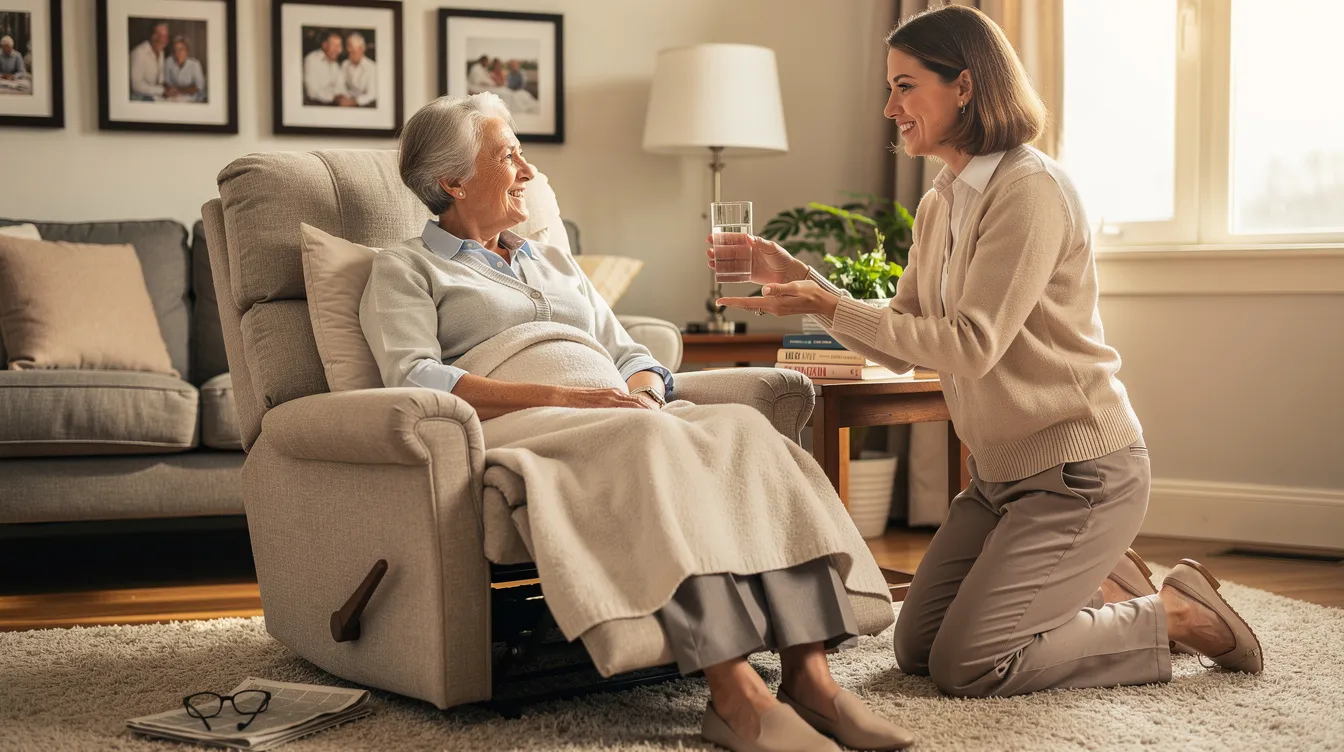
BlueDot Cares provides non-medical in-home senior care in Charlotte: companion care, personal care, meal preparation, medication reminders, light housekeeping, dementia support, overnight care, and respite care.
A 78-year-old in South Charlotte may use 12 hours per week for meals, errands, hygiene support, companionship, or short-term respite care in Charlotte. That can delay assisted living while improving safety and well-being.
Home care also lets families test what help actually works before committing to a move.
How BlueDot Cares Supports Aging in Place Safely
We coordinate practical routines: fall-prevention checklists, regular meals, medication reminders, and communication with primary care providers when appropriate.
Schedules can start with a few hours per week and grow to overnight or 24-hour care after surgery, during caregiver travel, or when dementia symptoms increase.
This flexible model helps families avoid rushed decisions while keeping support in place.

Costs, Insurance, and Long‑Term Planning
Costs vary by location and care level. The average cost of assisted living in the United States is approximately $4,300 per month, though this can vary significantly by state and facility. In North Carolina for 2026, assisted living commonly runs about $4,600–$4,933 monthly, with Charlotte’s premium options higher.
Memory care typically costs 20-30% more than assisted living, with the average monthly cost for memory care being around $5,375. In North Carolina, memory care is often near $5,800 monthly and may exceed $7,000.
Independent living costs can range from $12,000 to $42,000 per year, averaging about $3,500 per month for higher-end communities. In North Carolina, many independent living options run about $2,540–$3,780 monthly.
In-home care in North Carolina often ranges from about $22–$35 per hour, depending on companion care, personal care, or aide support. Medicare covers some medical care and short-term skilled services, but not long-term monthly rent in retirement homes. Medicaid may help with nursing home costs or some in-home services under state rules. For state program details, review NC Medicaid long-term services and supports.
Using Respite Care and Short-Term Stays to Explore Retirement Home Options
Respite care can give families a short-term way to explore retirement home options before making a long-term decision. This may happen through BlueDot Cares in-home services or through brief stays in assisted living or memory care communities.
An adult daughter in Raleigh may arrange two weeks of facility-based respite while also trying extended in-home care hours. Comparing both experiences can help determine whether aging in place or one of the available retirement home options is the better fit.
Some long-term care insurance policies may help cover respite services, depending on elimination periods and daily benefit limits.
How BlueDot Cares Helps You Choose the Right Retirement Home or Home Care Plan
Our process starts with a phone consultation, then an in-home assessment for Charlotte and the Triangle care clients. We clarify goals, budget, safety, health needs, and preferred location.
Placement support is provided at no cost to families; communities may pay a referral fee, but recommendations are based on fit, safety, and budget.
We help compare services, contracts, staffing, atmosphere, and location near family, Atrium Health, UNC Rex Hospital, or preferred medical services. Access to family and preferred medical services is crucial for the well-being of seniors in retirement homes.

Next Steps: Getting Help Exploring Retirement Home Options in Charlotte & The Triangle
Reach out to BlueDot Cares’ compassionate caregivers if there has been a fall, a new dementia diagnosis, caregiver burnout, a hospital discharge, or confusion over independent living vs. assisted living.
We can help families explore retirement home options while also coordinating in-home care and evaluating assisted living communities, memory care, independent living, and continuing care retirement communities.
You do not have to choose alone. BlueDot Cares helps families in Charlotte, the Triangle, and Raleigh build a safe plan around the loved one, the home, and the next right step.

Jimmy Clonaris is Managing Partner at BlueDot Cares, where he oversees operations, caregiver standards, and service delivery for in-home care across the organization. With more than 19 years of experience in healthcare and over a decade with BlueDot, he has been directly involved in building and scaling care programs that support individuals aging at home.
His work focuses on the practical side of care delivery. This includes caregiver training and oversight, care plan consistency, and coordination with families and local healthcare professionals. Jimmy is actively involved in ensuring that care is not only well-structured on paper, but executed reliably in the home.
Over the course of his career, he has worked with thousands of families navigating care decisions, from short-term recovery support to long-term in-home care. His approach is grounded in clear communication, accountability, and building systems that allow caregivers to deliver consistent, high-quality support.
Under his leadership, BlueDot Cares has grown to support tens of thousands of families while maintaining a locally operated, relationship-driven model. He continues to focus on strengthening the team, improving care standards, and ensuring families have a dependable partner when care is needed.