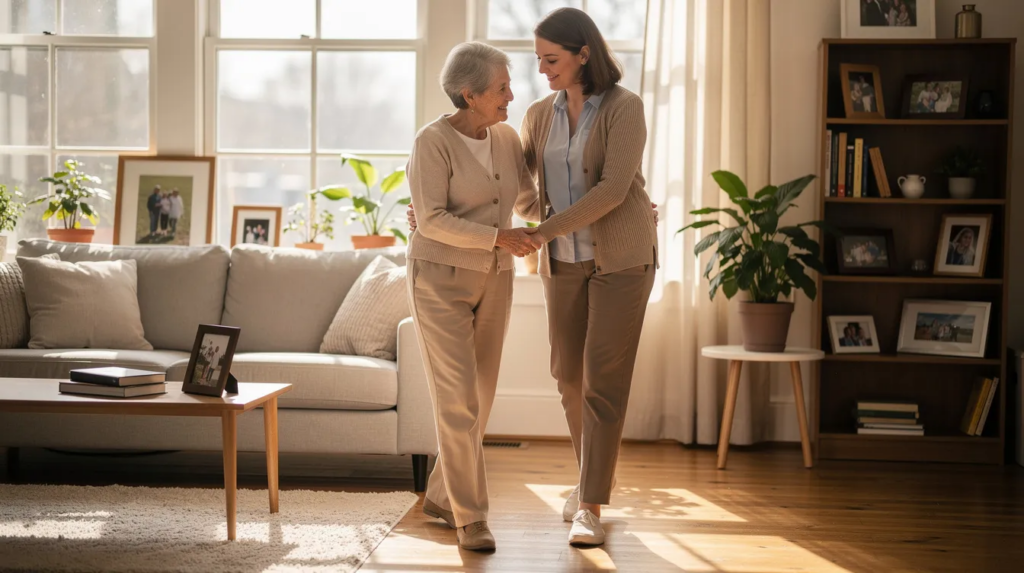
If you’re trying to figure out what kind of help your aging parent actually needs at home, you’re not alone. Families across Chapel Hill face a confusing landscape of terms, providers, and payment options. Understanding home health care services in Chapel Hill starts with knowing the difference between skilled medical care and non-medical home care. This guide explains who benefits most from each option and walks through how to plan and pay for the right level of support.
Understanding Home Health Care vs. Home Care in North Carolina
The terms “home health” and “home care” sound nearly identical, but they refer to very different types of services under North Carolina law. Mixing them up can lead to mismatched expectations, billing surprises, and gaps in support.
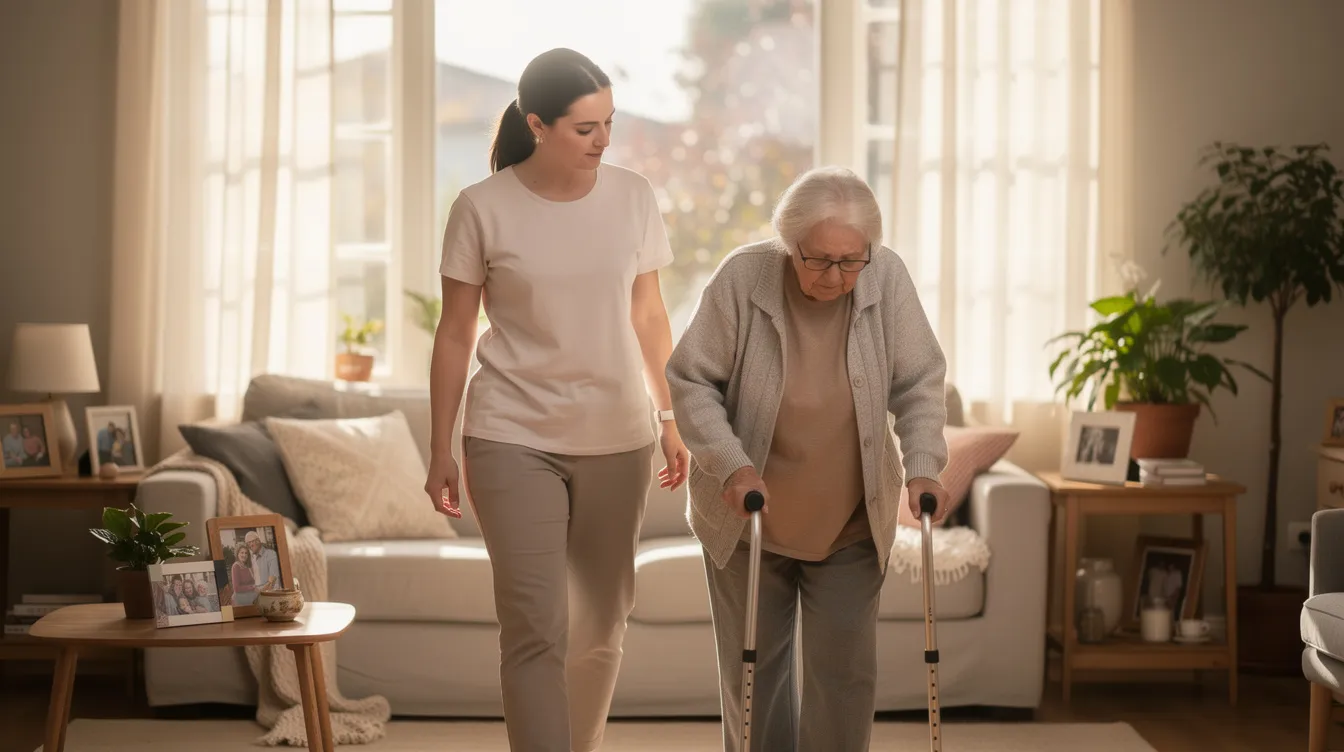
Home health care provides medical services at home. These home health services are typically ordered by a physician and delivered by licensed clinicians after a hospital stay, surgery, or serious diagnosis. They include skilled nursing, physical therapy, occupational therapy, speech therapy, and wound care. A nurse might visit two or three times a week to manage IV medications, monitor vital signs, or teach a family member how to treat a surgical site.
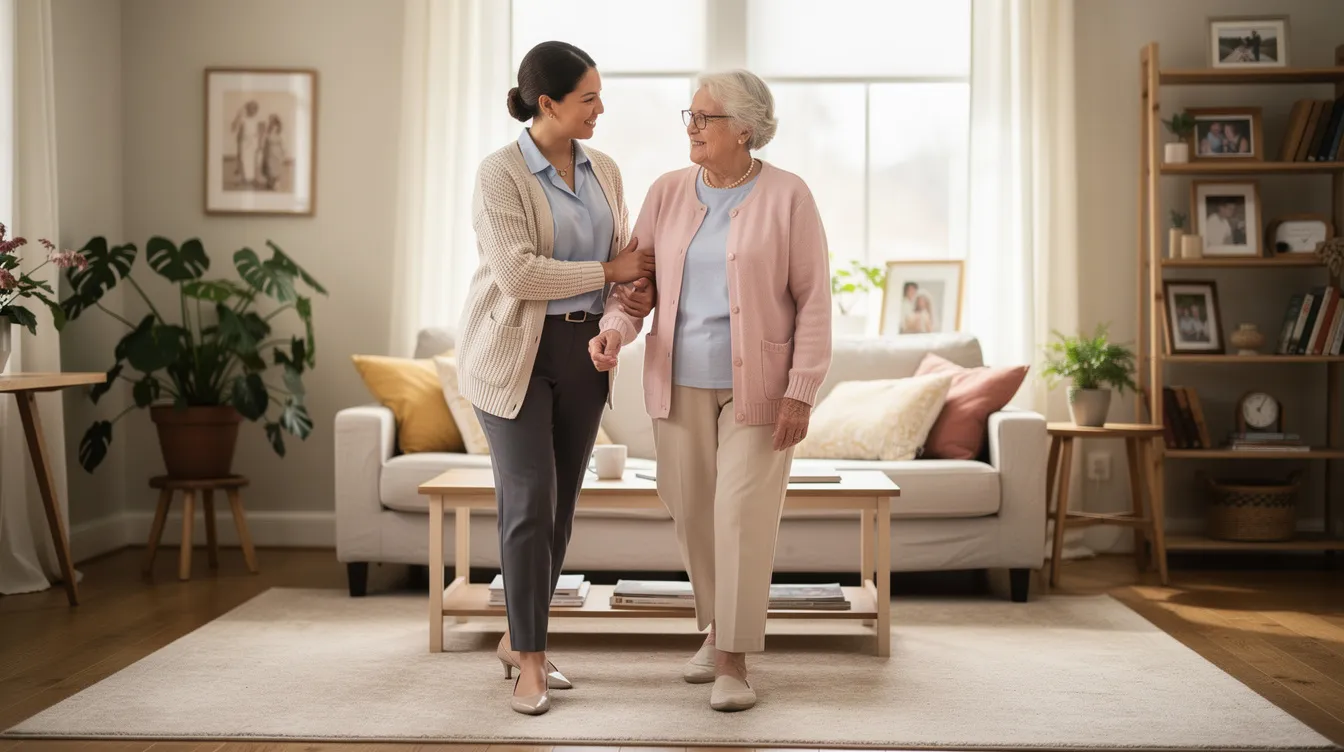
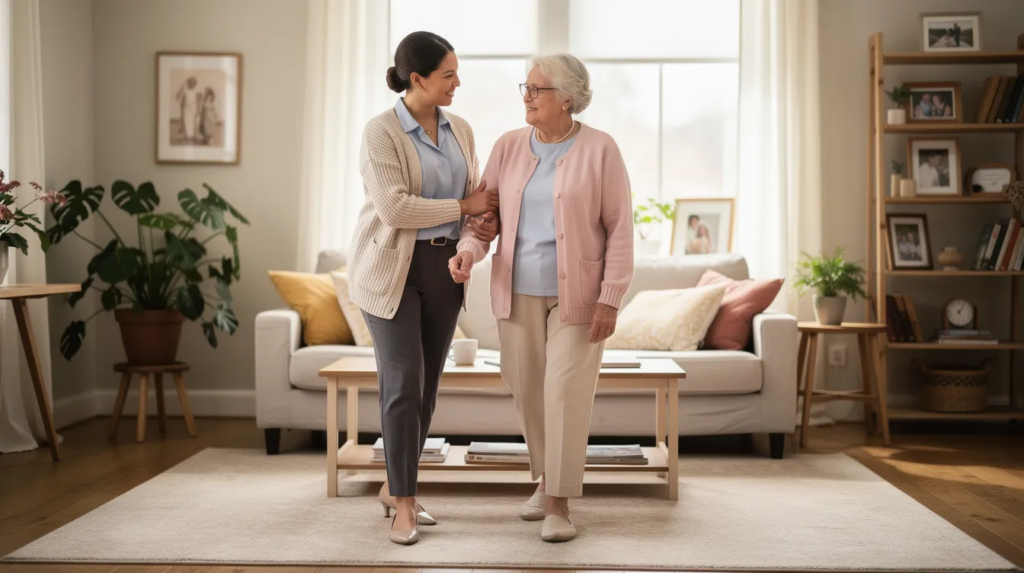
Home care assists with daily activities for safety at home. Also known as personal or companion care, it covers help with bathing, dressing, meals, transportation, light housekeeping, and companionship. It is non-medical, flexible, and designed around daily living rather than a treatment plan.
Here’s where it gets practical: a senior in SouthPark recovering from surgery might receive home health care from a certified agency for wound care and therapy, while simultaneously receiving home care in Chapel Hill from BlueDot Cares for personal assistance with everyday tasks like showering, meal prep, and getting to follow-up appointments. BlueDot Cares regularly coordinates with local home health agencies, primary care doctors, and hospital discharge planners at Atrium Health and UNC Health to make sure nothing falls through the cracks.
Who Benefits Most from Home Health and Home Care Services?
If you’re an adult child in the Chapel Hill area watching a parent struggle with tasks that used to be routine, the question of when to bring in help can weigh on you daily. Home healthcare can support families by reducing caregiver burden through professional assistance, and knowing which type of care fits which situation makes all the difference.
Common scenarios where home health care services or home care make sense include a recent fall, a hospital discharge, a dementia diagnosis, caregiver burnout, or increasing difficulty with daily tasks like showering or preparing meals. For example, an 82-year-old in Ballantyne recovering from hip replacement surgery likely needs a short course of skilled nursing and therapy-home health care often follows a hospital stay or serious diagnosis-followed by ongoing personal care to stay safe at home. A 76-year-old in Cary with early Alzheimer’s may not need medical care at all, but does need cueing, supervision, and companionship several hours a day. A couple in Matthews might need overnight safety checks so a spouse can actually sleep.
Home healthcare may promote faster recovery and better outcomes compared to hospital stays, and research shows home-based care can be as effective as hospital treatments for many patients. Receiving care at home allows individuals to recover in familiar surroundings, which directly supports mental health and well-being. In-home caregivers help individuals stay safe and independent at home. In-home care reduces stress for family members by providing familiar support, giving a daughter commuting to uptown Chapel Hill or a son working in RTP confidence that a trained person is present when they cannot be.
Types of Home Care and Home Health Care Services in Chapel Hill Available
Most families end up blending several types of care as needs change over months or years. Assessing medical needs is crucial in determining the type of home healthcare required, and patients can receive personalized care plans to meet their specific medical needs.
Non-medical home care services (what BlueDot Cares provides):
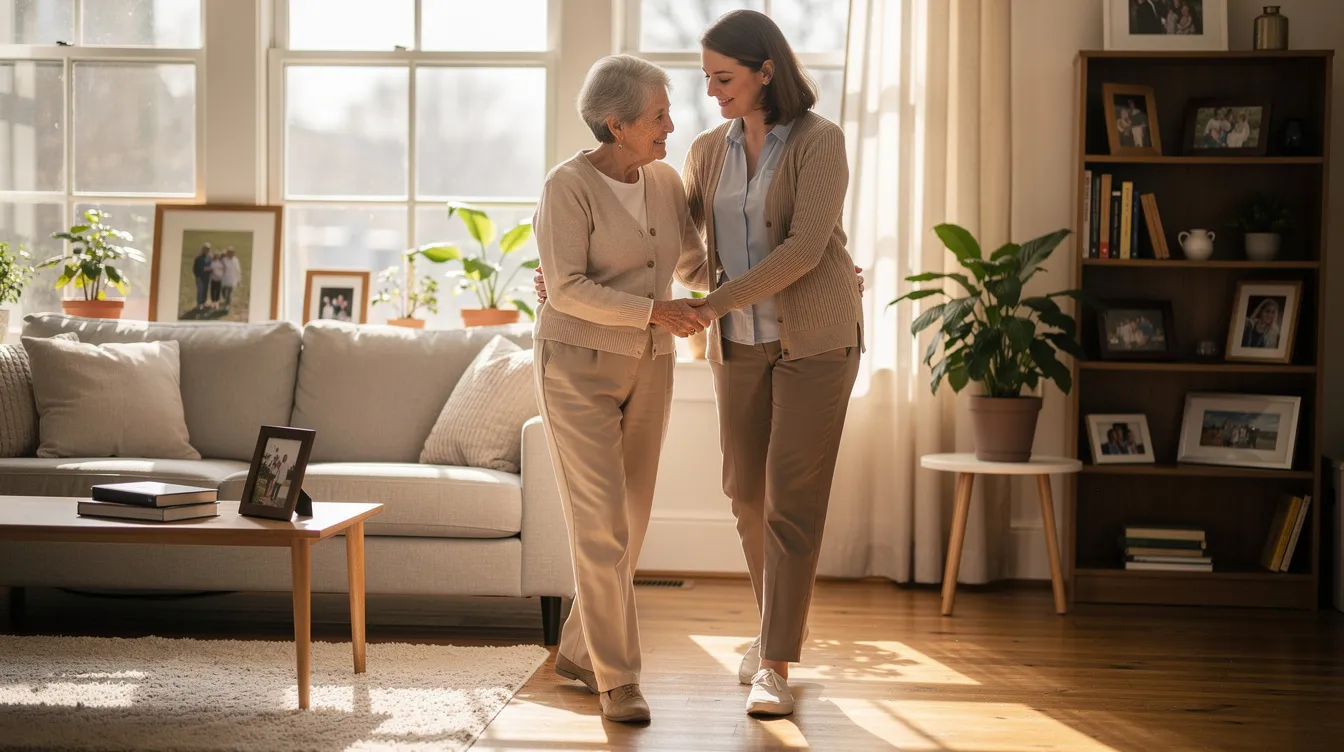
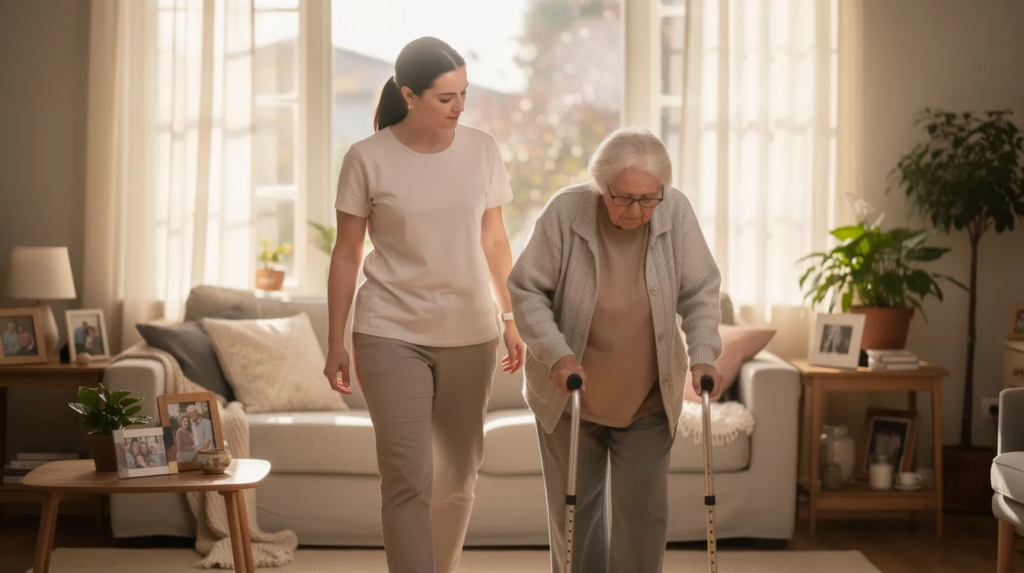
Personal care: bathing, grooming, toileting, dressing, incontinence care, safe transfers
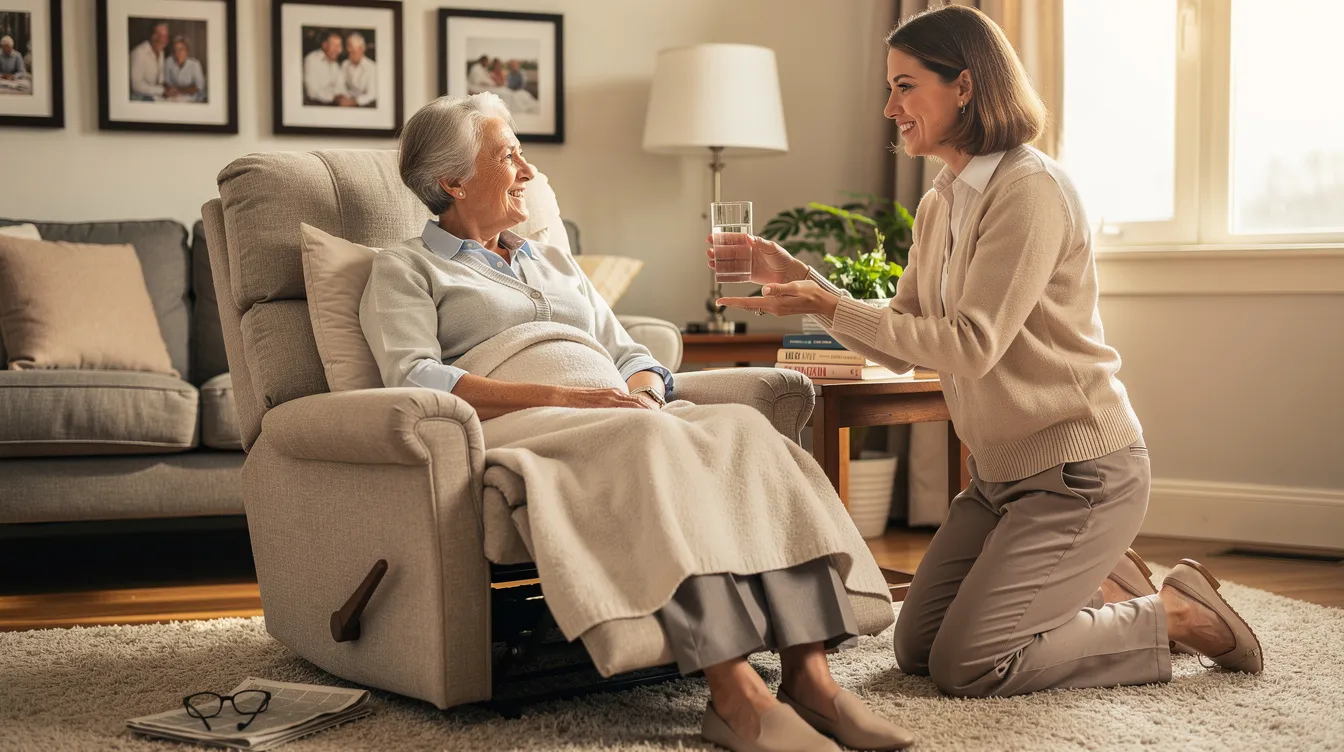
Companion care: conversation, games, walks, transportation to appointments, help staying socially connected
Homemaker support: light housekeeping, laundry, meal planning and preparation tailored to dietary needs-plus coordination with home-delivered meals services available for patients unable to cook
Respite care: short-term relief for family caregivers during evenings, weekends, or vacations
Overnight and 24-hour home care: safety monitoring, fall prevention, dementia wandering prevention
Clinical home health services (from separate licensed providers):
Skilled nursing: injections, wound care, IV management, medication teaching. Nursing care is the most common type of home health care
Home health aides assist with basic personal needs like bathing under clinical supervision
Physical therapy helps patients regain muscle and joint use; home healthcare services may include rehabilitation services tailored to individual needs
Medical social workers provide counseling and community resource access
Home healthcare providers can help coordinate durable medical equipment for patient use at home
Home healthcare includes both short-term medical care and long-term support. The key is understanding which services may be covered by insurance and which require a different plan.

How BlueDot Cares Delivers Non-Medical Home Care in Chapel Hill
BlueDot Cares is a locally operated in-home care provider focused on helping seniors stay safely at home in the Chapel Hill area in North Carolina. The company is built around a structured service and location model, delivering personal care, companion care, respite care, overnight care, and dementia support organized around specific service areas rather than a generic nationwide footprint.
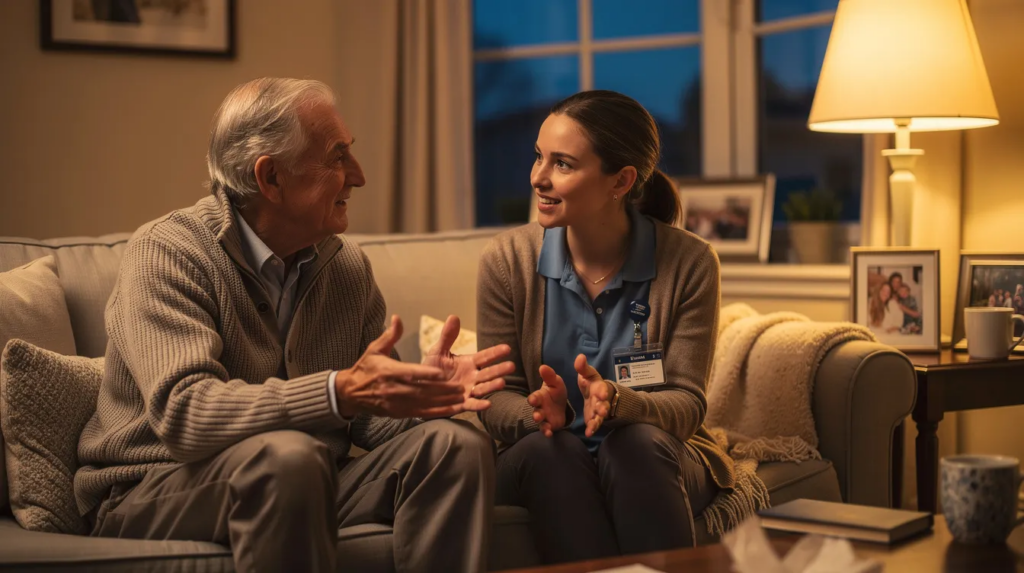
Every caregiver goes through background checks and ongoing training in dementia awareness, fall prevention, communication, and client dignity. Certified caregivers have specialized training in patient care, and BlueDot Cares emphasizes consistent caregiver assignments so your loved one sees the same familiar face rather than a rotating cast of strangers.
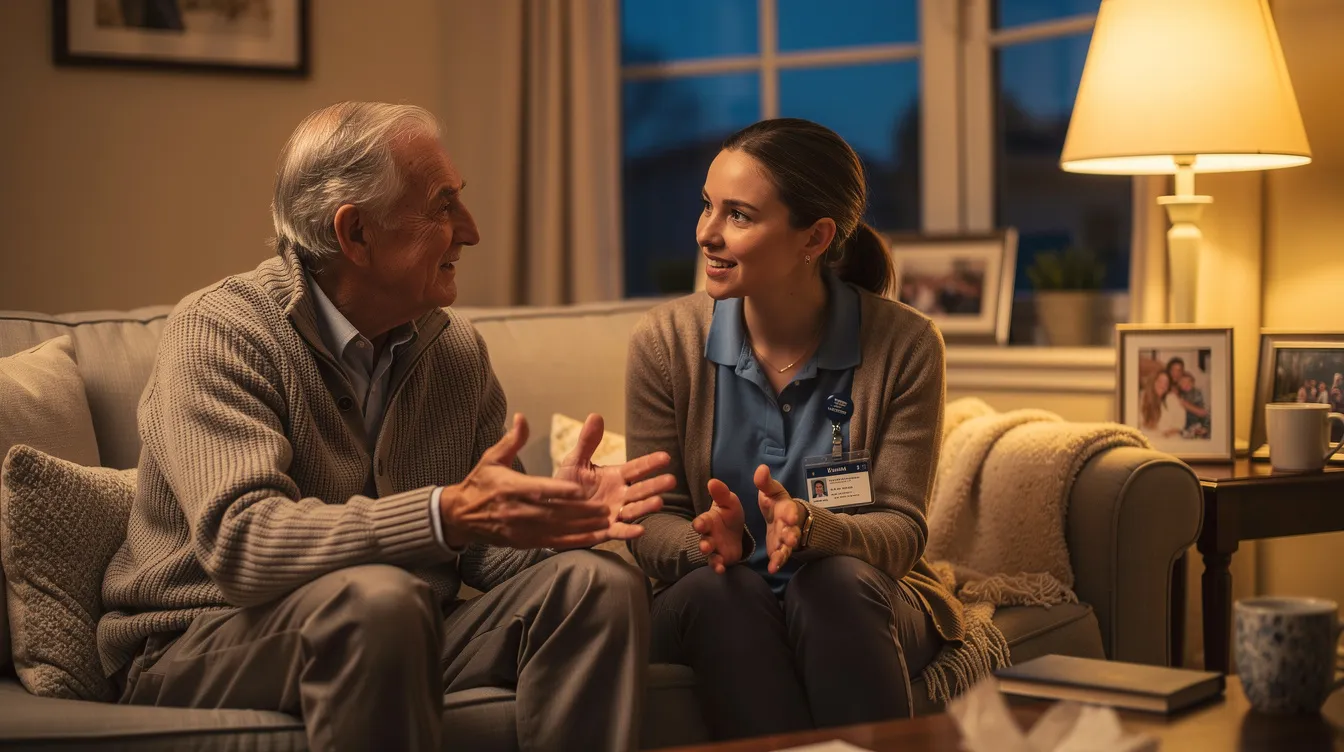
Care schedules are customized: from 4-hour visits a few times a week in a Chapel Hill condo, to 12-hour overnight support in a Durham single-family home, to live-in or 24-hour rotational coverage as needs advance. Hours can increase or decrease as health changes, shift times can adjust to match therapy appointments or an adult child’s work schedule, and temporary care can be added quickly during a family crisis. If you’re unsure where to start, ask your loved one’s doctor for caregiver recommendations-many physician offices and discharge planners in the Chapel Hill area work directly with BlueDot Cares.
Specialized Support: Dementia Care, Respite Care, and Overnight Safety
Dementia, Alzheimer’s disease, and nighttime confusion are among the most overwhelming challenges family members face. The person you’re caring for may be physically healthy but unable to maintain safety without supervision, and that kind of specialized care demands specific skills.
BlueDot Cares’ dementia and memory care support focuses on structured routines, gentle redirection, medication reminders (not administration), wandering prevention, and stimulating activities that promote independence while reducing risk. These are non-medical services but can work alongside home health agencies providing skilled nursing or hospice support in the same home.
Respite care gives family caregivers planned, reliable breaks. A daughter in Huntersville might use Sunday coverage so she can rest and recharge. A spouse in Apex might schedule three afternoons a week for personal assistance with errands and appointments while knowing a trained caregiver is with their partner.
Overnight care means a caregiver stays awake and monitoring throughout the night-assistance to the bathroom, repositioning to prevent discomfort, and calm support during “sundowning” episodes when confusion and agitation tend to peak. Home healthcare can be a cost-effective alternative to long-term institutional care, and for many patients, staying home with the right support is both safer and less disruptive than a facility move.

Planning and Paying for Care: Costs, Coverage, and Local Resources
Cost is one of the first concerns families in Mecklenburg and Wake counties raise, and for good reason. Most families combine several payment sources to afford the care their loved one needs.
Non-medical home care from BlueDot Cares is typically private pay, with rates in the Chapel Hill metro area ranging from $28–$36 per hour. Long-term care insurance may cover a portion, though policies vary in what they reimburse and often have daily or lifetime caps. Veterans’ benefits and some state-funded programs can also provide financial support when available. Private insurance typically does not cover personal care services, so it’s important to review your policy carefully.
Home health services are usually funded differently. Medicare may cover in-home health care for eligible patients when a physician orders skilled nursing or therapy and the person is homebound. Government programs may cover medically necessary in-home care costs through Medicaid as well. Some states have additional programs-for example, North Carolina offers financial support for caregivers (In-Home Aide program) for adults 60 and older.
Practical next steps: review existing insurance policies, and talk with a hospital discharge planner. Local social services can help determine eligibility for financial support and connect you to community resources. BlueDot Cares offers guidance in estimating weekly care costs, choosing the right schedule, and adjusting plans to stay within a family’s monthly budget.
When Home Care Isn’t Enough: Senior Placement Support from BlueDot Cares
Over time, some seniors’ needs outgrow what can safely be managed at home-even with strong home care and home health services in place. A pattern of falls, advancing dementia, or medical complexity that requires around-the-clock clinical oversight may signal it’s time to consider a higher level of support.
BlueDot Cares offers senior placement services in the Chapel Hill market, providing advisory support to evaluate assisted living, memory care, and independent living communities. The process works like this:
Assessment of the person’s current care needs and how they’ve changed
Review of budget, preferred neighborhoods, and quality priorities
Coordination of community tours and guidance on what questions to ask
Ongoing support through the transition
This placement guidance is offered at no cost to families and is meant as a complementary pathway-not a replacement for in-home care. Many families start with home care first, then transition only if safety becomes a concern that can no longer be addressed at home.
BlueDot Cares remains a partner through the entire aging journey. Whether your family needs a few hours of companionship each week or eventually faces a move into assisted living, the goal stays the same: making sure your loved one receives the right level of support, in the right place, at the right time. If you’re unsure where to start, reach out to BlueDot Cares for a conversation about what your family needs today.
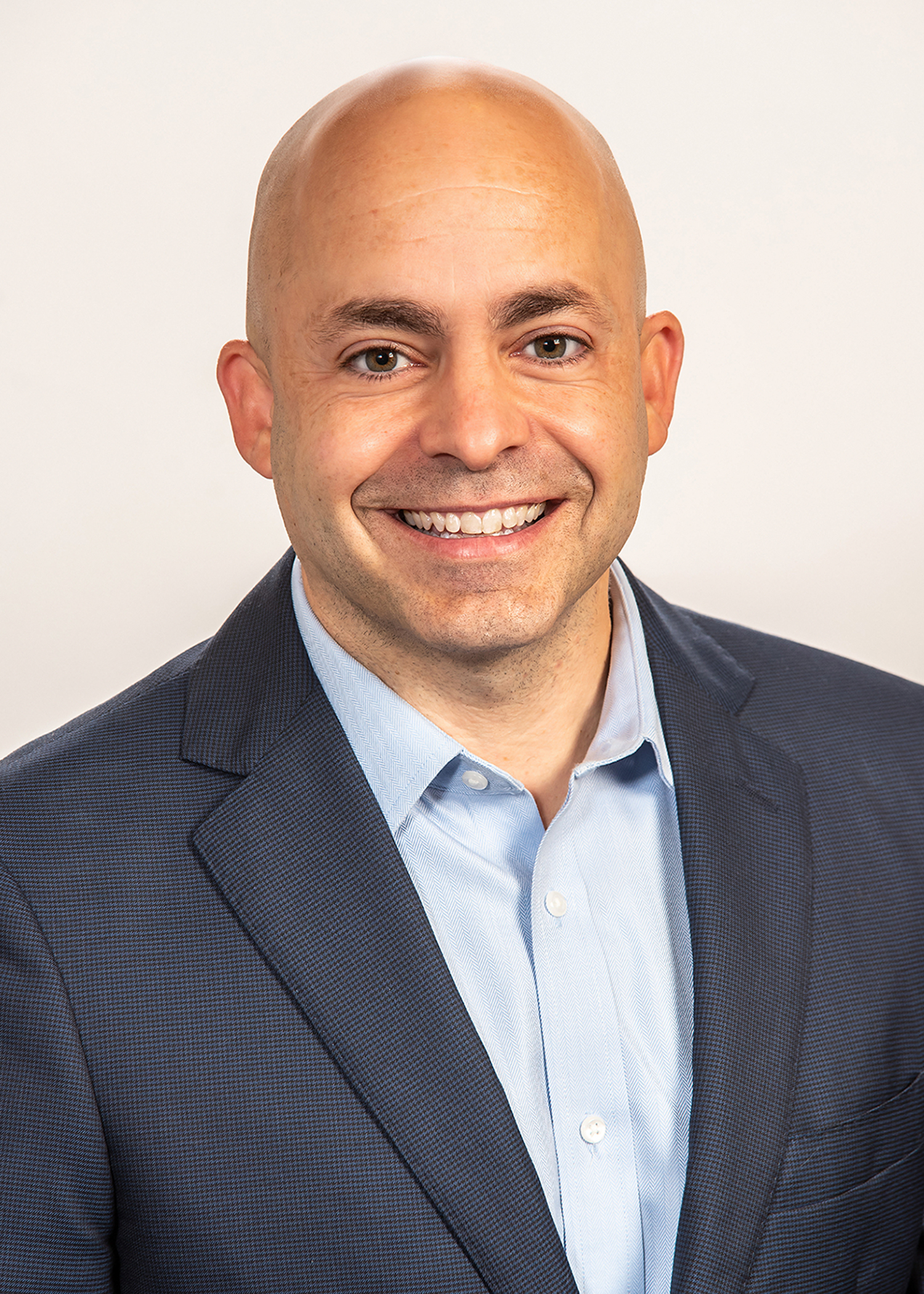
Jimmy Clonaris is Managing Partner at BlueDot Cares, where he oversees operations, caregiver standards, and service delivery for in-home care across the organization. With more than 19 years of experience in healthcare and over a decade with BlueDot, he has been directly involved in building and scaling care programs that support individuals aging at home.
His work focuses on the practical side of care delivery. This includes caregiver training and oversight, care plan consistency, and coordination with families and local healthcare professionals. Jimmy is actively involved in ensuring that care is not only well-structured on paper, but executed reliably in the home.
Over the course of his career, he has worked with thousands of families navigating care decisions, from short-term recovery support to long-term in-home care. His approach is grounded in clear communication, accountability, and building systems that allow caregivers to deliver consistent, high-quality support.
Under his leadership, BlueDot Cares has grown to support tens of thousands of families while maintaining a locally operated, relationship-driven model. He continues to focus on strengthening the team, improving care standards, and ensuring families have a dependable partner when care is needed.