

VA Home Care Services: Supporting Veterans with Compassion

Receive compassionate VA home care services tailored for veterans. Our dedicated team supports your well-being and independence every step of the way.
Veteran and family member discussing VA care options together at a table with paperwork in a home setting

VA Home Care Services: Supporting Veterans with Compassion

Receive compassionate VA home care services tailored for veterans. Our dedicated team supports your well-being and independence every step of the way.

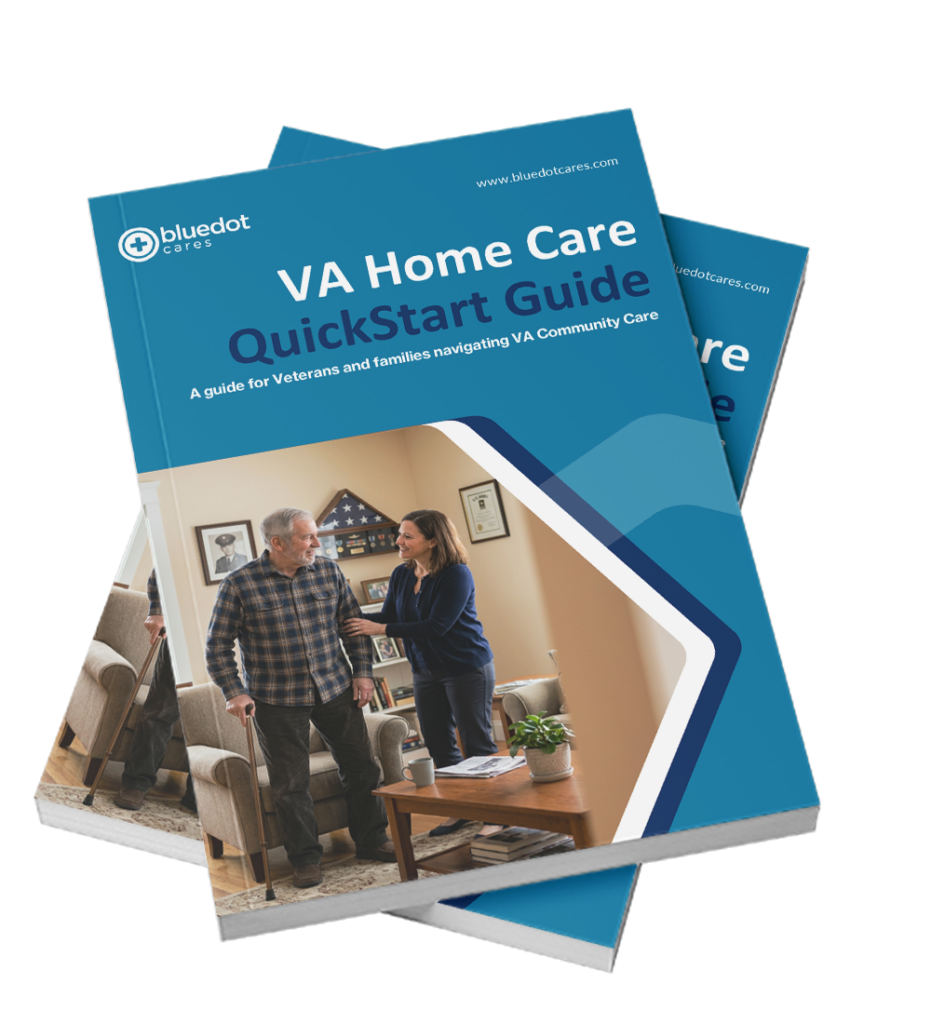
How VA Community Care Supports In-Home Support for Veterans: A Practical Guide for Families

Finding the right in-home support for a veteran often feels confusing and overwhelming. Many families don’t know where to start or what questions to ask the VA, and the uncertainty around approval and timelines can add to the stress. This article shares practical insights on how VA Community Care can help with in-home support, what steps families typically take, and what to expect throughout the process. We’ll explain who might qualify, the kinds of support available, how to begin, and how to work with the VA to secure the care your loved one needs at home.

The VA offers programs that let veterans receive support services in their own homes through community providers. While the VA authorizes and oversees these services, the actual care is delivered by local professionals and helpers in the community.

“Quality in-home care is about more than just meeting needs; it’s about preserving dignity and fostering independence in a familiar environment. Families play a crucial role in this process, and having clear, trustworthy guidance helps them make informed decisions that truly benefit their loved ones,” says Jimmy Clonaris, Partner at BlueDot Cares.

Who Can Explore VA Community Care for In-Home Support?

The VA determines eligibility for in-home support through Community Care based on specific criteria. Families often find themselves unsure if their veteran qualifies and may hesitate to reach out because the rules can seem unclear. Generally, veterans enrolled in the VA system who have difficulty accessing VA facilities or require help at home are the ones who might be eligible.

What Should Families Know About Eligibility?

Eligibility depends on factors like enrollment status and the veteran’s individual situation. Families usually don’t know in advance what documentation the VA will need, so it’s important to ask early and be ready to provide detailed information about the veteran’s needs and living conditions. Keep in mind that eligibility is just the first step; it doesn’t guarantee approval, which can cause some families to feel uncertain or hesitant about moving forward.

How Can Families Start the Enrollment Process?

Most families begin by contacting their local VA office or visiting the VA website to understand the application steps. This typically involves filling out forms and sharing information about the veteran’s care needs. Veteran service organizations often provide valuable guidance and help with paperwork, which many families find essential given the complexity. Processing times can vary and are sometimes unclear, so starting early and maintaining regular contact with the VA can help manage expectations and reduce frustration.

What Types of In-Home Support Can VA Community Care Help Arrange?

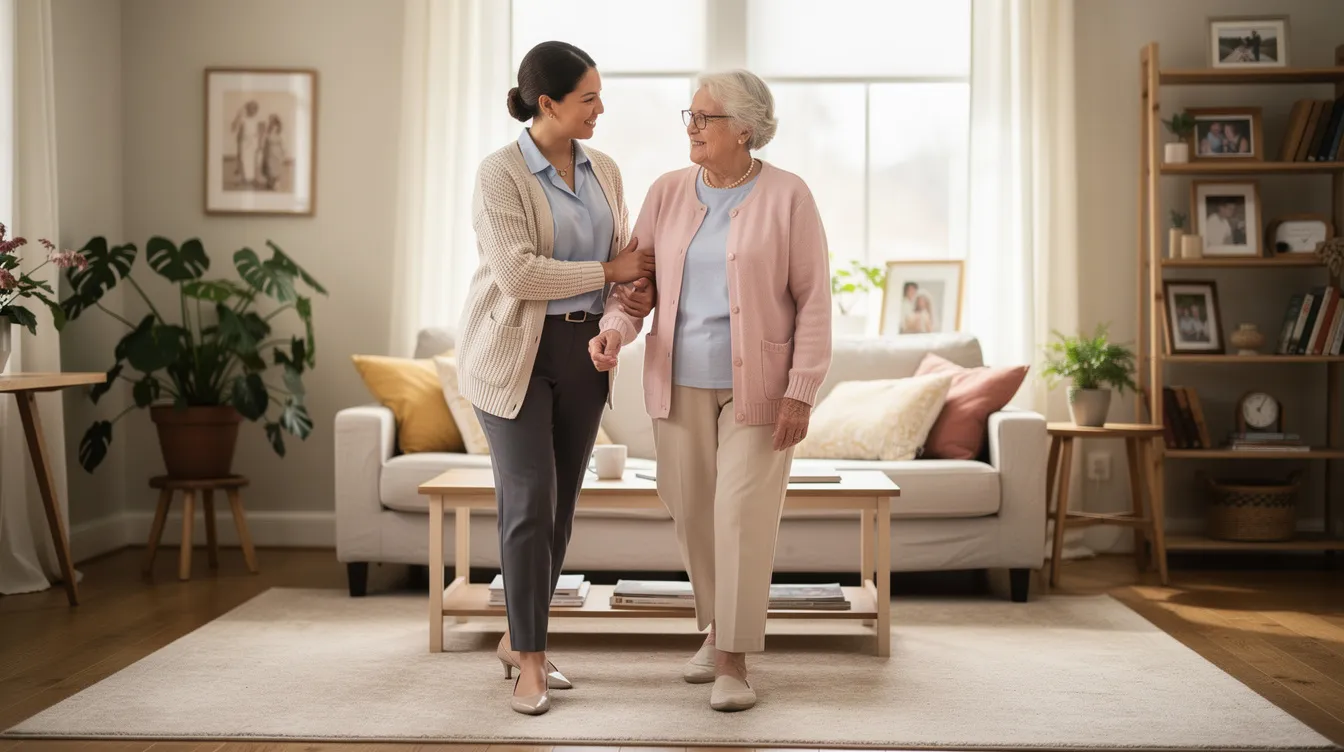
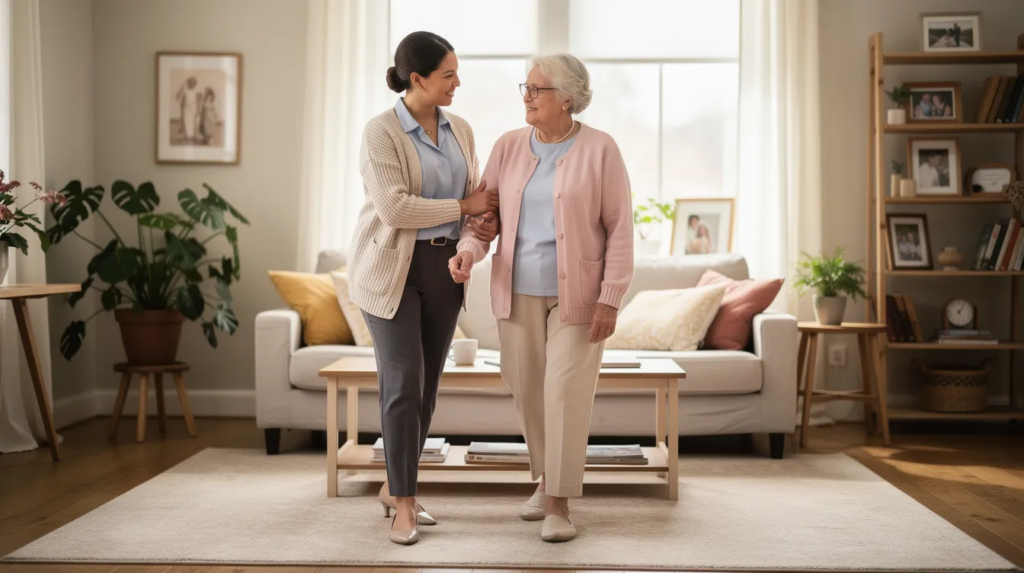
Veteran receiving help with daily activities from a caregiver at home in a safe and supportive environment

VA Community Care can authorize a range of in-home support services to assist veterans with daily living and personal care.

What Kind of Help at Home Is Available?

Services may include help with daily activities such as bathing, dressing, meal preparation, and light housekeeping. Support can also cover mobility assistance and other tasks that make everyday life more manageable. These services are provided by trained helpers in the community, not directly by the VA.

How Does VA Community Care Support Family Caregivers?

Recognizing the critical role family caregivers play, VA Community Care offers resources to help them manage their responsibilities. This includes access to training, support groups, and temporary relief through respite care, which allows caregivers to take a break while ensuring their loved one continues to receive care at home. Families often don’t realize these resources exist until they are well into the caregiving journey.

What Should Families Expect When Working with VA Community Care?

Knowing what to expect can ease the process. Here’s how it usually unfolds:

What Happens When You Request In-Home Support?

The process starts with a referral or request for in-home support submitted to the VA. The VA reviews the request and decides what services and how many hours of support may be authorized. This review can take time, and families often find the waiting period challenging due to limited updates or unclear timelines. Staying patient and maintaining communication with the VA is key.

What Comes After Authorization?

After the VA authorizes services, they connect the veteran with community providers who deliver the in-home support. Families typically want to know how providers are selected and what to expect from the care, but this information isn’t always clear up front. It helps to keep a record of who is providing care and to promptly inform the VA of any changes or concerns to ensure the support remains appropriate.

For example, the Johnson family experienced this process firsthand. After their father, a Vietnam veteran, was approved for VA Community Care in-home support, the transition was smoother than they expected. Once authorization was granted, the VA quickly coordinated with a local care agency to begin services. A caregiver was assigned who helped with daily tasks like meal preparation and mobility assistance. The Johnsons found that having this support in place reduced their stress significantly, allowing them to focus more on quality time with their father rather than managing every detail of his care. They also appreciated the clear communication from the VA and the caregiver, which helped them feel confident that their father’s needs were being met consistently.

When Should Families Consider VA Community Care for In-Home Support?

Families often turn to VA Community Care when a veteran needs help at home but faces obstacles accessing VA facilities, such as living in a remote area or lacking reliable transportation. It’s also a preferred option when the veteran wants to stay at home and requires assistance with daily tasks. Discussing the veteran’s specific needs with the VA can clarify whether this is the best route, though families sometimes hesitate because of uncertainty about eligibility or the process.

What Questions Should Families Ask the VA?

  • Am I eligible for in-home support through VA Community Care?
  • What types of help can be authorized for my loved one?
  • How do I start the process, and what paperwork is needed?
  • How long does authorization usually take?
  • Who will provide the in-home support, and how are they chosen?
  • What should I do if the veteran’s needs change?
  • Are there resources available to support me as a caregiver?

How Does In-Home Support Fit Into Overall Care for Veterans?

In-home support through VA Community Care helps veterans live comfortably and safely in their own homes. It complements other services the veteran may receive and can be tailored to their unique needs. Families often find themselves coordinating between the VA and providers, which requires clear communication to ensure the support works well.

Remember, the VA authorizes and oversees these services but does not provide them directly. Being proactive, asking questions, and staying involved can help families navigate the process and make the most of the support available.

Next Steps for Families

If you believe VA Community Care in-home support could benefit your loved one, start by contacting your local VA office or visiting the VA website. Gather detailed information about your veteran’s needs and be prepared to share it. Don’t hesitate to seek help from veteran service organizations or caregiver support groups, as many families find this assistance invaluable. Taking these steps can help you move forward with greater confidence and find the right support for your family.

BlueDot Cares is not affiliated with or endorsed by the U.S. Department of Veterans Affairs. Eligibility for VA-authorized services is determined by the VA.

About Our Leadership

Jimmy Clonaris is a Partner at BlueDot Cares with extensive experience supporting families through complex senior care decisions. In his leadership role, he focuses on guiding families to navigate care options effectively, emphasizing practical solutions and clear communication. His work is grounded in a commitment to improving the quality of life for seniors and their caregivers through informed, compassionate support.

Helpful Guide for
Caregivers & Families

Get practical tips to support loved ones living with dementia and create a safer, calmer daily routine. Complete the form below to receive the Dementia Care Guide by email.

Where services may be needed.
Helpful Guides for Caregivers & Families

Get practical tips to reduce fall risks and create a safer home for aging loved ones. Complete the form below to receive the Fall Prevention Guide by email.

Where services may be needed.

Recent Posts