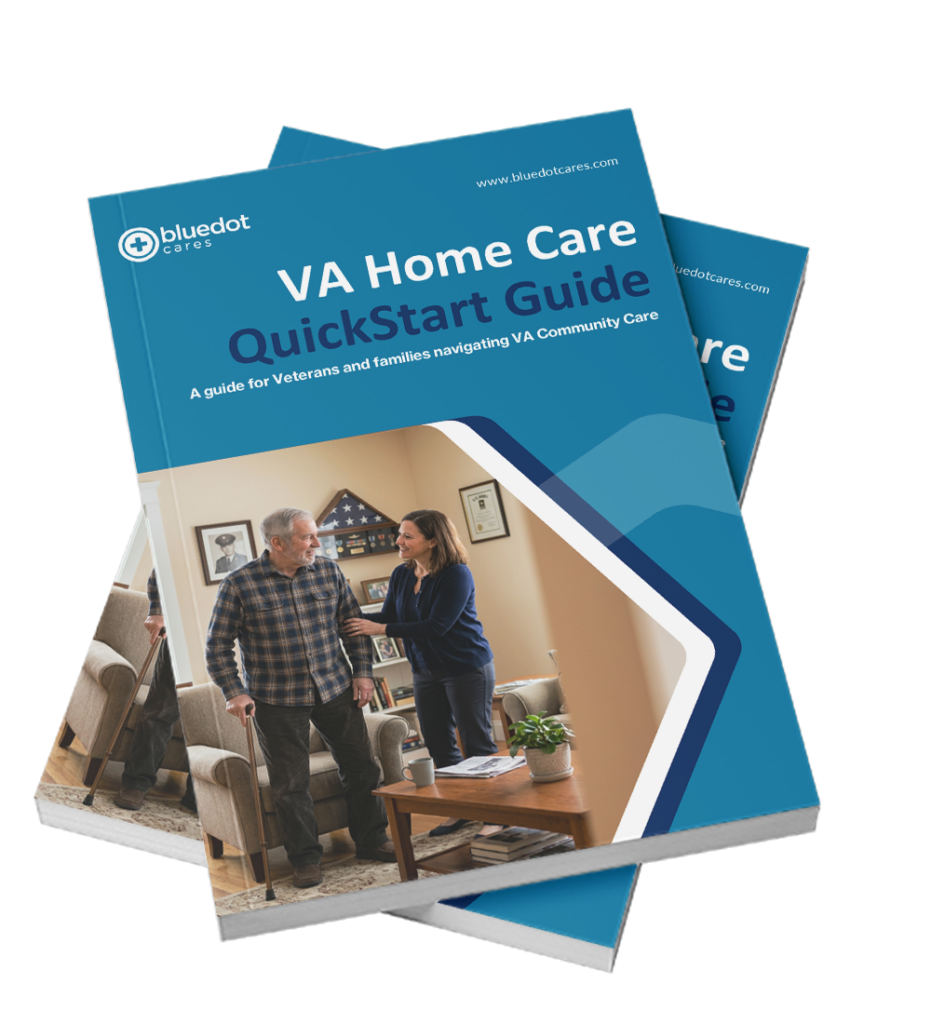
If you are a family caregiver supporting a veteran with a serious injury or illness at home in North Carolina, understanding the VA caregivers program can make a real difference in the quality of care your loved one receives and in your own well-being. This guide breaks down who qualifies, what benefits are available, how to apply, and how families in Charlotte and the Triangle can combine VA support with local in-home care resources.
Overview of the VA Caregivers Program (Answer the Basics Quickly)
The Program of Comprehensive Assistance for Family Caregivers (PCAFC) is the Department of Veterans Affairs’ main VA caregivers program. It is separate from regular VA health care benefits and is designed specifically to support a family caregiver who provides daily personal care services to a veteran in the veteran’s home. The comprehensive program assists both veterans and caregivers in navigating care needs, offering a monthly stipend, VA health care coverage through CHAMPVA, training, respite care, and mental health support.
For caregivers of veterans who do not meet the strict PCAFC criteria, the Program of General Caregiver Support Services (PGCSS) provides non-financial supports such as peer mentoring, coaching, education, and referrals. Caregivers who do not qualify for the PCAFC can use the Program of General Caregiver Support Services for training and support. Additionally, homemaker and home health aide services support family caregivers by helping share the daily workload.
Here is what this guide covers:
-
Who qualifies – eligibility requirements for veterans and caregivers
-
What it pays for – stipends, health insurance, respite care, and more
-
How it works with home care services – combining VA programs with non-medical in-home care
-
How BlueDot Cares can help – local support in Charlotte and the Triangle for families using VA benefits
How the VA Caregivers Program Fits into Overall VA Health Care Benefits
PCAFC and PGCSS are add-on supports built on top of standard VA health care and community care benefits. Veterans must be enrolled in (or eligible for) VA health care before caregiver program enrollment can proceed, which matters in North Carolina because your local VA medical center will need proof of eligibility to start assessments.
Understanding how these VA programs relate to one another helps families avoid gaps:
-
VA health care provides core medical and mental health care services at VA facilities
-
VA Community Care allows non-VA providers to deliver community care services, including home health aide services, when the VA cannot provide them locally
-
Aid and Attendance is a VA pension supplement that helps wartime veterans and a surviving spouse cover long-term personal care and in-home care benefits
-
PCAFC supports the family caregiver directly through stipends, training, and health care benefits
Veterans with a service-connected disability often see expanded long-term care, fewer copays, and broader access to community-based services. Those with higher ratings may also qualify for housebound benefits or additional VA aid.
BlueDot Cares is a non-medical in-home care provider serving Charlotte and the Triangle. We can work alongside VA health care and community care arrangements, but we do not determine VA eligibility or administer VA benefits. For families sorting out these options, our overview of navigating VA community care is a helpful starting point.
Who Is Eligible for the Program of Comprehensive Assistance for Family Caregivers (PCAFC)?
Both the veteran and the family caregiver must meet specific rules under federal law. All of the following criteria must be satisfied for PCAFC approval. The term “family caregiver” can include a spouse, adult child, parent, step-family member, or close friend who lives with or will live with the veteran to provide in-home care.
Eligibility rules were expanded in phases. Post-9/11 veterans qualified first, followed by veterans who served on or before May 7, 1975 (including World War II and Korean War eras), and later those who served between May 8, 1975 and September 10, 2001. The program has continued to open to more service periods, including some who served in the National Guard or active military reserves. Readers should verify current rules with Veterans Affairs, since eligibility dates and criteria can change.
If a veteran does not qualify for PCAFC, the caregiver may still receive education, respite, and support through PGCSS.
Family Caregiver Eligibility Requirements
The primary caregiver must be at least 18 years old and complete required training before benefits begin. Caregivers must also participate in ongoing wellness contacts, periodic assessments, and work collaboratively with the VA care team throughout the program.
A family member or other family caregivers serving in a secondary role must also meet these eligibility requirements. Caregivers must either live with the veteran or plan to move into the veteran’s residence after approval. Failure to engage in required reviews or report changes can affect program status, including the potential loss of financial assistance.
Veteran Eligibility Requirements
The veteran must be enrolled in (or eligible to enroll in) VA health care and have a qualifying serious illness or injury. The Program of Comprehensive Assistance for Family Caregivers requires a service-connected disability rating of 70% or higher as determined by VA assessments.
Eligible veterans must need at least six continuous months of personal care services. Qualifying care needs include help with activities of daily living such as getting dressed, personal grooming, bathing, toileting, transferring, and eating, or continuous supervision due to cognitive issues like dementia, traumatic brain injury, or severe PTSD.
The veteran generally must have served a minimum period of active duty and have a discharge other than dishonorable. Active duty service members undergoing a medical discharge may also be considered, but they must coordinate enrollment with their VA medical center team. Because specific thresholds can change, confirm current requirements with the VA.
How Many Caregivers Can Be Designated and What Roles Do They Have?
A veteran can designate one Primary Family Caregiver and up to two Secondary Family Caregivers at any given time. Each role carries different responsibilities and benefit levels.
-
The Primary Family Caregiver is the main point of contact and provides most day-to-day care. This person is eligible for the full suite of PCAFC benefits, including the stipend, CHAMPVA, and mental health support.
-
Secondary Family Caregivers serve as backup or shared support. They may receive training, some respite, and access to local resources, but they do not receive the full primary stipend.
Veterans can request changes through their local VA caregiver support team when family situations shift. For example, if the primary caregiver becomes unavailable due to illness or relocation, a secondary caregiver may step into the primary role. The VA documents all caregiver designations in the veteran’s record, and caregivers must be formally accepted before any benefits begin.
Benefits Available Through the VA Caregivers Program
PCAFC is designed to help both the caregiver and the veteran so that aging veterans can safely remain in their own homes rather than moving to a nursing home or institutional care setting.
Core Benefits for Primary Family Caregivers
-
A monthly tax-free stipend based on the veteran’s care needs, local wage rates, and dependency levels.
-
Enrollment in CHAMPVA health care benefits if the caregiver lacks other coverage.
-
Mental health counseling and support options, including peer support and telehealth sessions.
-
Up to 30 days of respite care annually, provided in the veteran’s home or community settings, including adult day health care programs.
-
Travel benefits when accompanying veterans to medical appointments.
-
Legal and financial planning services for primary caregivers and their beneficiaries.
Benefits Shared by Primary and Secondary Family Caregivers
-
Caregiver education and skills training, both online and in person
-
Access to the VA Caregiver Support Line, staffed by qualified responders for confidential assistance day or night
-
Inclusion in the veteran’s VA care planning and wellness contacts
-
Connection to a local Caregiver Support Coordinator at a VA facility
PCAFC benefits do not replace VA disability compensation, a monthly VA pension, or attendance benefits. They stack with these programs when eligibility is met. VA home care services help reduce caregiver stress and burnout by sharing the workload. In-home care services can be provided by family members or professionals, and caregivers can choose to use part of the stipend to offset the cost of supplemental non-medical home care services from a private caregiver or agency like BlueDot Cares.
Wellness Contacts, Home Visits, and Ongoing Program Requirements
PCAFC is not a one-time approval. The VA monitors the situation through regular wellness contacts, typically every 90 to 120 days, conducted by phone or telehealth. These check-ins assess caregiver stress, verify the veteran’s condition, and identify any safety concerns in the veteran’s home.
At least one in-home visit is typically required each year so the care team can confirm that personal care services and the home environment remain safe and appropriate. Changes in the veteran’s health, caregiver availability, or living situation should be reported within 30 days to avoid overpayments or gaps in coverage.
Family caregivers can receive support through the VA’s community care programs during these contacts. Caregivers in Charlotte, Durham, Chapel Hill, Raleigh, and surrounding communities should use wellness contacts to ask about additional supports such as adult day health care, respite options, hospice care when appropriate, or referrals to community-based services.
How to Apply for the VA Caregivers Program (Step‑by‑Step)
The application is a joint process. Both the veteran and caregiver complete VA Form 10-10CG, the Application for the Program of Comprehensive Assistance for Family Caregivers. Applications can be submitted online through VA.gov, by mail, or in person at a VA medical center in North Carolina.
High-level steps include:
-
Confirm the veteran’s VA health care enrollment or eligibility
-
Discuss caregiver needs with the VA primary care team or a VA social worker
-
Complete VA Form 10-10CG together, answering all caregiver and veteran questions
-
Attach any requested supporting documentation (avoid sending full medical records unless asked)
-
Submit through your chosen method and keep copies for your records
The VA typically processes applications within about 90 days, though timelines vary. If a representative such as someone with power of attorney or a legal guardian signs for the veteran, they must include proof of legal authority. Many veterans and families find that speaking with a VA social worker early in the process helps clarify what documentation is needed.
Online, By Mail, and In‑Person Application Options
Online: Log in to VA.gov using an ID.me, DS Logon, or My HealtheVet account. Navigate to “Family caregiver benefits” and complete VA Form 10-10CG electronically. Online submission often provides clearer status tracking.
By mail: Download and print VA Form 10-10CG, complete all sections in ink, and mail to the
10-10CG Evidence Intake Center
PO Box 5154
Janesville, WI 53547-5154
Consider using certified mail or a tracking service.
In person: Bring your completed or partially completed form to the caregiver support team at your nearest VA medical center. In North Carolina, options include the Durham VA Medical Center (508 Fulton St, Durham, NC 27705, main line 919-286-0411) or the W.G. “Bill” Hefner Salisbury VA Medical Center. Staff can help finalize and submit the application.
For questions about application status, contact the VA Caregiver Support Line at 1-855-260-3274.
Support for Family Caregivers in Charlotte and the Triangle: How BlueDot Cares Can Help
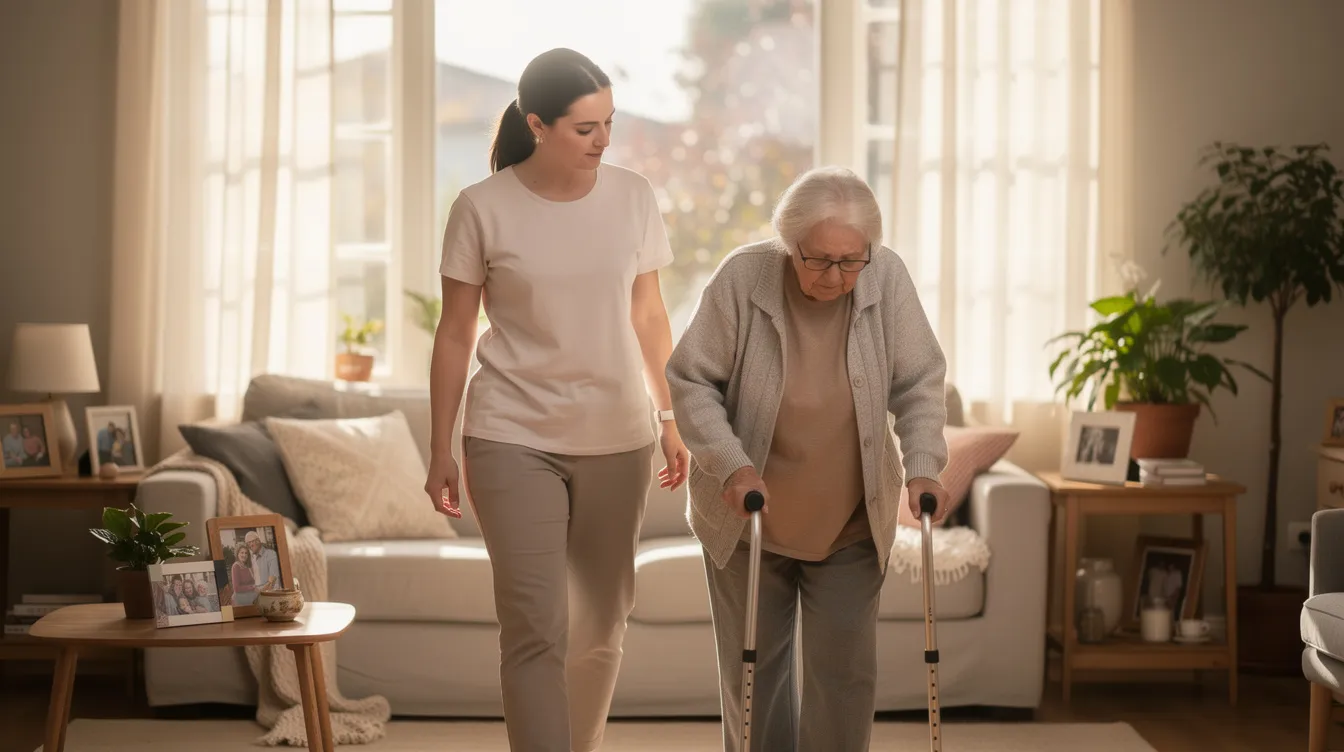
Even with PCAFC or other VA benefits in place, caregiving for a loved one with a service-connected disability can lead to exhaustion and burnout. Many veterans and their families need more support than a single family member can realistically provide, especially when care demands extend around the clock.
BlueDot Cares provides non-medical in-home care across Charlotte and the Triangle region of North Carolina, including Raleigh, Durham, Chapel Hill, Cary, Apex, Morrisville, Wake Forest, and nearby communities. Our services help qualified veterans and their families fill gaps that VA programs alone may not cover.
Home care services BlueDot Cares can provide include:
-
Personal care such as bathing, dressing, grooming, and toileting assistance
-
Companion care and safety supervision, especially for veterans with dementia or memory concerns
-
Meal preparation, light housekeeping, and mobility assistance
-
Transportation to VA appointments and community activities
-
Respite care for family caregivers so they can rest, work, or attend to their own health
While BlueDot Cares does not administer VA benefits, our team regularly works with families who use VA health care, community care, Aid and Attendance, and the VA caregivers program to help offset the cost of private care. Veterans qualify for different combinations of programs and services depending on their circumstances, and we help families understand how non-medical support fits into the broader picture.
If you are a family caregiver in Charlotte or the Triangle exploring how to build a care plan that complements your VA benefits, we welcome a local, no-obligation conversation. Whether your loved one needs a few hours of companion care each week or full-time support, BlueDot Cares can help you determine when in-home care is the right fit and when senior placement for assisted living or memory care may be worth considering.
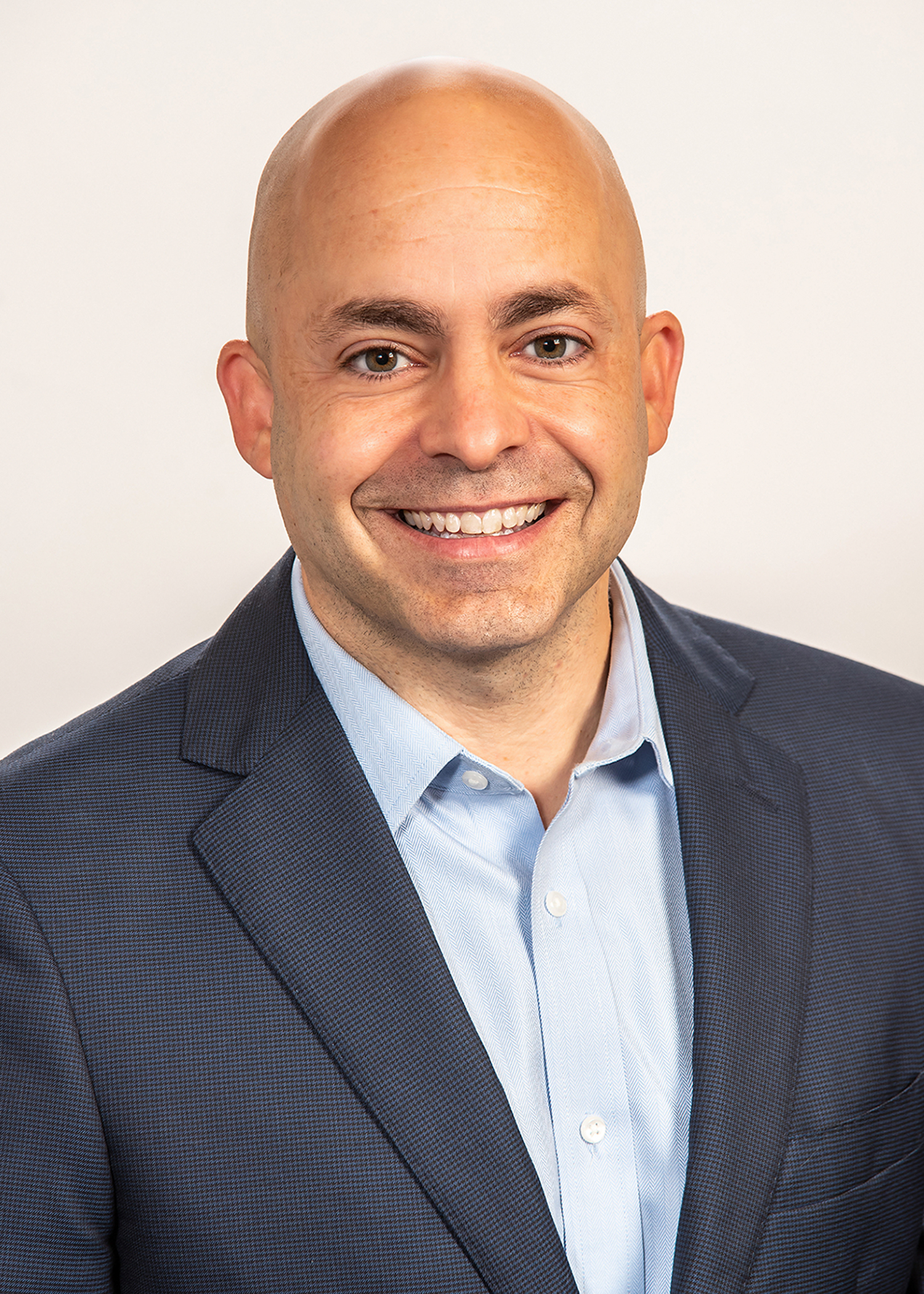
Jimmy Clonaris is Managing Partner at BlueDot Cares, where he oversees operations, caregiver standards, and service delivery for in-home care across the organization. With more than 19 years of experience in healthcare and over a decade with BlueDot, he has been directly involved in building and scaling care programs that support individuals aging at home.
His work focuses on the practical side of care delivery. This includes caregiver training and oversight, care plan consistency, and coordination with families and local healthcare professionals. Jimmy is actively involved in ensuring that care is not only well-structured on paper, but executed reliably in the home.
Over the course of his career, he has worked with thousands of families navigating care decisions, from short-term recovery support to long-term in-home care. His approach is grounded in clear communication, accountability, and building systems that allow caregivers to deliver consistent, high-quality support.
Under his leadership, BlueDot Cares has grown to support tens of thousands of families while maintaining a locally operated, relationship-driven model. He continues to focus on strengthening the team, improving care standards, and ensuring families have a dependable partner when care is needed.