Deciding how to support an aging parent is one of the most personal decisions a family can face. If you’ve started noticing changes in a loved one’s ability to manage daily routines, you’re likely weighing options and wondering where to begin. This guide explains how home care services can help seniors age safely at home, what they cost, and how BlueDot Cares helps families in Charlotte and the Triangle build a plan that fits.
Understanding Home Care vs. Home Health in North Carolina
Homecare services are generally divided into two categories: non-medical home care and home health care. The distinction matters because it determines who delivers the care, what’s covered, and who pays.
Home care services include personal care and companionship – bathing assistance, meal preparation, light housekeeping, transportation, and social support. These are non-medical services delivered by trained caregivers to help seniors manage daily living at home. BlueDot Cares provides this type of in-home care services in Charlotte and the Triangle.
Home health care services, by contrast, involve skilled clinical work: a registered nurse managing wound care or IVs, physical or occupational therapy, or medication management requiring clinical oversight. Rehabilitation services include physical, occupational, and speech therapy. Home health care requires a healthcare provider’s order and may be covered by insurance. Skilled nursing care can include tasks such as wound care and medication management, and these are delivered by a licensed home health care agency.
When families ask about senior care services or health care for aging parents, they’re often unsure which category they need. Common terms like in-home care, companion care, respite care, and personal care all fall under the non-medical home care umbrella. Home health services fall under the clinical side. Most BlueDot Cares clients are older adults who want to remain in their own home and avoid or delay assisted living. When needs eventually exceed what care services at home can provide, BlueDot Cares also offers senior placement support in Charlotte, the Triangle, and Cleveland, OH.
When It’s Time to Consider In-Home Care for a Loved One
The signs rarely arrive all at once. You might notice your parent has lost weight, or the refrigerator holds spoiled food no one has cleared out. Maybe there have been two falls in three months, or you’ve spotted unopened mail and unpaid bills stacking up. Confusion while driving through familiar Charlotte or Triangle neighborhoods, withdrawal from friends, missed medications, or declining hygiene – these are all signals worth taking seriously.
Research shows that 89% of seniors prefer to age at home, and in-home care allows seniors to remain in familiar surroundings while getting the support they need. But assessing daily activity limits is essential when choosing homecare services, and choosing the right home care service requires evaluating medical needs and daily living limitations. Many families in North Carolina start with just a few hours of weekly support to test whether a caregiver’s help makes a difference before committing to a larger schedule.
If you’re a caregiver juggling a job in Charlotte or Triangle with frequent trips to a parent’s home, you already know the weight of doing it alone. Calling a home care agency before a hospitalization or crisis – not after – usually leads to safer outcomes and a more thoughtful plan for your loved one.
What Non-Medical Home Care Can Include
BlueDot Cares focuses on non-medical support that makes daily life easier, safer, and more enjoyable for seniors at home. Caregivers assist with daily activities like bathing and meal preparation, and services can be customized to individual needs based on what each person actually needs help with.
Core services include:
Meal preparation tailored to dietary needs (low-sodium for heart disease, texture-modified for swallowing difficulties)
Light housekeeping, laundry, and organizing – though not home repairs or heavy maintenance
Medication reminders and schedule support
Transportation to appointments at Novant Health, Atrium Health, or local clinics
Grocery shopping at Harris Teeter, Food Lion, or wherever the family prefers
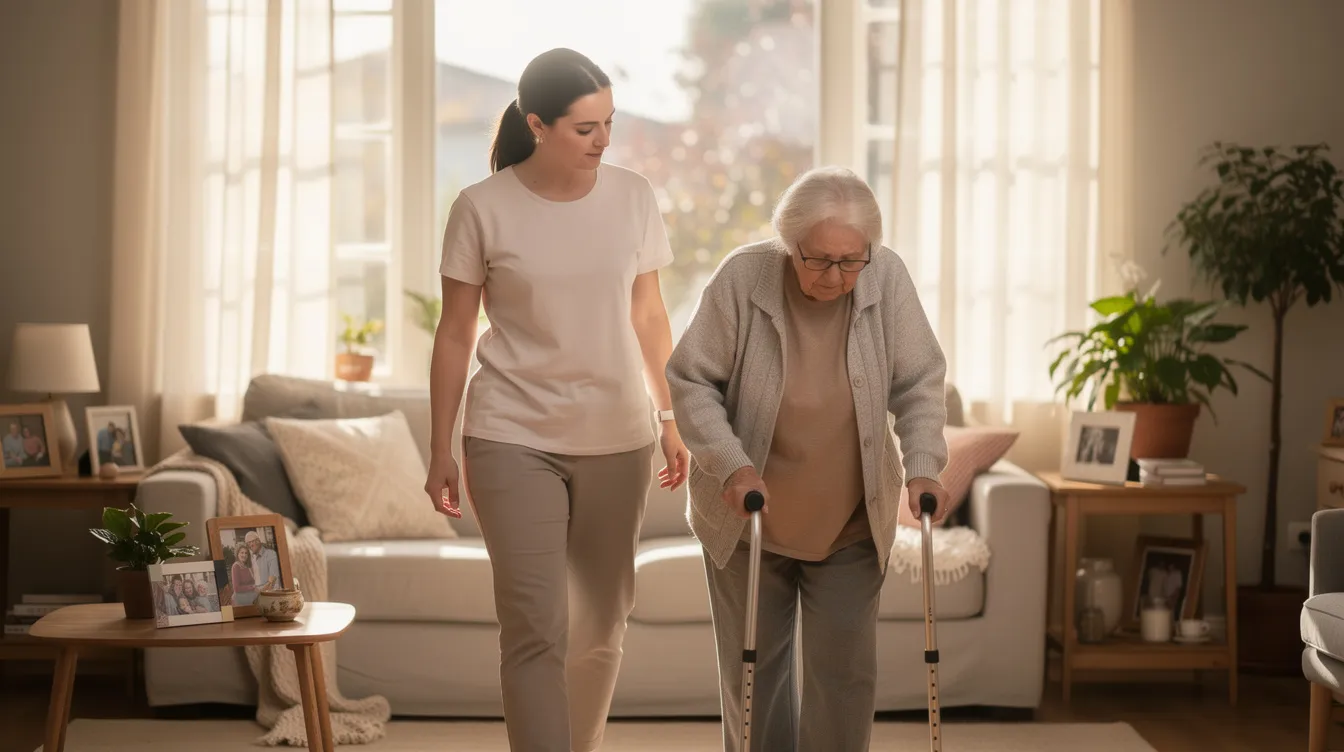
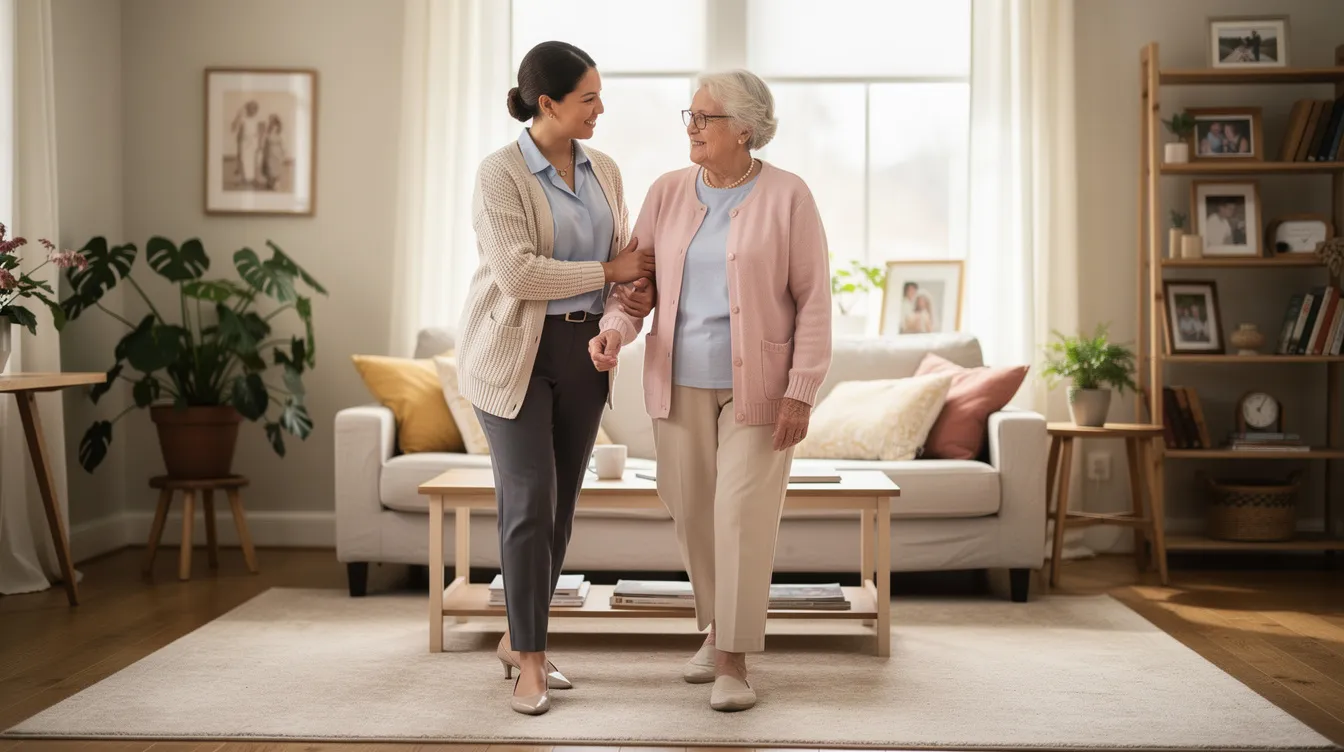
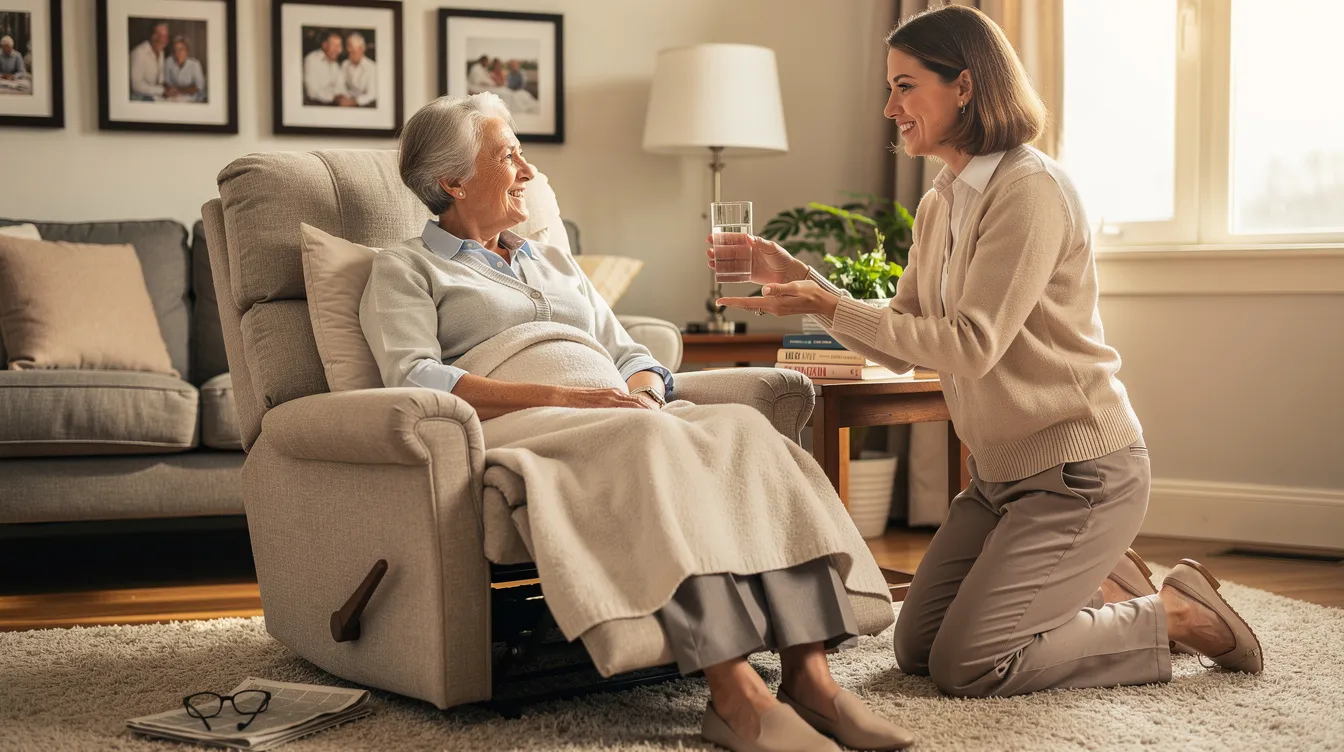
Personal care covers hands-on living assistance: bathing, dressing, grooming, toileting, incontinence care, and safe transfers from a bed or recliner. Mobility support around stairs or tight hallways in older homes is common. In-home caregivers can help manage daily living activities, and these daily tasks are what allow seniors to live independently longer. In-home care promotes independence and dignity for seniors by keeping routines intact.
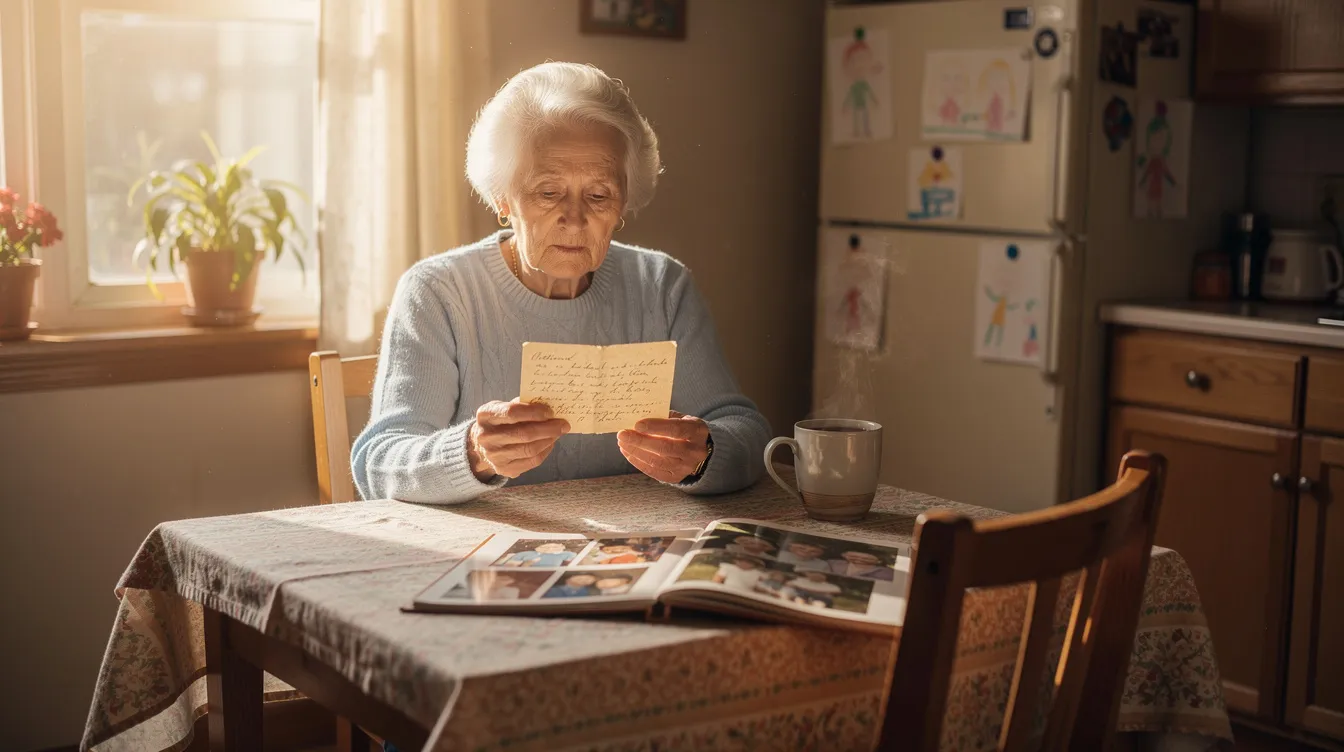
Companion care addresses something just as important: isolation. Companionship services help reduce feelings of loneliness for seniors. Caregivers provide conversation, games, walks, help with hobbies, or accompaniment to church. Home care can reduce feelings of loneliness and isolation, and help seniors build meaningful connections with people who show up consistently. These meaningful connections matter as much as any physical task.
Home care agencies provide services to help seniors live independently, and respite services and overnight care are available when family caregivers need a break, travel for work, or require continuous support after a hospital discharge. Homecare can provide short-term relief for family caregivers while keeping the senior in a stable routine. BlueDot Cares can also provide personal care and help older adults with the consistency they need to feel secure at home.

Specialized Support: Dementia, Alzheimer’s, and Complex Needs
Caring for dementia patients or someone with Alzheimer’s disease at home requires more than good intentions. The challenges are real: sundowning behavior, wandering risks, resistance to bathing, and progressive memory loss that changes the relationship between parent and child.
BlueDot Cares tailors dementia and Alzheimer’s care around consistency. That means the same caregivers on a predictable schedule, structured routines, gentle redirection during agitation, and safety checks on stoves, doors, and exit points. Caregivers use reminiscence activities, music, and simple engagement exercises to reduce anxiety and keep patients connected to their environment. Flexible care plans are important for accommodating changing health circumstances, and homecare provides personalized support that can adapt to evolving needs as dementia progresses.
Specialized care includes support for conditions like dementia and Parkinson’s, as well as post-stroke recovery and developmental disabilities that affect mobility, transfers, or toileting. For complex medical care needs – physical disabilities requiring therapy, or conditions needing a medical team’s oversight – BlueDot Cares works alongside home health and hospice agencies. Medical services like IV therapy, wound care, or clinical rehabilitation remain the responsibility of licensed providers. But the daily living and comfort work? That’s where non-medical home care makes the biggest difference.
Effective homecare services can reduce hospital readmissions, and homecare can lead to faster recovery times for seniors compared to hospitals. Care plans built around a person’s actual routine – not an institutional schedule – support better outcomes across the board.
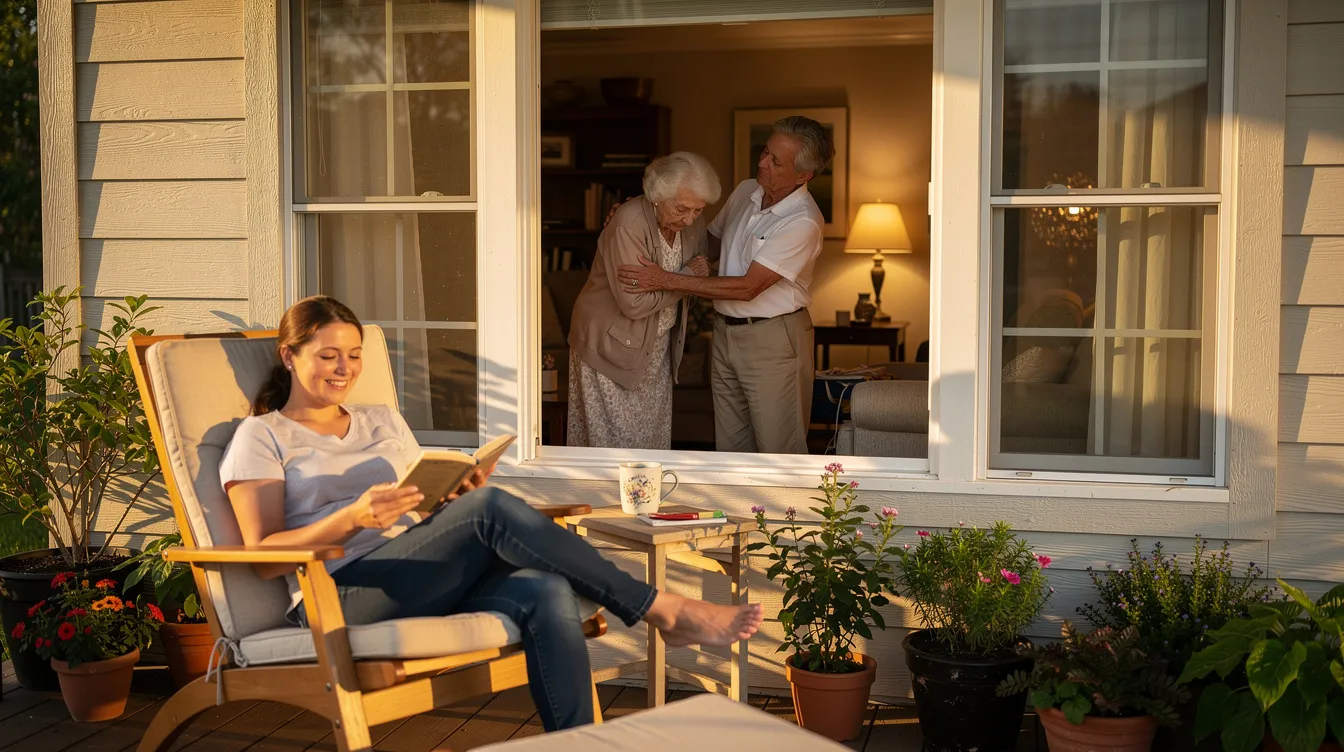
How Home Care Helps Family Caregivers Avoid Burnout & Can Help Seniors Age Safely at Home
Picture a typical week for a family member in Charlotte: morning drop-off for the kids, a full workday, then a 30-minute drive to check on Mom, help with dinner, manage medications, and drive home. Multiply that by months or years, and the toll becomes unsustainable. Chronic fatigue, resentment, guilt, marital strain, lost work hours – these aren’t hypothetical. They’re common.
A part-time caregiver covering 12 to 20 hours per week can absorb morning routines, evening check-ins, or weekend blocks so families can rest. Respite care isn’t a luxury – it’s a strategy that protects both the senior’s safety and the family’s mental health and well-being. Regular caregiver support can help reduce hospitalizations by ensuring medication reminders, fall prevention, and timely help with mobility.
BlueDot Cares’ care coordinators help families design schedules where the senior’s safety is a top priority, and the caregiver’s life doesn’t collapse under the weight of doing everything alone. Hours adjust as needs change, because flexibility is the whole point.
Choosing a Home Care Agency in Charlotte, Chapel Hill, or the Triangle
Not all home care agencies operate the same way. Families comparing BlueDot Cares against other home care agencies in the area should evaluate more than just hourly price.
Before hiring, confirm the following:
The care agency is licensed in North Carolina and meets safety and staffing requirements
Caregivers must be state certified and qualified, with background checks required for direct care staff
Caregivers receive ongoing training beyond basic skills – certified caregivers are trained in patient rights and nutrition
The agency has a clear policy for handling medical emergencies
Additional steps that matter: read reviews from past clients to gauge agency reliability, ask about caregiver training and ongoing education programs, look up inspection and complaint history of the agency, and check agency credentials and state certifications before hiring.
BlueDot Cares is a locally owned in-home care provider that matches qualified caregivers to seniors based on personality, schedule, and care needs. The goal is caregiver consistency – familiar faces at every visit – because that’s what produces quality services and real trust. As a home care provider focused on Charlotte and the Triangle, BlueDot Cares can provide in-home care with local responsiveness that national franchises often can’t match. Compassionate caregivers who know the community make a measurable difference.
Families ready to explore trusted in-home care options can schedule an in-home assessment where a BlueDot Cares representative walks through the home, reviews fall risks, and creates a tailored plan.
Cost, Scheduling, and How Families Pay for Home Care
Cost is usually the first question families ask, and the answer depends on location, hours, and level of support. Home care costs vary based on services and geographic area.
In Charlotte, non-medical home care rates typically fall between $22 and $35 per hour. North Carolina agency rates for hands-on personal care generally range from $25 to $32 per hour. At $30 per hour, 20 hours per week costs roughly $2,400 per month. Extended or 24-hour care can exceed $10,000 monthly depending on the schedule.
Non-medical home care is often paid privately or through long-term care programs. Most families pay for home care using personal savings or insurance. Private pay options are the most common path, but long-term care insurance policies that cover non-medical home care, veterans’ benefits (Aid and Attendance), and family members sharing costs are all viable. Financial support through NC Medicaid Personal Care Services may be available for eligible individuals – single adults with income under approximately $1,330 per month may qualify, though eligibility rules are specific.
Medicare may cover short-term home health services prescribed by a doctor, but that applies to clinical home health solutions, not non-medical home care. BlueDot Cares builds flexible schedules that start with a few hours per week and scale up after health changes, surgery, or hospitalization.
When Home Care Isn’t Enough: Senior Placement Support
Some seniors eventually need more support than can safely be delivered at home, even with continuous care. Advanced dementia with persistent wandering, frequent serious falls, behavioral changes requiring a secured memory care environment, or escalating medical needs can all signal that a transition makes sense.
BlueDot Cares offers senior living placement services in Charlotte and advisory support for families in Cleveland, Ohio. These senior services help families compare assisted living, memory care, and independent living communities based on care needs, budget, location, and community connections that matter to the family.
Placement guidance is offered at no direct cost to families. The goal isn’t to push anyone out of their home – it’s to help them explore options and find the safest, most dignified setting for their current stage of life. Families navigating this decision can find additional guidance on how to choose the best long-term care options or read about navigating assisted living transitions. Placement is not a failure of home care. It’s a continuation of the same goal: keeping your parent safe and supported.
Getting Started with BlueDot Cares
The first step is simpler than most families expect, and it doesn’t obligate you to start services.
Here’s how it typically works:
Initial call or website inquiry – a brief conversation about your parent’s situation and whether you’re in the Charlotte or Triangle area
Free in-home consultation – a care coordinator visits the home, reviews routines, layout, fall risks, and preferences (pet care, meal types, preferred schedule)
Care plan creation – a personalized plan built around what your parent actually needs, not a generic template
Caregiver matching and introduction – often with a meet-and-greet visit before regular shifts begin, so your parent sees caring hands they’re comfortable with
BlueDot Cares exists to provide compassionate, consistent support and exceptional care for seniors who want to stay home – and clear guidance for families when it’s time to explore options beyond home care. Whether you need a few hours of weekly help or you’re evaluating placement, reach out to start a conversation about what makes sense for your family.

Jimmy Clonaris is Managing Partner at BlueDot Cares, where he oversees operations, caregiver standards, and service delivery for in-home care across the organization. With more than 19 years of experience in healthcare and over a decade with BlueDot, he has been directly involved in building and scaling care programs that support individuals aging at home.
His work focuses on the practical side of care delivery. This includes caregiver training and oversight, care plan consistency, and coordination with families and local healthcare professionals. Jimmy is actively involved in ensuring that care is not only well-structured on paper, but executed reliably in the home.
Over the course of his career, he has worked with thousands of families navigating care decisions, from short-term recovery support to long-term in-home care. His approach is grounded in clear communication, accountability, and building systems that allow caregivers to deliver consistent, high-quality support.
Under his leadership, BlueDot Cares has grown to support tens of thousands of families while maintaining a locally operated, relationship-driven model. He continues to focus on strengthening the team, improving care standards, and ensuring families have a dependable partner when care is needed.