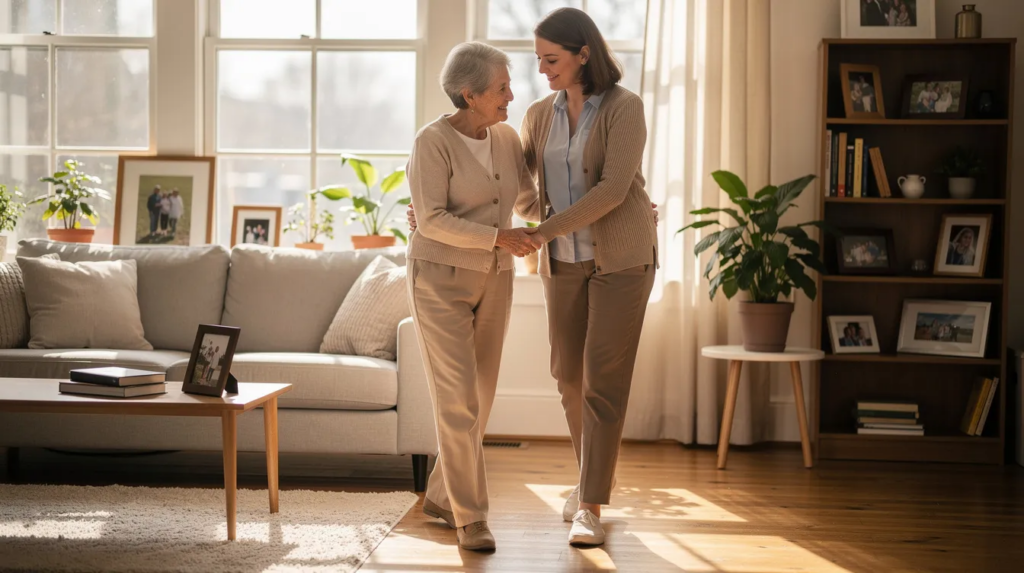
Deciding how to care for an aging parent or relative is one of the most personal and time-sensitive decisions a family can face. If you’re exploring elderly home care in Chapel Hill/Durham, understanding your options early can help you make confident decisions before a crisis occurs. Elderly home care offers a practical, flexible alternative to moving a senior into a long-term care facility, allowing them to receive daily support while staying in the place that holds their fond memories and routines. This guide covers what elderly home care includes, how to know when it’s needed, and how to find the right care in Chapel Hill/Durham, North Carolina.
Understanding Elderly Home Care and Aging in Place
Elderly home care is non-medical care delivered in a senior’s own home-assistance with daily living, companionship, supervision, and safety. More families in Chapel Hill/Durham are choosing in-home care as a first step before exploring assisted living facilities, driven by rising costs of institutional care and a strong desire among older adults to maintain independence. Home care services are non-medical support for seniors at home, and home care improves quality of life for seniors by keeping them connected to the people and places they know.
It helps to understand the difference between home care and home health care:
Home care (non-medical): help with bathing, dressing, meal preparation, companionship, supervision. No physician order required.
Home health care: skilled nursing, physical therapy, wound care-ordered by a physician after a hospital discharge or medical event. Home health care is ordered by a physician and includes skilled nursing delivered by home health aides or nurses.
Aging in place means staying at home as you age, supported by services that address safety, emotional well-being, and independence. For seniors managing chronic diseases like diabetes, arthritis, or early-stage dementia, in-home services make this realistic. Home care allows seniors to stay in familiar surroundings, and seniors in home care maintain their routines and independence.
The goals of elderly home care are straightforward: keep your loved one safe, protect their emotional well-being, preserve as much independence as possible, and give family peace of mind. Home care allows seniors to maintain their routines and independence rather than adapting to an unfamiliar institutional schedule.
BlueDot Cares provides non-medical elderly home care in Chapel Hill/Durham. When home is no longer the safest option, we also guide families toward assisted living or memory care placement.
Is Elderly Home Care Right for Your Family Member?
Many adult children in North Carolina find themselves making urgent care decisions after a fall, a hospital stay, or a sudden dementia diagnosis. During this difficult time, it helps to look for concrete warning signs rather than waiting for a crisis to repeat.
Signs your loved one may need in-home care:
Missed medication doses or confusion about prescriptions
Expired or spoiled food accumulating in the fridge
Increased falls or near-falls
Unpaid bills or missed appointments
Unexplained weight loss
Difficulty with personal hygiene or dressing
Confusion about dates, schedules, or familiar routes
Emotional changes also matter. Withdrawal from social interaction, anxiety about being alone at night, irritability, or reluctance to leave home can all signal a need for companion services or respite support. Regular assistance can help manage medications and appointments before small problems become emergencies.
Home care is usually sufficient when a person needs help with daily activities, has mild memory issues, or faces mobility challenges. Senior placement-assisted living or memory care-becomes more appropriate when dementia is advanced, wandering is frequent, or health conditions require medical oversight that non-medical care cannot provide.
Encourage family members to discuss observations openly, with empathy and respect for the senior’s autonomy. Hiring caregivers can help seniors maintain independence at home while giving the whole family a clearer picture of what’s needed.
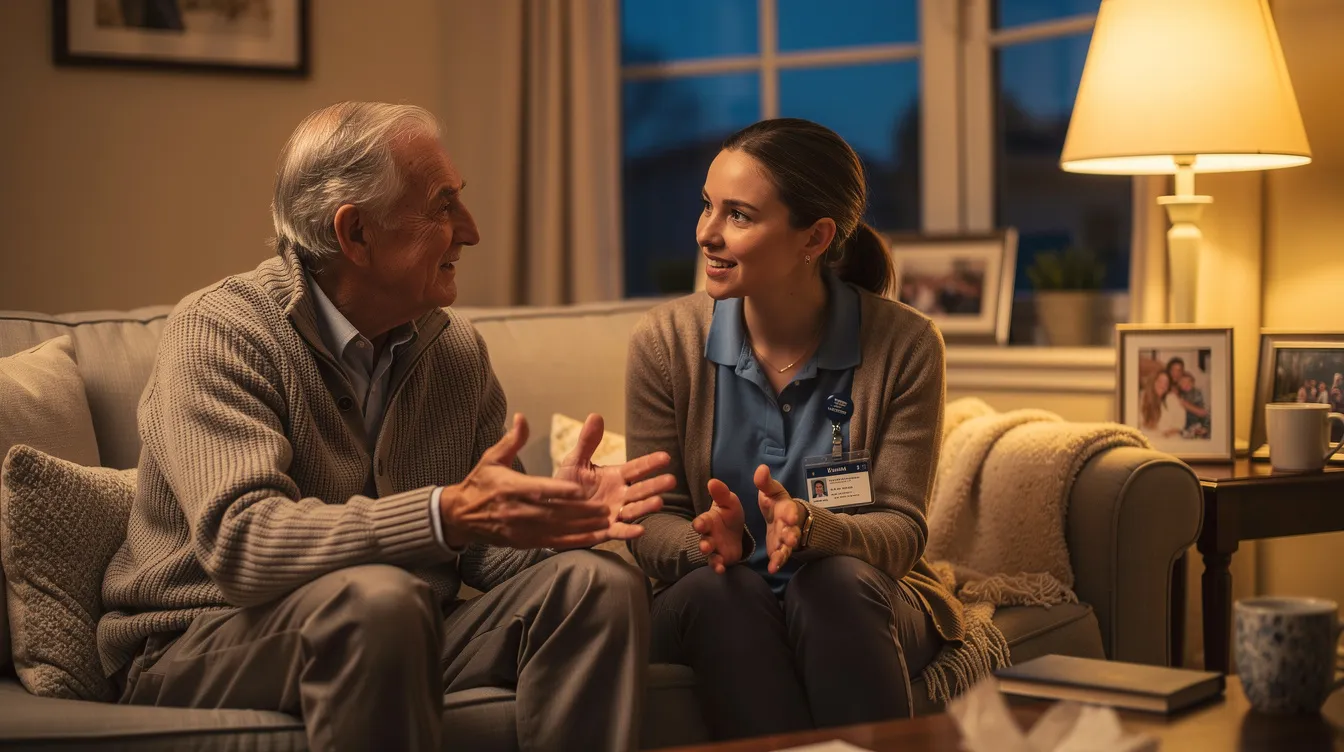
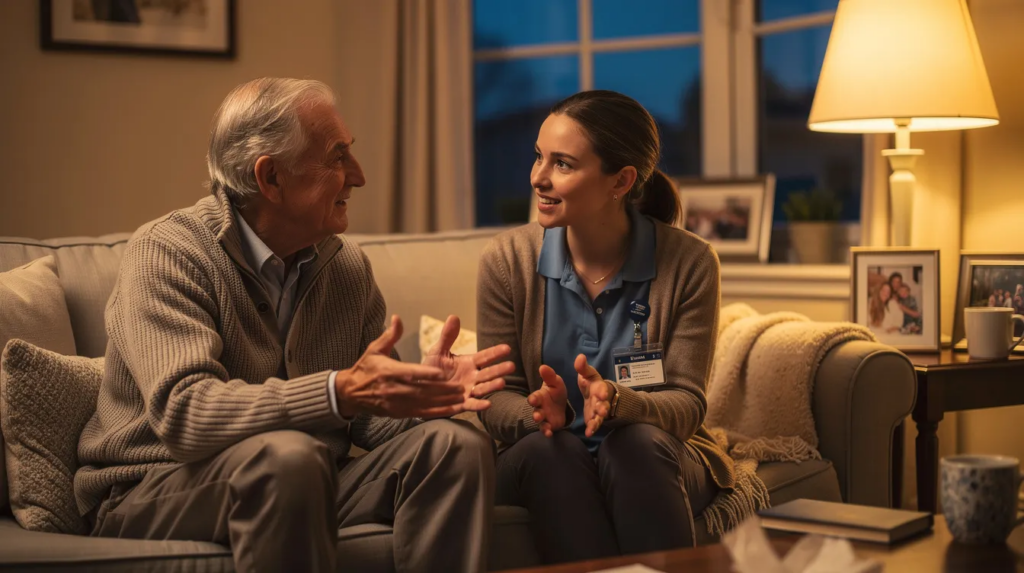
Consider this scenario: an adult daughter in Chapel Hill noticed her father was forgetting medications, leaving doors unlocked, and had fallen once crossing the yard. She contacted BlueDot Cares for an in-home assessment. A care coordinator identified specific tasks for personal care and companion supervision, then set up a plan of 12 hours per week. The support improved stability and avoided premature placement.
Core Types of Elderly Home Care Services
Elderly home care is flexible. It can range from a few hours a week to full 24-hour support, tailored to each person’s health, daily routines, and preferences. All home care services are provided by trained caregivers or aides.
Main non-medical service types include:
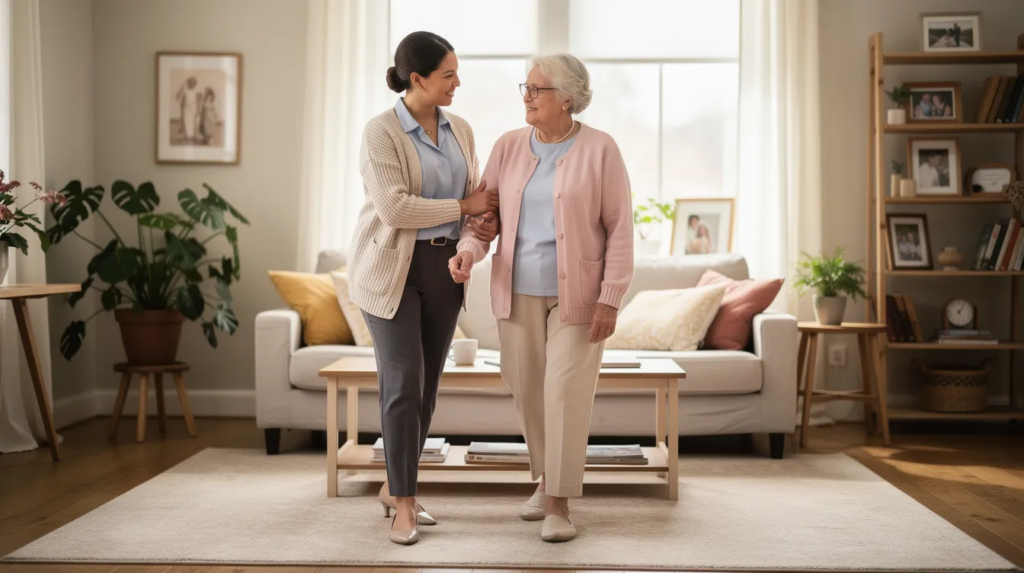
Personal care: Bathing, dressing, grooming, toileting, incontinence care, mobility assistance, and hygiene support-all delivered with attention to dignity.
Companion care: Conversation, memory games, walks, help with emails or video calls, along with light housekeeping and meal preparation. Companion care provides emotional support and social interaction for seniors, reducing isolation.
Respite care: Temporary support that relieves family caregivers juggling jobs, children, and caregiving responsibilities. Respite care provides temporary support for family caregivers, helping prevent burnout.
Overnight and 24-hour care: For seniors who cannot be left alone-particularly those with dementia who wander at night-overnight care and 24-hour home care ensure continuous safety monitoring.
Dementia care: Specialized non-medical support including structured routines, calm communication, safe wandering prevention, and sundowning management.
Caregivers can assist with personal care, companionship, and daily tasks-all within one visit. Homemaker services assist with household tasks and errands like laundry, dishes, and grocery runs. BlueDot Cares focuses on non-medical home care and coordinates with outside home health or hospice agencies when skilled medical needs arise.
Daily Activities, Safety, and Fall Prevention at Home
Most seniors want help with daily activities while remaining safe at home. In North Carolina, falls are a leading cause of emergency department visits among adults 65 and older, with over 2,100 Emergency Department visits per 100,000 persons in the 65+ age group. Seniors may recover more comfortably at home, but only when the home environment is safe.
Typical daily activities caregivers support:
Bathing, dressing, and toileting
Meal planning, cooking, and grocery shopping
Medication reminders
Laundry, dishwashing, and light housekeeping
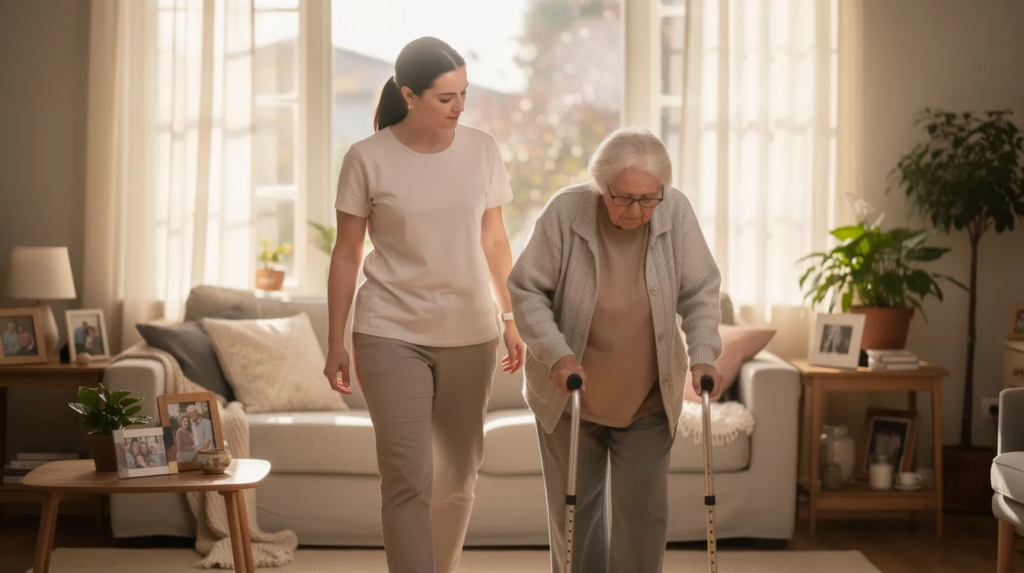
Mobility assistance on stairs and during transfers
Specific fall prevention steps include:
Removing throw rugs and clearing clutter from stairways
Improving lighting in hallways, stairs, and bathrooms
Installing grab bars near toilets and in showers
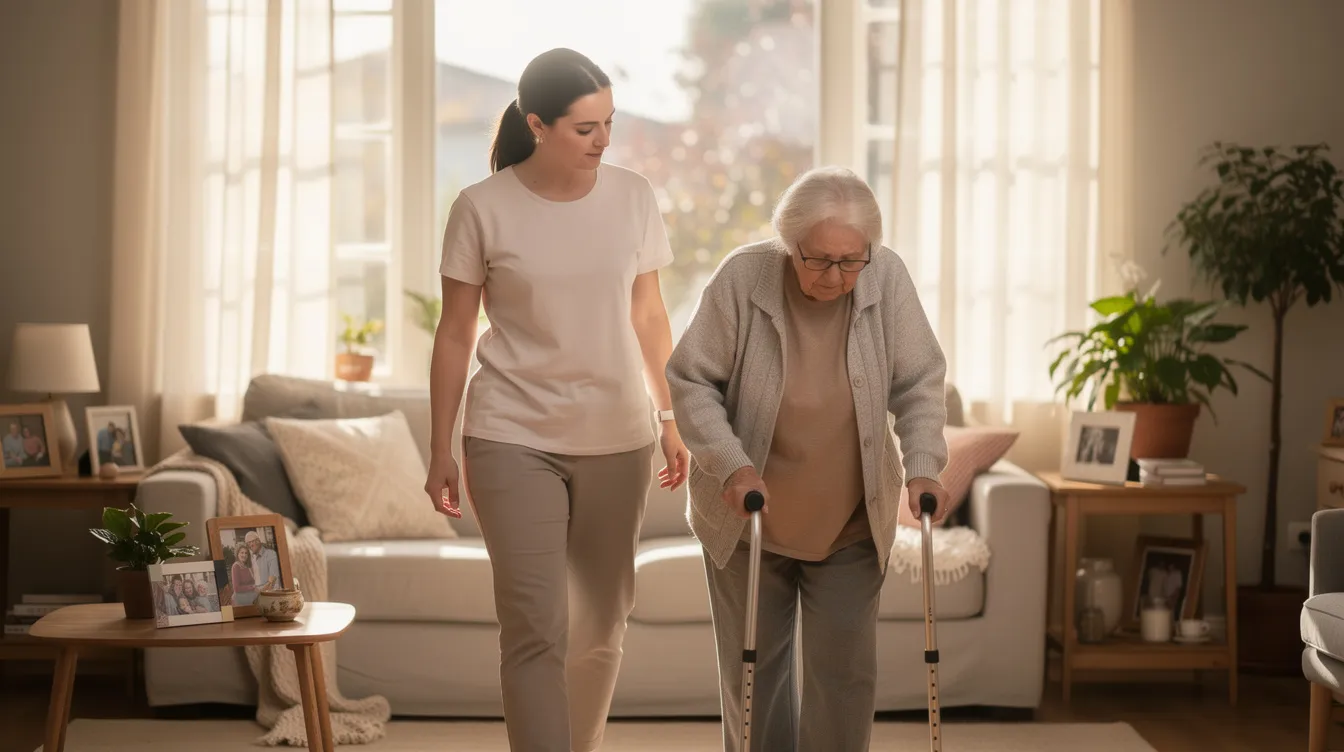
Encouraging proper use of walkers, canes, or gait aids
Using gait belts and standby assistance during transfers
Home modifications can improve accessibility for seniors, and home modifications can improve accessibility for seniors with mobility issues-often with simple, low-cost changes. Safety assessments are essential in choosing home care; they identify risks that residents and family may overlook.
A concrete example: a BlueDot Cares caregiver in Durham noticed a loose stair step and dim lighting on a landing during an assessment. She coordinated a simple repair and added a motion-sensor night light. That one adjustment reduced future fall risk significantly.
Routine safety check-ins are especially important for seniors with dementia or low vision, whose health conditions may prevent them from recognizing hazards on their own.

Specialized Dementia Care and Emotional Well-Being
Alzheimer’s disease and related dementias affect memory, judgment, behavior, and safety. As the disease progresses, daily tasks can become dangerous-wandering, confusion, aggression, and sleep disturbances like sundowning require trained professionals who understand how to respond without escalating stress.
Ways experienced caregivers support clients with dementia:
Creating predictable daily routines (fixed times for meals, rest, activity)
Using calm, clear communication with short sentences
Redirecting agitation instead of confronting or correcting
Managing sundowning through low stimulation in evenings
Supervising wandering with door alarms and direct oversight
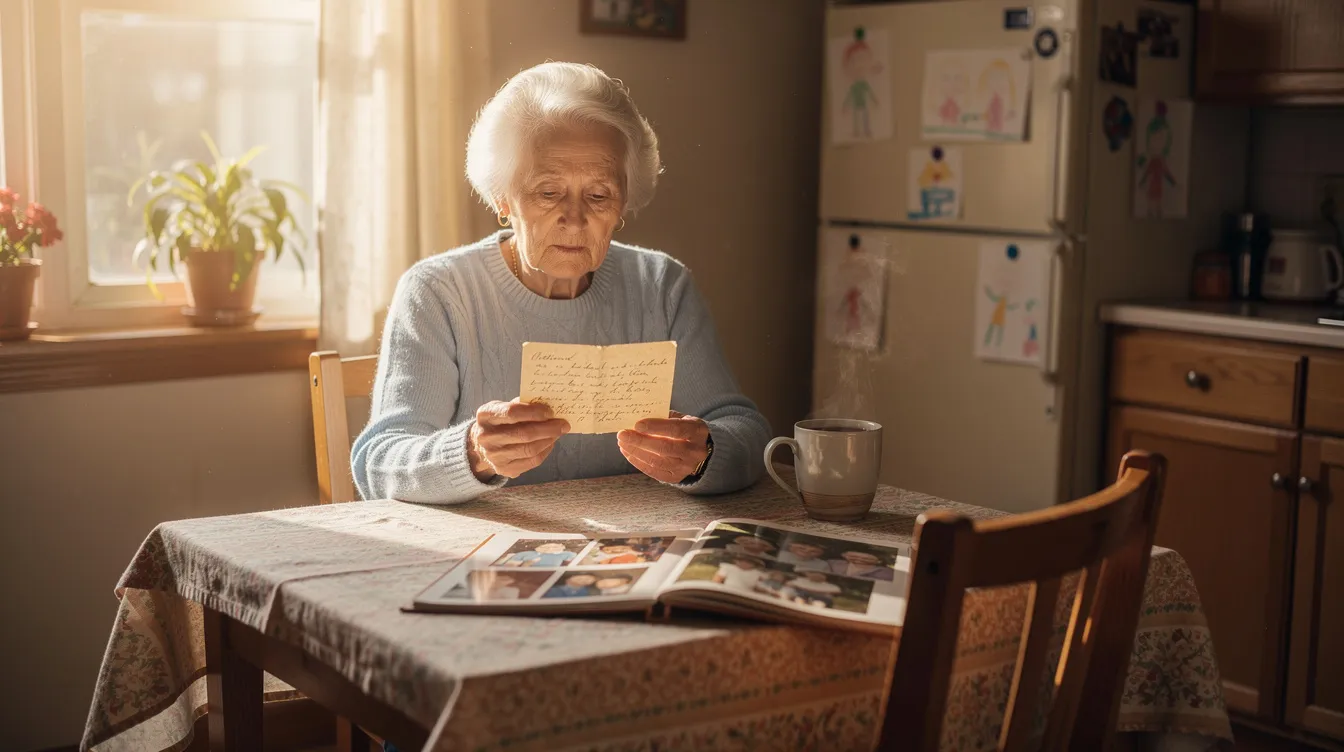
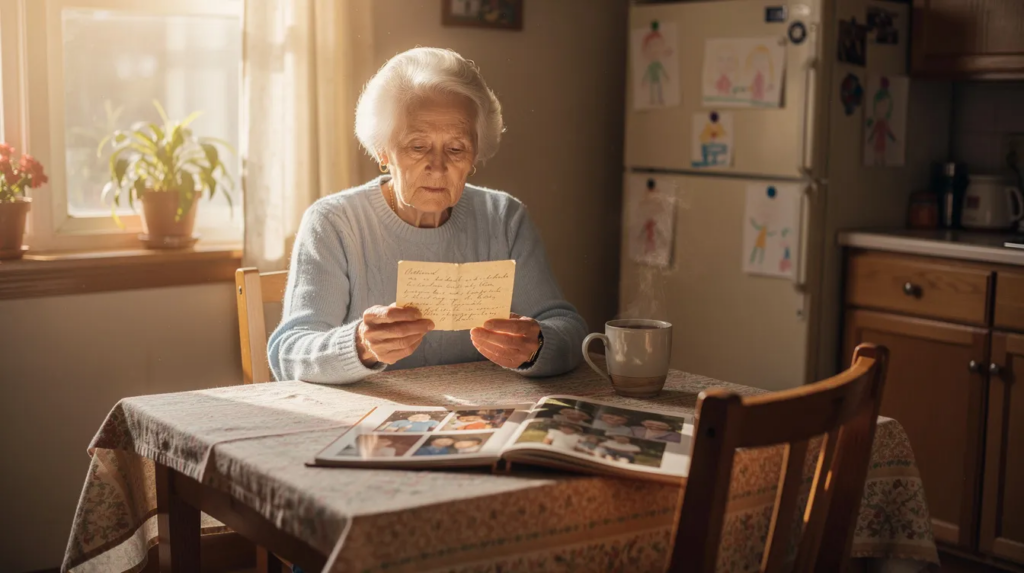
Techniques that protect emotional well-being include focusing on what the person can still do-using favorite music, meaningful photos, and past hobbies to support identity. Familiar surroundings help reduce stress for seniors with memory issues far more effectively than an unfamiliar long-term care facility. Personalized care improves emotional well-being for seniors, and seniors at home may experience less depression than those in nursing facilities.
Consistency matters. Familiar care providers reduce confusion and build trust, which directly lowers agitation. For example, a Raleigh senior with moderate dementia receives a structured daily routine: morning assistance with dressing and grooming, a mid-morning walk, afternoon quiet time with music and photos, and evening supervision. The caregiver teaches family how to redirect agitation and avoid triggers like late-evening bathing. Dementia support in Chapel Hill, North Carolina, from BlueDot Cares can help families delay or avoid early memory care placement by combining structured home care, family education, and overnight monitoring when needed.
Compassionate caregivers also support family members emotionally, providing regular updates on changes, sharing strategies that work, and encouraging respite time before burnout sets in.
Supporting Family Caregivers: Companion Services and Respite
Juggling a career, children, and caring for a parent with chronic diseases or dementia is overwhelming. Many older adults depend on family for daily support, and without relief, the emotional toll compounds quickly. Support for family caregivers can reduce stress and prevent burnout.
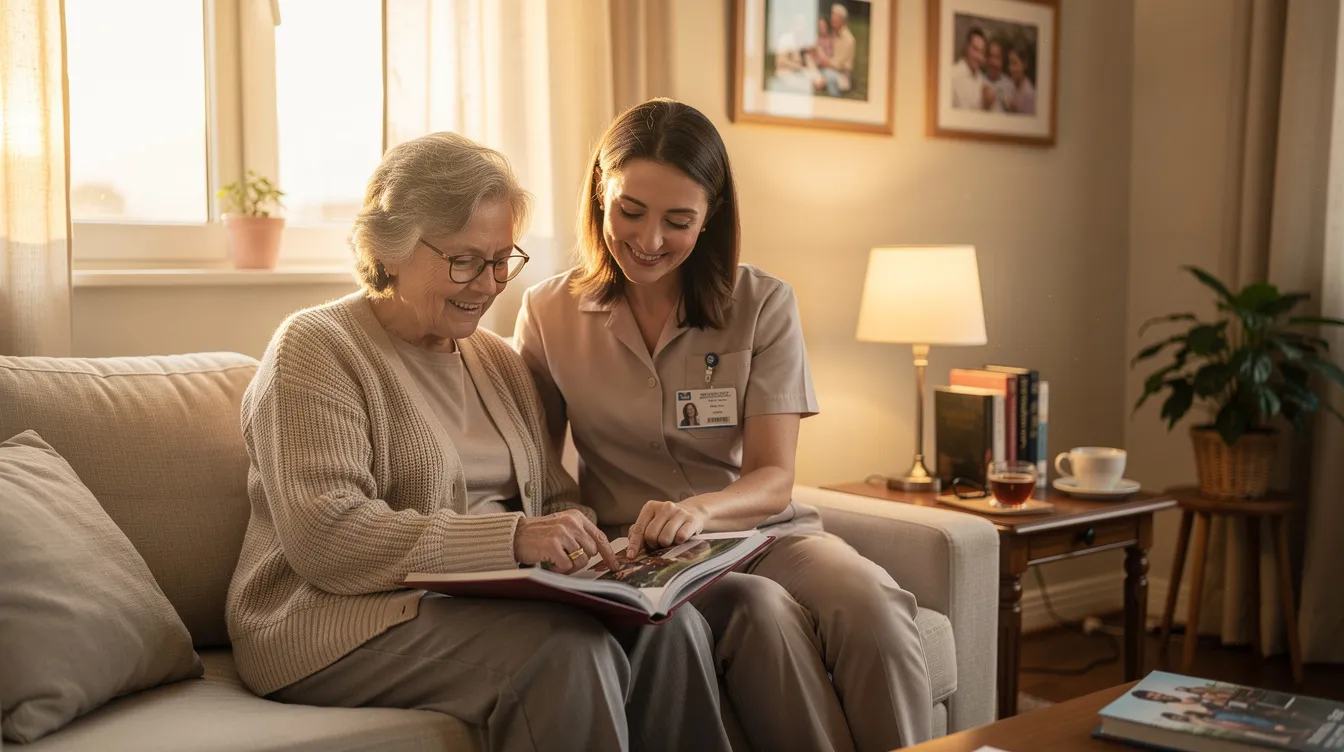
Companion services provide an alternative that benefits both the senior and the family. Caregivers offer conversation, card games, short walks, and help with hobbies like gardening or puzzles. Home caregivers provide companionship to reduce loneliness, and companionship reduces loneliness and promotes mental well-being. In-home care allows seniors to maintain existing social networks rather than losing contact with neighbors and friends they’d leave behind if they moved.
Respite care in Chapel Hill/Durham works in practical terms: a caregiver coming two to three afternoons per week so a daughter can attend work meetings, or overnight care in Raleigh so a spouse can sleep without worrying about wandering. The benefits are tangible-better sleep, time for their own medical appointments, and reduced resentment.
BlueDot Cares can scale hours up or down quickly. After a hospitalization, a family might request 24-hour care for the first few nights, then taper to overnight plus daytime companion care as things stabilize. Transportation services help seniors maintain independence and social connections during this transition, keeping them engaged with life outside the home.
Choosing Home Care Providers in Chapel Hill/Durham, NC
Selecting the right home care providers is critical. A mismatch in expectations, reliability, or training undermines every benefit of keeping a senior at home. Choosing trusted in-home care requires careful evaluation.
What to look for in care providers:
Thorough caregiver background checks (criminal, driving, references)-full-service agencies provide prescreened caregivers with background checks
Training in dementia care and safe transfer techniques
Supervision by a local care coordinator
Clear communication channels for updates and emergencies
Backup coverage if a caregiver is sick or unavailable
Questions to ask agencies:
“How do you match caregivers to clients?” (personality, gender preference, specialization)
“Can you provide companion care and personal care in the same visit?”
“How do you handle after-hours emergencies?”
“Do you serve my specific area of Chapel Hill/Durham?”
Independent providers usually cost less but require more effort to hire, manage, and replace. A local agency like BlueDot Cares serves the Chapel Hill/Durham area and offers scheduling support, trained replacements, and care management oversight that an individual hire cannot match.
Families in Mecklenburg and Wake Counties can request a no-obligation in-home assessment to evaluate how the provider communicates, listens, and identifies hazards.
Costs, Schedules, and How Home Care Services Are Structured
The cost of elderly home care depends on hours per week, level of assistance, and whether care is daytime, overnight, or around the clock. Being honest about the financial picture helps families plan rather than react.
Common scheduling patterns in Chapel Hill/Durham include:
Four-hour morning shifts for personal care and meal preparation
Afternoon or evening companion visits
Overnight supervision for seniors with dementia
Full 24-hour home care after surgery, a stroke, or hospital discharge
Payment sources for non-medical home care typically include private pay from savings or retirement income, long-term care insurance, and Veterans benefits where applicable. Medicare generally does not cover non-medical elder care-only skilled home health when medical criteria are met.
The aging population is driving demand for these services nationwide. North Carolina faces similar growth, with projections showing over 2.4 million residents aged 65+ by 2030. Home care allows seniors to maintain their daily routines as this demographic shift accelerates.
BlueDot Cares builds customized care plans that start small and expand as needed. Consider the hidden costs of family caregiving alone-missed work, declining caregiver health, medication errors, emergency room visits-when weighing what you pay for professional support against doing everything yourself. A helpful way to think about it: in-home care is an investment in your elderly loved one’s safety and your family’s stability.
When to Consider Senior Placement: Assisted Living and Memory Care
Home care is the preferred starting point for most families, and many older adults prefer to remain at home as long as possible. But some situations make a move to assisted living or memory care the safest and most responsible choice. Placement is not a failure-it is an alternative that ensures the right care matches evolving needs.
Red flags that may indicate it’s time to discuss senior placement:
Repeated falls despite home safety modifications
Wandering out of the home at night
Aggressive behavior that risks harm to the senior or others
Complex medical needs beyond what non-medical care can safely address
Frequent ER visits or hospitalizations
BlueDot Cares supports families in North Carolina with no-cost senior placement guidance, and also provides placement support in Chapel Hill/Durham. The process is straightforward:
Initial consultation to understand care needs and budget
Care needs assessment covering daily living, cognition, and medical factors
Curated list of local communities (assisted living, memory care, independent living)
Guided tours of recommended options
Support with transition planning and emotional preparation
Many residents who transition from home care to a senior care community do so with less stress because their family already has a relationship with a care team that understands their loved one’s care history. Exploring how to choose long-term care options early, before a crisis, gives families more control over the outcome. This proactive approach to elder care planning protects both the senior’s life and the family’s peace of mind-and avoids the pressure of choosing nursing homes or assisted living facilities under emergency conditions.
Next Steps: How BlueDot Cares Can Help Your Family Today
If you’re navigating elderly home care decisions for the first time-or reassessing after a change in your loved one’s health-start with one step: a conversation with a local care coordinator who understands local resources.
Actions you can take right now:
Call for a free in-home assessment
Request customized care plans based on your family’s specific situation
Schedule a virtual meeting if you live out of town
The benefits of partnering with BlueDot Cares include locally operated services, consistent and experienced caregivers, flexible scheduling, support for dementia care and fall prevention, safety monitoring, emotional support for the whole family, and a clear pathway to senior placement when the time comes.
If you live out of state, in-home care acts as your eyes and ears-trained professionals who can monitor your loved one’s safety, well-being, and daily life and keep you informed. Families don’t have to navigate this alone, and help can often begin within days, not weeks. Reach out today to discuss what the right care looks like for your family.

Jimmy Clonaris is Managing Partner at BlueDot Cares, where he oversees operations, caregiver standards, and service delivery for in-home care across the organization. With more than 19 years of experience in healthcare and over a decade with BlueDot, he has been directly involved in building and scaling care programs that support individuals aging at home.
His work focuses on the practical side of care delivery. This includes caregiver training and oversight, care plan consistency, and coordination with families and local healthcare professionals. Jimmy is actively involved in ensuring that care is not only well-structured on paper, but executed reliably in the home.
Over the course of his career, he has worked with thousands of families navigating care decisions, from short-term recovery support to long-term in-home care. His approach is grounded in clear communication, accountability, and building systems that allow caregivers to deliver consistent, high-quality support.
Under his leadership, BlueDot Cares has grown to support tens of thousands of families while maintaining a locally operated, relationship-driven model. He continues to focus on strengthening the team, improving care standards, and ensuring families have a dependable partner when care is needed.