From Hospital Care to Healing at Home
The transition from hospital care to recovering at home happens faster than most families expect. Within 24 to 72 hours after major procedures like hip replacement, knee replacement, or heart surgery, many patients are discharged with a stack of instructions and a care plan that suddenly becomes the family’s responsibility to execute. For adult children and spouses in Charlotte and the Triangle coordinating post-surgery care for a loved one aged 65 or older, this shift can feel overwhelming.
Post-surgery home care is important for a smooth and safe recovery, and understanding the two types of support available makes the process more manageable. Medical home health services, ordered by a physician, include visits from a registered nurse, physical therapy, and occupational therapy. Non-medical home care covers the daily essentials: personal care, companionship, meal preparation, medication reminders, and reliable transportation to follow-up appointments. These services often work together. Home health care can improve recovery outcomes after surgery, and when paired with consistent non-medical daily support, many older adults can recover safely at home rather than in nursing homes or rehabilitation facilities. BlueDot Cares provides non-medical in-home care throughout Charlotte and the Triangle to support families through post-surgery recovery and, when the time comes, helps explore assisted living and other senior care options.
Understanding Post-Surgery Recovery at Home
Post-surgery home care spans the first 30 to 90 days after surgery, covering the period when an older adult moves from acute medical oversight to rebuilding daily routines in a familiar environment. Whether your loved one has undergone hip replacement, knee replacement, heart surgery, or abdominal procedures, the recovery arc follows a general pattern. A physician-directed care plan begins in the hospital and continues at home, with goals that evolve in phases: pain management and wound care in the first week, regaining mobility and daily living activities through weeks two to four, and rebuilding strength and independence from weeks four through twelve.
A personalized care plan is essential for effective recovery. Typical elements include:
-
Wound care schedule with dressing changes and drainage monitoring
-
Medication list with exact dosing times, including pain medications, anticoagulants, and any cardiac or chronic condition drugs
-
Activity and mobility restrictions such as weight-bearing limits, stair use, and lifting restrictions
-
Follow-up appointments including staple or suture removal, usually 10 to 14 days post-op
-
Therapy orders for physical therapy and occupational therapy, with session frequency
The hospital care team, including the surgeon, hospitalist, and discharge planner, coordinates with a home health agency and non-medical providers to support safe recovery. Following medical guidance helps minimize complications like infections or delayed healing. Many patients underestimate how much help they will need. The effects of anesthesia, blood loss, and general deconditioning from a hospital stay often linger well beyond returning home.
Planning Ahead Before Discharge: Questions to Ask the Care Team
Discharge planning should start two to three days before the patient leaves the hospital, not the morning of discharge. Waiting until the last moment often leads to gaps in coverage, missing medical supplies, and confusion about the care plan.
Families should ask the hospital care team these questions:
-
Has the physician ordered skilled home health services (nursing, physical therapy, occupational therapy)? What days of the week will visits occur?
-
What is the pain management protocol? Plan to take all prescribed medications strictly on schedule to manage pain effectively.
-
What red-flag symptoms require calling 911 or the surgeon? Seek urgent medical evaluation for signs of infection or persistent high fever after surgery.
-
At what fever threshold should the family call the surgical team?
-
Will the loved one need a home health aide for bathing, or is a non-medical in-home care provider like BlueDot Cares recommended for daily support?
-
Confirm all follow-up appointment dates before leaving the hospital and arrange who will provide transportation.
When selecting a home health agency, look for Medicare-certified and CHAP-accredited agencies. Agencies should employ their own staff, not just contractors. Ask potential providers about their accreditation and ownership structure, and research local agencies with strong community ties and testimonials.
Preparing Your Home for Safe Post-Surgery Care
Home safety preparation is an essential first step in post-surgery home care and should be completed before your loved one returns home from the hospital or rehab facility. A few hours of setup can prevent falls and complications that derail recovery.
Room-by-room adjustments:
-
Remove tripping hazards like rugs and clutter from all walking paths. Throw rugs are one of the most common and preventable fall risks.
-
Ensure adequate lighting in all areas of the home, including nightlights along hallways and in bathrooms.
-
Prepare a recovery area with necessary supplies nearby: a main-floor recliner or adjustable bed, water, phone, medications, and tissues within arm’s reach.
-
Keep frequently used items within easy reach so the patient does not need to bend, stretch, or climb.
-
Remove obstacles and maintain clear pathways in the home to prevent falls during recovery.
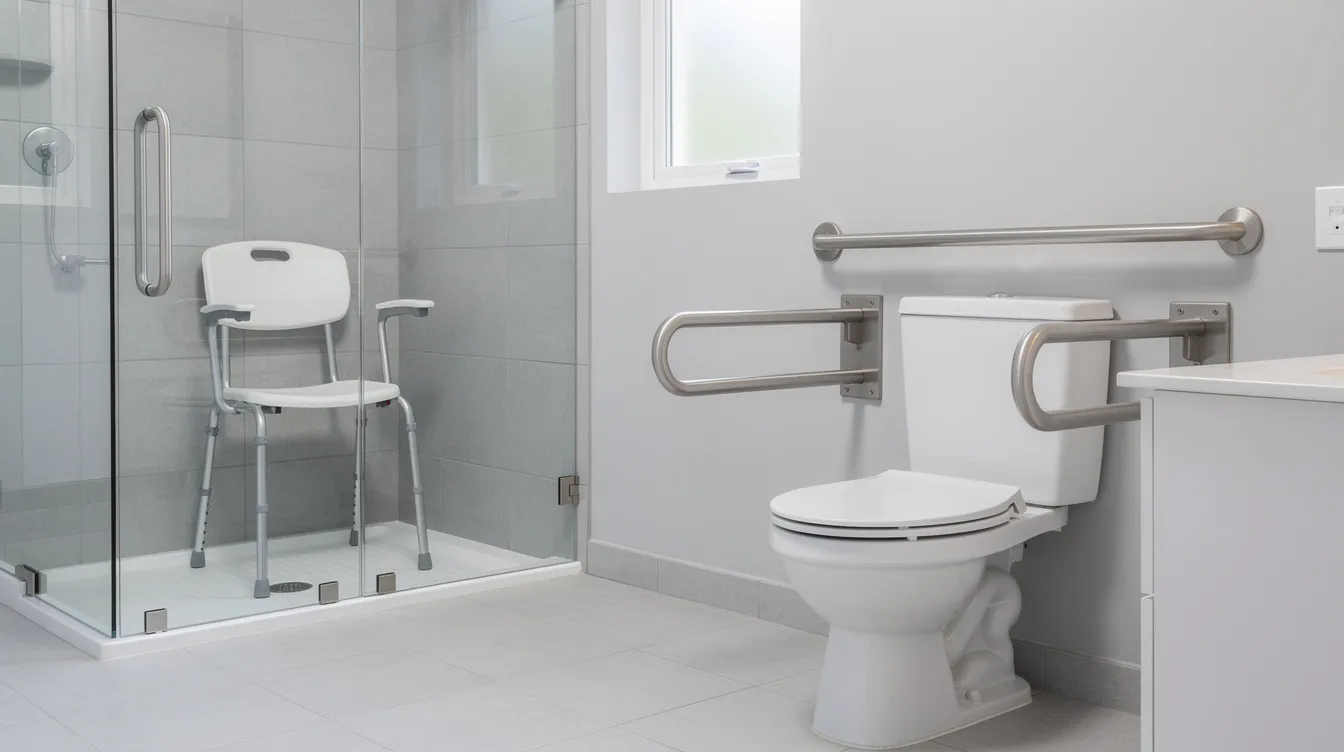
Bathroom safety is critical. Install grab bars in bathrooms for safety, and add a raised toilet seat, a shower chair, and non-slip mats. Trained caregivers can help with safe bathing routines during the weeks when mobility challenges are most limiting.
For families in multi-level homes throughout Charlotte or the Triangle, limit stair use for the first one to two weeks post-op when possible. Temporary handrails or ramps may be needed. Common mobility devices like walkers, canes, or wheelchairs require adequate turning space near the bed, bathroom, and kitchen for safe transfers.
The At-Home Care Plan: Who Does What?
A written care plan for the first 30 days at home removes guesswork and prevents gaps. Each person involved should know their responsibilities clearly.
Medical care team roles:
| Role | Typical Frequency |
|---|---|
| Surgeon | Visit at 1–2 weeks, then as needed |
| Primary care physician | Manages comorbid conditions ongoing |
| Home health nurse | 1–3 visits per week for wound care, vitals, meds |
| Physical therapist | 2–3 visits per week, tapering over time |
| Occupational therapist | 1–2 visits per week initially |
Home health care teams monitor medication side effects and adjust the care plan in coordination with the physician.
Non-medical home care roles (like BlueDot Cares) include hands-on personal care at home such as bathing, dressing, and toileting, along with mobility assistance, meal prep, and medication reminders. Professional caregivers help ensure daily recovery needs are met during the hours between skilled medical visits.
Family members play a central role: managing paperwork, coordinating with the insurance provider, arranging reliable transportation, and providing emotional support. Keeping a daily log to record pain levels, temperature, blood pressure if ordered, meals eaten, bowel movements, and therapy progress helps the care team track the healing process and catch problems early.
The First 72 Hours at Home: What to Expect
The first 72 hours at home are critical for safe post-surgery home care. This window carries the highest risk for confusion, falls, pain spikes, and medication mistakes among older adults.
A typical day for someone returning home after hip or knee replacement might include scheduled pain medicine every four to six hours, ice therapy, two to three short supervised walks, and structured rest periods between activities. Rest is important during recovery, but prolonged inactivity should be avoided. Use gentle movement and short walks to improve circulation and reduce the risk of blood clots after surgery.
Expected symptoms versus danger signs:
| Expected | Danger Signs – Call Surgeon or 911 |
|---|---|
| Mild swelling at the surgical site | Fever over 100.4°F or per surgeon’s guidance |
| Fatigue and low energy | Chest pain or sudden shortness of breath |
| Reduced appetite | Wound drainage, spreading redness, or foul odor |
| Soreness with movement | Calf pain or new leg swelling (possible DVT) |
Ensure the person avoids driving or operating machinery while taking narcotic pain medications. Having a caregiver or family member present continuously for at least the first 24 to 48 hours is essential to respond quickly if problems arise. BlueDot Cares can provide overnight and around-the-clock support during this critical transition window for families in Charlotte and the Triangle.
Key Home Care Tasks After Surgery
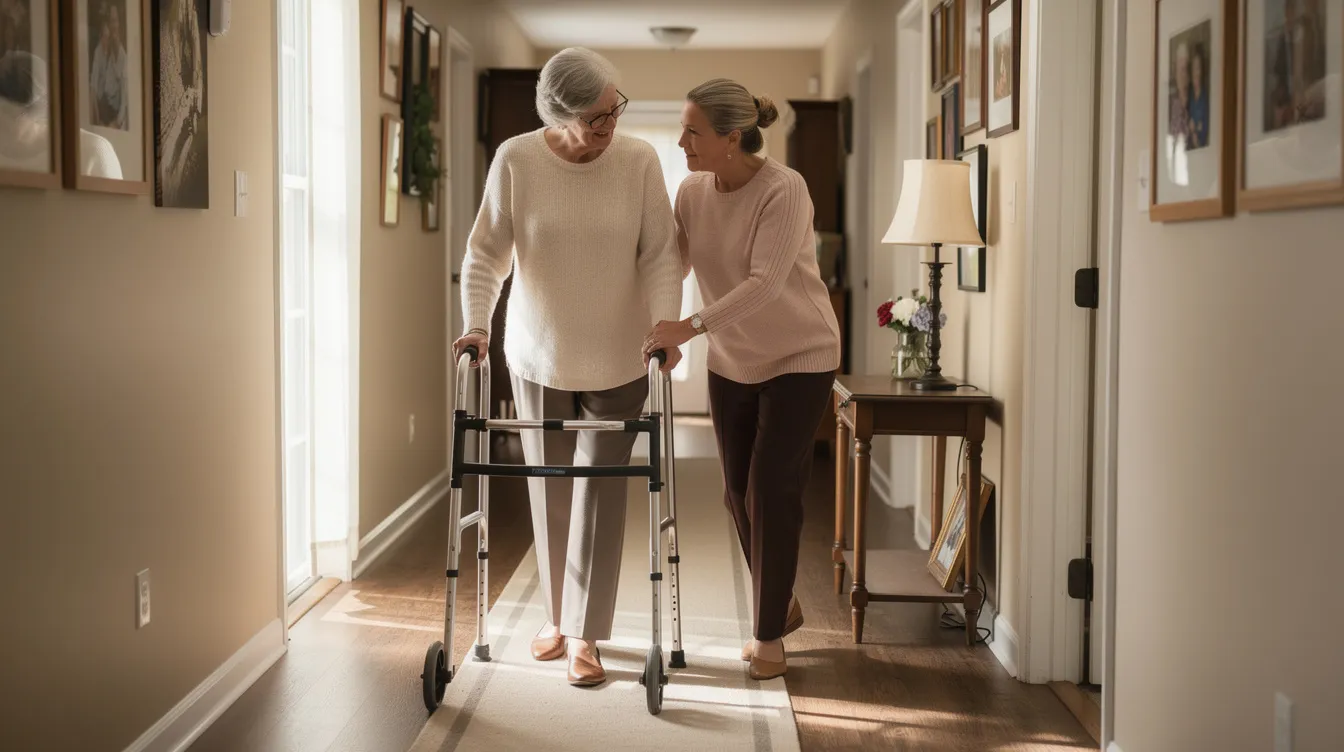
Non-medical tasks are often what make or break safe post-surgery home care, especially for older adults living alone or with a spouse who cannot provide physical assistance. These daily living activities require consistency and attention.
Personal care: Bathing with help, dressing, toileting, grooming, and safe transfers from bed to chair and into the bathroom. Professional caregivers trained in transfer techniques reduce fall risk significantly.
Meal prep and nutrition: A nutrient-dense, balanced diet supports tissue repair after surgery. Caregivers support meal preparation by preparing small, protein-rich meals, managing fluid intake, and following surgeon-ordered diet restrictions. Adequate hydration helps prevent postoperative constipation and supports recovery. Nutrition is one of the most underestimated aspects of surgery recovery.
Wound care basics: Keep the surgical incision clean and dry as instructed by your surgeon. Wash your hands thoroughly before touching the bandage or incision site. Report any changes in wound appearance to the care team immediately.
Medication reminders: Caregivers help organize and schedule doses using pill organizers and written schedules with exact dosing times, and provide medication reminders to support compliance with prescribed medications. Missed medications can lead to hospital readmission, making this one of the most important daily tasks.
Light housekeeping and laundry: Keeping floors clear, changing bed linens, and taking out trash reduce fall hazards and preserve the patient’s energy for recovery. These tasks may seem minor but directly support a comfortable recovery environment.
Therapy at Home: Physical and Occupational Therapy
Physical therapy and occupational therapy are central to effective post-surgery home care, helping older adults regain independence when baseline strength and balance may already be compromised.
Physical therapy is essential after joint replacement surgeries. Home-based sessions focus on rebuilding strength, balance, and range of motion. Therapists guide patients through progressive exercises tailored to the specific surgery, whether joint replacement, back surgery, or abdominal procedures. Home care can include physical and occupational therapy ordered through a home health agency.
Occupational therapy addresses the practical side of recovery: practicing safe ways to complete daily living activities like bathing, dressing, and kitchen tasks, and learning to use adaptive equipment such as reachers, sock aids, or long-handled sponges.
Non-medical caregivers support therapy between visits by assisting with daily home exercise programs, encouraging walking on schedule, and watching for increased pain or fatigue that might signal overexertion. In North Carolina, home health therapists may visit several times a week early in recovery, then taper visits as strength and confidence improve, making the daily caregiver’s role in maintaining routines even more important.
Emotional Health, Sleep, and Family Support
Many older adults feel anxious, frustrated, or overwhelmed as they adjust to post-surgery home care. Leaving the around-the-clock oversight of hospital care and facing weeks of dependency takes an emotional toll that families sometimes underestimate.
Common responses include fear of falling, frustration over loss of independence, and sleep disruption caused by pain or unfamiliar routines. Family caregivers and professional caregivers can help by maintaining regular check-ins, involving the loved one in simple decisions about their day, and preserving beloved routines like morning coffee or a favorite television show. These small consistencies reduce stress and help the patient feel more in control.
Caregiver stress and burnout are real risks for family members providing daily support. Scheduling regular breaks and considering respite care for family caregivers from a provider like BlueDot Cares allows family caregivers to recharge without leaving their loved one without trusted support. Loneliness can slow the healing process, and consistent companionship, conversation, and light activities like puzzles or short walks outside when cleared by the surgeon support better emotional and physical recovery.

Preventing Complications and Hospital Readmission
About one in five Medicare patients is readmitted within 30 days of a hospital stay. For older adults with frailty or cognitive impairment, the risk is substantially higher.
Common reasons for readmission include:
-
Surgical site or urinary infections
-
Poorly managed pain levels
-
Dehydration and inadequate nutrition
-
Medication errors or missed medications
-
Constipation from pain medications
-
Falls at home
A structured daily routine built around medication reminders, proper wound observation, adequate hydration, and early mobility can prevent many of these complications. Post-surgery home care helps manage medications and monitor for complications that might otherwise go unnoticed until they become emergencies.
Non-medical caregivers are often the first to notice subtle changes: new confusion, appetite loss, increased shortness of breath, or a wound that looks different. Prompt communication with the home health nurse or family allows early intervention before a trip to the emergency room becomes necessary.
Keep emergency numbers, the surgeon’s office line, and on-call contact information posted by the phone and saved in cell phones. Every member of the care team and every family member involved should know exactly who to call and when.
Home Care vs. Home Health: How They Work Together
Understanding the difference between home health care and non-medical post-surgery home care helps families build a complete support plan.
Skilled home health care includes nursing and therapy services ordered by a physician. A registered nurse may visit for wound care, medication management, and vital sign monitoring. Physical and occupational therapists work on mobility and independence. Medicare typically covers eligible skilled home health services at no cost to the patient after surgery when criteria are met, and these medical services are usually covered under Medicare or private insurance.
Non-medical in-home care from a provider like BlueDot Cares assists with daily living activities: bathing, dressing, meal prep, mobility assistance, companionship, and transportation. Private duty care is usually paid out-of-pocket or by insurance such as long-term care policies. This type of personalized care fills the gaps between intermittent skilled visits.
Consider this scenario: an older adult in Raleigh recovering from heart surgery receives home health nurse visits twice per week and physical therapy three times per week. But between those visits, they need daily help with bathing, meal preparation following cardiac diet restrictions, and medication reminders. A non-medical caregiver provides that continuity.
When surgery recovery does not progress as expected, perhaps mobility has not improved by week four or confusion persists, families should review the care plan with the medical team. More in-home care hours may be needed, or a different setting such as assisted living or memory care may be the safer choice.
When Home Is No Longer the Safest Option
Sometimes recovery does not follow the expected path, particularly for a loved one living with dementia or managing multiple chronic conditions. Recognizing this early is an act of care, not failure.
Warning signs that home may no longer be the safest setting include:
-
Repeated falls despite safety modifications
-
Persistent confusion with medications even with daily caregiver support
-
Ongoing incontinence that exceeds available help
-
Wandering behavior or inability to remain safe without 24-hour supervision
-
Family caregivers unable to sustain the level of oversight required
In these situations, many families in Charlotte and the Triangle need to explore assisted living, memory care, or other senior living options. BlueDot Cares offers no-cost senior placement services that help families compare local communities across North Carolina and Cleveland, Ohio, based on care needs, budget, and proximity to family.
Placement guidance is a complement to home care, not a replacement. Many clients begin with post-surgery home care and transition to assisted living only when care needs exceed what any home setting can safely provide.
How BlueDot Cares Supports Post-Surgery Home Care in Charlotte and the Triangle
BlueDot Cares is a locally operated non-medical in-home care provider serving families throughout Charlotte and the Triangle, including Raleigh, Durham, Chapel Hill, Cary, Apex, and surrounding communities. The service is built around helping older adults regain strength safely after surgery while giving family members the confidence that their loved one is supported every day.
Post-surgery support services include:
-
Personal care: bathing, dressing, grooming, and toileting
-
Mobility assistance and fall prevention support
-
Medication reminders aligned with prescribed medications and schedules
-
Meal preparation tailored to surgeon-ordered dietary needs
-
Light housekeeping to maintain a safe recovery environment
-
Transportation to follow-up appointments and therapy sessions
Scheduling is flexible and designed around each family’s situation. Options include short-term surgery care support for a few hours a day, part-time care as independence returns, overnight care, and 24-hour home care for the most fragile recoveries requiring around-the-clock support.
Every care plan starts with a consultation with the family, coordination with existing home health orders and the physician’s care plan, and ongoing communication about progress. The goal is a full recovery at home, supported by trained caregivers who understand what post-surgery recovery demands from older adults and the families who love them.
If your family is planning for a loved one’s return home after surgery in Charlotte or the Triangle, contact BlueDot Cares to discuss a care plan. Services can begin quickly after discharge, giving you and your family peace of mind during the weeks that matter most.

Jimmy Clonaris is Managing Partner at BlueDot Cares, where he oversees operations, caregiver standards, and service delivery for in-home care across the organization. With more than 19 years of experience in healthcare and over a decade with BlueDot, he has been directly involved in building and scaling care programs that support individuals aging at home.
His work focuses on the practical side of care delivery. This includes caregiver training and oversight, care plan consistency, and coordination with families and local healthcare professionals. Jimmy is actively involved in ensuring that care is not only well-structured on paper, but executed reliably in the home.
Over the course of his career, he has worked with thousands of families navigating care decisions, from short-term recovery support to long-term in-home care. His approach is grounded in clear communication, accountability, and building systems that allow caregivers to deliver consistent, high-quality support.
Under his leadership, BlueDot Cares has grown to support tens of thousands of families while maintaining a locally operated, relationship-driven model. He continues to focus on strengthening the team, improving care standards, and ensuring families have a dependable partner when care is needed.